
Injuries and Conditions


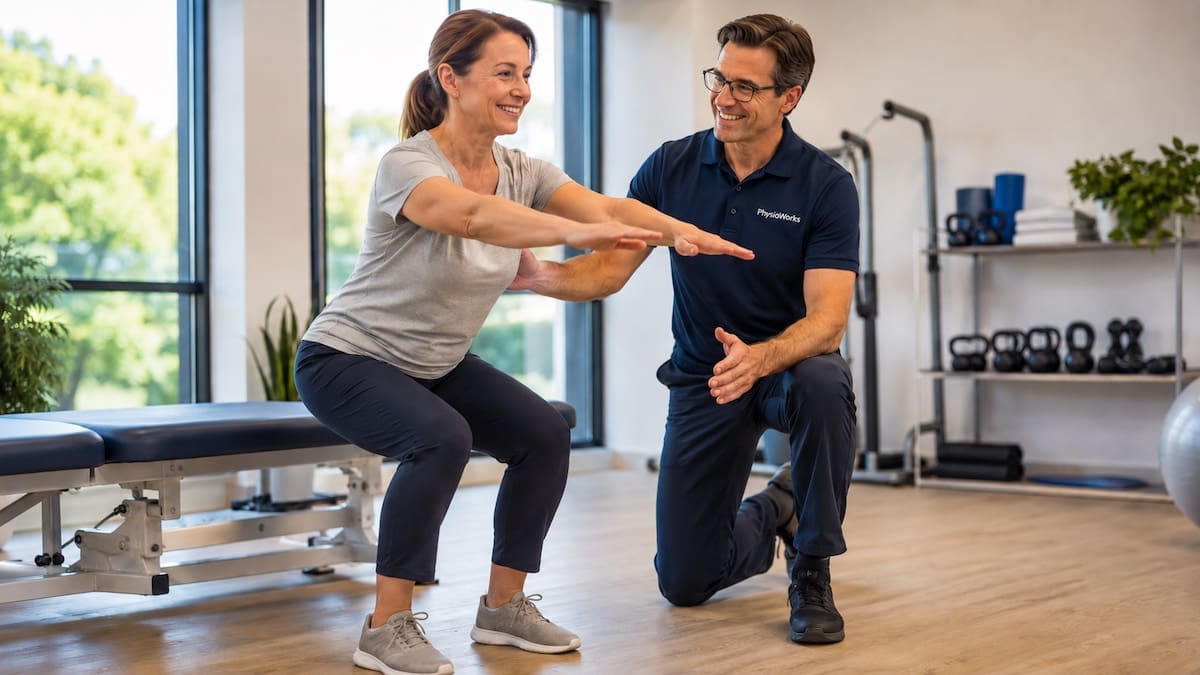
This injuries and conditions guide helps you find information by symptom, body region or injury type. Search for a specific problem below or browse the main clinical categories.
PhysioWorks provides practical information about common muscle, joint, tendon, ligament, spinal, sporting and pain-related conditions. Each guide explains typical symptoms, contributing factors, assessment and rehabilitation options.
If you have severe pain, an obvious deformity, major swelling, worsening numbness, sudden weakness or an inability to bear weight, seek prompt medical assessment.
Search Injuries and Conditions
Enter a symptom, body region, injury or condition.
Browse by Body Region or Injury Type
Choose the area that most closely matches your symptoms.
Common Types of Injuries and Conditions
Many musculoskeletal problems fall into several broad categories. However, similar symptoms can come from different tissues or movement demands.
- Ligament sprains and tears, which may affect joint stability.
- Muscle strains, often associated with sudden loading or overstretching.
- Tendinopathy, which commonly causes load-related tendon pain.
- Joint irritation and stiffness, including osteoarthritis and post-injury restriction.
- Nerve-related symptoms, including pain, tingling, numbness or weakness.
- Bone and cartilage injuries, which may require imaging or medical management.
Although each injury needs an individual approach, rehabilitation commonly progresses from symptom control and safe movement towards strength, capacity and return to normal activity.
When Should You Seek Urgent Medical Care?
Seek prompt medical assessment when an injury involves:
- an obvious deformity or suspected fracture
- an inability to bear weight or use the affected limb
- rapid or major swelling
- worsening numbness, weakness or loss of coordination
- severe pain that does not settle
- head injury symptoms, breathing difficulty or chest pain
For less urgent injuries, early guidance may help you manage activity and avoid further aggravation. Read the acute injury management guide for practical first steps.
Why Does an Individual Assessment Matter?
The same symptom may come from different structures. Knee pain, for example, may involve a ligament, meniscus, tendon, kneecap or load-related irritation.
Likewise, shoulder pain may relate to the rotator cuff, joint stiffness, instability or symptoms referred from the neck. Back pain may involve joints, discs, nerves, muscles or several contributing factors.
A physiotherapist considers the injury history, symptom behaviour, movement, strength and function. This assessment helps guide suitable management and whether further medical review or imaging may be useful.
How Does Injury Rehabilitation Progress?
Rehabilitation should match the injured tissue, stage of healing and activities you want to resume.
| Stage | Typical focus | Examples |
|---|---|---|
| Early | Protect the area and maintain safe movement. | Activity modification, swelling management and gentle movement. |
| Middle | Restore mobility, strength and control. | Progressive exercise, balance work and functional tasks. |
| Later | Build capacity for work, daily life or sport. | Higher-load strength, endurance, agility or return-to-sport testing. |
The soft-tissue injury healing guide explains how rehabilitation may change across early, middle and later healing stages.
How Long Does an Injury Take to Heal?
Recovery time depends on the injured tissue, severity of the problem, general health and physical demands you need to meet.
Some mild sprains and muscle strains settle within days or weeks. Tendon problems, fractures, major ligament injuries and long-standing joint conditions may take considerably longer.
Progress is not determined by time alone. Strength, movement quality, symptoms and functional testing also help guide return to activity.
How Can You Reduce the Risk of Another Injury?
Injury prevention works best when it is practical and consistent. Useful strategies may include:
- increasing training or workload gradually
- completing a suitable warm-up
- building strength for the demands of your activity
- improving movement technique where needed
- allowing enough recovery between demanding sessions
- addressing previous injury-related weakness or loss of confidence
People with recurring problems may benefit from a biomechanical assessment or a structured strength rehabilitation program.
Not Sure What Is Causing Your Pain?
You do not need to know your diagnosis before arranging an assessment. Start with the body region or activity that best matches your symptoms.
- New pain or injury: physiotherapy is usually the clearest first step.
- Long-term strength or health goals: Exercise Physiology may be suitable.
- Muscle tension or recovery support: massage may be appropriate.
Related Injury and Rehabilitation Guides
- Sports injuries
- Acute Sports Injury Clinic
- Acute injury management
- HARM factors after an injury
- Common physiotherapy treatment techniques
- Flexibility and stretching exercises
What Should You Do Next?
If pain limits work, sleep, exercise or confidence in movement, consider a physiotherapy assessment. Your physiotherapist can discuss likely contributing factors, identify practical goals and guide an appropriate rehabilitation plan.
Choose your clinic and appointment pathway
Select a PhysioWorks clinic to continue to live booking, an appointment request or reception assistance.


Injuries and Conditions FAQs
When should I see a physiotherapist after an injury?
Consider an assessment when pain limits walking, lifting, sleep, work or sport, when movement feels unstable, or when symptoms are not improving as expected. A physiotherapist can assess the likely structures involved and guide safe rehabilitation.
What should I do in the first 48 hours after a sprain or strain?
Protect the injured area from further aggravation and keep moving within a comfortable range where safe. Avoid activities that sharply increase pain or swelling. Seek assessment sooner if you cannot bear weight, notice major swelling or suspect a fracture.
How long does an injury take to heal?
Healing time depends on the tissue involved, injury severity, health factors and activity demands. Mild sprains and strains may settle within weeks, while tendon, joint, fracture or major ligament injuries may require longer rehabilitation.
Can physiotherapy help reduce the chance of another injury?
Physiotherapy rehabilitation may address strength, mobility, balance, movement control and activity progression. These factors can improve readiness for work, daily activity or sport and may reduce the chance of recurrence.
Do I need a scan for my injury?
Many musculoskeletal injuries can be assessed clinically without immediate imaging. A physiotherapist or doctor may recommend an X-ray, ultrasound, CT or MRI when a fracture, significant tissue injury or another condition needs investigation.
References
- Wagemans J, Bleakley C, Taeymans J, et al. Exercise-based rehabilitation reduces reinjury following acute lateral ankle sprain: a systematic review update with meta-analysis. PLoS One. 2022;17(2):e0262023. doi:10.1371/journal.pone.0262023.
- Challoumas D, Crosbie G, O’Neill S, Pedret C, Millar NL. Effectiveness of exercise treatments with or without adjuncts for lower limb tendinopathies: a living systematic review and network meta-analysis. Sports Med Open. 2023;9(1):71.
- Yu H, et al. Non-invasive management of soft tissue disorders of the shoulder: a clinical practice guideline from the OPTIMa collaboration. Eur J Pain. 2021.
General health information: Sports injury information from MedlinePlus.