
Pregnancy Back Pain
Pregnancy Back Pain
Pregnancy-related back and pelvic pain is common and may affect the lower back, sacroiliac region, buttocks or front of the pelvis. Symptoms often flare with walking, stairs, rolling in bed or standing on one leg.


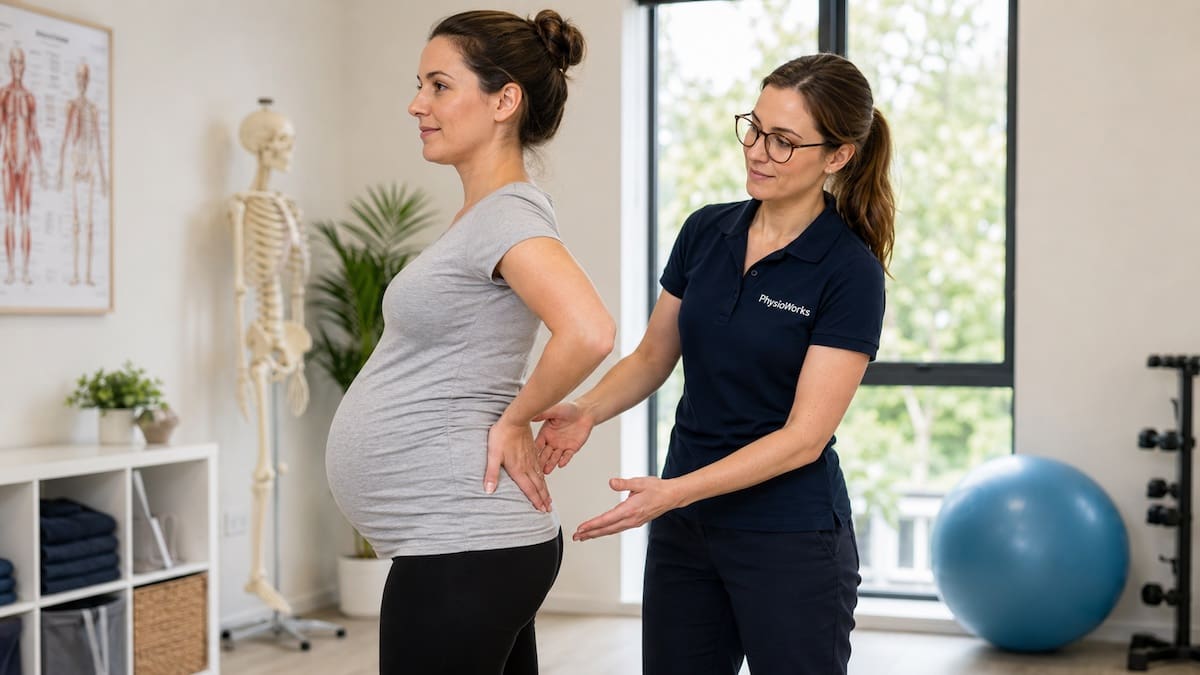
This is one of several causes of back pain. Symptoms can overlap with lower back pain, sacroiliac joint pain and pregnancy-related pelvic girdle pain.
Although these symptoms are common, you do not need to dismiss persistent or limiting pain as simply part of pregnancy. Assessment may help identify practical ways to stay active and move more comfortably.
What Is Pregnancy Back Pain?
Pregnancy back pain describes pain affecting the lower back, pelvis, buttocks or pubic region during pregnancy. Symptoms may develop as body mass, movement patterns, activity tolerance, muscle demand and pelvic loading change through pregnancy.
Common symptom patterns include:
- Lower back pain: often feels centred across the lumbar spine.
- Sacroiliac region pain: may feel like deep buttock pain.
- Pubic symphysis pain: may be felt at the front of the pelvis.
- Pelvic girdle pain: may involve the back, buttocks, hips, groin or pubic region.
Pain may feel dull and aching, sharp with particular movements or deep through the buttocks or pelvis. It commonly flares with turning in bed, climbing stairs, walking, getting out of a car or standing on one leg while dressing.
Is It Back Pain or Pelvic Girdle Pain?
Pregnancy back pain and pelvic girdle pain can feel similar. Lower back pain is usually centred around the lumbar spine. Pelvic girdle pain more commonly involves the sacroiliac region, buttocks, hips, groin or pubic symphysis.
The distinction can influence management. Some people may benefit from lumbar movement, strength and activity modification, while others may need pelvic support, hip strengthening, movement retraining or short-term external support.
Lumbar spine pattern
Pain may be aggravated by prolonged standing, sitting, lifting or particular spinal movements.
Sacroiliac region pattern
Pain may flare with walking, stairs, rolling in bed or standing on one leg.
Pubic symphysis pattern
Pain may be aggravated by getting out of a car, turning in bed, wider steps or uneven loading.
Why Can Back and Pelvic Pain Develop During Pregnancy?
Pregnancy-related back and pelvic pain usually reflects several interacting factors rather than one damaged or unstable structure. Changes in body mass, movement, sleep, activity, muscle demand and pelvic loading may all contribute.
Hormonal and Tissue Changes
Pregnancy hormones influence connective tissues throughout the body. These changes may alter how forces are distributed through the pelvis and surrounding muscles, but ligament flexibility alone does not explain why one person develops pain and another does not.
Changing Abdominal and Trunk Demands
As pregnancy progresses, the abdominal wall stretches and trunk muscles adapt to a changing body shape and load. Some people also develop diastasis recti. These changes can alter how the trunk manages everyday tasks but do not necessarily mean the spine or pelvis has become unstable.
Changes in Load and Movement
A growing abdomen changes the way the body balances and moves. Standing, walking, lifting, stairs and getting in or out of bed may therefore place different demands on the lower back, hips and pelvis.
Muscle Fatigue and Activity Tolerance
Back, buttock and hip muscles may work differently as pregnancy progresses. Fatigue, reduced sleep, longer periods of standing or sudden increases in activity can contribute to symptom flare-ups.
Common Symptoms of Pregnancy Back Pain
Symptoms vary. Some people mainly feel aching through the lumbar spine. Others notice sharper or more localised pain around the pelvis, buttocks or pubic region.
- lower back aching or stiffness
- deep buttock pain
- pain at the front of the pelvis or pubic bone
- pain with walking, stairs or prolonged standing
- discomfort when turning in bed or getting out of a car
- pain when standing on one leg, such as while dressing
- reduced comfort with sleep or changing position
How Is Pregnancy Back Pain Assessed?
A physiotherapist may assess your symptom pattern, movement, pelvic and trunk control, strength and the daily activities that aggravate your pain. Functional testing can help identify whether symptoms appear more closely related to the lumbar spine, pelvic girdle or another source.
Imaging is not routinely required for uncomplicated pregnancy-related back pain. However, medical assessment may be appropriate when symptoms suggest another condition or when warning signs are present.
For broader Australian pregnancy information, Pregnancy, Birth and Baby provides consumer guidance on backache in pregnancy.
How May Physiotherapy Help?
Physiotherapy aims to improve comfort, movement and day-to-day function during pregnancy. Management should match your symptoms, pregnancy stage, medical advice, activity demands and personal goals.
Movement and Activity Advice
Small changes to everyday movement can reduce aggravation. Advice may include pacing, changing lifting or standing tasks, sleeping positions, rolling strategies and comfortable ways to sit or move.
You can also read more about posture and ergonomics.
Targeted Exercise
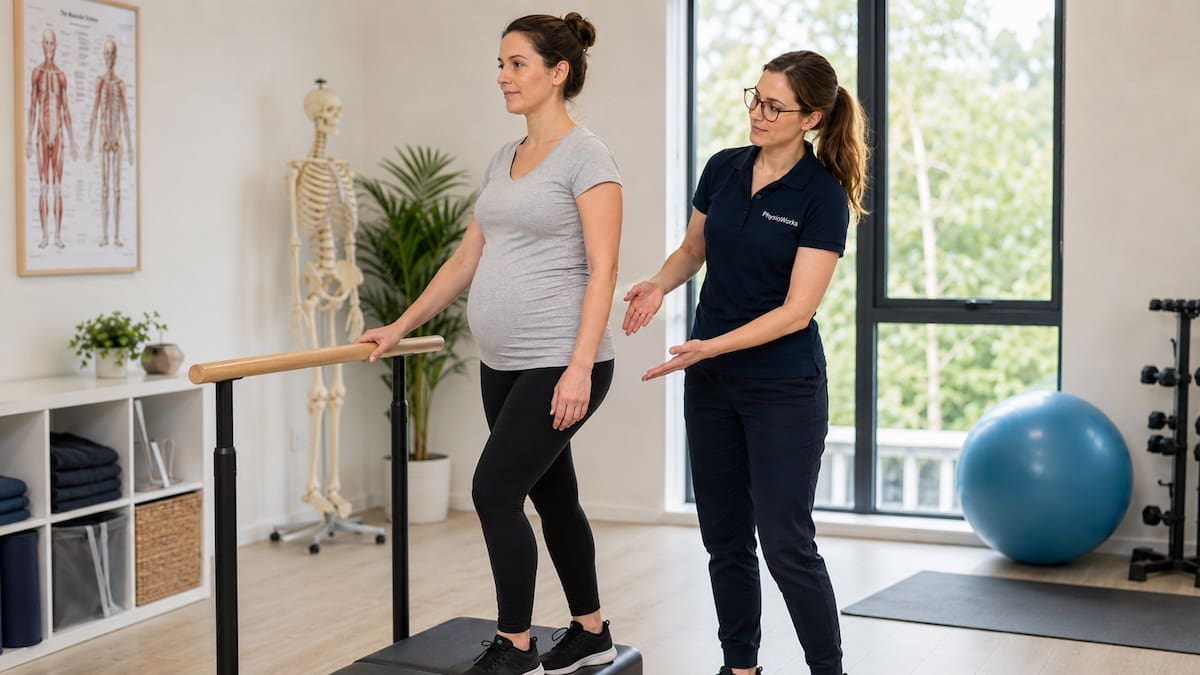
Exercise may focus on hip and trunk strength, pelvic control, mobility and gradually maintaining activity tolerance. The most suitable exercises depend on your symptoms and pregnancy stage rather than one standard program for everyone.
A staged exercise program may help you remain active. Depending on your needs, pelvic floor exercises or modified Pilates-based exercises may also be appropriate.
Pregnancy Massage
Gentle pregnancy massage may help with short-term comfort or muscle tension for some people. Massage should be adapted to pregnancy, positioning, comfort and relevant medical considerations.
Maternity Belts and External Support
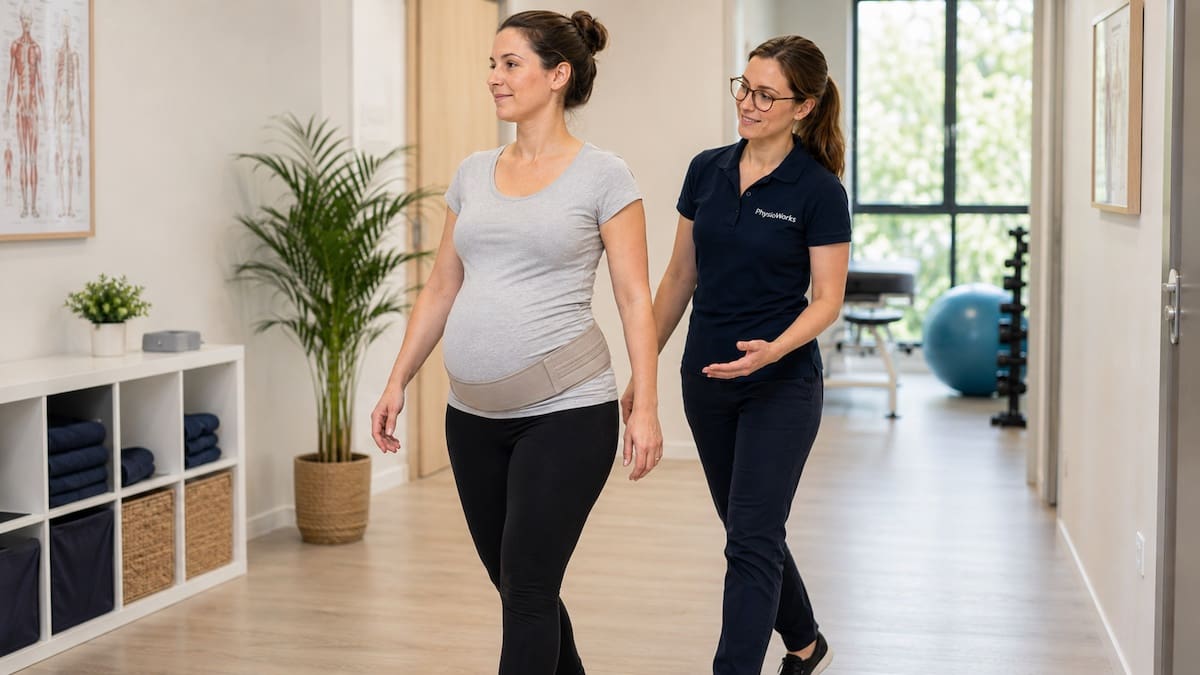
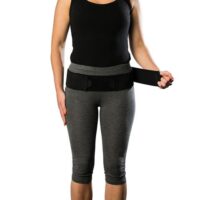
A maternity support belt may improve comfort during walking or prolonged standing for some people with pregnancy-related pelvic pain. It is best considered as a short-term support rather than a substitute for movement, exercise or assessment.
You can view PhysioWorks maternity supports. Some people may also find appropriately applied kinesiology taping comfortable.
Heat and Symptom Relief
Local warmth over the lower back may feel comfortable for muscular soreness. Avoid excessive heat and follow pregnancy-specific medical advice about heat exposure.
What Can You Safely Try First?
Simple changes may help settle symptoms. Start with comfortable adjustments and avoid repeatedly pushing through sharp or increasing pain.
- Use pillows to support a comfortable side-lying position.
- Try keeping your knees closer together when rolling in bed or getting out of a car if this feels easier.
- Reduce walking distance temporarily if symptoms build with longer walks.
- Break up prolonged standing with sitting or gentle movement.
- Change one aggravating task at a time so you can judge whether the modification helps.
- Use a support belt only if it feels comfortable and improves function.
If symptoms remain limiting despite these changes, an assessment can help determine which exercises, movement strategies or supports are most appropriate.
Is Pregnancy Back Pain Normal?
Back and pelvic pain are common during pregnancy, but persistent or limiting pain should not simply be accepted as something you have to tolerate. Consider assessment when symptoms interfere with walking, sleep, work, exercise, caring tasks or normal daily movement.
Related PhysioWorks Guides
Pregnancy Back Pain FAQs
What causes pregnancy back pain?
Pregnancy-related back pain usually reflects several interacting factors. Changes in body mass, movement, muscle demand, activity tolerance and pelvic loading may all contribute rather than one single damaged or unstable structure.
Can physiotherapy help pregnancy back pain?
Physiotherapy may help by identifying aggravating movements and guiding activity modification, exercise, strength, pelvic support and symptom-management strategies. Treatment should match your pregnancy stage, symptoms and goals.
Are maternity belts effective for pregnancy back pain?
A maternity belt may improve comfort for some people, particularly during walking or prolonged standing. It is usually best used as short-term support alongside appropriate movement and exercise rather than as the only treatment.
Is exercise safe with pregnancy back pain?
Exercise is often appropriate during pregnancy, but it should suit your health, pregnancy stage and symptoms. Reduce or modify activities that repeatedly cause sharp or increasing pain, and seek individual advice if you are unsure what is safe for you.
What is the difference between pregnancy back pain and pelvic girdle pain?
Lower back pain is usually centred around the lumbar spine. Pelvic girdle pain more commonly affects the sacroiliac region, buttocks, hips, groin or pubic symphysis. The two patterns can overlap.
When is pregnancy back pain more common?
Back and pelvic pain can occur at any stage of pregnancy but may become more noticeable as body mass, movement demands and abdominal loading change. Previous back or pelvic pain and physically demanding activities may also influence symptoms.
Can pregnancy back pain affect sleep?
Yes. Rolling in bed, changing position or remaining in one position for a long time can aggravate symptoms. Pillow support, comfortable positioning, activity pacing and suitable exercise may help.
What to Do Next
If pregnancy-related back or pelvic pain is affecting walking, sleep, work, exercise or daily activities, a physiotherapy assessment may help identify the main contributing factors and suitable management options.
The aim is not simply to remove every symptom. A useful plan should help you stay as active and comfortable as practical while adapting to the changing demands of pregnancy.
Choose your clinic and appointment pathway
Select a PhysioWorks clinic to continue to live booking, an appointment request or reception assistance.
Pregnancy Support Products
These pregnancy related support products are commonly used by our physiotherapists to help reduce strain, improve comfort, and support your body during pregnancy and post-partum.
- Braces & Supports, Back, Maternity, SIJ
AOM38 AllCare Ortho Core Stability Belt
$49.95Select optionsQuick View -
 Braces & Supports, Back, Maternity, SIJ
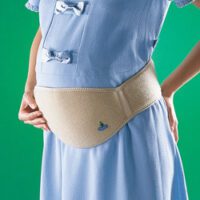
Maternity Support Belt – OPPO 4062
$37.00Select optionsQuick View -
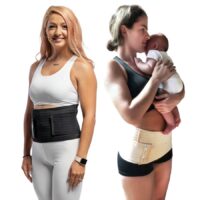
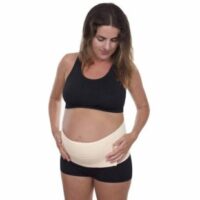 Back, Braces & Supports, Maternity, Posture
Pregnancy Belly Band & C-Section 3-in-1
$94.99Select optionsQuick View -
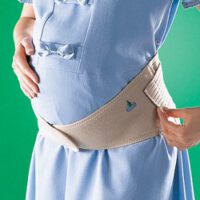 Back, Braces & Supports, Maternity, Posture
Maternity Back Support – OPPO 2062
$60.00 – $64.00Select optionsQuick View -
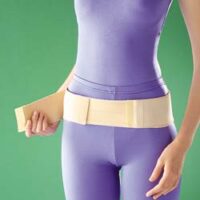 Back, Braces & Supports, Maternity, SIJ
Core Stability Support – OPPO 3462
$54.00Select optionsQuick View


References
- Diez-Buil H, Hernández-Lucas P, Leirós-Rodríguez R, Echeverría-García O. Effects of the combination of exercise and education in the treatment of low back and/or pelvic pain in pregnant women: A systematic review and meta-analysis. Int J Gynaecol Obstet. 2024;164(3):811-822. doi:10.1002/ijgo.15000.
- Santos FF, Barbosa IR, Lucena LCS, de Souza VP, da Silva Lima KC, de Carvalho MEIM. Prevention of low back and pelvic girdle pain during pregnancy: A systematic review and meta-analysis of randomised controlled trials. Eur Spine J. 2023;32(2):345-356. doi:10.1007/s00586-022-07460-3.
- National Institute for Health and Care Excellence. Antenatal care. Updated 19 August 2021. Accessed 18 March 2026.
- Pregnancy, Birth and Baby. Backache in pregnancy. Australian Government-funded consumer health service. Accessed 18 March 2026.
