Why Does Back Pain Keep Coming Back?


Recurrent Back Pain


Article by John Miller & Erin Runge

Recurrent back pain means your symptoms settle, then return again. In many people, this pattern reflects a mix of movement sensitivity, reduced strength, load errors, work or sitting habits, stress, poor recovery, and unresolved contributing factors rather than one single injured structure. The good news is that the cycle can often be reduced with the right back pain plan.

If your lower back pain keeps coming back, physiotherapy can help identify the key drivers, improve your movement confidence, and build a practical program to lower the risk of future flare-ups.


Quick Signs Your Back Pain May Be Recurring

  • pain settles, then returns with sitting, lifting, bending, or stress
  • you get repeated flare-ups after sport, work, travel, or poor sleep
  • your back feels stiff, guarded, or weak after a busy week
  • you stop exercises once pain eases, then symptoms return
  • you are unsure which movements are safe and which are too much

What Causes Recurrent Back Pain?

Recurrent back pain usually has more than one cause. Common contributors include reduced trunk and hip strength, poor load tolerance, long periods of sitting, awkward work postures, stress, poor sleep, and a return to normal activity before your back has rebuilt enough capacity.

Sometimes the recurrence pattern relates to a specific diagnosis such as lumbar facet joint pain, sciatica, a pulled back muscle, or spinal stenosis. In other cases, your pain behaves more like recurring non-specific low back pain without one dominant structure.

Research suggests recurrent episodes are common. In one prospective cohort study, 69% of participants experienced another low back pain episode within 12 months after recovery, with longer sitting time, awkward posture, and more than two prior episodes linked to higher recurrence risk.

Why Does Back Pain Keep Coming Back?

Back pain often keeps coming back because the pain settles before the underlying problem has fully improved. Your symptoms may calm faster than your strength, mobility, work tolerance, lifting control, or recovery habits improve, so the same trigger can cause another flare-up.

This is why short-term pain relief matters, but it is rarely enough on its own. The bigger goal is to reduce sensitivity, improve movement confidence, and rebuild the physical capacity needed for work, parenting, training, sport, travel, and daily life.

How Is Recurrent Back Pain Assessed?

A physiotherapy assessment looks for the main reasons your back pain keeps recurring. That usually includes your symptom history, aggravating tasks, posture, spinal movement, strength, flexibility, work set-up, training load, sleep, stress, and recovery patterns.

Imaging is not always needed. Instead, the assessment aims to work out whether your pain fits a recurring muscle, joint, disc, nerve, posture, or load-related pattern, and which factors are most likely to keep feeding the cycle.

What Type of Recurrent Back Pain Do You Have?

Repeated stiffness after sitting?
Your back pain may relate more to posture, movement sensitivity, reduced mobility, or poor sitting tolerance.

Flare-ups after lifting, gym, gardening, or work?
Your symptoms may reflect a load-management issue, reduced trunk control, or a return to activity that is too fast for your current capacity.

Back pain with leg pain, numbness, or pins and needles?
This pattern may suggest nerve irritation such as sciatica and deserves a more specific assessment.

Back pain that worsens with stress, poor sleep, or busy weeks?
Your recurrence pattern may be influenced by recovery factors, pain sensitivity, and muscle tension as well as physical loading.

Not sure which pattern fits?
That is common. Many people have a mix of these factors, which is why a tailored plan often works better than a generic back pain approach.

How Can Physiotherapy Help Recurrent Back Pain?

Physiotherapy for recurrent back pain aims to reduce pain, restore movement, and lower the risk of future flare-ups. Your program may include manual therapy, guided mobility work, strength training, pacing advice, and practical changes to sitting, lifting, sleep, and daily habits.

Exercise is one of the best-supported treatment options for ongoing low back pain. A large Cochrane review found moderate-certainty evidence that exercise is probably effective for improving pain in chronic low back pain when compared with no treatment, usual care, or placebo.

Depending on your presentation, your physiotherapist may also recommend back pain exercises, core stability training, flexibility work, or an ergonomic assessment.

Load Management for Recurrent Back Pain

Load management means finding the right balance between doing too little and doing too much. If you avoid movement for too long, your back may lose strength and confidence. If you return too hard and too fast, your symptoms may flare.

A helpful pattern is reduce, rebuild, then progress. First, calm the flare-up by modifying the aggravating load. Next, rebuild tolerance with the right exercises and movement exposure. Then, progress back to normal work, gym, sport, or daily activity with a clear plan.

Why Recurrent Back Pain Often Becomes a Cycle

Many people move through the same repeated pattern. Breaking the cycle usually means changing both the flare-up response and the recovery plan between episodes.

1. Flare-Up

Pain returns after lifting, sitting, stress, poor sleep, travel, work, or sport.

2. Over-Rest or Panic

You stop moving too much, lose confidence, or wait for the pain to completely disappear.

3. Capacity Drops

Strength, tolerance, movement confidence, and daily load capacity do not fully rebuild.

4. Symptoms Return

The same trigger causes another episode because the back is still underprepared.

How to break the cycle: calm the flare-up, keep moving within tolerance, rebuild strength and confidence, then progress back to full activity with a clear plan.

A Simple Recurrent Back Pain Recovery Pathway

1. Reduce: temporarily ease the movements or loads that are clearly flaring your symptoms.

2. Rebuild: restore confidence with the right exercises, walking, mobility work, and strength progression.

3. Progress: return gradually to lifting, sport, longer sitting, work duties, and daily activities.

4. Prevent: keep a small maintenance routine going, even when your back feels good.

What to Do During a Back Pain Flare-Up

If your recurrent back pain flares up, try not to panic. Most flare-ups settle with sensible load reduction and the right movement approach. In many cases, doing a little less for a few days is helpful, but doing nothing at all is not.

Gentle walking, changing position regularly, reducing aggravating lifting or prolonged sitting, and returning to your best-tolerated exercises can help. Heat may feel helpful for some people, while others respond better to gentle mobility. The main goal is to calm things down without becoming overly protective.

If your flare-up is becoming more severe, keeps returning more often, or starts affecting your sleep, walking, or confidence to move, it is worth getting it assessed rather than guessing.

What Can You Do Between Flare-Ups?

The best self-management plan is usually simple and repeatable. Keep moving, avoid long blocks of sitting, build trunk and hip strength, improve sleep, and keep a small exercise routine going even when you feel good.

You may also benefit from reading our guides on back pain prevention and essential back pain FAQs. These pages can help you spot common triggers early and respond before a small niggle becomes a bigger setback.

When Should You Worry About Recurrent Back Pain?

You should seek timely assessment if your recurrent back pain is getting more frequent, more severe, harder to settle, or starts to affect sleep, work, walking, or normal activity. It also deserves review if you develop leg pain, numbness, pins and needles, or weakness.

Urgent assessment is more important if you notice severe weakness, major loss of function, changes in bladder or bowel control, or pain that feels markedly different from your usual flare-up pattern.

When Physiotherapy is Worth Considering

  • your back pain keeps returning despite rest or self-management
  • you are unsure what is causing the flare-ups
  • you keep avoiding activity because you do not trust your back
  • your symptoms are affecting work, sleep, gym, sport, or family life
  • you want a clearer plan to prevent repeated episodes

Frequently Asked Questions About Recurrent Back Pain

Is recurrent back pain the same as chronic back pain?

Not always. Chronic back pain usually means pain that lasts for more than three months. Recurrent back pain means your symptoms improve, then come back in separate episodes. Some people can have both, especially if they get frequent flare-ups on top of a longer-term background ache.

Can poor posture cause recurrent back pain?

Poor posture on its own is rarely the whole story, but it can contribute when combined with long sitting, low activity, stress, or reduced strength. Back pain usually reflects a broader load and recovery problem rather than one bad posture. Variety of movement often matters more than trying to sit perfectly all day.

Should I rest when recurrent back pain flares up?

Brief relative rest can help calm an acute flare-up, but long periods of rest are usually unhelpful. Gentle walking, position changes, and graded movement are often better choices. The aim is to reduce the aggravating load without shutting down normal movement longer than necessary.

What exercises help recurrent back pain?

The best exercises depend on your pattern. Many people do well with trunk strength, hip strength, mobility work, and gradual return-to-function exercises. Programs usually work best when they match your triggers, goals, and current capacity rather than following a generic one-size-fits-all routine.

Can stress make recurrent back pain worse?

Yes. Stress can increase muscle tension, reduce sleep quality, raise pain sensitivity, and make recovery harder. That does not mean the pain is just stress. It means stress can be one of several factors that amplify a back problem and make flare-ups more likely.

When should I see a physiotherapist for recurrent back pain?

You should book an assessment if episodes keep returning, your self-management is no longer working, or your pain is affecting work, sleep, exercise, or confidence. Early guidance can often help you break the repeat flare-up cycle before it becomes more disruptive.

Related Back Pain Articles

What to Do Next

If recurrent back pain keeps interrupting your routine, do not just wait for the next flare-up. The most useful next step is to identify your triggers, assess what your back currently tolerates, and build a plan that improves both symptom control and long-term capacity.

A physiotherapist can help you work out why your back pain keeps returning and which changes are most likely to help you stay active with fewer setbacks.


Book your appointment – 24/7

Choose your preferred PhysioWorks clinic and book online.

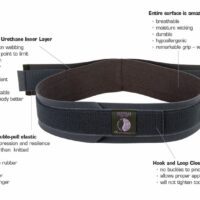
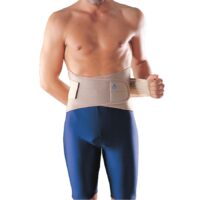
Some patients also benefit from simple support tools and home exercise products that make it easier to stay consistent between appointments.


Back Support Products

These back support products are commonly used by our physiotherapists to help reduce back pain, improve comfort, and support your recovery at home.

View all back support products


Follow PhysioWorks

Get free physiotherapy tips, exercise videos, recovery advice, and blog updates.

Facebook Instagram YouTube B X Email PhysioWorks

References

  1. da Silva T, Mills K, Brown BT, et al. Recurrence of low back pain is common: a prospective inception cohort study. J Physiother. 2019;65(3):159-165. doi:10.1016/j.jphys.2019.04.010
  2. Hayden JA, Ellis J, Ogilvie R, Malmivaara A, van Tulder MW. Exercise therapy for chronic low back pain. Cochrane Database Syst Rev. 2021;9(9):CD009790. doi:10.1002/14651858.CD009790.pub2

You've just added this product to the cart: