
Swedish Massage

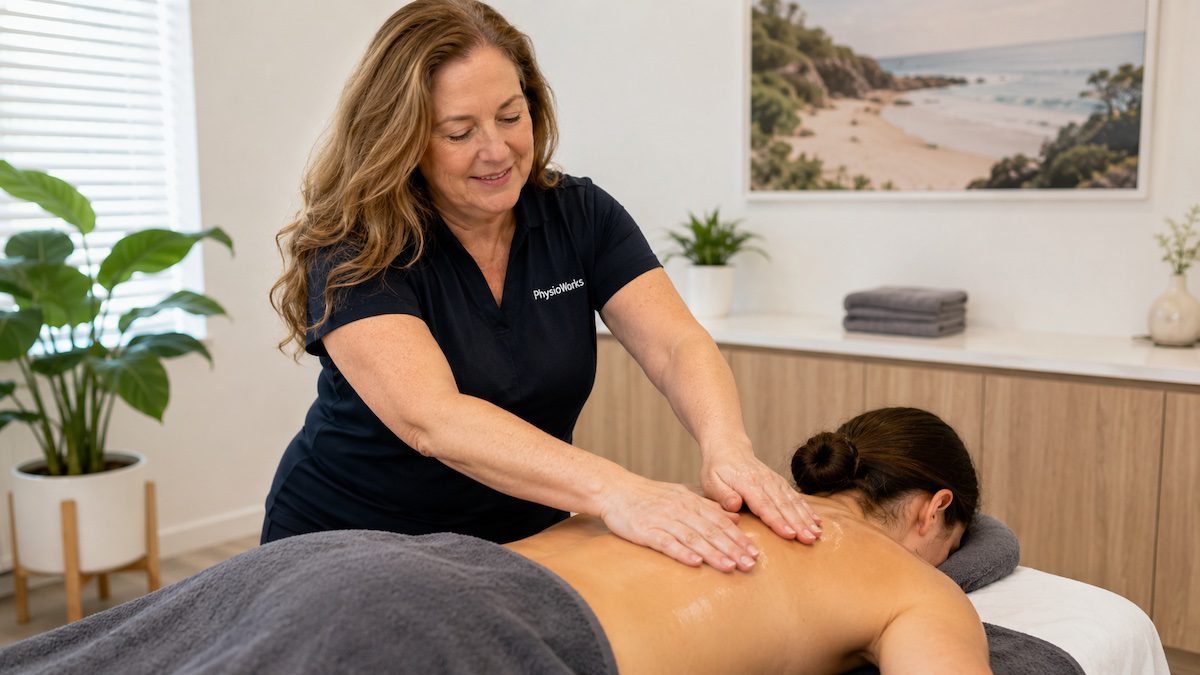
Smooth Swedish massage strokes support relaxation and comfort.
Swedish massage uses smooth, flowing strokes to help you relax and ease muscle tension. Many people choose it when stress, desk posture, training load, or poor sleep leaves them feeling tight and uncomfortable. Your therapist can keep the pressure light, moderate, or somewhere in between, depending on what feels right.
If you are comparing options, start with our Brisbane massage services hub. You can also read about relaxation massage if your goal is calm and reset.
People also ask: “Will Swedish massage help if I’m not injured?” Often, yes. Many people book it to reduce muscle tightness, settle stress, and feel looser through common “holding” areas like the neck, shoulders, and hips. Results vary, so it helps to choose a session length that matches your goals.
Book a Massage Appointment
Massage is available at selected PhysioWorks clinics. Choose your clinic or therapist below if you know who you would like to book.
Related Massage Services
If you are unsure which massage style suits you, these related pages can help you compare your options.
What is Swedish massage?
Swedish massage is a classic style of full-body massage that combines long strokes, kneading, and targeted pressure. Therapists use it to help relax the nervous system and improve comfort in tight muscles. Because the approach is adaptable, it often suits first-time massage clients and people who prefer a calmer pace.
What can Swedish massage help with?
People commonly book Swedish massage to ease general tightness, improve relaxation, and support recovery between busy weeks or training sessions. It may also help when you feel stiff through the neck, shoulders, mid-back, hips, or calves.
- Neck and shoulder tension, including patterns linked with neck pain
- Upper back and shoulder tightness, including issues linked with shoulder pain
- General back tightness, including patterns linked with back pain
- Head and upper-neck tension patterns, including cervicogenic headache
Standard Swedish massage techniques
Swedish massage can include several hands-on techniques. Your therapist can adjust the pace, pressure, and focus areas based on your comfort and goals.
Effleurage
Effleurage uses long, gliding strokes with the palms, thumbs, or fingertips. Therapists often use these strokes early to warm tissue and later to settle the body.
Petrissage
Petrissage uses kneading and lifting movements that may reduce tightness and improve how muscles and soft tissues move.
Friction
Friction uses smaller circular pressures to warm local tissue and focus on stubborn tight spots, where comfortable.
Vibration
Vibration uses gentle oscillations or shaking movements that may assist relaxation and reduce muscle guarding.
Percussion
Percussion uses rhythmic tapping or hacking strokes. Your therapist may use it selectively to stimulate circulation and energise tissue.
Passive and active movements
Your therapist may guide gentle limb movements or stretches. This can help you feel looser without forcing range.
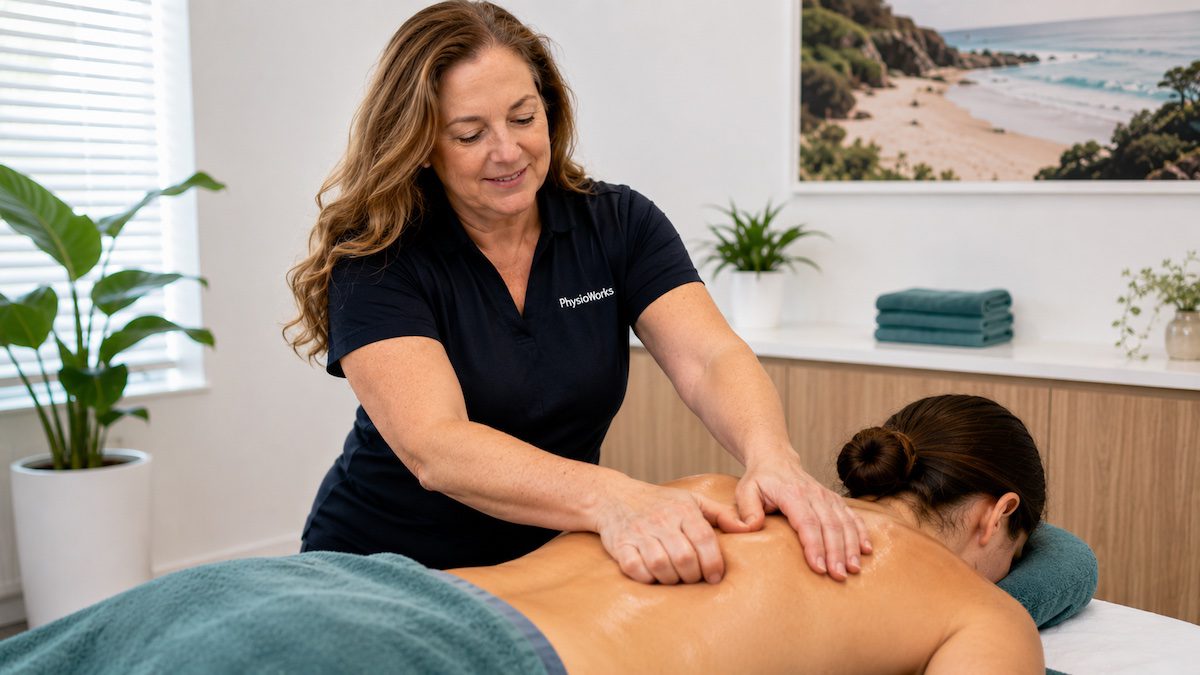
Gentle kneading can ease shoulder and upper back tension.
Swedish massage vs therapeutic vs deep tissue vs remedial
Swedish massage usually targets relaxation and general muscle comfort. In comparison, therapeutic massage may focus more on a specific region and goal, while deep tissue massage often uses firmer pressure for deeper muscle and fascia. Remedial massage may suit people who want a more structured plan around a particular problem area.
Is Swedish massage right for you?
Swedish massage may suit you if you want a calmer massage style rather than firm, targeted pressure. It is often a good option when your main goals are relaxation, general muscle comfort, and a slower reset.
Quick Guide: Choose Swedish Massage If You Want
- A calmer massage style
- Gentle-to-moderate pressure
- Help with general muscle tension
- Support for stress, poor sleep, or feeling run down
- A good first massage option before trying firmer styles
- Choose Swedish massage if you want flowing pressure, relaxation, and general tension relief.
- Choose relaxation massage if your main goal is calm, rest, and nervous system reset.
- Choose therapeutic massage if you want massage focused on a specific area or goal.
- Choose deep tissue massage if you prefer firmer pressure for deeper muscle tightness.
- Choose remedial massage if you want a more structured approach for a problem area.
What does research say about massage?
Massage research continues to grow across pain, stress, and wellbeing topics. Still, results depend on the person, the condition, and the style of massage. For an Australia-based overview, see Healthdirect’s massage therapy guide.
When massage may not be appropriate
Avoid massage over new swelling, fever, skin infections, open wounds, or unexplained severe pain. Also seek urgent medical care if you have chest pain, sudden shortness of breath, sudden weakness, or new bowel or bladder changes.
If you are unsure, discuss your symptoms with your GP or a physiotherapist before booking.
Swedish Massage FAQs
What is Swedish massage best for?
Swedish massage is commonly used for relaxation and general muscle tension. It uses flowing strokes and adaptable pressure, which can suit people who feel tight, stressed, or run down.
How is Swedish massage different from deep tissue massage?
Swedish massage usually uses gentle-to-moderate pressure and longer strokes for relaxation and general comfort. Deep tissue massage often uses firmer pressure to target deeper muscle and fascia, which can suit stubborn tightness.
What should I wear to a Swedish massage appointment?
Wear comfortable clothing to arrive and leave in. Your therapist will explain draping and positioning so you feel comfortable throughout. You can choose how much clothing to remove based on the area being treated.
How long should a Swedish massage session be?
Many people start with 60 minutes for a full-body session. A shorter session can suit one area such as the neck and shoulders, while 90 minutes can suit people who want a slower pace or more time on key tight spots.
How often should you get Swedish massage?
For general stress and muscle tension, many people book every 4 to 6 weeks. If you are in a high-load phase at work or training, weekly or fortnightly sessions may help, then you can space them out as symptoms settle.
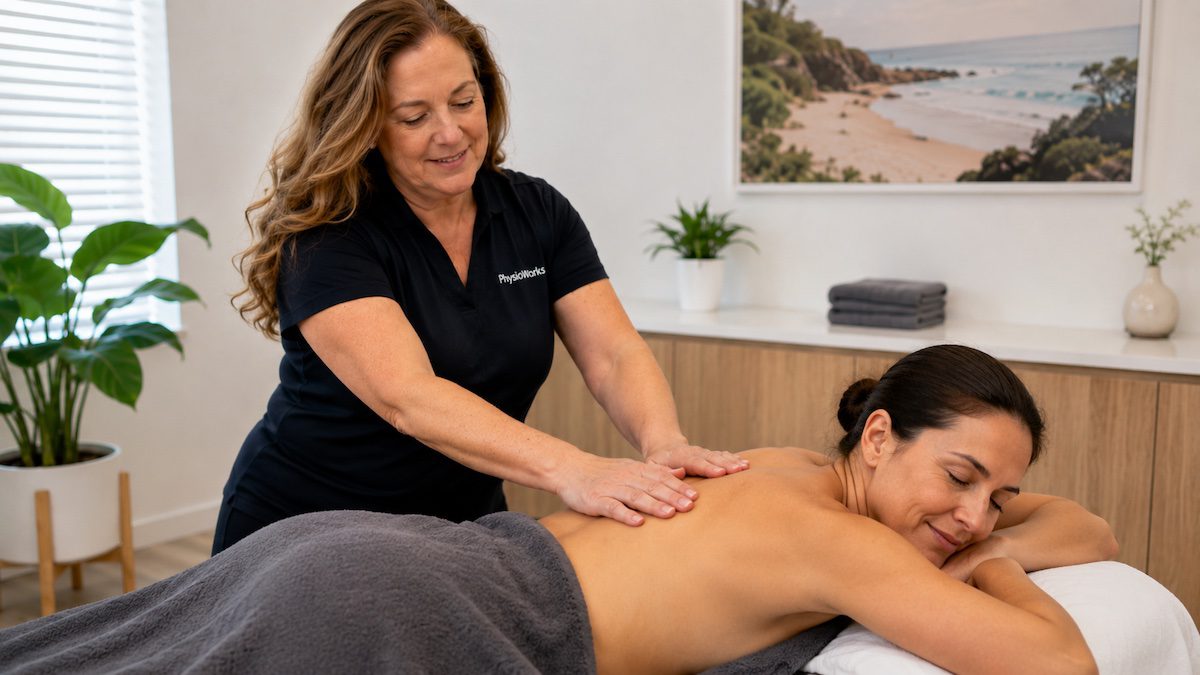
A calm finish can support comfort and confidence.
What to do next
Choose Swedish massage if your main goals are relaxation, easing tight muscles, and feeling calmer. Start with a session length that suits your schedule, then adjust based on how you respond.
If you have persistent pain or a specific injury, a physiotherapist may recommend a different approach or combine massage with exercise and hands-on care.
Massage Satisfaction Promise
We aim to provide a consistently high standard of care. If, within the first 30 minutes of your massage, you feel the treatment is not meeting your expectations, please let your massage therapist know.
You may choose to stop the session at that point, with no charge applied. This reflects our commitment to respectful, client-focused care.
Massage Products
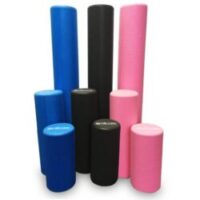
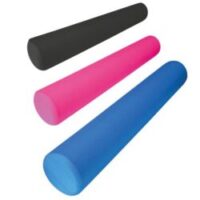
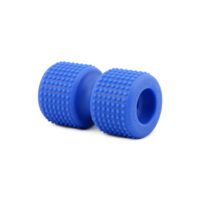
These muscle and soft tissue products are commonly used by our remedial massage therapists and physiotherapists to relax or loosen muscles.
- Pain Management, Christmas Gift Ideas, Liniments & Gels, Product Search
ActivFlex Pain Relief Gel
$21.95 – $33.00Select optionsQuick View -
 Exercise Equipment, Gift Ideas, Massage Tools
Smooth n Spiky Massage Balls (2 Pack)
$20.00Select optionsQuick View -


-


- Christmas Gift Ideas, Exercise Equipment, Gift Ideas, Massage Tools, Pain Management
Pocket Physio MAX
$24.95Select optionsQuick View -
- Liniments & Gels, Massage Liniments, Pain Management
Fisiocrem
$16.95 – $39.95Select optionsQuick View -

-
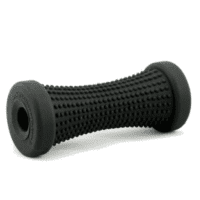
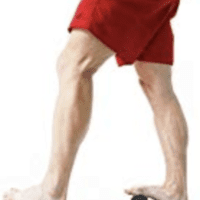 Gift Ideas, Christmas Gift Ideas, Exercise Equipment, Foot, Knee, Massage Tools, Pain Management
Footeez Lockeroom
$45.00Add to cartQuick View -
-
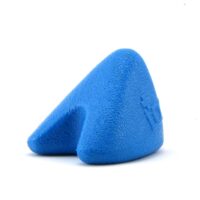
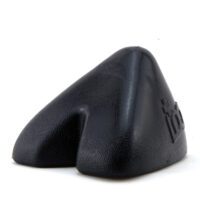
 Exercise Equipment, Back, Elbow, Foot, Massage Tools, Shoulder
Pocket Physio
$14.95Select optionsQuick View






Brisbane Massage Therapists
Massage therapists who consult to PhysioWorks operate independently-owned businesses. They tailor each session to your preferences, comfort, and goals.
Remedial Massage Therapists
Our remedial massage therapists help relieve muscle tension, improve flexibility, reduce soft tissue pain, and support recovery from training loads, desk posture, and everyday physical stress.
Brendan Scott

Debbie Cox

Ashish Shrestha


References
- Naderi A, et al. Can a six-week Swedish massage reduce mood disorders and improve quality of life in people with multiple sclerosis? PubMed. 2024.
- Mak S, Allen J, Begashaw M, et al. Use of massage therapy for pain, 2018-2023: a systematic review. JAMA Netw Open. 2024;7(7):e2422259. doi:10.1001/jamanetworkopen.2024.22259
- Brilhadori J, et al. Effects of massage therapy on anxiety, depression, stress, pain, quality of life, and immune aspects in people living with HIV: a systematic review and meta-analysis. PubMed. 2025.
- Sahraei F, et al. The effect of Swedish massage on pain in rheumatoid arthritis patients. PubMed. 2022.
- Asgarimoghadam A, Ravari A, Mirzaei T, Kamiab Z, Abbasifard M. Swedish massage versus hip strengthening exercises for pain and function in older adults with knee osteoarthritis: a randomized controlled trial. Aging Clin Exp Res. 2026.
