
Degenerative Disc Disease



Degenerative disc disease physiotherapy may help if back or neck pain, stiffness, or flare-ups are limiting your daily life. Disc changes are common with ageing. However, scan findings do not always match pain. Your symptoms, movement, strength and daily function matter most.
This page explains degenerative disc disease (DDD), common symptoms, and what a physiotherapist may recommend. It also links to related guides on spinal physiotherapy, lower back pain and sciatica.
Quick answer: Degenerative disc disease describes age-related spinal disc changes. It may contribute to back or neck pain, but many people with disc changes have no pain.
What usually helps: a clear plan for movement, strength, pacing, flare-up control and gradual return to work, exercise or sport.
Read more: What causes lower back pain?
What Is Degenerative Disc Disease?
Degenerative disc disease describes age-related changes in the spinal discs. Discs sit between vertebrae and help absorb load. Over time, discs can lose hydration and height. This may affect flexibility and how the spine shares force during sitting, bending, lifting and walking.
The outer disc layer, called the annulus, can also develop small cracks. These changes are common from midlife onwards. They do not always cause pain, so your physiotherapist will usually look at your symptoms, movement pattern, nerve function and activity tolerance rather than relying on imaging alone.
Why Does Degenerative Disc Disease Happen?
DDD usually develops over years. Age plays a major role. Smoking, reduced physical activity, repeated heavy lifting, longer sitting periods and previous injury may also influence symptoms or flare-ups for some people.
Genetics can also affect disc health. This means two people may have similar scan findings but very different symptoms. One person may feel pain with bending or sitting. Another may feel little or no pain.
Read more: Lower back pain FAQs
Common Degenerative Disc Disease Symptoms
Symptoms vary. Some people have mild stiffness. Others get recurring flare-ups that affect work, sleep, exercise or driving.
- Persistent or recurring lower back pain or neck pain
- Stiffness after sitting, driving or waking
- Pain with bending, twisting or lifting
- Flare-ups after a sudden rise in work, gym or sport load
- Referred pain into the hips, buttocks or upper back
- Reduced confidence with lifting, sitting, walking or exercise
If nerve irritation occurs, you may notice pins and needles, numbness, burning pain or weakness. In that case, a physiotherapist can assess your nerve function and discuss whether further medical review or imaging may be appropriate.
Is This Likely to Be DDD-Related Pain?
DDD-related symptoms often behave like a load-tolerance problem. Pain may flare after too much sitting, bending, lifting, driving or sudden activity increase. It may ease when you change position, pace activity and rebuild strength gradually.
Other conditions can feel similar. These include bulging disc, lumbar facet joint pain, sacroiliac joint pain and spinal stenosis.
How Is Degenerative Disc Disease Diagnosed?
Imaging such as X-ray or MRI can show disc changes. However, scans do not always explain pain. A physiotherapy assessment helps clarify likely pain drivers, check nerve function, test movement tolerance and guide a plan that suits your goals.
Your assessment may include spinal movement tests, hip movement, strength testing, walking tolerance, nerve screening and a review of work, sport and daily load. Your physiotherapist can also discuss when imaging or medical review may be useful.
Why Scan Findings Do Not Always Equal Pain
Disc degeneration is common in people with and without symptoms. This can be reassuring. It means your pain is not always a simple sign of damage, and it also means many people can improve their function with a structured plan.
Research has shown that spinal degeneration findings are common in people without back pain. This is why your symptoms, movement pattern and goals should guide management, not the scan report alone. This spinal degeneration imaging review explains why scan findings need clinical context.
How Degenerative Disc Disease Physiotherapy May Help
Physiotherapy aims to improve how your spine tolerates load and movement. Your plan often combines education, graded activity, mobility work and progressive strengthening. Many people find this approach helps reduce flare-ups over time.
| Goal | What physiotherapy may include |
|---|---|
| Reduce flare-ups | Pacing, symptom-calming positions and gradual activity planning |
| Improve movement | Gentle mobility, walking plans and movement confidence drills |
| Build spinal support | Trunk, hip and whole-body strengthening |
| Return to function | Work, lifting, gym, sport and driving progressions |
Pain and Flare-Up Control
Early care often focuses on calming symptoms and improving confidence with movement. Your physiotherapist may guide pacing, positions to reduce irritation, and a simple routine you can repeat during flare-ups.
Read more: Back pain physiotherapy treatment options
Mobility and Movement Options
Gentle mobility work can reduce guarding and help you move more freely. Many people do well with frequent short movement breaks rather than long periods in one posture.
Strength and Spinal Support
Strength work often targets trunk and hip muscles to improve spinal support during daily tasks. Core training should feel controlled and progressive, not exhausting or painful.
Read more: Core stability training

Restoring Function for Work and Sport
Your physiotherapist can tailor exercise to your job, sport and daily demands. This may include lifting technique, return-to-gym guidance, walking progressions and a plan to build tolerance for sitting, standing or driving.
Should You Keep Moving?
For many people, gentle movement helps more than complete rest. Short walks, position changes and light mobility can help maintain confidence while symptoms settle.
During a flare-up, reduce the intensity first. Avoid pushing through sharp, spreading or worsening symptoms. Then rebuild gradually as your pain and movement tolerance improve.
Is Degenerative Disc Disease Serious?
DDD can sound alarming, but disc changes are common and do not always cause pain. Symptoms often improve when you build movement confidence, improve strength and manage flare-up triggers.
Seek urgent medical care if back pain is linked with new bladder or bowel changes, saddle numbness, major or worsening leg weakness, fever, unexplained weight loss, or severe pain after trauma.
These symptoms are uncommon, but they need prompt medical assessment.
Helpful PhysioWorks Links
- Spinal physiotherapy
- Lower back pain
- Sciatica
- Neck pain
- Bulging disc
- Lumbar facet joint pain
- Sacroiliac joint pain
- Spinal stenosis
- Spondylosis
- Back pain physiotherapy
- Pilates for back pain
- Exercises for back pain
Degenerative Disc Disease FAQs
Why does degenerative disc disease happen?
DDD happens mainly due to age-related disc changes. Smoking, reduced activity, repeated heavy loading and previous injury may increase symptoms or flare-ups for some people.
How serious is degenerative disc disease?
Severity varies. Some people have no symptoms. Others have stronger pain during flare-ups. Symptoms often improve with a structured plan focused on movement, strength and load tolerance.
Who is most affected?
DDD becomes more common from midlife onwards. People with physically demanding work, long sitting hours, smoking history or low activity levels may report symptoms more often.
Where is degenerative disc disease most common?
DDD often affects the lumbar spine, which is the lower back, and the cervical spine, which is the neck.
When should I see a physiotherapist?
Consider booking an assessment when pain persists for more than a couple of weeks, limits work or sleep, or keeps returning with the same triggers.
What exercises can help degenerative disc disease?
Many people benefit from progressive strengthening, walking, mobility work and core stability training. Pilates, yoga and swimming may also help when tailored to your symptoms and tolerance.

What to Do Next
If your back or neck symptoms keep returning, a physiotherapist may assess how your spine loads during work, exercise and daily movement. This can help identify the movements, postures or activity spikes that keep triggering flare-ups.
Many people find that a clear plan for strength, mobility and pacing helps reduce flare-ups and improves confidence. Book an appointment if symptoms are limiting work, sleep, exercise, walking, lifting or daily life.
Choose your clinic and appointment pathway
Select a PhysioWorks clinic to continue to live booking, an appointment request or reception assistance.
Back Support Products
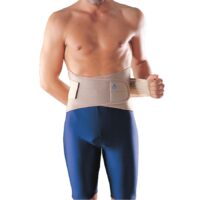
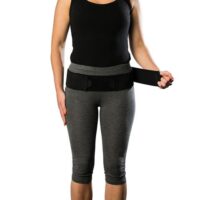
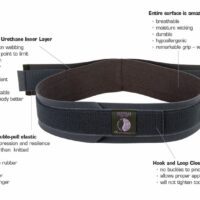
These back support products are commonly used by our physiotherapists to help reduce back pain, improve comfort, and support your recovery at home.
-

 Back, Braces & Supports, Maternity, Posture
Pregnancy Belly Band & C-Section 3-in-1
$94.99Select optionsQuick View - Braces & Supports, Back, Maternity, SIJ
AOM38 AllCare Ortho Core Stability Belt
$49.95Select optionsQuick View -

-
-
-
 Braces & Supports, Back, Maternity, SIJ
Maternity Support Belt – OPPO 4062
$37.00Select optionsQuick View -
 Back, Braces & Supports, Maternity, SIJ
Core Stability Support – OPPO 3462
$54.00Select optionsQuick View -
 Back, Braces & Supports, Maternity, Posture
Maternity Back Support – OPPO 2062
$60.00 – $64.00Select optionsQuick View

Back Pain Tips: 7 Evidence-Based Ways to Move Better, Hurt Less & Recover Faster
A Physiotherapist’s Guide to a Stronger, Healthier Back
Discover practical, research-based strategies to ease back pain, move with confidence, and build long-term strength. Written by physiotherapist John Miller, this concise guide blends science and decades of clinical experience to help you recover faster and stay active for life.
- Clear, actionable advice grounded in current research
- Whole-person approach: movement, sleep, mindset and care team
- Includes a quick flare-up plan, FAQs and daily habits

Follow PhysioWorks
Follow PhysioWorks for practical tips on managing back pain, flare-ups and staying active.


References
- Hartvigsen J, Hancock MJ, Kongsted A, et al. What low back pain is and why we need to pay attention. Lancet. 2018;391(10137):2356-2367. doi:10.1016/S0140-6736(18)30480-X
- George SZ, Fritz JM, Silfies SP, et al. Interventions for the Management of Acute and Chronic Low Back Pain: Revision 2021. J Orthop Sports Phys Ther. 2021;51(11):CPG1-CPG60. doi:10.2519/jospt.2021.0304
- Brinjikji W, Luetmer PH, Comstock B, et al. Systematic literature review of imaging features of spinal degeneration in asymptomatic populations. AJNR Am J Neuroradiol. 2015;36(4):811-816. doi:10.3174/ajnr.A4173
