
TENS Machine Guide
TENS Machine Guide
Understand how TENS works, how to use it safely and how to choose a TENS machine for home pain management.
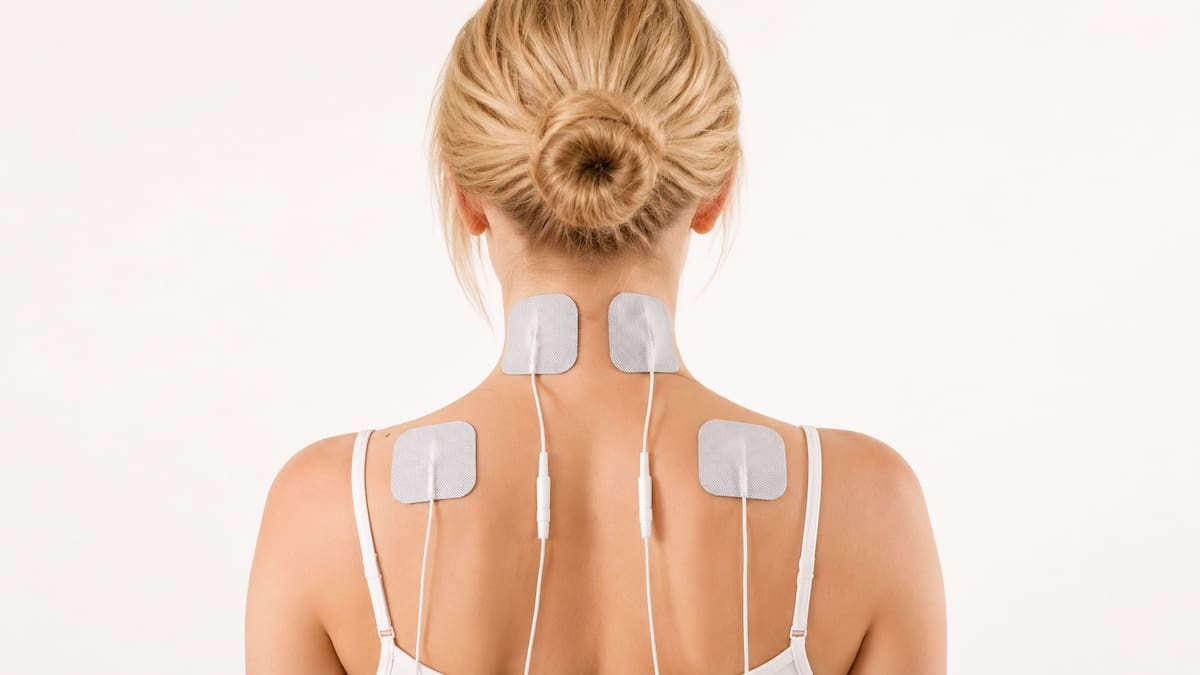
What Do You Need to Know About TENS?
Understand TENS
Learn what a TENS machine does, what the electrical stimulation feels like and where it may fit into pain management.
Use TENS Safely
Review practical setup, electrode placement, treatment duration and important safety considerations.
Find TENS Pad Placement Guidance
See practical guidance for positioning TENS electrodes around common pain areas.
Compare TENS Machines
View TENS machines, electrode pads and related options available through PhysioWorks.
What Is a TENS Machine?
TENS stands for transcutaneous electrical nerve stimulation. A TENS unit connects to adhesive electrode pads positioned on healthy skin near the area where pain relief is being targeted.
The device delivers adjustable electrical stimulation through the pads. You will usually feel tingling or buzzing rather than pain.
TENS is primarily used for symptom management. It does not correct the underlying cause of pain. For a more detailed clinical explanation, read our guide to TENS machine therapy for pain management.
Main purpose
Temporary pain relief or symptom management.
What you feel
Usually a comfortable tingling, buzzing or pulsing sensation.
What TENS does not do
It does not diagnose or correct the underlying cause of pain.
Can TENS Help with Pain?
Research suggests that TENS can reduce pain intensity for some people while it is being used and, in some cases, for a period afterwards. Responses vary between individuals and conditions.
TENS may be considered as part of the management of musculoskeletal pain, some nerve-related pain and selected post-operative pain. It can also provide a drug-free pain-management option for people who find it helpful.
Potentially relevant presentations include back pain, neck pain, sciatica, osteoarthritis-related pain and some persistent pain presentations.
However, frequent or increasing reliance on TENS can be a reason to reconsider the underlying problem rather than simply increasing stimulation. New, worsening or changing pain may require assessment.
TENS Machine Benefits and Limitations
Portable pain support
Most home TENS units are small enough to use during ordinary daily activities when this can be done safely.
Adjustable stimulation
Intensity and treatment modes can generally be adjusted according to comfort and the device instructions.
Drug-free option
TENS may provide an additional symptom-management strategy without adding medication.
Temporary effect
Any benefit is generally symptom-focused. TENS does not replace rehabilitation, appropriate exercise or investigation when required.
TENS Machine vs EMS Machine
TENS and EMS use electrical stimulation for different purposes. A TENS machine is primarily used for pain management. An EMS machine, or electrical muscle stimulation device, is designed to produce muscle contractions.
Some devices provide both TENS and EMS functions. However, the settings and intended use differ. Read our guide to EMS machines and the difference between EMS and TENS before choosing a combined device.
How Do You Choose a TENS Machine?
The best TENS machine for you depends on where you plan to use it, how comfortable you are adjusting the controls and whether you need simple pain stimulation or additional features.
Simple home pain relief
A straightforward TENS unit may be enough when easy setup and uncomplicated controls are the priorities.
More placement flexibility
Multiple channels may allow more electrode pads to be used around a larger or differently shaped area.
TENS plus muscle stimulation
A combined TENS and EMS unit may be appropriate when both pain management and clinically guided muscle stimulation are required.
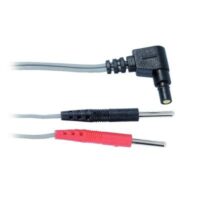
Also consider the clarity of the controls, replacement-pad availability, lead quality, portability and the manufacturer’s instructions.
Where Should TENS Pads Be Placed?
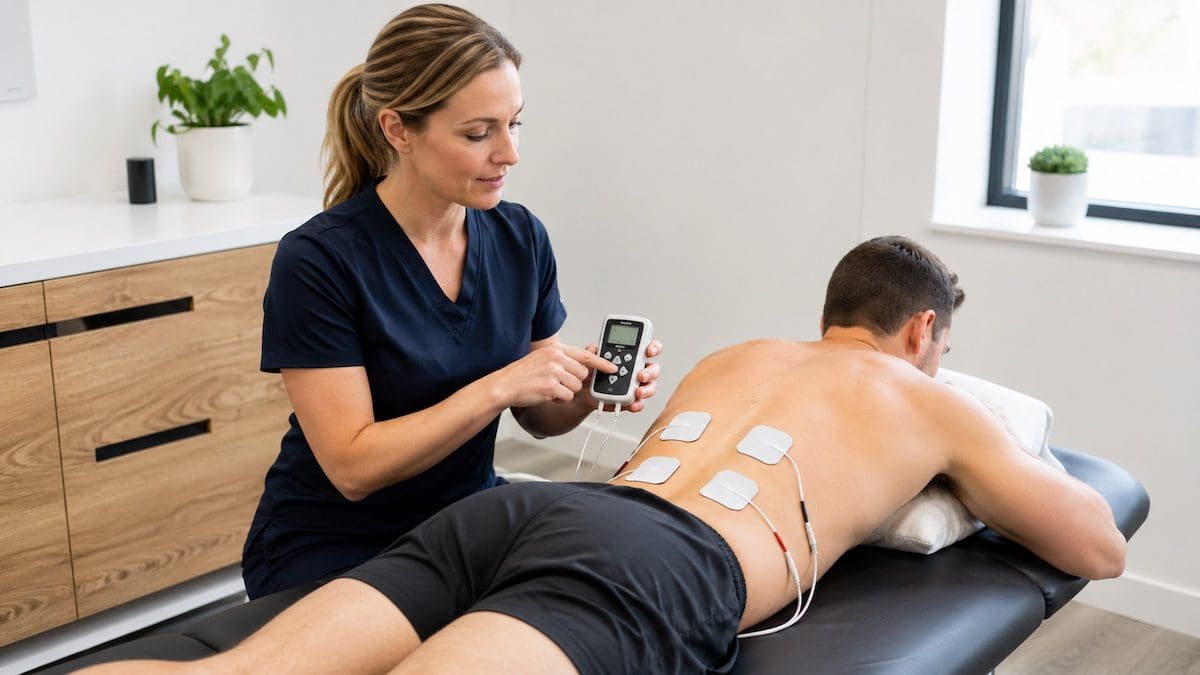
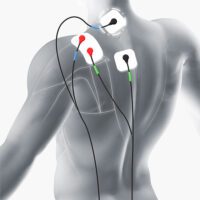
Place TENS electrodes on clean, healthy skin around the painful area rather than directly on damaged or irritated skin. Positioning varies according to the body area and the purpose of treatment.
- Lower back: pads are commonly positioned around the painful region rather than directly over the central bony spine.
- Neck and shoulder: pads may be positioned around the painful region while avoiding the front of the neck.
- Knee: electrodes may be positioned around the joint according to the pain location and device instructions.
For more detailed examples, see the TENS electrode placement guide or read how to use a TENS machine.
When Should You Avoid Using TENS?
- Do not use TENS with a pacemaker, implanted defibrillator or another implanted electronic device unless the treating medical team has confirmed that it is appropriate.
- Do not place electrodes over the front of the neck, eyes, head, broken skin or infected skin.
- Seek professional advice before using TENS if you are pregnant, have epilepsy, have significantly altered skin sensation or have another condition that may affect safe electrical stimulation.
- Do not use TENS while driving, bathing, showering or sleeping.
Stop using the device if stimulation causes significant skin irritation, dizziness, unusual symptoms or worsening pain. Seek appropriate medical advice if symptoms are concerning.
When Should You See a Physiotherapist?
TENS can make pain easier to manage, but pain relief and diagnosis are different jobs. Consider a physiotherapy assessment if your pain is new, worsening, spreading, repeatedly returning or affecting your normal activities.
A physiotherapist can assess the likely contributors to your symptoms and advise whether treatment should focus on mobility, strength, exercise, activity modification or another management strategy. TENS may then be used as an additional symptom-management tool when appropriate.
Learn more about musculoskeletal physiotherapy.
TENS Machine FAQs
What is a TENS machine used for?
A TENS machine is mainly used for temporary pain relief. It may help some people manage musculoskeletal, nerve-related or post-operative pain as part of a broader management plan.
Can I use a TENS machine every day?
Some people use TENS regularly. Follow the instructions supplied with your device and keep stimulation comfortable. Stop if your skin becomes irritated or your symptoms worsen.
Where should I place TENS pads?
Place electrodes on healthy skin around the painful region. Avoid the front of the neck, eyes, head, broken skin and infected skin. Follow the manufacturer’s instructions for the body area being treated.
How long should a TENS session last?
Session duration varies between devices, settings and individual needs. Follow the device instructions and professional advice rather than assuming one treatment duration suits everyone.
Can I use a TENS machine with a pacemaker?
Do not use TENS with a pacemaker, implanted defibrillator or similar implanted electronic device unless your treating medical team has confirmed that it is appropriate.
Does a TENS machine fix the cause of pain?
No. TENS may reduce pain symptoms temporarily, but it does not correct the underlying reason for pain. Assessment and rehabilitation may still be required.
What to Do Next
If you want a TENS machine for home use, compare the available options and choose a device that matches your intended use and confidence with the controls.
If you are unsure why you have pain, or symptoms are changing rather than improving, assessment may be more useful than simply increasing TENS use.
References
- Johnson MI, Paley CA, Jones G, Mulvey MR, Wittkopf PG. Efficacy and safety of transcutaneous electrical nerve stimulation (TENS) for acute and chronic pain in adults: a systematic review and meta-analysis of 381 studies. BMJ Open. 2022;12(2):e051073. doi:10.1136/bmjopen-2021-051073.
- Paley CA, Wittkopf PG, Jones G, Johnson MI. Does TENS reduce the intensity of acute and chronic pain? A comprehensive appraisal of the characteristics and outcomes of 169 reviews and 49 meta-analyses. Medicina. 2021;57(10):1060. doi:10.3390/medicina57101060.
- Viderman D, Nabidollayeva F, Aubakirova M, et al. The impact of transcutaneous electrical nerve stimulation (TENS) on acute pain and other postoperative outcomes: a systematic review with meta-analysis. Journal of Clinical Medicine. 2024;13(2):427. doi:10.3390/jcm13020427.
- Teoli D, Dua A, An J. Transcutaneous Electrical Nerve Stimulation. In: StatPearls. StatPearls Publishing; updated 2024.
- Healthdirect Australia. TENS — transcutaneous electrical nerve stimulation.
TENS Machine Products
These TENS machines and accessories are commonly used to help manage pain at home. They work best when combined with a tailored physiotherapy plan.
- Pain Management, Christmas Gift Ideas, Gift Ideas, TENS Machine, TENS Machine & EMS
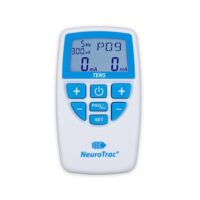
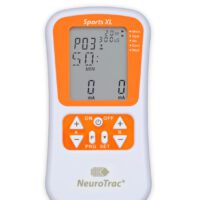
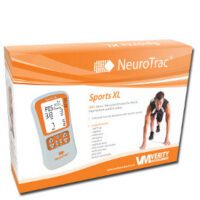
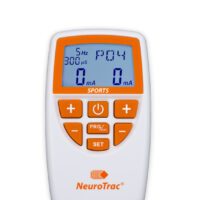
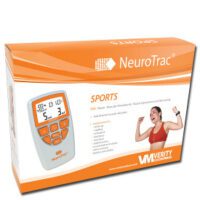
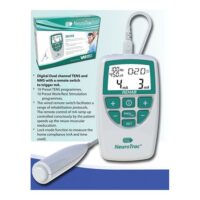
NeuroTrac TENS Machine
$219.00Add to cartQuick View -
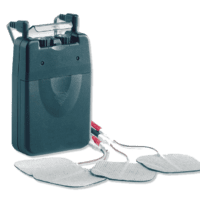
 TENS Electrodes & Leads, TENS Machine & EMS
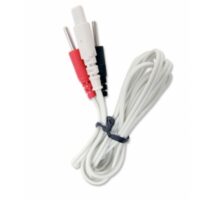
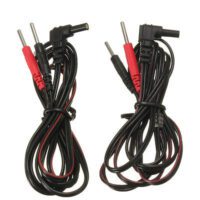
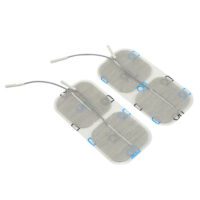
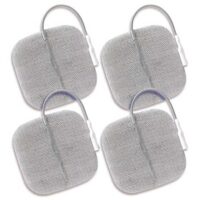
TENS Electrodes: AllCare
$10.00 – $16.00Select optionsQuick View -
- TENS Electrodes & Leads, TENS Machine & EMS
TENS Electrodes: PALS Platinum
$22.00 – $29.50Select optionsQuick View - TENS Machine & EMS, Gift Ideas, Pain Management, TENS Machine
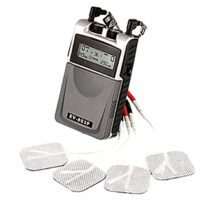
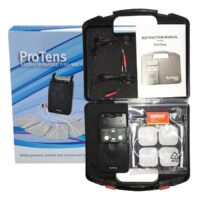
Pro Tens Machine
$69.95Add to cartQuick View - EMS Machines, Pain Management, TENS Machine, TENS Machine & EMS
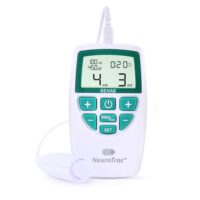
NeuroTrac Rehab (TENS Machine + EMS)
$285.00Add to cartQuick View
Choose your clinic and appointment pathway
Select a PhysioWorks clinic to continue to live booking, an appointment request or reception assistance.
