
Back Pain Physiotherapy


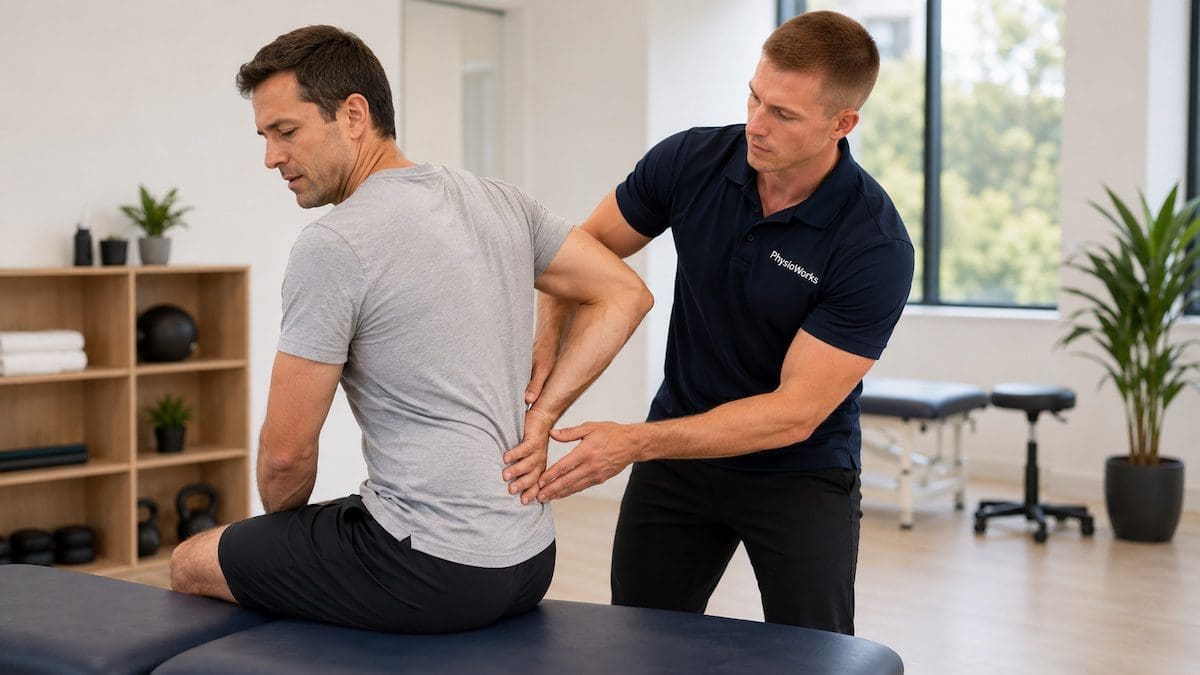
Lumbar spine assessment for back pain physiotherapy.
Back Pain Physiotherapy helps you understand your pain, move with less fear, and rebuild strength. If you have stiffness, spasm, a sudden flare-up, or repeat back pain, your physio will assess how your spine, hips, nerves, muscles, work, sleep, and daily habits may be involved.
Back pain may come from a pulled back muscle, disc irritation, lumbar facet joint pain, sciatica, spinal joint changes, poor lifting habits, or load that has built up too fast. Care often combines clear advice, graded motion, strength work, and a plan for return to work, sport, parenting, gym, and daily tasks.
Quick answer: Back pain physiotherapy checks what drives your pain and gives you a clear plan. Treatment may include advice, exercise, hands-on care, pacing, walking, lifting practice, and a staged return to normal activity.
What Is Back Pain Physiotherapy?
Back pain physiotherapy is a clear plan for upper, middle, or lower back pain. Your physio will ask how the pain started, what makes it worse, what eases it, and what you need to do at home, work, or sport.
Your plan may use exercise, motion retraining, pacing, hands-on care, and simple self-care. It may also include help with sleep posture, sitting tolerance, walking, lifting, gym work, and desk setup.
Best Fit for This Page
- Good fit: back pain that limits sitting, bending, lifting, walking, work, sport, or sleep.
- Good fit: repeat flare-ups where you need a clearer plan.
- Needs urgent care: back pain with new bladder or bowel changes, saddle numbness, major trauma, fever, or fast leg weakness.
What Happens at Your First Visit?
Your first visit aims to find the likely drivers of your pain. Your physio will talk through your symptoms, health history, goals, job demands, sport, and daily load.
They may check spinal motion, hip motion, strength, nerve signs, and simple tasks such as bending, sitting, walking, or lifting. This helps shape a plan that fits your pain level and goals.
How Can Physio Help Back Pain?
Back pain care works best when it matches your stage. A fresh flare-up may need calm motion, pain relief steps, and advice. A longer-term problem often needs strength, fitness, pacing, and trust with normal activity.
Reduce Pain and Guarding
Pain can make your back muscles tighten and make motion feel unsafe. Your plan may use gentle motion, pacing, heat advice, and selected hands-on care to settle symptoms.
Restore Motion
Stiff spinal motion, hip stiffness, and fear of bending can keep pain going. Motion work and graded exposure help you practise safe motion in steps.
Build Core and Hip Strength
Your trunk, hips, and pelvis help share load through your back. A physio may prescribe control and strength drills that build stamina over time. Our deep core retraining guide explains this role.
Improve Lifting and Work Habits
Back pain may be linked with long sitting, repeat bending, heavy lifting, or a poor desk setup. An desk check may help if work tasks keep stirring your pain. You can also read our guide to good back posture.
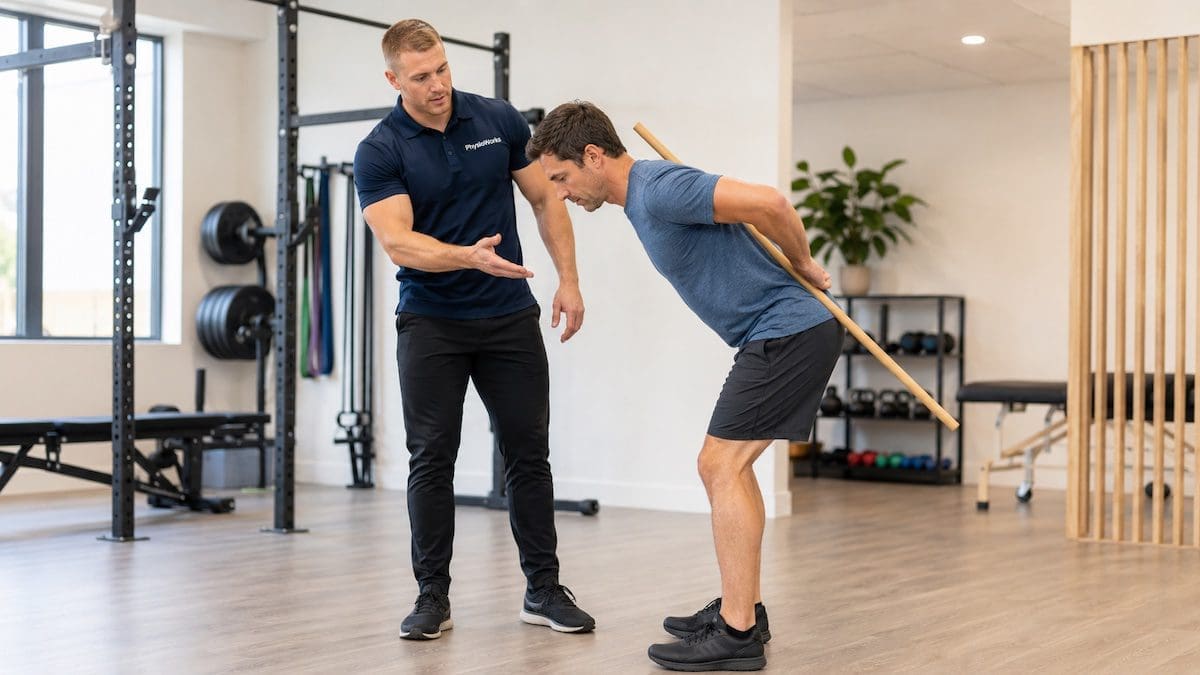
Hip hinge retraining supports safer bending.
What Back Problems May Physio Help?
Back pain physiotherapy may help many common back and spine problems. Your plan will depend on your cause, pain level, motion, goals, and health.
Back Pain Treatment Plan: Early, Middle, and Later Stages
Back pain recovery is often a step-by-step process. The table below shows how care may change as pain settles and function improves.
| Stage | Main Aim | Common Focus |
|---|---|---|
| Early | Settle pain | Advice, walking, light motion, pacing, sleep tips |
| Middle | Restore control | Motion, trunk and hip strength, hinge practice |
| Later | Build strength | Lifting, gym work, sport drills, work tasks |
What Exercises Help Back Pain?
Helpful exercises depend on your pain level and what you need to return to. Common options include walking, gentle motion drills, hip hinge practice, trunk control, glute work, and graded strength work.
Start simple. Then build load as pain allows. Our back exercises guide covers early options. When you are ready for more load, our gym back exercises page explains safer steps.
Should You Rest or Stay Active?
Long bed rest is rarely the best plan for simple back pain. Most people do better with gentle motion, walking, and moving often. Activity should stay within a level that does not cause a strong flare.
Simple Load Check
- Green: mild pain that settles within 24 hours. Keep going.
- Amber: pain rises and lasts into the next day. Reduce load.
- Red: sharp pain, spreading leg symptoms, numbness, or weakness. Get advice.
When Should You See a Physio for Back Pain?
Book a check if pain lasts more than one to two weeks, keeps coming back, spreads into your leg, or limits sitting, sleep, lifting, walking, work, or sport.
Seek urgent health care if you have new bladder or bowel changes, numbness around the saddle area, major trauma, fever, unknown weight loss, a history of cancer, or fast leg weakness.
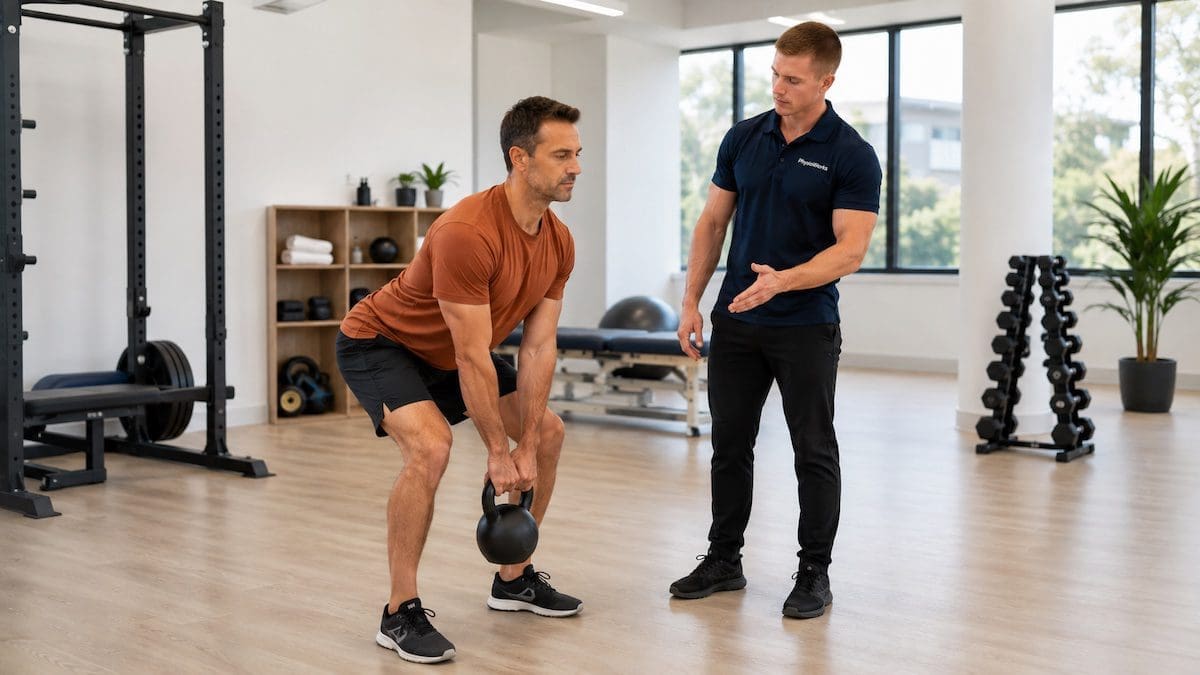
Lifting retraining builds trust after back pain.
What to Do Next
If back pain is limiting your life, keep moving gently within safe limits. Avoid heavy lifting, sudden twisting, or long bed rest during a flare. Start with simple motion and walking. Then add strength and lifting practice when pain allows.
A clear plan can help you avoid the boom-bust cycle of doing too much, flaring up, then stopping again. If symptoms keep returning, Back Pain Physiotherapy can help you rebuild motion, strength, and trust.
Related Back Pain Guides
Back Pain Physiotherapy FAQs
How long does back pain physio take?
Some people improve within a few sessions. Others need some weeks. Time frames depend on the cause, pain level, time, strength, health, work load, and how often you practise your plan.
Can physio help long-term back pain?
Yes, it may help many people. Care often uses advice, exercise, pacing, strength work, and a steady return to daily tasks. The plan should match your symptoms, goals, and daily demands.
Should I rest completely with back pain?
Often, no. Long rest can make motion feel harder. Gentle walking, light motion, and moving often help more than stopping fully, as long as symptoms stay manageable.
Can physio help a bulging disc?
Physio may help with symptoms linked to disc irritation. Care may include graded motion, strength work, posture advice, pacing, and return-to-activity planning. Leg pain, numbness, or weakness should be checked.
What exercises are used for back pain?
Common options include walking, motion drills, hip hinge practice, trunk control, glute strength, lifting practice, and graded gym work. Your physio should match exercises to your pain and goals.
When is back pain serious?
Seek urgent health advice if back pain comes with bladder or bowel changes, saddle numbness, fast leg weakness, fever, major trauma, unknown weight loss, cancer history, or severe pain that does not ease.
Book your appointment – 24/7
Choose your preferred PhysioWorks clinic and book online.
Back Support Products
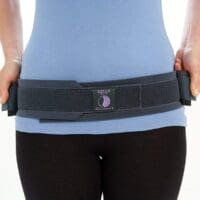
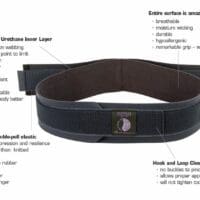
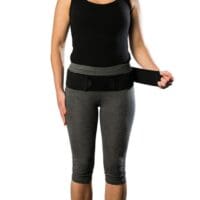
These back support products are commonly used by our physiotherapists to help reduce back pain, improve comfort, and support your recovery at home.
-

-
 Back, Braces & Supports, Maternity, SIJ
Core Stability Support – OPPO 3462
$54.00Select optionsQuick View -

 Back, Braces & Supports, Maternity, Posture
Pregnancy Belly Band & C-Section 3-in-1
$94.99Select optionsQuick View -
-
 Braces & Supports, Back, Maternity, SIJ
Maternity Support Belt – OPPO 4062
$37.00Select optionsQuick View -
-
 Back, Braces & Supports, Maternity, Posture
Maternity Back Support – OPPO 2062
$60.00 – $64.00Select optionsQuick View - Braces & Supports, Back, Maternity, SIJ
AOM38 AllCare Ortho Core Stability Belt
$49.95Select optionsQuick View
Back Pain Tips: 7 Evidence-Based Ways to Move Better, Hurt Less & Recover Faster
A Physiotherapist’s Guide to a Stronger, Healthier Back
Discover practical, research-based strategies to ease back pain, move with confidence, and build long-term strength. Written by physiotherapist John Miller, this concise guide blends science and decades of clinical experience to help you recover faster and stay active for life.
- Clear, actionable advice grounded in current research
- Whole-person approach: movement, sleep, mindset and care team
- Includes a quick flare-up plan, FAQs and daily habits
Follow PhysioWorks
Get free physiotherapy tips, exercise videos, recovery advice, and blog updates.
 |  |  | B |  |  |
References
- George SZ, Fritz JM, Silfies SP, et al. Interventions for the Management of Acute and Chronic Low Back Pain: Revision 2021. J Orthop Sports Phys Ther. 2021;51(11):CPG1-C60.
- World Health Organization. WHO guideline for non-surgical management of chronic primary low back pain in adults in primary and community care settings. World Health Organization; 2023.
- Hayden JA, Ellis J, Ogilvie R, Malmivaara A, van Tulder MW. Exercise therapy for chronic low back pain. Cochrane Database Syst Rev. 2021;9(9):CD009790.
- Pocovi NC, Almeida MO, Hodges PW, et al. Effectiveness and cost-effectiveness of an individualised, progressive walking and education intervention for the prevention of low back pain recurrence in Australia (WalkBack): a randomised controlled trial. Lancet. 2024;404(10453):1349-1360.
- Zhou T, Bury A, Diwan AD, et al. Recent clinical practice guidelines for the management of low back pain: a global comparison. BMJ Open. 2024;14:e079962.