
Back Pain Exercises


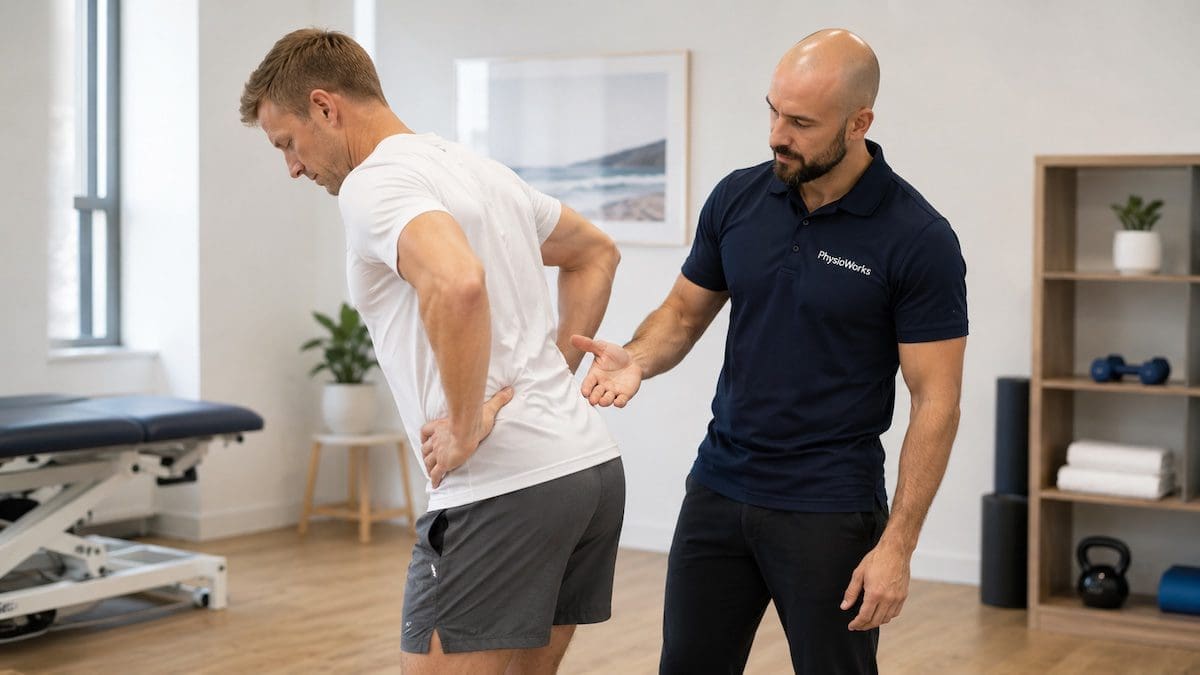
Back pain exercises should match your symptoms, movement tolerance, and recovery goals.
Back pain exercises are movements used to improve spinal mobility, trunk control, strength, and confidence with daily activity. The right program may help reduce stiffness, improve load tolerance, and support recovery, but the best exercises depend on how your symptoms behave.
If you are dealing with back pain, a structured exercise program can help you move with more confidence and reduce the risk of future flare-ups. Exercise is often used alongside back pain physiotherapy to improve flexibility, strength, posture, and daily function.
However, not every exercise suits every person. Some presentations respond well to mobility work, while others need more focus on core stability exercises, flexibility, walking, or gradual strength rebuilding. A physiotherapist can help match the exercise type to the cause of your symptoms, whether that is lower back pain, sciatica, or a pulled back muscle.
Quick Summary
- Back pain exercises should match your pain pattern and stage of recovery.
- Walking, mobility, trunk control, and hip strength often form part of a program.
- Some exercises may aggravate sciatica, disc irritation, or acute flare-ups.
- A physiotherapist can help you progress safely from simple movement to lifting, work, gym, or sport.
What Are Back Pain Exercises?
Back pain exercises are targeted movements chosen to improve spinal mobility, trunk control, muscle strength, and activity tolerance. They may help reduce stiffness, improve posture, and support recovery from many common back pain presentations.
The best program depends on how your symptoms behave, what aggravates them, and which structures may be involved. A safe plan usually starts with movements you can tolerate, then progresses toward the tasks you need for work, exercise, lifting, or sport.
Which Exercise Type Might Suit You?
- Stiff after sitting? Mobility and hip flexibility work may help.
- Recurring flare-ups? Core control and strength work may be useful.
- Pain with walking or standing? A graded walking plan may be needed.
- Pain with lifting? Hip hinge and load retraining may help.
- Leg pain or pins and needles? Get assessed before copying generic exercises.
When Are Back Pain Exercises Helpful?
Back pain exercises are often helpful when symptoms relate to deconditioning, reduced movement, poor load tolerance, or recurring spinal pain. They are commonly used as part of rehabilitation for non-specific back pain, recovery after a flare-up, and return to normal work, sport, or gym activity.
Current guidance supports exercise and staying active for many people with ongoing low back pain. Your program should still be matched to your symptoms, especially if pain spreads into the leg or changes with bending, sitting, walking, or lifting.
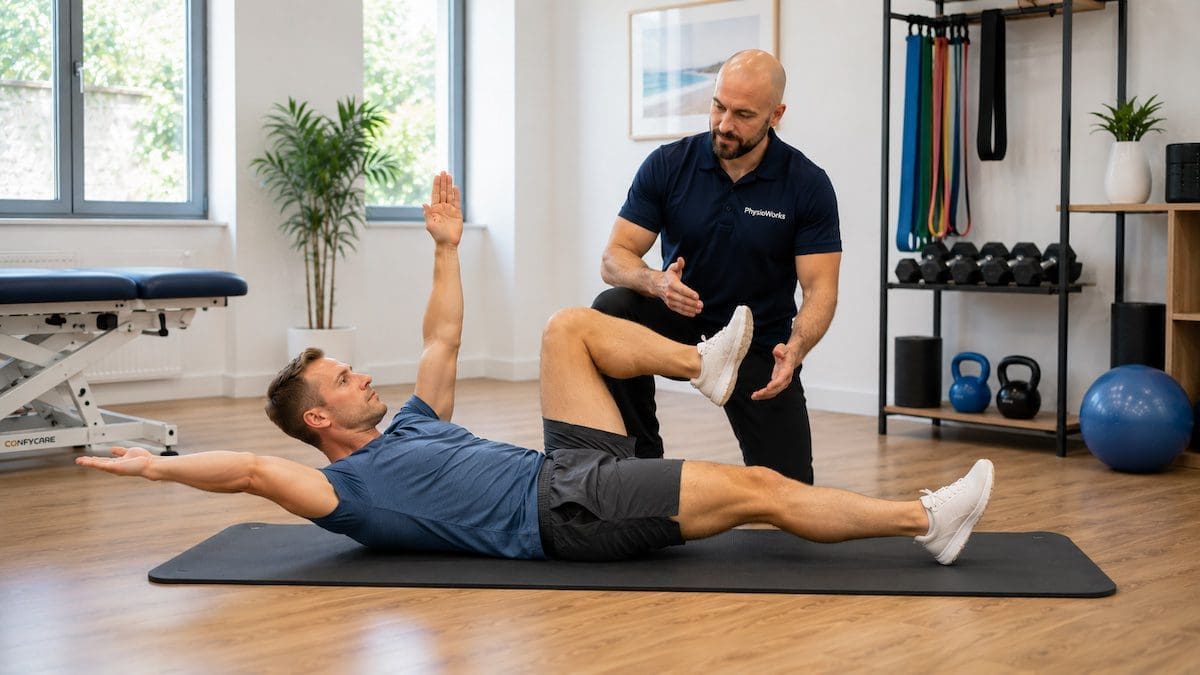
Core control exercises can help build a safer foundation for back pain rehabilitation.
How Should Back Pain Exercises Progress?
Back pain exercise programs usually work best when they progress in stages. Early exercises often focus on comfort and movement confidence. Later stages usually build strength, control, and tolerance for everyday loading.
| Stage | Exercise Focus | Main Goal |
|---|---|---|
| Early | Walking, gentle mobility, breathing control, pelvic or trunk awareness | Reduce guarding and restore comfortable movement |
| Middle | Core control, hip mobility, posture retraining, light strengthening | Improve spinal support and symptom tolerance |
| Later | Squats, hip hinge drills, lifting retraining, gym-based progressions | Return to work, sport, gym, and daily loading with more confidence |
Types of Back Pain Exercises
Core Strengthening Exercises
Core exercises aim to improve how your abdominal, spinal, pelvic, and hip muscles support the back during movement. These programs may begin with low-load control drills and progress to more functional tasks. Useful related options include core stability training and guidance on deep core muscles.
Mobility and Stretching Exercises
Mobility work can help if your back feels stiff after sitting, driving, or reduced activity. Your physiotherapist may prescribe spinal mobility drills, hip stretches, or gentle repeated movements depending on whether flexion, extension, or rotation is limited. Tight hips and hamstrings can also contribute to back loading, so targeted flexibility exercises may be useful.
Walking and Low-Impact Aerobic Exercise
Walking, swimming, and other low-impact aerobic exercise can improve circulation, build tolerance, and help people stay active during recovery. A recent Australian trial found that an individualised progressive walking and education program reduced recurrence of non-specific low back pain. Some people also benefit from graded return to swimming or exercise bike work when tolerated.
Posture and Movement Control Exercises
Exercise can also address the movement habits that keep aggravating symptoms. If your pain builds with sitting, lifting, bending, or arching backwards, treatment may include posture correction, movement retraining, and load-management advice. Helpful related pages include posture and core stability.
How Does a Physiotherapist Choose the Right Exercises?
A physiotherapist chooses back pain exercises by assessing pain location, aggravating movements, stiffness, nerve symptoms, activity limits, and your current strength or control. This helps decide whether your program should prioritise mobility, trunk endurance, walking, hip strength, or gradual exposure to lifting and bending.
For example, someone with spinal stenosis may need a different approach from someone with lumbar facet joint pain. Your physiotherapist may also consider your work demands, sport, gym goals, previous injuries, and how symptoms respond after exercise.
How Do You Know If Back Pain Exercises Are Right for You?
Back pain exercises are more likely to suit you when symptoms stay settled during movement and do not worsen afterwards. A good starting point should feel manageable, purposeful, and matched to your current capacity.
Exercise Response Guide
- Continue if symptoms ease, feel looser, or stay stable during and after exercise.
- Modify if pain increases, spreads, or lingers into the next day.
- Pause and seek advice if you notice numbness, weakness, or worsening leg pain.
- Book an assessment if online routines keep giving mixed results.
When Should You Be Careful With Back Pain Exercises?
Although exercise helps many people, the wrong exercise can still aggravate symptoms. You should be more cautious if pain is severe, rapidly worsening, spreading down the leg, or associated with numbness, weakness, or major functional loss.
People with sciatica, disc irritation, or more specific spinal conditions often need a more tailored progression rather than a generic online routine. If you want a public health overview, Healthdirect explains why exercise and staying active are often recommended for low back pain: low back pain.
Seek Prompt Advice If Symptoms Change
Get assessed sooner if back pain follows major trauma, causes new weakness, spreads below the knee, affects bladder or bowel control, or keeps worsening despite reducing activity.
Back Pain Exercises FAQs
What are the best back pain exercises?
The best back pain exercises depend on the cause of your symptoms, your movement limits, and what makes pain worse. Some people do better with mobility drills, while others need walking, trunk endurance, hip strength, or posture-focused exercises. A physiotherapist can help match the program to your presentation.
Can back pain exercises make pain worse?
Yes, they can if the exercise is poorly matched to your condition, progressed too quickly, or repeated with poor control. Mild short-term discomfort can occur during rehabilitation, but pain that clearly worsens, spreads, or lingers suggests the program needs adjustment.
How often should I do back pain exercises?
That depends on the exercise type and the stage of recovery. Mobility work may be done more often, while strengthening sessions may be spaced out through the week. Your physiotherapist will usually adjust frequency, volume, and load based on symptom response and recovery goals.
Is walking a good back pain exercise?
Walking is often a practical and well-tolerated starting point because it keeps you active without large impact forces. It can help improve confidence, general conditioning, and spinal tolerance to movement. However, some people with leg pain, spinal stenosis, or acute flare-ups need a modified walking plan.
When should I see a physiotherapist for back pain exercises?
You should consider physiotherapy if pain is recurring, not settling, affecting work or sleep, or limiting exercise and daily tasks. It is also worth getting assessed if you are unsure which exercises are safe or if online routines have not helped.
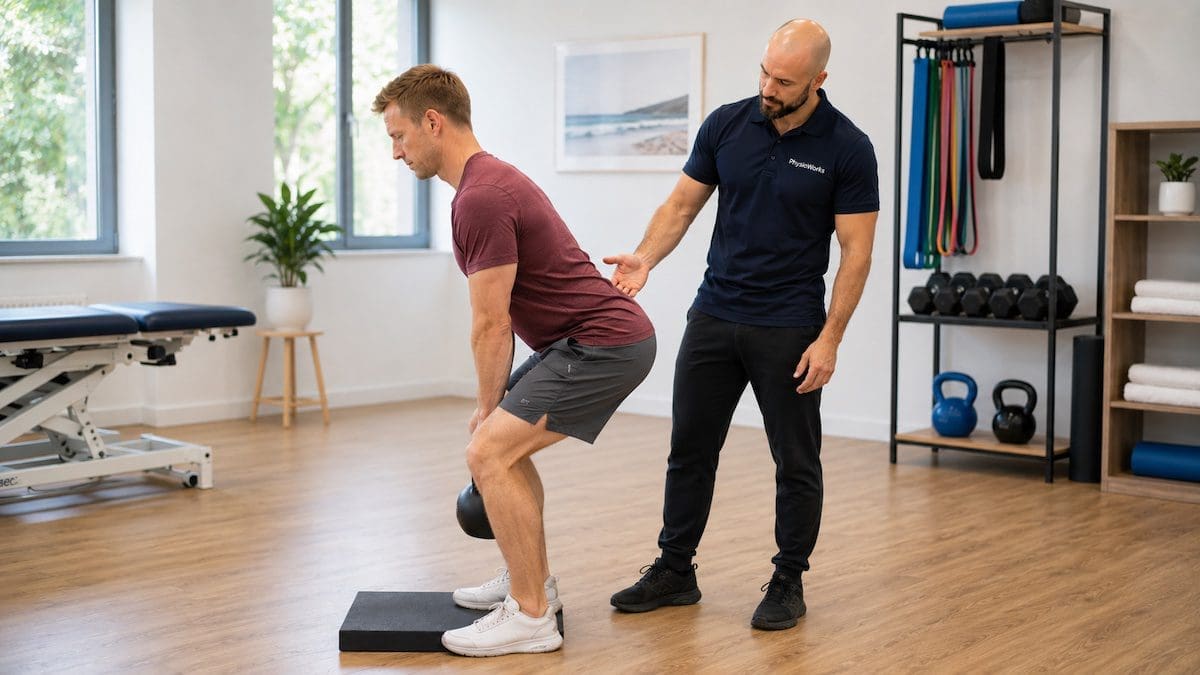
Back pain exercise programs can progress toward safer lifting and confident daily movement.
What to Do Next
If your symptoms keep returning, or you are unsure which back pain exercises are right for you, a physiotherapy assessment can help clarify the diagnosis and build a more specific plan. The goal is not just to reduce pain, but to improve your movement confidence, strength, and ability to return to normal activity.
PhysioWorks physiotherapists can assess your pain pattern, identify aggravating factors, and prescribe exercises that match your stage of recovery. That may include mobility drills, walking progressions, trunk strengthening, and strategies to reduce recurrence. If online exercises keep giving mixed results, an assessment can help you choose the safest starting point.
Book your appointment – 24/7
Choose your preferred PhysioWorks clinic and book online.
Back Support Products
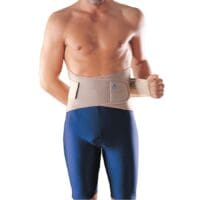
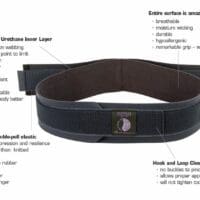
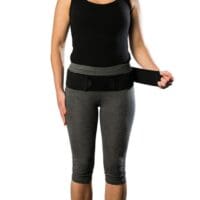
These back support products are commonly used by our physiotherapists to help reduce back pain, improve comfort, and support your recovery at home.
-
-
-
 Braces & Supports, Back, Maternity, SIJ
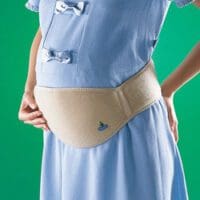
Maternity Support Belt – OPPO 4062
$37.00Select optionsQuick View -
 Back, Braces & Supports, Maternity, Posture
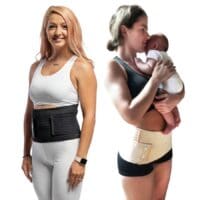
Pregnancy Belly Band & C-Section 3-in-1
$94.99Select optionsQuick View - Braces & Supports, Back, Maternity, SIJ
AOM38 AllCare Ortho Core Stability Belt
$49.95Select optionsQuick View -
-
 Back, Braces & Supports, Maternity, SIJ
Core Stability Support – OPPO 3462
$54.00Select optionsQuick View -
 Back, Braces & Supports, Maternity, Posture
Maternity Back Support – OPPO 2062
$60.00 – $64.00Select optionsQuick View
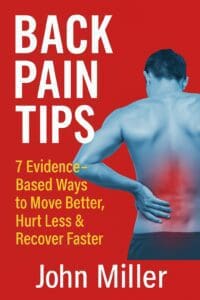
Back Pain Tips: 7 Evidence-Based Ways to Move Better, Hurt Less & Recover Faster
A Physiotherapist’s Guide to a Stronger, Healthier Back
Discover practical, research-based strategies to ease back pain, move with confidence, and build long-term strength. Written by physiotherapist John Miller, this concise guide blends science and decades of clinical experience to help you recover faster and stay active for life.
- Clear, actionable advice grounded in current research
- Whole-person approach: movement, sleep, mindset and care team
- Includes a quick flare-up plan, FAQs and daily habits
Follow PhysioWorks
Get free physiotherapy tips, exercise videos, recovery advice, and blog updates.
 |  |  | B |  |  |
References
- Pocovi NC, Holland AE, Ferreira ML, et al. Effectiveness and cost-effectiveness of an individualised, progressive walking and education intervention for the prevention of low back pain recurrence in Australia (WalkBack): a randomised controlled trial. Lancet. 2024;404(10452):134-144. doi:10.1016/S0140-6736(24)00755-4
- Zhou T, Jin H, Wang Y, et al. Recent clinical practice guidelines for the management of low back pain: a global comparison. BMC Musculoskelet Disord. 2024;25(1):333. doi:10.1186/s12891-024-07429-1
- Verville L, Piche M, Sullivan MJL, et al. Benefits and harms of structured exercise programs for adults with chronic low back pain: systematic review and meta-analysis of randomised controlled trials. Br J Sports Med. 2023;57(24):1561-1572. doi:10.1136/bjsports-2023-106952