
Running Musculoskeletal Assessment
Running Musculoskeletal Assessment



Physiotherapy assessment for runners wanting better performance and fewer injury setbacks.
Running Musculoskeletal Assessment is a physiotherapy service for runners who want to improve performance, reduce injury risk, and identify physical weak links before they become bigger problems.
This assessment does not focus on changing your running style. Instead, your physiotherapist assesses strength, flexibility, mobility, control, injury history, training load, and tissue capacity. These findings help guide treatment and a personalised exercise plan.
Quick Summary
- Assesses strength, flexibility, mobility, control, and load tolerance
- Identifies weak zones that may increase injury risk
- Reviews training load, recovery, and recurring soreness patterns
- Provides a personalised 3-zone colour-coded runner profile summary
- Helps guide treatment, rehab exercises, and injury prevention planning
- Supports runners who want to train more consistently
This service suits runners preparing for events, returning after injury, building distance, or dealing with recurring niggles. It can also help runners who want a proactive check before increasing their training load.
What Is a Running Musculoskeletal Assessment?
A running musculoskeletal assessment is a physiotherapy assessment that checks the physical factors that affect running performance and injury risk. It looks at your muscles, joints, tendons, movement control, strength, flexibility, and training load.
Unlike a running technique analysis, this assessment does not primarily review cadence, foot strike, stride length, or running style. The focus is your body’s capacity to tolerate running and recover well between sessions.
Who Should Book a Running Musculoskeletal Assessment?
This assessment may help if you want to run faster, longer, or more consistently. It may also help if pain, tightness, weakness, or recurring overload keeps interrupting your training.
- You keep getting the same running injury
- You feel tight, weak, heavy, or uneven when running
- You are increasing distance, speed, hills, or intervals
- You are returning after injury
- You want a structured strength and flexibility plan
- You are preparing for a fun run, half marathon, marathon, or trail event

What Does the Assessment Check?
Your physiotherapist reviews the key physical factors that affect running capacity, performance, and injury prevention.
- Strength: hips, calves, hamstrings, quadriceps, feet, and trunk
- Flexibility: muscles and joints that may limit comfort or efficiency
- Mobility: ankle, hip, knee, spine, and foot movement where relevant
- Control: balance, landing control, pelvic stability, and knee alignment
- Load tolerance: how your tissues respond to running volume and intensity
- Training history: recent mileage, speed work, hills, recovery, and soreness patterns
Your 3-Zone Runner Profile Summary
After your assessment, your physiotherapist explains your findings using a simple colour-coded runner profile chart. This helps show which areas are performing well and which areas may benefit from improvement.
- Green: strong movement quality, control, mobility or performance for running demands
- Yellow: mild deficits or areas that may increase injury risk over time
- Red: significant weakness, stiffness, asymmetry or movement control issues that should become a priority
You receive a summary of your results with practical recommendations to guide your strength, flexibility, recovery and training progression.
The Goal Is to Find Your Weak Links
The aim is not to change everything about how you run. The goal is to identify the physical findings that matter most, then improve them with treatment, exercise, and training advice.
How Can It Help Running Performance?
Running performance depends on how well your body absorbs load, produces force, controls repeated impact, and recovers between sessions. Strength deficits, stiffness, poor control, or training spikes can reduce consistency and performance.
Your assessment may identify areas where targeted exercise or treatment could improve strength, mobility, control, comfort, and training tolerance.
How Can It Help Reduce Injury Risk?
Running injuries often build when training load exceeds tissue capacity. A running musculoskeletal assessment helps identify modifiable factors such as weakness, mobility restrictions, poor control, recovery issues, or training errors.
Common running issues linked with load, strength, flexibility, or control include Runner’s Knee, ITB Syndrome, Achilles Tendinopathy, Shin Splints, and Plantar Fasciitis.
What Happens After the Assessment?
Your physiotherapist explains your main findings and builds a plan that matches your running goals. You receive a personalised 3-zone colour-coded runner profile summary, along with targeted recommendations for treatment, exercises, strength progressions, flexibility work and training load advice.
- Strength exercises for weak or overloaded areas
- Flexibility and mobility exercises
- Balance, control, and landing drills
- Load management and recovery advice
- Manual therapy if joint or soft tissue restrictions are relevant
- Return-to-running or training progression guidance
Is This Assessment Right for You?
This assessment is a strong option if you want more than a generic exercise sheet. It suits runners who want clear testing, practical advice, and a personalised plan.
It may also suit runners who are not currently injured but want to reduce avoidable training setbacks before increasing their workload.
Running Musculoskeletal Assessment FAQs
Is this the same as running analysis?
No. Running analysis often focuses on running mechanics, cadence, stride, foot strike, or technique. A running musculoskeletal assessment focuses on strength, flexibility, mobility, control, injury risk, and load tolerance.
Can this assessment help if I am not injured?
Yes. Many runners use this assessment as a prevention and performance check. It may help identify weak links before they affect training consistency.
Will I receive exercises after the assessment?
Yes. Your physiotherapist may prescribe targeted strength, mobility, flexibility, control, or load management exercises based on your findings and your colour-coded runner profile summary.
Should I bring my running shoes?
Yes. Bring your regular running shoes and recent training details. Even though this is not a running-style assessment, footwear and workload can still add useful context.
What do the colour zones mean?
Your results are grouped into three simple zones. Green shows strong areas, yellow shows mild deficits to monitor or improve, and red shows priority areas that may need targeted work.
Who is this assessment best suited to?
It suits runners with recurring injuries, training niggles, strength concerns, flexibility restrictions, or upcoming events. It can also help runners returning after injury.
What to Do Next
If you want to improve running performance or reduce injury risk, book a Running Musculoskeletal Assessment with a PhysioWorks physiotherapist.
Bring your running shoes, recent training details, and any history of recurring pain or injury. This helps your physiotherapist connect your symptoms, physical testing, training load and colour-coded results summary.

Choose your clinic and appointment pathway
Select a PhysioWorks clinic to continue to live booking, an appointment request or reception assistance.
Feet Products
These feet products are commonly used by our physiotherapists to improve support, comfort, strength, balance, flexibility, and home exercise programs.
- Liniments & Gels, Massage Liniments, Pain Management
Fisiocrem
$16.95 – $39.95Select optionsQuick View -
- EMS Machines, Pain Management, TENS Machine, TENS Machine & EMS
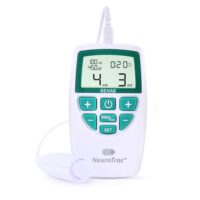
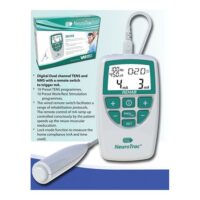
NeuroTrac Rehab (TENS Machine + EMS)
$285.00Add to cartQuick View -
-


-

-
-
-
-
-

-

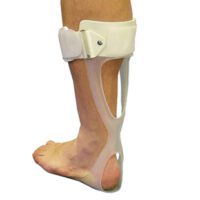
 Ankle, Braces & Supports, Foot, Walking
Victor Moonboot 1.0 Air or No Air
$77.00 – $79.00Select optionsQuick View -
-
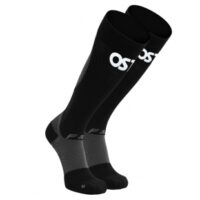
 Ankle, Braces & Supports, Calf, Foot
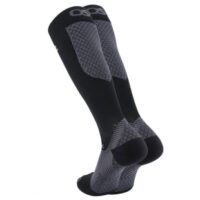
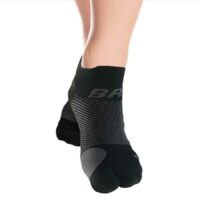
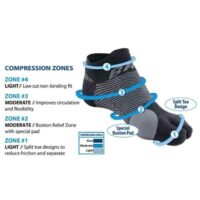
Orthosleeve Compression Bracing Socks
$49.00Select optionsQuick View -
-









Related Articles
- Running Injuries
- Strength Training
- Exercises
- Common Running Injuries
- Running Recovery: 6 Helpful Tips
- Three Tips to Improve Your Running Efficiency
- Gait Analysis
References
- Doyle E, Herbert-Losier K, Trowell D, et al. The effectiveness of gait retraining on running kinematics, kinetics, performance, pain, and injury in distance runners: a systematic review with meta-analysis. J Orthop Sports Phys Ther. 2022;52(4):192-206.
- Lopes AD, Hespanhol Junior LC, Yeung SS, Costa LOP. Are alterations in running biomechanics associated with running injuries? A systematic review with meta-analysis. Braz J Phys Ther. 2023;27(4):100538.
- Anderson LM, Bonanno DR, Hart HF, et al. What is the effect of changing running step rate on injury, performance and biomechanics? A systematic review and meta-analysis. Sports Med Open. 2022;8(1):122.
- Kumar R, Sun X, Wang L, et al. The running gait analysis technology: a comprehensive review of existing and emerging wearable devices. Sports Med Open. 2024;10(1):101.