
Sports Physiotherapy Brisbane


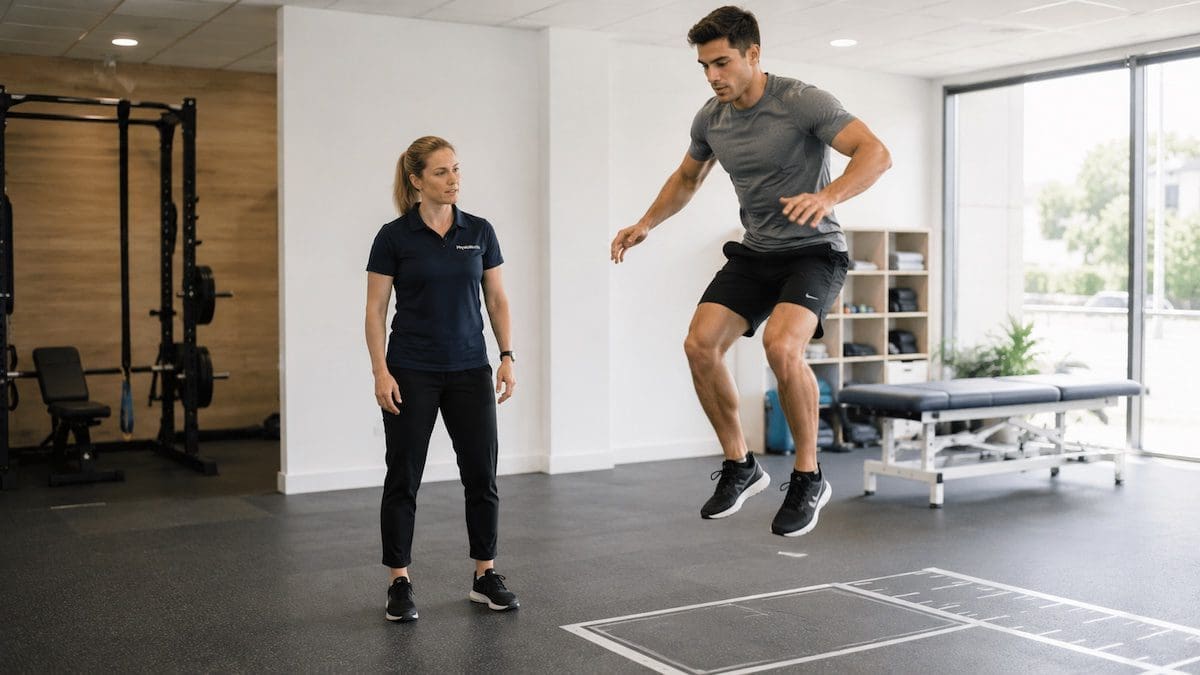
Jump landing assessment for sport rehab.
Sports physiotherapy Brisbane helps active people manage sport pain, rebuild strength, and return to training with a clear plan. It suits runners, gym users, weekend players, school athletes, masters athletes, and people with recurring sport niggles.
At PhysioWorks, your physiotherapist assesses your injury, training load, movement control, and sport demands. This helps shape a staged plan that supports your return to exercise, training, and competition across our Brisbane clinics. For a broader injury overview, start with our Sports Injuries hub.
Sports Physiotherapy May Help If You:
- have pain, swelling, stiffness, or weakness after sport
- keep getting the same training niggle
- need a clear return-to-sport plan after injury
- want help with strength, balance, landing, running, or cutting
- need advice before a season, event, trial, or competition
What Is Sports Physiotherapy?
Sports physiotherapy focuses on pain and injury linked to sport, exercise, training load, and performance needs. It combines injury assessment, rehab, strength work, movement retraining, and return-to-sport planning.
Your plan should match your sport, position, injury stage, and current capacity. Early care may focus on pain, swelling, and safe movement. Later care often builds strength, power, speed, balance, and confidence.
How Can a Sports Physiotherapist Help?
A sports physiotherapist helps you understand what is sore, what load it can handle, and what needs to change. They assess movement, strength, balance, control, and the tasks your sport demands.
During your appointment, your physiotherapist may:
- discuss your sport, position, training load, and goals
- assess joint movement, muscle strength, balance, power, and control
- check factors such as training spikes, recovery, footwear, or technique
- explain a working diagnosis and the main stages of rehab
- build a plan that fits your sport, timetable, and capacity
Common Sports Injuries We Assess
Sports physiotherapy Brisbane care often supports people with running, field sport, court sport, gym, and school sport injuries. The right plan depends on the tissue involved and the loads that stir symptoms.
- Muscle strains, such as hamstring, calf, thigh, and groin strains
- Tendon pain, including patellar tendinopathy and rotator cuff tendon pain
- Ligament injuries, including ACL injury and ankle sprains
- Overuse pain linked to repeated load or fast training changes
- Bone stress injuries and rehab after sports surgery
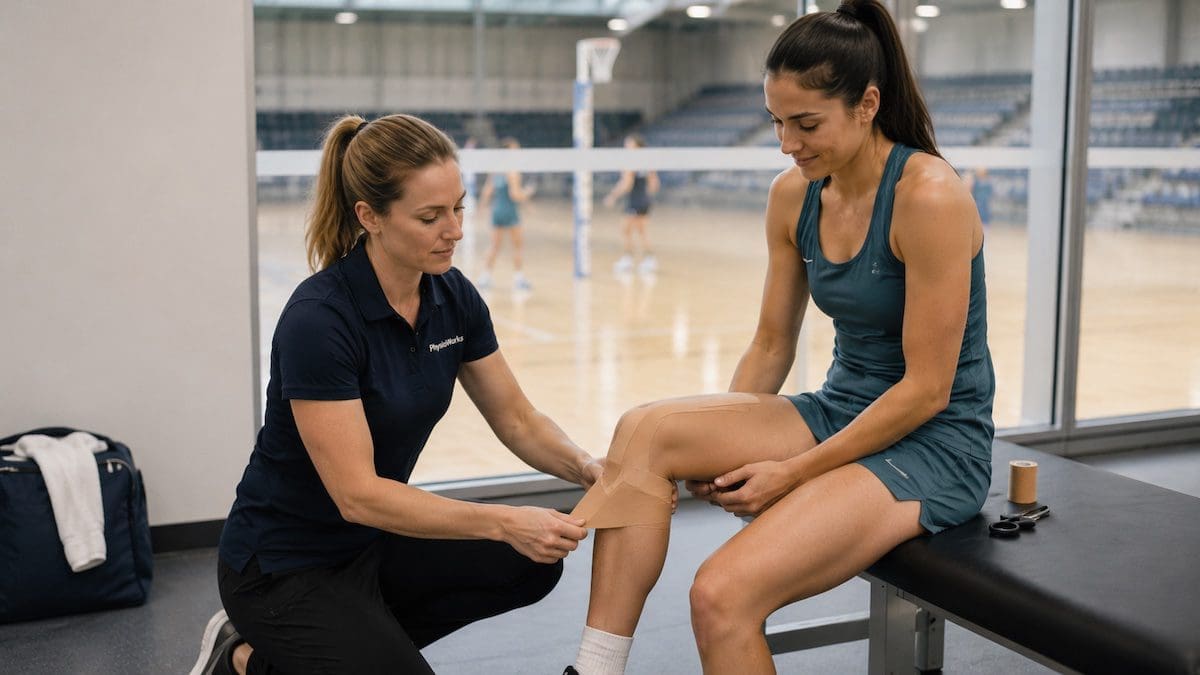
Courtside support during sport injury care.
How Does Sports Physiotherapy Brisbane Help Return to Sport?
Sports physiotherapy Brisbane care aims to build the capacity your sport needs. Pain settling is useful, but it is only one part of readiness. Strength, control, speed, confidence, and load response also matter.
Your rehab may include:
- early pain and swelling control after a recent injury
- activity changes that keep you moving where safe
- progressive strength work matched to your sport
- running, jumping, landing, cutting, or throwing retraining
- taping, bracing, or hands-on care where appropriate
- graduated return-to-training and return-to-competition steps
Quick guide: A good return-to-sport plan should progress from calm symptoms to controlled loading, then to sport drills, speed, fatigue, contact, and full training where relevant.
How Long Does Return to Sport Take?
Return-to-sport time varies with the injury, sport, training level, and your response to rehab. Most people progress better when decisions use symptoms, strength, movement quality, confidence, and sport-specific testing rather than time alone.
Some injuries settle quickly. Others need longer because tendons, ligaments, bones, or surgical repairs need more time and staged loading. Your physiotherapist can explain the likely pathway and adjust it as your body responds.
How Do You Know When You Are Ready?
You may be ready when your body can handle the main demands of your sport. Your physiotherapist may test strength, range, balance, landing control, running tolerance, change of direction, confidence, and your response to training load.
For higher-demand sport, clinic exercise alone is not enough. You may need drills that copy training speed, contact, fatigue, repeated efforts, and decision-making before full competition.
Return-to-Sport Readiness Check
| Stage | What We Check |
| Early rehab | Pain, swelling, walking, range, and basic control |
| Strength phase | Strength, balance, single-leg control, and load tolerance |
| Sport drills | Running, landing, cutting, jumping, or throwing patterns |
| Full sport | Speed, fatigue, contact, confidence, and response after training |
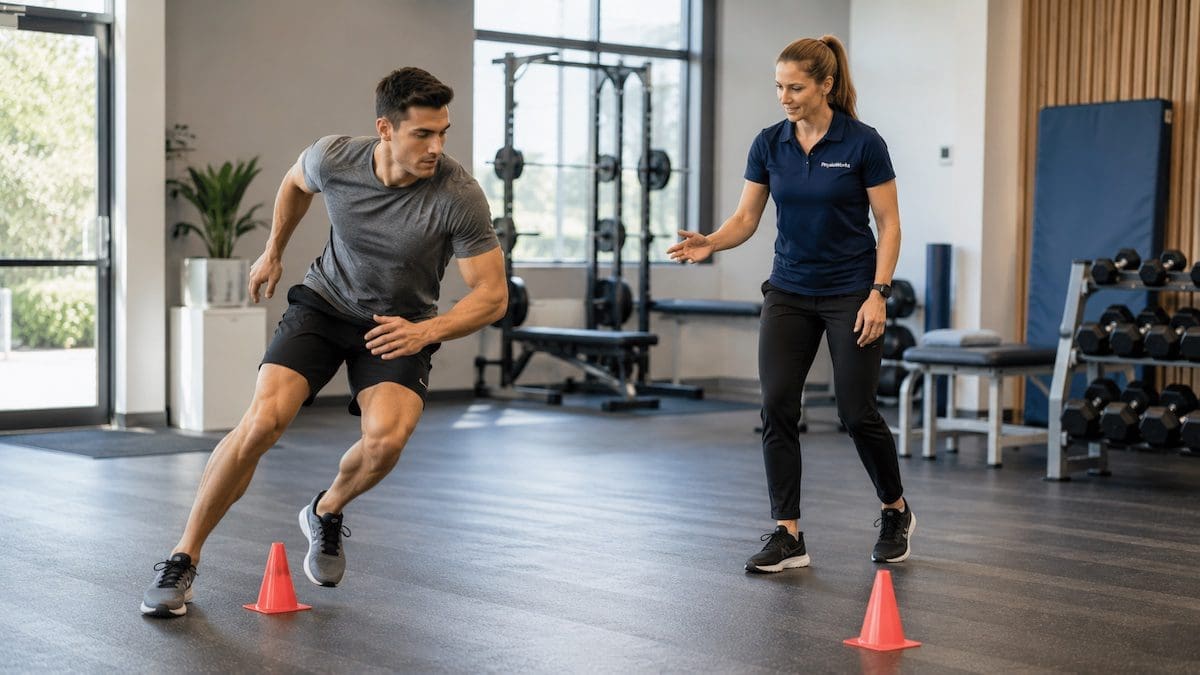
Return-to-sport testing builds confidence.
When Should You See a Sports Physio?
Book sports physiotherapy if pain, swelling, stiffness, weakness, or a repeated niggle stops normal training. Early advice can also help when you are unsure whether to rest, modify training, keep moving, or prepare for an event.
Consider an appointment if you notice:
- pain after sport that is not settling as expected
- swelling, bruising, limping, or loss of power
- repeated symptoms in the same area
- loss of confidence with sprinting, landing, jumping, or contact
- trouble returning to your usual training volume or intensity
- symptoms affecting work, sleep, or daily activity
For recent injuries with marked swelling, trouble walking, clear deformity, major weakness, or strong pain after a collision, book promptly. Selected PhysioWorks clinics also offer an Acute Sports Injury Clinic.
Why Do Sports Injuries Keep Coming Back?
Sports injuries can return when pain improves faster than strength, control, tendon capacity, or sport tolerance. Training spikes, fatigue, poor recovery, technique changes, or returning too soon can also raise risk.
A sports physiotherapy plan should move past symptom relief. It should test whether your body can handle the speed, load, fatigue, contact, and repeated efforts your sport needs.
Injury Prevention and Long-Term Performance
Sports physiotherapy is not only for people who are already injured. It may also help identify modifiable factors that can affect load tolerance and sport confidence.
- Warm-up and neuromuscular programs can train balance, strength, and control.
- Strength and plyometric work can prepare tendons, muscles, and joints for sport.
- Training load planning can reduce sudden spikes in volume or intensity.
- Pre-season screening can highlight areas that need extra work.
If prevention is your main goal, read our Injury Prevention Programs guide or the Injury Prevention Essentials page.
What Happens at Your First Appointment?
Your first appointment usually starts with your story, sport goals, medical history, and training schedule. Your physiotherapist then assesses the injured area and the movements that matter for your activity.
You should leave with a clear plan. This may include what to keep doing, what to change, what to avoid for now, and which exercises to start. Follow-up visits focus on progress, response to load, and sport-specific preparation.
Which Path Fits You?
- New injury: start with assessment, pain control, swelling care, and safe loading.
- Recurring niggle: check strength, load, recovery, and technique factors.
- Post-surgery rehab: follow your surgeon’s plan and add staged post-operative physiotherapy.
- Training block or season prep: consider prehabilitation and injury risk screening.
Related Sports Physiotherapy Guides
- Sports Injury Physiotherapy – structured rehab after sport injury.
- Sports Injuries – common sport injuries, causes, rehab, and prevention.
- Sports Health – broader athlete health topics.
- Muscle Pain & Injury – muscle pain, strain, and recovery support.
- Prehabilitation – training before pain or injury limits sport.
- Sports Massage – massage support for training load and recovery.
Sports Physiotherapy FAQs
What is sports physiotherapy?
Sports physiotherapy focuses on pain and injury linked to sport, exercise, and training. It combines assessment, rehab, strength work, movement retraining, and return-to-sport planning so active people can progress in a staged way.
Do I need to be an elite athlete to see a sports physio?
No. Sports physiotherapy can suit runners, gym users, weekend players, school athletes, masters athletes, and people returning to exercise after time away. The plan should match your sport level and goals.
How is sports physiotherapy different from general physiotherapy?
Sports physiotherapy places extra focus on training load, sport skills, competition demands, and return-to-sport testing. Your rehab may include running, jumping, landing, cutting, lifting, contact, or repeated high-speed efforts.
When should I book sports physiotherapy?
Book if pain, swelling, stiffness, weakness, or repeated niggles stop normal training. Early advice may help you decide whether to rest, modify training, keep moving, or seek further review.
Can sports physiotherapy help prevent injuries?
Sports physiotherapy may help identify strength, control, load, recovery, and technique factors that can affect injury risk. Prevention plans often include warm-up progressions, strength work, balance training, plyometrics, and load advice.
What treatments might be used?
Treatment may include education, activity changes, strength work, movement retraining, taping, bracing, and hands-on care where suitable. Your plan should match your injury, sport, goals, and stage of recovery.
What to Do Next
If you have a sports injury, recurring niggle, or major event coming up, a sports physiotherapy assessment can give you a clearer plan. Your physiotherapist can assess your current capacity, explain likely contributing factors, and guide your next training steps.
You can book online or contact your nearest PhysioWorks clinic to arrange sports physiotherapy in Brisbane.
Book your appointment – 24/7
Choose your preferred PhysioWorks clinic and book online.
Muscle & Soft Tissue Products
These muscle and soft tissue products are commonly used by our physiotherapists to relax or loosen muscles, improve strength, comfort, flexibility, and home exercise programs.
-
- Exercise Equipment, Resistance Band
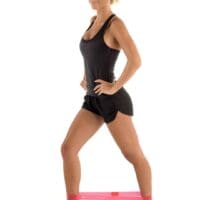
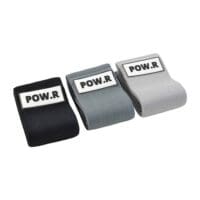
POW.R Wide Fabric Loop Resistance Band
$14.95 – $49.95Select optionsQuick View -
-
-
-
 Exercise Equipment, Resistance Band
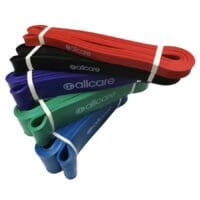
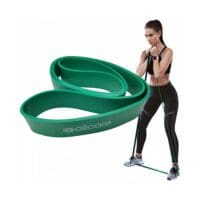
AllCare Powerloop Bands
$22.00 – $65.00Select optionsQuick View -
- EMS Machines, Pain Management, TENS Machine, TENS Machine & EMS
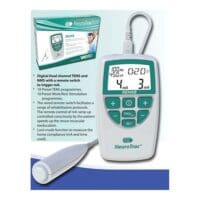
NeuroTrac Rehab (TENS Machine + EMS)
$299.95Add to cartQuick View -
- Liniments & Gels, Massage Liniments, Pain Management
Fisiocrem
$13.98 – $35.50Select optionsQuick View -
-
-
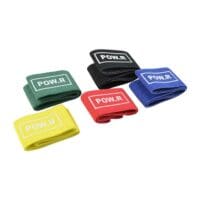 Exercise Equipment, Knee, Resistance Band
POW.R Fabric Mini Loop Bands
$12.00 – $55.00Select optionsQuick View -
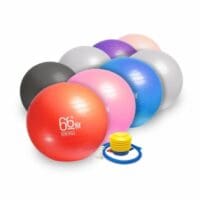
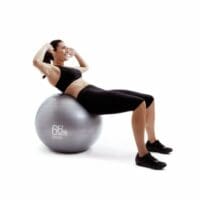 Exercise Balls, Back, Exercise Equipment, Knee, Shoulder
66fit Exercise Balls | Core & Rehab Stability Ball
$32.00 – $57.00Select optionsQuick View -








Follow PhysioWorks
Get free physiotherapy tips, exercise videos, recovery advice, and blog updates.
 |  |  | B |  |  |
Research & References
- Stephenson SD, Kocak S, Heck J, et al. A comprehensive summary of systematic reviews on sports injury prevention strategies. Orthop J Sports Med. 2021;9(11):23259671211035776. doi:10.1177/23259671211035776
- De Michelis Mendonça L, Schuermans J, Denolf S, et al. Sports injury prevention programmes from the sports physical therapist’s perspective: an international expert Delphi approach. Phys Ther Sport. 2022;55:146-154. doi:10.1016/j.ptsp.2022.04.002
- Cronström A, Tengman E, Häger CK. Return to sports: a risky business? A systematic review with meta-analysis of risk factors for graft rupture following ACL reconstruction. Sports Med. 2023;53(1):91-110. doi:10.1007/s40279-022-01747-3
- Yung KK, Ardern CL, Serpiello FR, Robertson S. Characteristics of complex systems in sports injury rehabilitation: examples and implications for practice. Sports Med Open. 2022;8(1):24. doi:10.1186/s40798-021-00405-8