
Ten Pin Bowling
Ten Pin Bowling Injuries


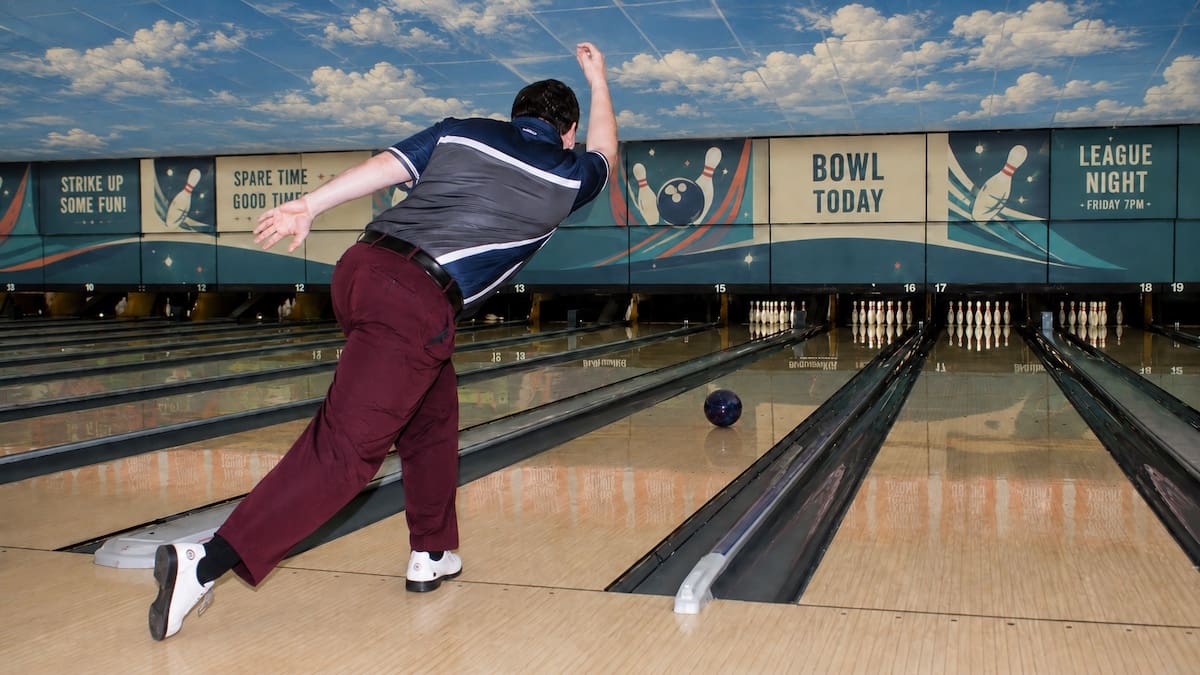
Ten pin bowling injuries most often affect the bowling arm, hand, wrist, shoulder and lower back. The slide and delivery can also load the lead knee and ankle, particularly during long sessions or after a rapid increase in bowling volume.
What are ten pin bowling injuries?
Ten pin bowling injuries are pain or physical problems associated with repeated ball handling, gripping, swinging, trunk rotation and sliding during the delivery.
Although bowling is usually lower impact than running or contact sports, each delivery places an uneven load through the body. The bowling arm controls a relatively heavy ball while the trunk rotates and the lead leg manages the slide and deceleration.
Symptoms may develop suddenly after an awkward delivery. However, they often build gradually during repeated games, league play or tournament bowling.
Sports physiotherapy may help assess the painful area, bowling movement, strength, control and recent playing load.
Bowling arm
The shoulder, elbow, forearm, wrist, thumb and fingers control the ball through the backswing and release.
Trunk
The lower back manages repeated bending, rotation and uneven loading during ball pickup and delivery.
Lead leg
The knee, ankle and foot help control the slide, maintain balance and slow forward movement.
How common are injuries among ten pin bowlers?
Research involving elite collegiate ten pin bowlers found that 87% reported at least one bowling-related injury and 75% reported a recurring injury.
These figures describe a small competitive population. Therefore, they should not be treated as injury rates for all recreational or social bowlers. However, the study highlights the possible effects of repeated bowling, fatigue, recurrence and limited conditioning.
Why can ten pin bowling cause pain?
A bowling delivery combines several movements that place load through different parts of the body:
- repeated gripping through the thumb and fingers;
- control of the ball during the backswing and forward swing;
- shoulder and trunk rotation;
- bending to collect or position the ball;
- sliding and braking through the lead leg; and
- repeating a similar movement many times during one session.
Fatigue may reduce balance, release control and trunk stability late in a game. As a result, a player may grip harder, force the swing or rotate more through the lower back.
Who is more likely to develop a bowling injury?
Anyone can develop pain while bowling. However, symptoms may be more likely when a player has one or more of the following factors:
- a sudden increase in games, training or tournament volume;
- a heavier ball than they can control comfortably;
- poorly fitting finger holes or excessive gripping;
- limited shoulder, wrist, trunk, hip or ankle movement;
- reduced strength or endurance;
- fatigue during longer sessions;
- an inconsistent or forced delivery;
- poorly maintained or unsuitable bowling shoes; or
- a previous shoulder, elbow, wrist, back or lower-limb injury.
Common ten pin bowling injury areas
Shoulder and upper-arm pain
The shoulder controls the backswing, forward swing and follow-through. Pain may develop when bowling volume, ball weight or swing force exceeds the shoulder’s current capacity.
Elbow and forearm pain
Repeated gripping and release may irritate muscles and tendons around the elbow and forearm. Symptoms often build gradually and may worsen during longer sessions.
Wrist, thumb and finger pain
The wrist and hand control the ball through the finger holes. Poor fit, excessive grip force or repeated release can irritate the joints, tendons and surrounding soft tissues.
Lower back pain
Repeated bending, rotation and uneven loading can aggravate the lower back. Symptoms may also develop when the hips and legs do not control the approach and slide effectively.
Lead-knee pain
The lead knee bends during the slide and helps slow the body. Pain may increase when the knee moves inward, the slide becomes abrupt or fatigue reduces control.
Ankle and foot pain
The sliding ankle and foot help maintain balance and control direction. Stiffness, unsuitable footwear or an inconsistent slide may increase local stress.
When should you seek assessment?
Consider a physiotherapy assessment when pain:
- returns during each bowling session;
- lasts for several days after bowling;
- changes your grip, swing or slide;
- reduces control or confidence;
- limits normal work, exercise or sleep;
- worsens as bowling volume increases; or
- does not settle after reducing your bowling load.
How can physiotherapy help a ten pin bowler?
Your physiotherapist will first assess the painful area and identify factors that may be increasing load during bowling.
An assessment may include:
- shoulder, elbow, wrist, hand, back, hip, knee and ankle movement;
- strength, endurance and movement control;
- grip and release demands;
- balance during the approach and slide;
- trunk rotation and lower-limb coordination;
- recent bowling volume and tournament demands;
- ball weight and equipment setup; and
- relevant work, gym and daily activities.
Treatment depends on the injury and the individual. It may include education, symptom management, mobility work, progressive strengthening, movement retraining and a graded return-to-bowling plan.
The goal is not to create one perfect technique. Instead, rehabilitation aims to improve your ability to tolerate the movement and workload required for your preferred bowling style.
Can massage help after bowling?
Massage may help reduce short-term muscle soreness or tension after repeated bowling. It may support comfort and recovery when used alongside appropriate load management and exercise.
However, massage does not replace assessment or rehabilitation when pain keeps returning, affects joint function or changes your bowling technique.
How can you reduce your risk of bowling injuries?
-
Warm up before your first game
Use controlled shoulder, wrist, trunk, hip, knee and ankle movements. Then complete several easier practice deliveries before bowling at your normal effort.
-
Use a manageable ball weight
Choose a ball that you can swing and release without excessive gripping, shoulder effort or loss of balance.
-
Check the finger-hole fit
Your thumb and fingers should enter and release without forcing, pinching or excessive pressure.
-
Build bowling volume gradually
Increase games, practice sessions and tournament demands in stages rather than making one large jump.
-
Monitor fatigue
Watch for harder gripping, reduced accuracy, loss of balance or increased back rotation late in a session.
-
Maintain strength and conditioning
Shoulder, forearm, trunk, hip and lower-limb conditioning may improve tolerance to repeated bowling demands.
-
Use suitable bowling shoes
Keep the soles clean and use footwear that provides a predictable slide and stable braking action.
Returning safely to ten pin bowling
A safe return usually involves rebuilding bowling volume before returning to full competition intensity.
Your progression may begin with fewer deliveries, lighter practice, shorter sessions or additional rest between games. You can then increase the number of frames, games and sessions as your symptoms and control improve.
Useful signs of readiness may include:
- comfortable daily arm and back movement;
- adequate grip without increasing pain;
- controlled practice deliveries;
- a stable approach and slide;
- no major increase in symptoms later that day; and
- no significant worsening the following morning.
A small amount of temporary discomfort does not always mean further injury. However, pain that rises steadily, changes your technique or remains worse after the session suggests that the bowling load may be too high.
Related conditions and services
Ten pin bowling injury FAQs
What are the most common ten pin bowling injuries?
Common problem areas include the shoulder, elbow, forearm, wrist, thumb, fingers and lower back. The lead knee, ankle and foot may also become painful because they control the slide and deceleration.
Why does my wrist or thumb hurt after bowling?
Wrist or thumb pain may develop from repeated gripping, ball weight, finger-hole fit or release mechanics. Pain that keeps returning should be assessed rather than managed by gripping harder or changing technique without guidance.
Can a heavy bowling ball cause shoulder or back pain?
A heavier ball increases the load that the shoulder, trunk and lower limbs must control. The ball may contribute to pain when its weight exceeds your current strength, endurance or movement control.
Should I stop bowling if I feel pain?
Stop or reduce bowling if pain is sharp, increases with each delivery, changes your technique or affects normal function. Mild symptoms that settle quickly may respond to reduced volume, but recurring pain should be assessed.
How soon can I return after a bowling injury?
Return time depends on the injury, symptom severity and bowling demands. A graded return usually begins with controlled practice and fewer deliveries before progressing to longer sessions and competition.
Can physiotherapy help improve bowling technique?
Physiotherapy may help identify movement, strength, balance or workload factors that affect your delivery. The aim is to improve efficiency and load tolerance rather than impose one technique on every bowler.
What to do next
If pain is affecting your bowling, work or confidence, an individual assessment can help clarify the problem and guide your next step.
Your PhysioWorks physiotherapist can assess the painful area, review your bowling demands and develop a practical rehabilitation and return-to-bowling plan.
Choose your clinic and appointment pathway
Select a PhysioWorks clinic to continue to live booking, an appointment request or reception assistance.