
Kinesiology Tape
Kinesiology Tape
Kinesiology tape is elastic therapeutic tape used in physiotherapy, sport and rehabilitation. It may provide short-term support, sensory feedback or swelling assistance while allowing near-normal movement.


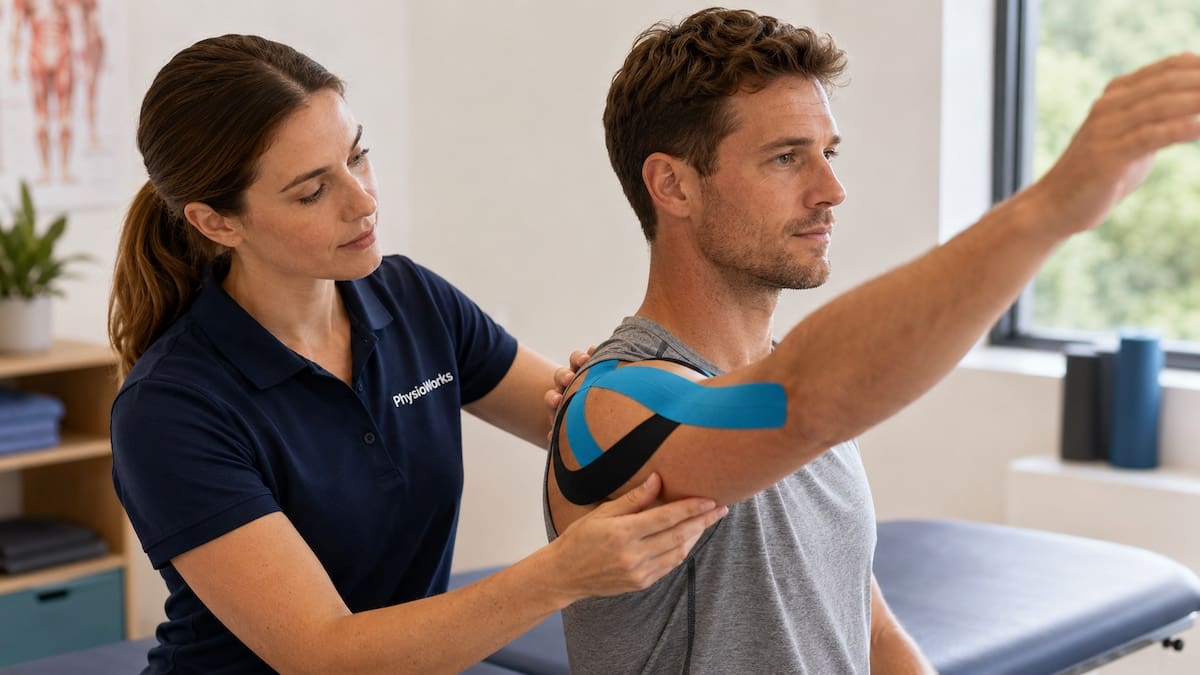
Physiotherapists may use kinesiology tape alongside assessment, exercise, strength work, load management and sport or work advice. Tape is usually a support tool rather than a stand-alone treatment.
What Is Kinesiology Tape?
Kinesiology tape is a thin, stretchy tape with an adhesive backing. Unlike rigid sports tape, it stretches as you move rather than firmly restricting a joint.
Clinicians can apply the tape in different directions, shapes and tensions. The method should match the body region, symptoms, skin tolerance and reason for using tape.
Kinesiology tape is commonly used when the aim is to provide flexible support while maintaining movement. If stronger movement control is needed, a different taping or bracing approach may be more appropriate.
Kinesiology Tape vs Rigid Sports Tape
Kinesiology tape stretches with the body. It is generally used when flexible support, sensory feedback or movement awareness is the goal.
Rigid sports tape provides firmer support and can temporarily limit selected movement. It is often used around joints during sport or following injuries such as an ankle sprain.
Kinesiology tape
Elastic support that allows more natural movement.
Rigid tape
Firmer support used when temporary movement control is important.
Which should you use?
The best option depends on the injury, activity, skin tolerance and purpose of taping.
For a fuller comparison, read Kinesiology Tape vs Rigid Tape or explore our broader Supportive Taping and Strapping guide.
What Is Kinesiology Tape Used For?
A physiotherapist may use kinesiology tape when flexible support could help someone remain active during rehabilitation.
- Short-term support during sport, work or exercise.
- Sensory feedback during rehabilitation exercises.
- Selected swelling-management applications.
- Movement awareness during tasks such as reaching, squatting or walking.
- Confidence while gradually returning to normal activity.
Taping is sometimes used when managing shoulder pain, knee pain, muscle strains and selected ankle or soft tissue problems.
The application should match the goal. A swelling pattern, for example, differs from a shoulder or knee support application.
Does Kinesiology Tape Work?
Kinesiology tape may provide a small short-term improvement in pain, comfort or function for some people. However, research does not show a reliable benefit across every condition or outcome.
It is therefore best viewed as an optional addition to exercise, progressive rehabilitation and load management rather than as a treatment that fixes the underlying problem.
For a detailed review of the research, read Does Kinesiology Tape Work? Benefits and Evidence.
How Kinesiology Tape May Help
Short-Term Comfort
Contact with the skin provides sensory input. Some people find this changes how comfortable an area feels during movement, although the response varies between individuals.
Movement Awareness
Tape may provide an extra physical cue during movement. For example, someone may notice shoulder blade position, knee control or ankle movement more easily while exercising.
Swelling Support
Selected swelling applications use light tension and strips arranged around the affected region. Some research suggests kinesiology tape may assist certain types of swelling, but the evidence remains uncertain and results differ between body regions.
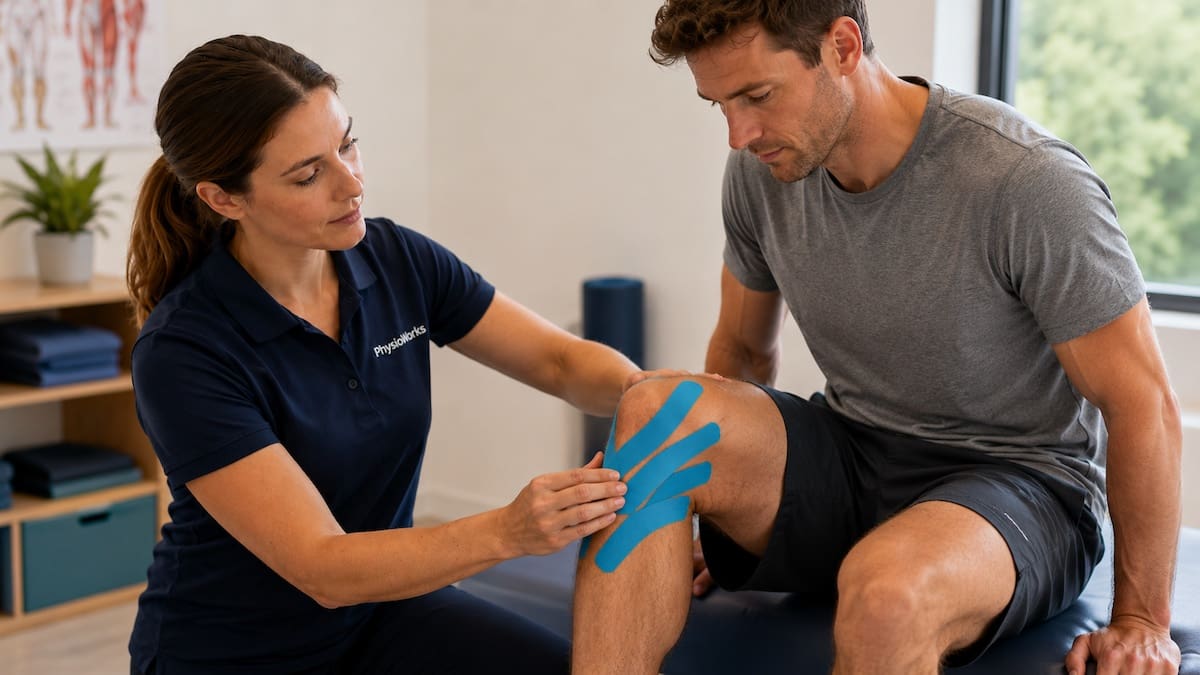
Read more about kinesiology tape for swelling and bruising.
Activity Confidence
Some people feel more supported while tape is in place. That confidence may help them remain active while gradually rebuilding strength, control and load tolerance.
How Is Kinesiology Tape Applied?
A physiotherapist can assess your symptoms, skin, movement and activity requirements before deciding whether taping is appropriate.
The clinician may adjust:
- where the tape starts and finishes
- the direction of each strip
- the amount of stretch used
- the shape and number of strips
- how long the tape should remain on
Different goals require different methods. A swelling application usually uses different tension and placement from a sport or joint-support application.
Is Kinesiology Tape Safe?
Many people tolerate kinesiology tape well. However, adhesive and tape tension can irritate the skin.
How Long Can You Wear Kinesiology Tape?
Many people wear kinesiology tape for several days when their skin remains comfortable. Wear time varies according to the tape, body region, skin sensitivity, sweating, water exposure and activity.
Remove the tape sooner if it becomes uncomfortable, starts irritating the skin or no longer stays securely in place.
When removing tape, peel it back slowly rather than pulling it directly away from the skin. Supporting the skin with your other hand can make removal more comfortable.
Is Kinesiology Tape Right for You?
Kinesiology tape may be reasonable when you want flexible, short-term support and can continue moving comfortably while wearing it.
A different approach may suit you better when:
- you need firmer joint or movement control
- the joint feels unstable or repeatedly gives way
- pain or swelling is worsening
- you cannot comfortably put weight through the area
- your skin reacts to adhesive
- you need tape for every activity to manage recurring symptoms
In these situations, an assessment can help determine whether rigid strapping, a brace, rehabilitation or another form of care is more appropriate.
Buy Kinesiology Tape
Kinesiology tape is available through the PhysioWorks online shop. If you are unsure which tape or application suits your needs, a physiotherapist can provide advice before you purchase or apply it.
View the Kinesiology Tape product.
Related Kinesiology Tape Information
Kinesiology Tape FAQs
What is kinesiology tape used for?
Kinesiology tape is used for flexible short-term support, sensory feedback and selected swelling-management applications during activity or rehabilitation. The application should match the body region and goal.
Is kinesiology tape the same as rigid sports tape?
No. Kinesiology tape stretches and allows more movement. Rigid sports tape provides firmer support and is generally used when temporary movement control is the main aim.
Does kinesiology tape work?
Kinesiology tape may provide a small short-term improvement in pain, comfort or function for some people. However, research does not show a reliable benefit for every condition, so tape is best used as an optional addition to rehabilitation.
Can kinesiology tape reduce swelling?
It may assist some types of swelling when the application is appropriate, but research results vary. New, significant or unexplained swelling should be assessed rather than managed with tape alone.
Can I exercise while wearing kinesiology tape?
Many people can exercise while wearing kinesiology tape. It should remain comfortable and should not cause increasing pain, pins and needles, numbness or skin irritation.
How long can kinesiology tape stay on?
Many people wear kinesiology tape for several days if their skin remains comfortable. Remove it earlier if you develop itching, burning, increasing redness, blistering or discomfort.
When should I remove kinesiology tape?
Remove kinesiology tape if it causes itching, burning, rash, blistering, increasing redness or discomfort. You can also remove it when it becomes loose, rolled or no longer stays securely in place.
Should a physiotherapist apply kinesiology tape?
A physiotherapist can assess why you are using tape, choose an appropriate application and show you how to use it safely if ongoing self-taping is suitable.
What to Do Next
Choose your clinic and appointment pathway
Select a PhysioWorks clinic to continue to live booking, an appointment request or reception assistance.
Strapping & Taping Products
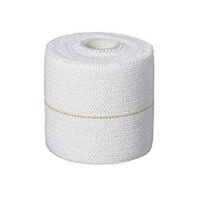
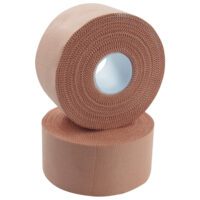
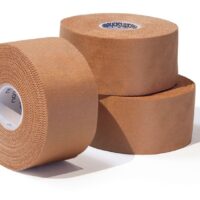
These strapping and taping products are commonly used by our physiotherapists to support and prevent injuries.


References
- Lim ECW, Tay MGX. Kinesio taping in musculoskeletal pain and disability that lasts for more than 4 weeks: is it time to peel off the tape and throw it out with the sweat? Br J Sports Med. 2015;49(24):1558-1566. doi:10.1136/bjsports-2014-094151.
- Ghozy S, Dung NM, Morra ME, et al. Efficacy of kinesio taping in treatment of shoulder pain and disability: a systematic review and meta-analysis of randomised controlled trials. Physiotherapy. 2020;107:176-188. doi:10.1016/j.physio.2019.12.001.
- Demircioğlu G, Genç A, et al. Immediate effects of Kinesio taping on pain, proprioception and posture in round shoulder individuals with subacromial impingement syndrome. Medicine. 2024;103(51):e40803.
- de Almeida Alcantara DA, dos Santos FNA, de Almeida Ferreira JJ, de Noronha M, de Andrade PR. The effect of kinesiotaping on edema: a systematic review and meta-analysis. Musculoskelet Sci Pract. 2024;74:103168. doi:10.1016/j.msksp.2024.103168.
