
Knee Pain
Knee Pain Guide


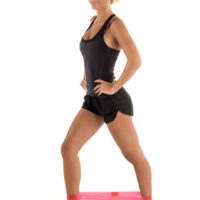
Knee pain assessment during a single-leg step-down movement test.
Knee pain may follow an injury, repeated overload, arthritis or reduced movement control. It can affect walking, stairs, squats, kneeling, running, gym training, work and sport.
Use this guide to recognise common knee pain patterns and choose the most useful next pathway. For acute twisting, impact or sporting injuries, visit our sports knee injuries hub.
Find your knee pain pathway
Choose the pattern that best matches your main symptom. Several knee problems can overlap, so also consider swelling, instability, activity and how the pain began.
Front-of-knee pain
Pain around or behind the kneecap often increases with stairs, squats, running or prolonged sitting.
Inner knee pain
Inner knee pain may follow twisting, side impact, repeated loading or irritation near the inner shin.
Outer knee pain
Outer knee pain can relate to running load, lateral joint irritation or reduced hip and knee control.
Pain behind the knee
Pain or fullness behind the knee may come from the joint, a cyst, a tendon or nearby muscles.
Swelling or giving way
Rapid swelling, instability or collapse deserves closer assessment, particularly after a twist or landing.
Pain after injury or sport
A pivot, tackle, collision or sudden direction change may injure a ligament, meniscus, tendon or other structure.
What is knee pain?
Knee pain can arise from the kneecap joint, cartilage, meniscus, ligaments, tendons, bursae, muscles or joint surfaces. It may develop suddenly after an injury or gradually when the knee’s workload exceeds its current capacity.
Common causes include kneecap irritation, tendon overload, meniscus injury, ligament injury, bursitis and osteoarthritis. Strength, training load, work demands, previous injury, footwear and movement control may also influence symptoms.
What does knee pain feel like?
Knee pain may feel sharp, dull, stiff, swollen, weak, unstable or blocked. Some people notice grinding or clicking. Others experience catching, locking or reduced confidence when standing on one leg.
The behaviour of your symptoms often matters more than the exact location. Pain with stairs differs from pain after twisting, while rapid swelling needs different consideration from a mild ache after activity.
Why does my knee hurt on stairs?
Stairs increase demand on the kneecap joint and thigh muscles. Pain may rise when the kneecap joint is sensitive or when hip, thigh and knee control reduces with fatigue.
Common contributors include patellofemoral pain, patellar tendon overload and reduced lower-limb strength. Read our detailed knee pain on stairs guide.
Why does my knee hurt after sitting?
Pain after sitting commonly occurs when the knee remains bent for a prolonged period. This position can increase load around the kneecap joint. People sometimes call this the theatre sign.
Regular movement breaks, gradual strengthening and sensible changes to sitting, stair and squat loads may help. Persistent pain still deserves assessment because several conditions can cause similar symptoms.
Why does my knee swell?
Knee swelling may develop after trauma, joint irritation, arthritis or increased activity. Even a small amount of swelling can cause stiffness and reduce muscle control.
Rapid swelling after a twist, pop or landing may indicate a more significant injury. Repeated swelling after normal activity should also be assessed.
How is knee pain assessed?
A physiotherapist will ask how your symptoms began and how they respond to walking, stairs, sitting, work, exercise and sport.
Your assessment may include:
- knee swelling and joint movement;
- walking and stair technique;
- squats and step-downs;
- hip, thigh and calf strength;
- balance and single-leg control;
- ligament and meniscus tests when appropriate; and
- running, jumping or sport-specific movement.
The findings can guide whether you may benefit from knee treatment, progressive exercise, temporary load changes, imaging or medical review.
How can physiotherapy help knee pain?
Physiotherapy may help reduce irritation, restore movement, rebuild strength and improve confidence. Your treatment plan should reflect your diagnosis, current capacity, goals and the activities you want to resume.
A rehabilitation plan may include:
- temporary changes to aggravating activities;
- hip, thigh and calf strengthening;
- knee mobility exercises;
- balance and movement-control training;
- manual therapy when appropriate;
- taping or strapping; and
- graded walking, running, work or sport progressions.
Should you rest or keep moving with knee pain?
Complete rest is rarely the best long-term approach for most knee problems. Instead, reduce activities that cause sharp pain, rapid swelling or worsening symptoms while maintaining comfortable movement.
Continue
Continue when discomfort remains mild, movement stays controlled and the knee returns to its usual level by the following day.
Modify
Reduce distance, depth, resistance, speed or impact when symptoms remain clearly worse later that day or the next morning.
Stop and seek advice
Stop the aggravating task if the knee locks, gives way, swells rapidly or develops sharp and escalating pain.
What exercises help knee pain?
Exercise usually works best when it progresses from simple, controlled movements towards the demands of daily life, work, gym or sport. The right starting point depends on your symptoms and diagnosis.
-
Settle irritation
Use comfortable movement, short walks, gentle knee bending and low-load muscle activation.
-
Restore basic strength
Build exercises such as chair squats, bridges, calf raises and supported step-ups.
-
Increase capacity
Progress resistance, squat depth, step height, single-leg strength and balance.
-
Return to your activity
Add faster movement, hills, running, jumping, gym work or sport-specific drills when appropriate.
Progress one variable at a time. Increasing speed, depth, weight and frequency together can cause an avoidable flare-up.
When do sports knee injuries need extra care?
Sports knee injuries need closer assessment when symptoms follow a pivot, tackle, landing, collision or sudden direction change. A pop, rapid swelling, locking or giving way may suggest ligament or meniscus involvement.
The sports knee injuries hub provides more specific pathways for ACL injuries, meniscus tears, ligament injuries, patellar tendinopathy and return-to-sport rehabilitation.
What does post-operative knee rehabilitation involve?
Post-operative rehabilitation may rebuild movement, strength, balance and confidence after a knee arthroscopy, knee replacement or ligament reconstruction.
Your surgeon’s instructions and procedure-specific precautions take priority. Rehabilitation usually progresses from swelling and movement management into strength, walking, stairs and higher-level function.
Knee pain FAQs
What is the most common cause of knee pain?
Common causes include patellofemoral pain, tendon overload, meniscus irritation, ligament injury and osteoarthritis. The most likely cause depends on where the pain is, how it started and which movements make it worse.
Why does knee pain hurt more on stairs?
Stairs increase load through the kneecap joint and thigh muscles. If the joint is irritated or hip and knee control reduces with fatigue, stairs often become one of the first painful activities.
Is walking good for knee pain?
Walking is often helpful when the distance and pace suit your knee. Start with short, flat walks and build gradually. Reduce the load if the knee remains clearly worse the next day.
When should you worry about knee pain?
Seek prompt medical review if you cannot take four steps, the knee locks, swelling develops rapidly, the joint becomes hot and red, or you hear a loud pop followed by immediate swelling.
Do you need surgery for a meniscus tear?
Not always. Many meniscus tears improve with exercise-based rehabilitation. Surgery may be considered if the knee remains locked, symptoms persist despite rehabilitation or clinical findings indicate orthopaedic review.
Can physiotherapy help knee pain?
Physiotherapy may help by identifying likely symptom drivers, adjusting load, restoring strength and improving movement control. A treatment plan can support return to walking, work, gym or sport.
What should you do next?
Reduce activities that cause sharp pain, rapid swelling, locking or instability. Keep moving within a comfortable range when you can do so safely.
Arrange an assessment if the knee repeatedly gives way, keeps swelling, remains painful for more than two weeks or prevents normal walking, work, gym or sport. A physiotherapist can assess the likely cause and build a practical rehabilitation plan.
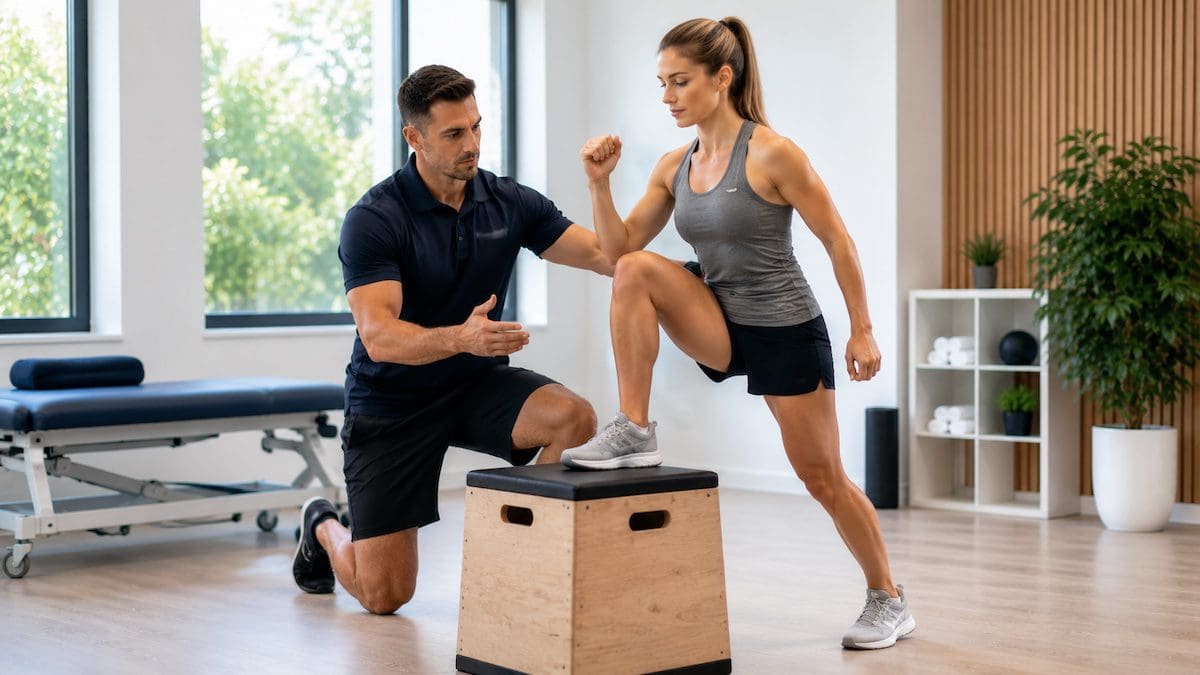
Progressive rehabilitation can rebuild knee strength, control and confidence.
Choose your clinic and appointment pathway
Select a PhysioWorks clinic to continue to live booking, an appointment request or reception assistance.
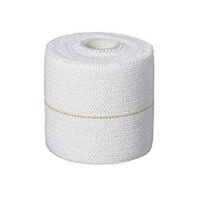
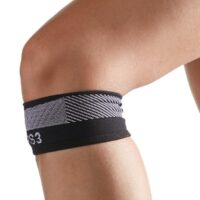
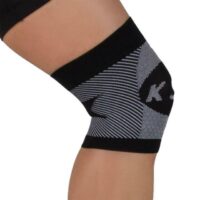
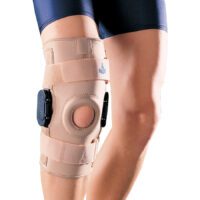
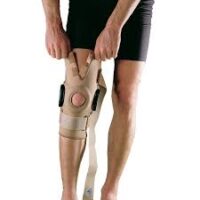
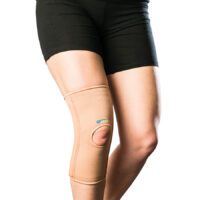
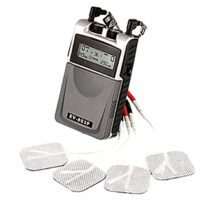
Knee Support Products
These knee support products are commonly used by our physiotherapists to help reduce strain, improve stability, and support your recovery at home.
-
 Exercise Balls, Back, Exercise Equipment, Knee, Shoulder
66fit Exercise Balls | Core & Rehab Stability Ball
$32.00 – $57.00Select optionsQuick View -
-
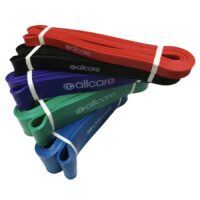
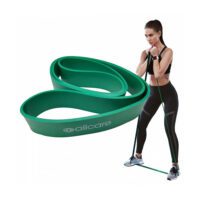 Exercise Equipment, Resistance Band
AllCare Powerloop Bands
$24.95 – $79.95Select optionsQuick View -
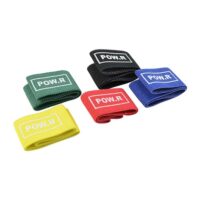 Exercise Equipment, Knee, Resistance Band
POW.R Fabric Mini Loop Bands
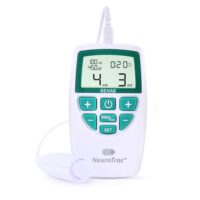
$12.00 – $55.00Select optionsQuick View - EMS Machines, Pain Management, TENS Machine, TENS Machine & EMS
NeuroTrac Rehab (TENS Machine + EMS)
$285.00Add to cartQuick View -
-

 Calf, Elbow, Ice & Heat, Knee, Pain Management
Victor Elastic Cold Sleeve
$44.00 – $60.00Select optionsQuick View -

-
-
- Liniments & Gels, Massage Liniments, Pain Management
Fisiocrem
$16.95 – $39.95Select optionsQuick View -
-


-


References
- Crossley KM, van Middelkoop M, Callaghan MJ, et al. Best practice guide for patellofemoral pain based on synthesis of a systematic review, the patient voice and clinical reasoning. British Journal of Sports Medicine. 2024;58(24):1486–1496.
- van de Graaf VA, Noorduyn JCA, Willigenburg NW, et al. Effect of early surgery versus physical therapy on knee function among patients with non-obstructive meniscal tears. JAMA Network Open. 2022;5(7):e2220394.
- Goh SL, Persson MSM, Stocks J, et al. Relative efficacy of different types of exercise for treatment of knee and hip osteoarthritis. Sports Medicine. 2023;53(8):1715–1730.
- Khan M, Evaniew N, Bedi A, Ayeni OR, Bhandari M. Evaluation and treatment of knee pain: A review. JAMA. 2023;330(15):1471–1483.
