
Acute Wry Neck
Acute Wry Neck: Symptoms, Causes and Treatment



A physiotherapist can assess painful neck movement and screen for signs that need further review.
Acute wry neck causes sudden neck pain, stiffness and difficulty turning your head. Your head may tilt or rotate towards one side, while the neck muscles can feel tightly guarded or spasmed. Many uncomplicated episodes begin improving within several days. However, significant trauma, fever, weakness, severe unusual headache or neurological changes need prompt medical assessment.
This painful form of neck pain may begin after sleep, a quick turn, prolonged positioning or an awkward movement. Symptoms often remain around the neck and upper shoulder, although some people also experience headache or pain around the shoulder blade.
Typical pattern
Sudden one-sided neck pain, muscle guarding and marked difficulty turning the head.
Recovery
Many uncomplicated episodes start improving within several days and continue settling over one to two weeks.
Get help urgently
Seek urgent medical care after major trauma or with new weakness, balance changes, fever or a severe unusual headache.
What Is Acute Wry Neck?
Acute wry neck is a sudden episode of neck pain and stiffness that can cause the head to tilt, rotate or remain held in a protective position. It commonly causes one-sided pain, muscle guarding and marked difficulty turning the head.
Although the symptoms can feel alarming, many episodes reflect mechanical neck pain rather than a serious medical condition. Recovery varies according to symptom irritability, the structures involved and whether symptoms remain local or spread beyond the neck.
What Are the Symptoms of Acute Wry Neck?
Most people notice sudden neck pain together with a strong restriction in one or more movements. Symptoms may stay around the neck or spread towards the upper shoulder, shoulder blade or head.
Pain
Sudden one-sided neck pain, which may also be felt around the upper shoulder or shoulder blade.
Movement
Turning or side-bending the neck may feel sharply painful, restricted or temporarily blocked.
Posture
The head may remain tilted, rotated or held cautiously because movement feels uncomfortable.
Muscle guarding
Neck and upper-shoulder muscles may feel tight, tender or spasmed.
Headache
Some people experience a neck-related headache, particularly when the upper neck is irritated.
Daily activities
Driving, sleeping, working or looking over your shoulder may become difficult.
What Causes Acute Wry Neck?
Acute wry neck can occur with several mechanical neck-pain patterns. Your physiotherapist may consider cervical joint irritation, disc sensitivity, muscle guarding and other possible contributors based on how your symptoms started and how your neck moves.
Cervical Joint Irritation
The small joints at the back of your neck are called cervical facet joints. Irritation around one of these joints can be associated with protective muscle guarding, local one-sided pain and a marked restriction in turning or side-bending.
However, examination cannot always identify one exact painful structure. Your symptoms, movement pattern and response to treatment often provide more useful guidance than relying on one presumed tissue diagnosis. Learn more about cervical facet joint pain.
Cervical Disc Sensitivity
A cervical disc may become sensitive after sustained positioning, repeated bending or an awkward movement. This pattern can produce a deeper ache and may develop more gradually than a sudden joint-dominant presentation.
If pain, tingling or numbness travels into the shoulder or arm, your physiotherapist may also assess for neck arm pain or cervical radiculopathy.
Muscle Guarding and Neck Sprain
Neck muscles can tighten quickly when the nervous system detects pain or threat. In some cases, an awkward or sudden movement may also irritate muscles, ligaments or other soft tissues around the neck. This presentation may overlap with a neck sprain.
Other Causes of Sudden Neck Pain
Less common causes include significant trauma, infection, inflammatory conditions and neurological disorders. Your physiotherapist or doctor will consider these possibilities when symptoms are unusual, severe or do not follow the expected recovery pattern.
When Is Acute Wry Neck Serious?
Most episodes are painful but not dangerous. Even so, sudden neck pain can occasionally occur with a more serious medical problem. Warning signs become particularly important when symptoms follow trauma or include neurological or systemic changes.
Does This Sound Like a Typical Acute Wry Neck?
More typical
Sudden one-sided neck pain, protective muscle guarding and a strong restriction in turning your head, with pain remaining mainly around the neck, upper shoulder or shoulder blade.
Arrange an assessment
Consider assessment when pain is severe, symptoms spread into the arm, numbness develops or the condition is not beginning to settle.
Seek urgent medical care
Major trauma, fever, new weakness, significant balance changes, severe unusual headache or other new neurological symptoms require prompt medical review.
How Is Acute Wry Neck Diagnosed?
Your physiotherapist or doctor will ask how the pain started, where you feel it and which movements aggravate or ease your symptoms. They will then assess neck movement, muscle response, posture and the activities that have become difficult.
The examination may also include checks of arm strength, sensation, reflexes, coordination and other neurological signs. These findings help distinguish a common mechanical presentation from conditions that need further medical investigation.
Do You Need an X-ray or MRI?
Imaging is not routinely required for a typical uncomplicated acute wry neck presentation. An X-ray, CT scan or MRI may be considered after significant trauma, when important neurological symptoms are present or when recovery does not progress as expected.
Scan findings also need clinical context. Age-related changes are common in people without neck pain, so imaging results should be interpreted alongside your symptoms and examination findings.
How Long Does Acute Wry Neck Last?
Many people begin to notice easier movement within several days. A local mechanical episode may continue settling over one to two weeks.
Recovery can take longer when symptoms are very irritable, pain travels into the arm, sleep is significantly disrupted or the problem developed gradually. Improvement is not always perfectly linear. Movement may become easier before all pain and stiffness disappear.
How Is Acute Wry Neck Treated?
Physiotherapy aims to reduce pain, restore comfortable movement and help you return to normal sleep, work, driving and exercise. Treatment should reflect your symptoms, assessment findings and daily demands.
Education and Advice
Understanding the likely nature of your symptoms can make movement feel safer. Your physiotherapist can explain which activities are reasonable to continue, what you may need to modify temporarily and what changes would require further review.
Gentle Movement
Complete rest can increase stiffness. Frequent gentle movement within a comfortable range may help maintain mobility. Your physiotherapist may prescribe neck rotation, side-bending, nodding or other movements according to your presentation.
Manual Therapy
Joint mobilisation or soft-tissue treatment may help reduce pain and improve movement for some people. Manual treatment should support active recovery rather than replace movement, exercise and gradual return to normal activity.
Neck Exercises
As symptoms settle, exercise can help restore movement control, strength and tolerance for daily activity. Your program may include neck exercises for pain relief and prevention or progressive neck strengthening.
Workstation and Posture Advice
There is no single perfect posture. However, staying in one position for too long can aggravate a sensitive neck. Your physiotherapist may review your desk setup, sitting habits, phone use, driving position and sleeping setup.
If device use regularly aggravates your symptoms, read more about text neck and practical neck posture strategies.
Heat and Medication
Short periods of comfortable heat may help some people manage neck stiffness or muscle guarding. A doctor or pharmacist can advise whether pain-relief or anti-inflammatory medication is appropriate for you.
Healthdirect also provides general information about neck pain causes and treatment options.
Can You Treat Acute Wry Neck at Home?
Simple self-care may help during the first few days when no warning signs are present.
-
Keep moving gently
Turn, tilt and nod your head within a comfortable range rather than holding your neck rigidly all day.
-
Change position regularly
Break up prolonged sitting, screen use and other sustained positions that aggravate your symptoms.
-
Use comfort measures
Short periods of comfortable heat may help if they reduce stiffness or muscle guarding.
-
Avoid forcing movement
Do not repeatedly stretch into sharp pain or try to force your neck past a painful restriction.
-
Check whether driving is safe
Do not drive if pain or restricted movement prevents you from checking mirrors, blind spots and surrounding traffic safely.
Arrange an assessment if pain is severe, movement remains markedly restricted, symptoms spread into the arm or you are not beginning to improve.
Can Acute Wry Neck Return?
Some people experience more than one episode. Recurrence does not necessarily mean your neck is damaged or unstable.
Repeated episodes may relate to movement tolerance, prolonged positions, muscle fatigue, disrupted sleep or sudden changes in activity. Your physiotherapist can help identify factors that are relevant to you rather than assuming there is one universal cause.
How Can You Reduce the Risk of Another Episode?
No strategy can prevent every episode. However, maintaining comfortable movement and gradually improving physical capacity may help your neck tolerate everyday demands.
- Change position regularly during prolonged desk or screen work.
- Keep physically active.
- Build neck and upper-back strength gradually.
- Avoid sudden large increases in training or lifting load.
- Use a pillow and sleeping position that feel comfortable.
- Address recurring arm symptoms, headaches or persistent movement restriction.
People who regularly experience neck-related headaches may also find our guide to cervicogenic neck headache useful.
Acute Wry Neck FAQs
What causes acute wry neck?
Acute wry neck can occur with cervical joint irritation, disc sensitivity, muscle guarding or a minor neck sprain. It may start after sleep, a sudden movement or prolonged positioning. Examination cannot always identify one exact tissue source.
How long does acute wry neck take to improve?
Many people begin to improve within several days. A local mechanical episode may continue settling over one to two weeks. Recovery can take longer when symptoms spread into the arm or remain highly irritable.
Should I rest or keep moving with acute wry neck?
Gentle movement is usually preferable to complete rest. Move within a comfortable range and avoid forcing your neck into sharp pain. Long periods of rigid positioning can increase stiffness.
Can acute wry neck cause headaches?
Yes. Neck pain can sometimes refer into the head. Seek urgent medical care for a sudden severe or unusual headache, particularly when it occurs with weakness, balance changes, fever or other neurological symptoms.
Do I need a scan for acute wry neck?
Most uncomplicated presentations do not need imaging early. A scan may be considered after major trauma, when significant neurological symptoms are present or when recovery does not progress as expected.
Can I drive with acute wry neck?
Do not drive if pain or stiffness prevents you from checking mirrors, blind spots and surrounding traffic safely. Resume driving only when you can control the vehicle and move your head sufficiently for safe observation.
When should I see a physiotherapist?
Consider physiotherapy assessment when pain is severe, neck movement is very restricted, symptoms spread into the arm or the condition is not beginning to improve. Assessment can also help guide work, driving, exercise and sleep modifications.
Related Neck Pain Information
Also useful: cervical radiculopathy, neck physiotherapy, daily habits for neck health and neck exercises for pain relief and prevention.

Guided movement can help restore comfortable neck rotation and confidence with everyday activity.
What to Do Next
If you have acute wry neck, a physiotherapy assessment can help clarify your presentation, check for signs that need medical review and guide an appropriate recovery plan.
Your physiotherapist can advise you about comfortable movement, pain management, work, driving, sleep and exercise. Treatment should match your individual symptoms and examination findings rather than rely on one assumed tissue diagnosis.
Choose your clinic and appointment pathway
Select a PhysioWorks clinic to continue to live booking, an appointment request or reception assistance.
Neck Products
These neck products are commonly used by our physiotherapists to improve strength, posture, movement, plus assist home exercise programs.
-
- Liniments & Gels, Massage Liniments, Pain Management
Fisiocrem
$16.95 – $39.95Select optionsQuick View -

 Back, Exercise Equipment, Neck, Resistance Band
66Fit Over Door Neck Traction Unit
$63.00Add to cartQuick View -


-
-
- EMS Machines, Pain Management, TENS Machine, TENS Machine & EMS
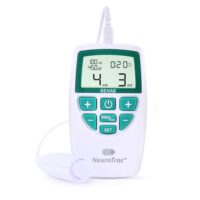
NeuroTrac Rehab (TENS Machine + EMS)
$285.00Add to cartQuick View -


-


- Christmas Gift Ideas, Neck, Pillows/Cushions
FlexiPillow Alleve Pillow
$109.95Add to cartQuick View -


-
-

 Ice & Heat, Pain Management, Uncategorized
PhysiPak Universal Heat pack
$79.00Select optionsQuick View












References
- Ramirez MM, Carvalho M, Clewley D, Pruka K, George SZ, Horn ME. Translating the Neck Pain Clinical Guidelines Into Practice: An Integrated Framework Approach. JOSPT Open. 2025;3(2):99-106. doi:10.2519/josptopen.2025.0101
- Masters S. Acute cervical spine pain in primary care. Aust J Gen Pract. 2023;52(11):857-862. doi:10.31128/AJGP-04-23-6791
- Blanpied PR, Gross AR, Elliott JM, et al. Neck Pain: Revision 2017. J Orthop Sports Phys Ther. 2017;47(7):A1-A83. doi:10.2519/jospt.2017.0302
- Miller J, Gross A, D’Sylva J, et al. Manual therapy and exercise for neck pain: a systematic review. Man Ther. 2010;15(4):334-354. doi:10.1016/j.math.2010.02.007
