Kinesiology Tape vs Rigid Tape


Kinesiology Tape vs Rigid Tape: What Is the Difference?
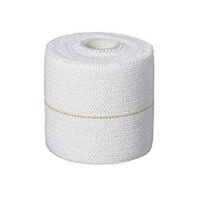
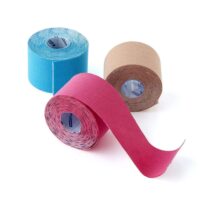
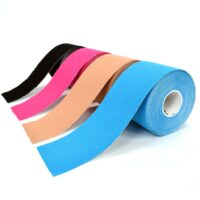
Kinesiology tape vs rigid tape comes down to movement. Kinesiology tape is elastic, so it moves with your skin and soft tissues. Rigid tape is firmer, so it is usually used to limit or guide joint movement for a short time.
Both tapes can help in the right setting. However, they do different jobs. Kinesiology tape may suit light support, swelling support, or movement awareness. Rigid sports tape may suit joint protection, short-term stability, or return-to-sport strapping. A physiotherapist can assess your injury and choose the right supportive taping and strapping option.
Quick Comparison: Which Tape Does What?
| Feature | Kinesiology Tape | Rigid Tape |
|---|---|---|
| Main role | Flexible support and sensory feedback | Firm support and motion control |
| Movement | Allows more movement | Limits selected movement |
| Common use | Muscle, tendon, swelling, posture or light joint support | Ankle, thumb, wrist, knee or sport strapping |
| Wear time | Often several days if skin tolerates it | Usually for sport, training, or a specific activity window |
When Is Kinesiology Tape Used?
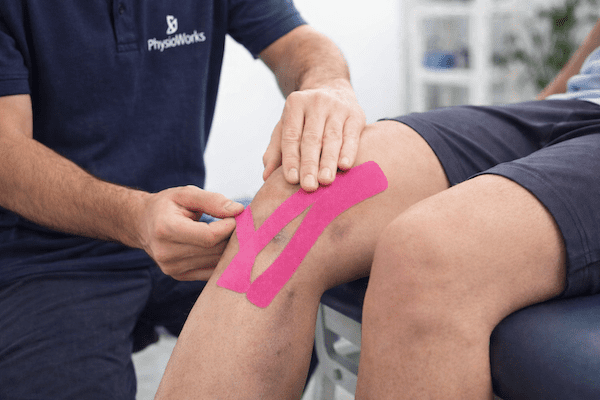
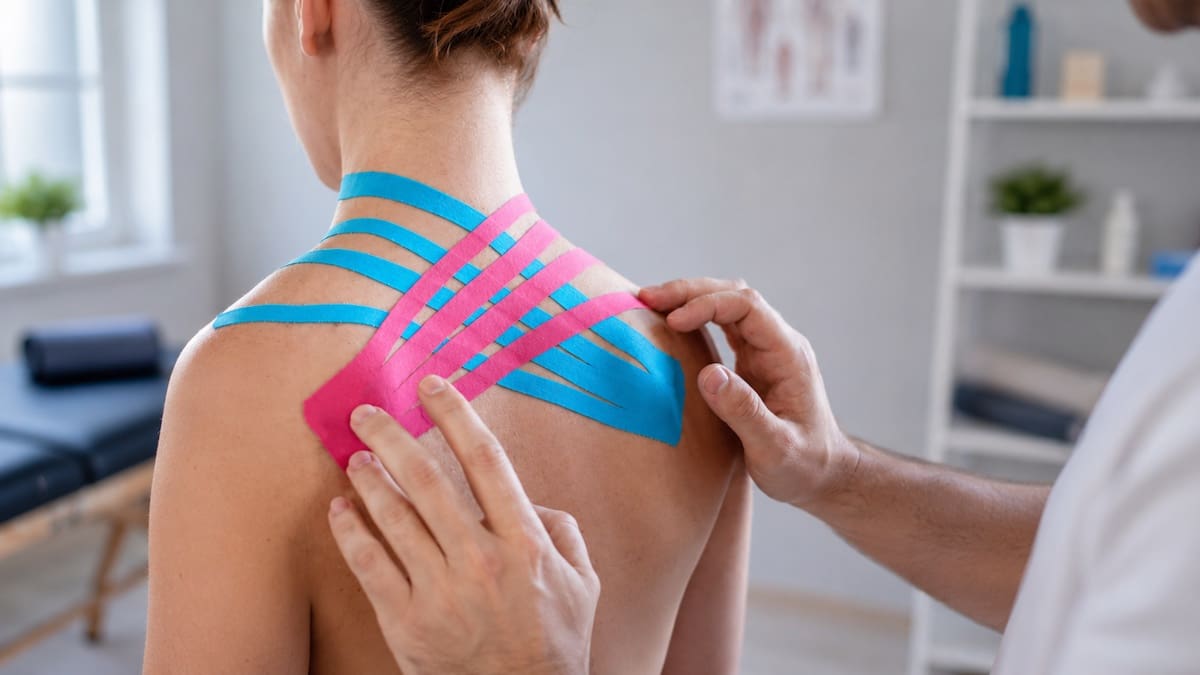
Kinesiology tape is designed to stretch with the skin. It may help some people with short-term comfort, swelling support, or movement awareness. It is often used around the shoulder, knee, back, calf, ankle, or elbow.
Common uses include tendon overload, muscle soreness, mild swelling, posture cueing, or light support during movement. For a broader guide, read our article on kinesiology tape.
Research findings are mixed. Some reviews show small short-term benefits for pain or disability, while others show limited added value over sham taping or other care. In practice, kinesiology tape is best viewed as an add-on to exercise, load management, and clinical assessment.
When Is Rigid Tape Used?
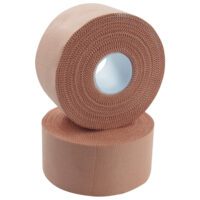
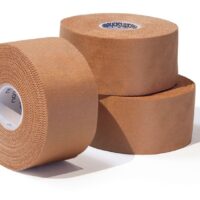
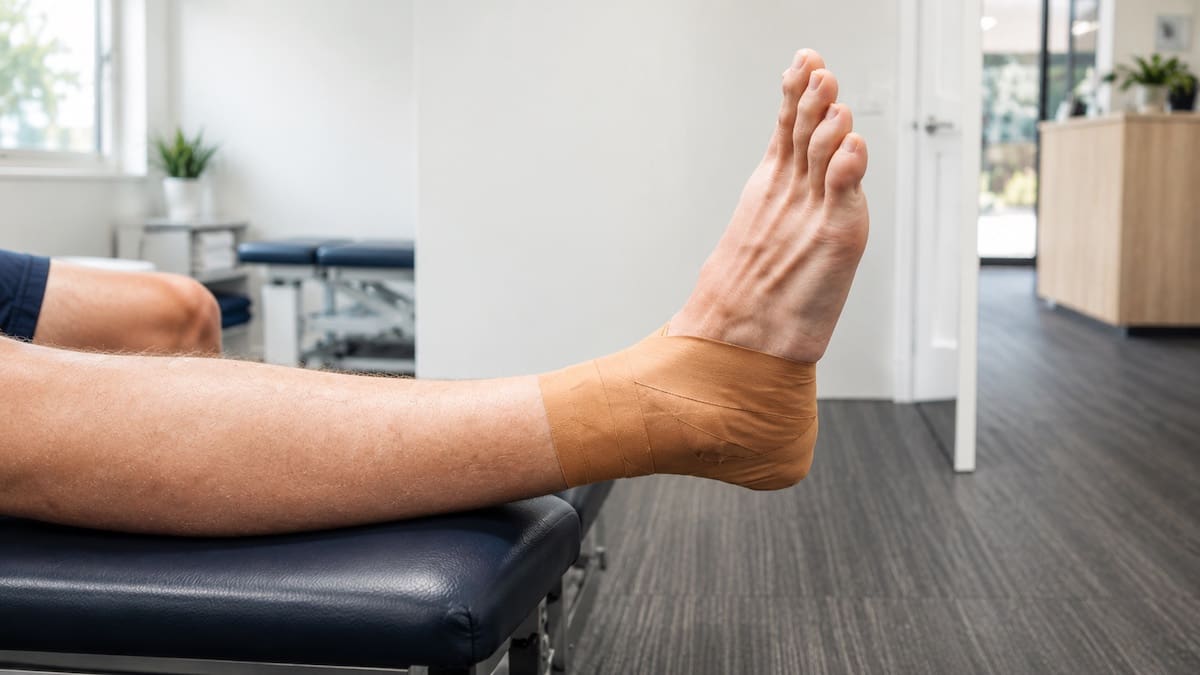
Rigid tape, also called sports tape or strapping tape, is used when you need firmer support. It can help limit unwanted movement around a joint and may improve confidence during sport or higher-load activity.
Rigid tape is often used for sprained ankles, thumb sprains, wrist support, knee ligament support, or return-to-sport strapping. It is usually applied for a shorter time than kinesiology tape. For ankle-specific advice, read our ankle strapping guide.
Which Tape Works Better?
Neither tape is automatically better. The better choice depends on the goal.
- Choose kinesiology tape when you want flexible support, light feedback, or help with movement awareness.
- Choose rigid tape when you need firmer joint support or a short-term limit on movement.
- Choose assessment first if pain is new, severe, swollen, unstable, or not improving.
The real question is not only kinesiology tape vs rigid tape. It is whether your body needs symptom support, swelling support, joint control, or a full rehab plan.
How Are Kinesiology Tape and Rigid Tape Applied?
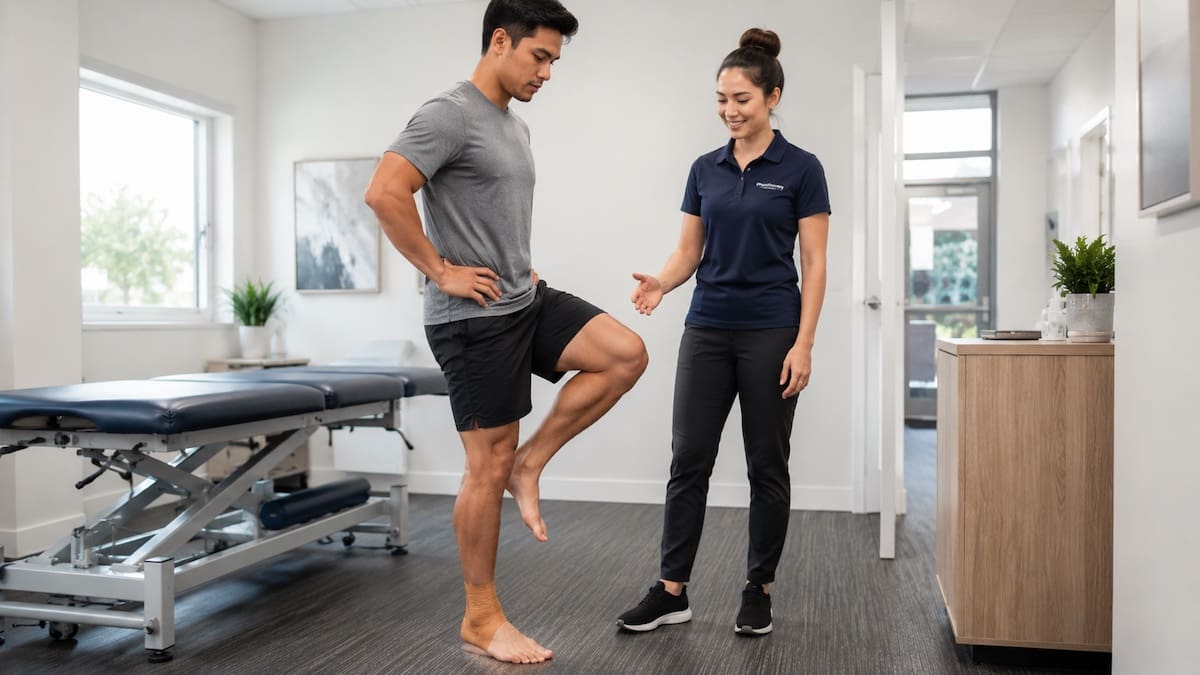
Kinesiology tape is usually applied along or across muscles, tendons, or joints with different levels of stretch. It should feel comfortable and should not pull harshly on the skin.
Rigid tape is applied more firmly. The direction, tension, and anchor points matter because the tape aims to guide or limit movement. Poor technique can feel uncomfortable or fail to support the area properly.
Safety check: Remove tape if you notice pins and needles, numbness, colour change, throbbing, itching, burning, blisters, or increasing pain. Avoid taping over broken or irritated skin.
When Should You Ask a Physiotherapist?
Ask a physiotherapist if you are unsure which tape suits your injury, if symptoms keep returning, or if you need sport-specific strapping. A physiotherapist can assess your movement, swelling, strength, and activity demands, then match the tape to your goal.
This matters for sport injuries, recurrent ankle sprains, knee pain, shoulder pain, or symptoms that flare when training load increases. If your goal is return to sport, taping should sit within a staged plan that may include strength, balance, landing control, running drills, or sports physiotherapy.
Related PhysioWorks Articles
- What does kinesiology tape help with?
- Does kinesiology tape work?
- Ankle strapping
- Knee pain
- Shoulder pain
Kinesiology Tape vs Rigid Tape FAQs
Is kinesiology tape better than rigid tape?
Not always. Kinesiology tape is usually better when you want flexible support and more natural movement. Rigid tape is usually better when you want firmer support and motion control around a joint. The right choice depends on your injury, activity, skin tolerance, and stage of recovery.
When should I use rigid sports tape?
Rigid sports tape is commonly used for acute sprains, joint instability, return-to-sport strapping, and situations where limiting movement may help. It is often used around the ankle, thumb, wrist, or knee. Because it changes joint movement more than elastic tape, it should be applied with a clear purpose.
Can kinesiology tape help with pain?
Kinesiology tape may help some people with short-term pain relief or symptom support, especially when combined with exercise, manual therapy, or load management. However, research does not show a consistent benefit for every condition. It should usually be one part of a broader rehabilitation plan.
Can I wear kinesiology tape in the shower?
Yes, many kinesiology tapes are designed to stay on during showering and daily movement for several days. Skin sensitivity, sweat, body hair, and application technique can affect how well it sticks. Remove it if it causes itching, burning, blistering, or marked peeling.
Can rigid tape stay on for days?
Usually not. Rigid tape is more often used during training, sport, or a specific period of joint protection. Leaving it on too long may irritate the skin or make circulation and movement feel restricted. It is generally less suitable than kinesiology tape for prolonged wear.
Should tape replace exercise or physiotherapy?
No. Tape may support movement, confidence, or comfort, but it does not replace assessment, strength work, balance training, or load management. If symptoms keep returning, worsen, or affect sport or work, physiotherapy can help identify the likely driver and build a clearer plan.
What To Do Next
If you are comparing kinesiology tape vs rigid tape because of pain, swelling, instability, or return-to-sport concerns, book a physiotherapy assessment. Your physiotherapist can check what needs support, apply the right tape, and show you how taping fits into your rehab plan.
Book online 24/7 and choose the PhysioWorks clinic that suits you.
Choose your clinic and appointment pathway
Select a PhysioWorks clinic to continue to live booking, an appointment request or reception assistance.
Related Taping Products
These products may help when your physiotherapist has shown you the right taping method and safe wear time.
- Kinesiology Tape - elastic tape for flexible movement support.
- Rigid Strapping Tape - firmer tape for short-term joint support.


References
- Healthdirect Australia. Sprained ankle. Healthdirect Australia. Accessed July 4, 2026.
- Tran L, et al. Efficacy of Kinesio Taping Compared to Other Treatment Modalities in Musculoskeletal Disorders: A Systematic Review and Meta-Analysis. Res Sports Med. 2023;31(4):416-439. doi:10.1080/15438627.2021.1989432.
- Romero-Morales C, Pedraza-García I, López-López D, et al. Is ankle taping effective to limit the ankle dorsiflexion in a single-training session? Sao Paulo Med J. 2024;142(3):e2022578. doi:10.1590/1516-3180.2022.0578.R1.06032023.
- Bocchino G, Grassa D, Bove A, et al. The Effects of Kinesio Tape on Acute Ankle Sprain: A Systematic Review. J Clin Med. 2025;14(5):1440. doi:10.3390/jcm14051440.