
Knee Arthritis
Knee Arthritis: Symptoms, Exercise and Treatment
Knee arthritis can make walking, stairs, chairs and longer days on your feet feel stiff or sore. A tailored plan may help you manage symptoms, build strength and stay active.


Common symptoms
Pain, stiffness, swelling, reduced movement and difficulty with stairs or longer walks.
First steps
Learn about the condition, keep moving and use a steady exercise and pacing plan.
Helpful exercise
Strength work, walking, cycling, balance exercises and gentle mobility work.
Flare-up response
Reduce one part of the activity dose rather than stopping all movement.
Imaging
An X-ray may help when imaging is needed, but scans are not always required.
Seek review
Arrange an assessment if pain, swelling, giving way or walking limits are getting worse.
What Is Knee Osteoarthritis?
Knee osteoarthritis, often called knee OA, is a long-term joint condition linked with pain, stiffness, swelling and reduced function. It may affect the inner knee, outer knee or joint behind the kneecap.
Osteoarthritis can involve changes in cartilage, bone and the joint lining. Muscle weakness, reduced movement and lower confidence may also affect how the knee feels and functions.
Symptoms often come and go. A flare-up does not always mean the joint has suffered new damage. Likewise, changes seen on an X-ray do not always match a person’s pain or ability.
For a wider overview, see our osteoarthritis guide. Our main knee pain guide covers other common causes of knee symptoms.
What Symptoms Can Knee Arthritis Cause?
Knee arthritis affects people in different ways. Common symptoms include:
- pain with stairs, hills, squatting, kneeling or prolonged standing
- stiffness after sitting or first thing in the morning
- swelling or a full feeling inside the joint
- reduced knee bending or straightening
- clicking or grinding, which is often not concerning on its own
- reduced confidence with walking, exercise, work or sport
Hip and ankle movement can also change how the knee manages load. People with pain or stiffness in both areas may also find our hip arthritis guide useful.
Why Does Knee Osteoarthritis Develop?
Knee OA usually develops through a mix of factors rather than one single cause.
Age and joint history
The chance of osteoarthritis rises with age, although it is not an unavoidable part of ageing.
Previous knee injury
A past ligament or meniscus injury may increase the risk of later joint changes.
Muscle capacity
Weakness or reduced control may make walking, stairs and repeated knee loading feel harder.
Body weight
Higher body weight may increase knee load during standing, walking and stairs.
Work and activity load
Repeated heavy demands or sudden increases in activity may aggravate a sensitive knee.
Family history
Genetic factors can influence a person’s likelihood of developing osteoarthritis.
Several other conditions can cause similar symptoms. Our knee pain causes guide may help you understand when another assessment is appropriate.
How Is Knee Osteoarthritis Assessed?
A physiotherapist will ask about your symptoms, activity, health history and goals. The physical assessment may include:
- knee swelling and range of movement
- leg, hip and calf strength
- walking and balance
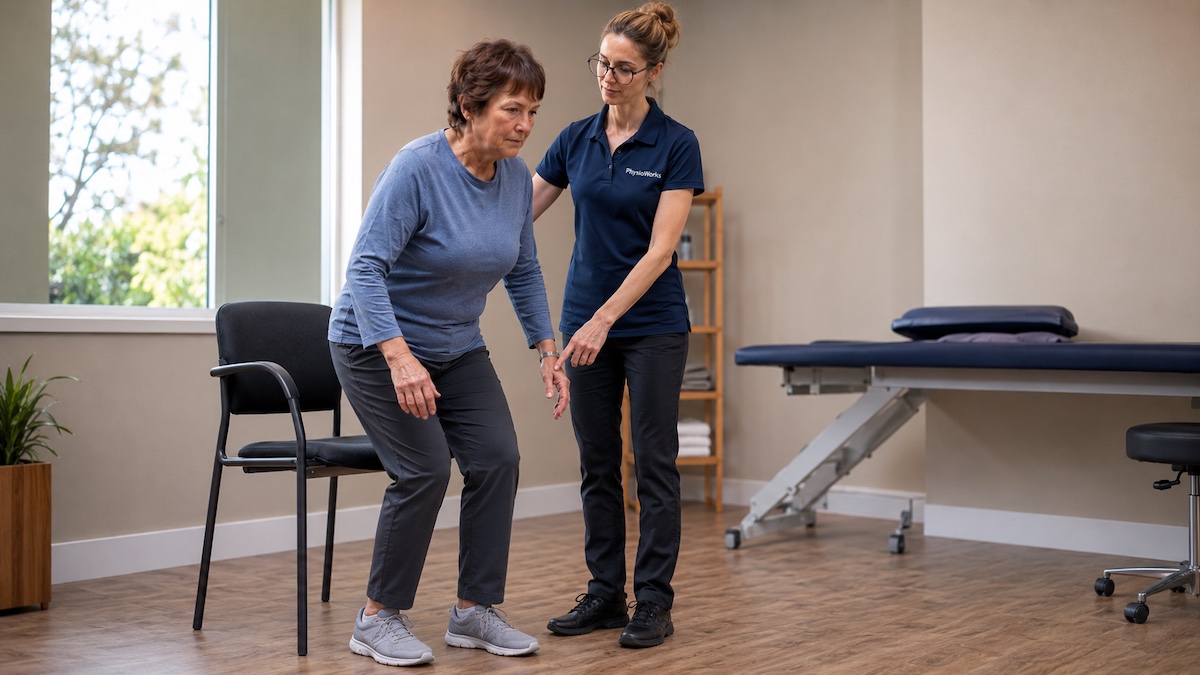
- sit-to-stand and step control
- stairs, squatting or other tasks that matter to you
This assessment helps determine whether your presentation is consistent with knee osteoarthritis or whether another condition needs further review.
Do You Need an X-ray or MRI?
Imaging is not always required to diagnose or begin treating knee osteoarthritis. When imaging is clinically warranted, an X-ray will often provide enough information.
MRI and CT scans are not routine tests for knee OA. A doctor may consider them when symptoms are unusual, another condition is suspected or surgery is being planned.
For Australian assessment and treatment guidance, read the Osteoarthritis of the Knee Clinical Care Standard.
What Helps Knee Arthritis Most?
The most useful plan usually combines education, exercise, pacing and suitable symptom relief. Treatment should match your goals, current capacity and other health conditions.
Education
Understanding osteoarthritis can reduce fear and help you make informed decisions during flare-ups.
Strength exercise
Progressive exercise can build the muscles that support walking, stairs and daily tasks.
Aerobic activity
Walking, cycling or swimming can support fitness, joint movement and general health.
Pacing
A steady plan can reduce flare-ups caused by sudden increases in steps, hills, gym work or gardening.
Weight support
Weight management may reduce knee load when it is relevant to the individual.
Medical care
A GP can discuss medicines, injections and referral options when symptoms remain difficult to manage.
What Exercises Help Knee Arthritis?
Exercise is a central part of knee osteoarthritis care. The best program is one that suits your ability and can be progressed over time.
A program may include:
- strength: quadriceps, gluteal, calf and hamstring exercises
- mobility: knee bending and straightening, plus hip and ankle movement
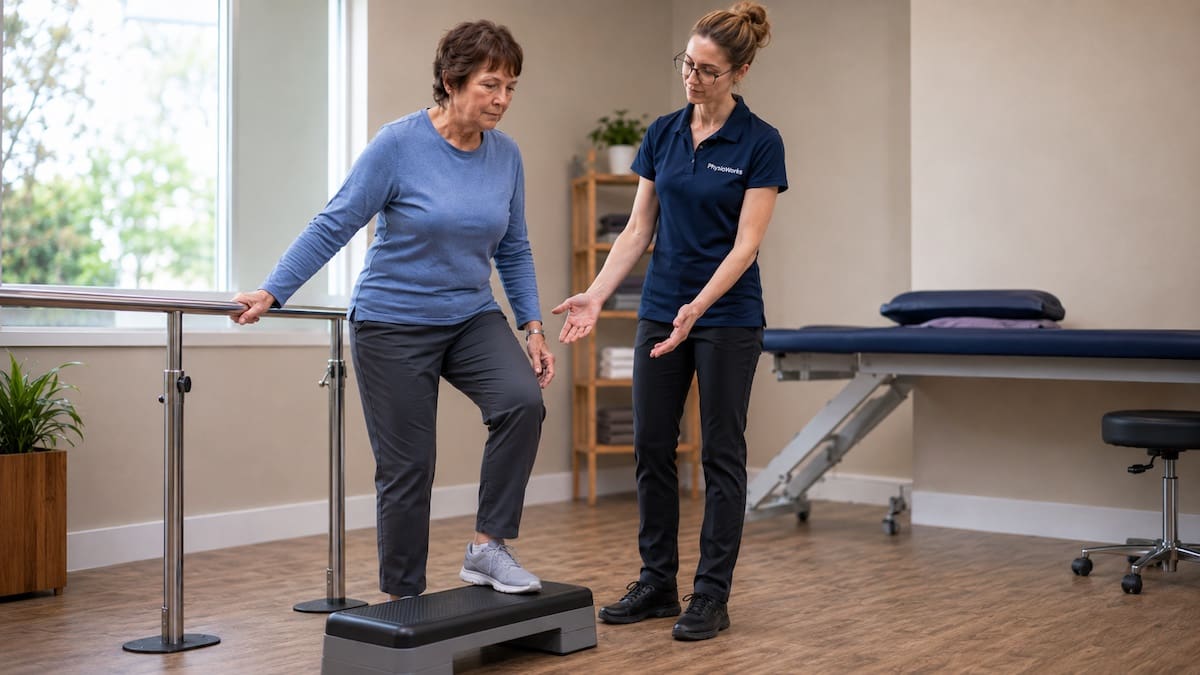
- balance: supported single-leg work, stepping and direction changes
- fitness: walking, cycling, swimming or short exercise intervals
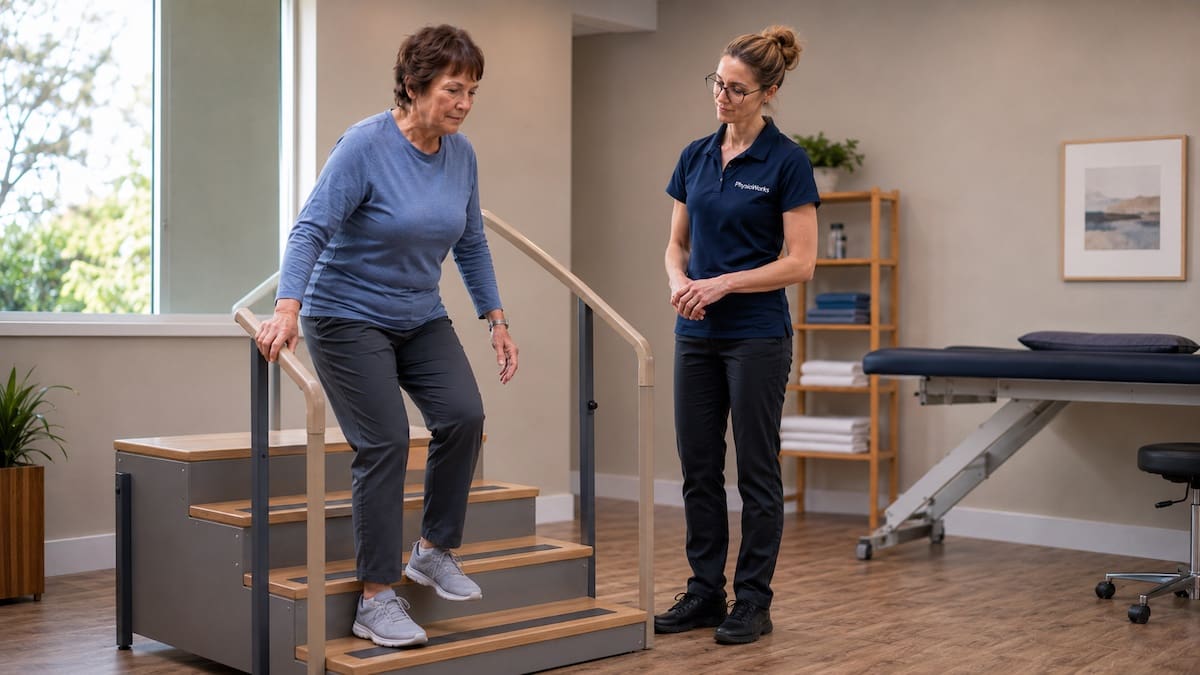
- function: sit-to-stand, step-ups and stair practice
Our knee exercises guide explains common starting points. People who mainly struggle on steps may prefer our knee pain on stairs guide.
Should You Keep Walking With Knee Arthritis?
In many cases, yes. Walking can support fitness, joint movement and confidence. However, the right amount differs from person to person.
Start with a distance or duration that feels manageable. Keep it steady for several sessions before changing the plan. Then increase only one factor at a time, such as distance, pace, hills or frequency.
Split a longer walk into shorter blocks when needed. Our walking tips for knee pain provide more practical guidance.
How Should You Manage a Flare-Up?
Flare-ups often follow a sudden increase in walking, gym exercise, gardening, travel or another daily activity. Try to identify what changed rather than assuming you must stop all movement.
-
Reduce one variable
Lower the distance, load, range, speed or number of repetitions.
-
Keep gentle movement
Use comfortable walking, cycling or range-of-motion exercises where suitable.
-
Watch swelling and walking
Marked swelling, limping or a major loss of movement suggests the previous dose was too high.
-
Hold the new level steady
Give the knee time to settle before adding another activity challenge.
-
Build again gradually
Increase one part of the program at a time once your response feels predictable.
Can Braces, Taping or Walking Aids Help?
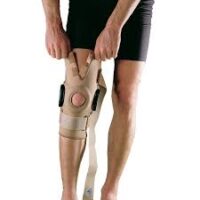
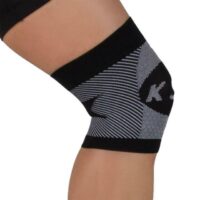
A brace, taping, walking aid, footwear adjustment or orthotic may help selected people. These options do not suit everyone and should not replace exercise or broader management.
A physiotherapist can assess whether a support improves comfort or function during a specific task. A walking stick may also help reduce knee load when pain or balance limits walking.
What About Medicines and Injections?
Medicines may help some people manage pain well enough to remain active. Your GP or pharmacist can discuss suitability, possible side effects and interactions with other medicines.
Some injections may provide short-term symptom relief for selected people. They do not reverse osteoarthritis, and benefits vary. Discuss the likely advantages, limitations and risks with your doctor.
When Is Knee Replacement Considered?
Knee replacement may be discussed when symptoms remain severe, daily function stays limited and a well-run non-surgical plan has not provided enough relief.
The decision should consider your symptoms, health, goals, expected benefits and surgical risks. Read our knee replacement guide and post-operative physiotherapy guide for further information.
How May Physiotherapy Help?
Physiotherapy aims to improve how your knee manages daily life. Your plan may include:
- assessment of your symptoms, movement and functional limits
- education about osteoarthritis and flare-up management
- strength and movement exercises matched to your ability
- walking, sit-to-stand and stair retraining
- advice about activity, supports or walking aids
- graded return to work, exercise, travel or valued hobbies
Hands-on treatment may occasionally help short-term comfort or movement. However, active management and exercise should remain the main focus.
For a wider overview of available care, see our knee treatment guide. People with symptoms across several joints may also find our joint pain relief guide helpful.
When Should You Seek Prompt Medical Review?
Arrange an assessment if knee pain is worsening, your walking distance is dropping, swelling keeps returning or the knee repeatedly gives way.
What to Do Next
Keep moving within a manageable range and build leg strength several times each week. Avoid sudden jumps in walking, hills, gym load or other demanding activity.
Book an assessment when stiffness, swelling, weakness or reduced confidence continues to limit walking, stairs or daily life. A physiotherapist can assess your current capacity and help you build a tailored plan.
Choose your clinic and appointment pathway
Select a PhysioWorks clinic to continue to live booking, an appointment request or reception assistance.
Knee Support Products
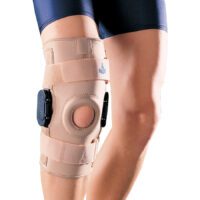
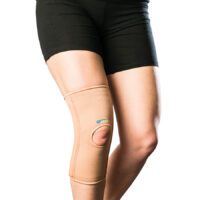
These knee support products are commonly used by our physiotherapists to help reduce strain, improve stability, and support your recovery at home.
-
-
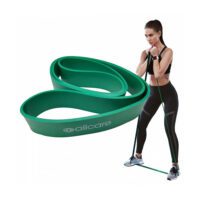 Exercise Equipment, Resistance Band
AllCare Powerloop Bands
$24.95 – $79.95Select optionsQuick View -

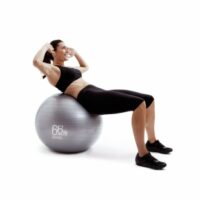 Exercise Balls, Back, Exercise Equipment, Knee, Shoulder
66fit Exercise Balls | Core & Rehab Stability Ball
$32.00 – $57.00Select optionsQuick View -
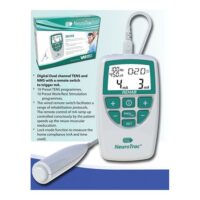
- EMS Machines, Pain Management, TENS Machine, TENS Machine & EMS
NeuroTrac Rehab (TENS Machine + EMS)
$285.00Add to cartQuick View -

 Calf, Elbow, Ice & Heat, Knee, Pain Management
Victor Elastic Cold Sleeve
$44.00 – $60.00Select optionsQuick View -
-


-

-
- Liniments & Gels, Massage Liniments, Pain Management
Fisiocrem
$16.95 – $39.95Select optionsQuick View -
-
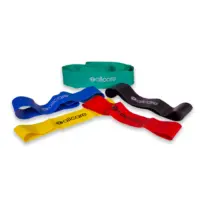
 Exercise Equipment, Knee, Resistance Band
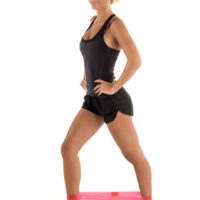
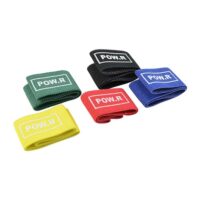
POW.R Fabric Mini Loop Bands
$12.00 – $55.00Select optionsQuick View -



References
- Gibbs AJ, Gray B, Wallis JA, et al. Recommendations for the management of hip and knee osteoarthritis: a systematic review of clinical practice guidelines. Osteoarthritis and Cartilage. 2023;31(10):1280–1292. doi:10.1016/j.joca.2023.05.015.
- Lawford BJ, Hall M, Hinman RS, et al. Exercise for osteoarthritis of the knee. Cochrane Database of Systematic Reviews. 2024;12(12):CD004376. doi:10.1002/14651858.CD004376.pub4.
- Lim YZ, Wong J, Hussain M, et al. Recommendations for weight management in osteoarthritis: a systematic review of clinical practice guidelines. Osteoarthritis and Cartilage Open. 2022;4(4):100298. doi:10.1016/j.ocarto.2022.100298.
- Mo L, Jiang B, Mei T, Zhou D. Exercise therapy for knee osteoarthritis: a systematic review and network meta-analysis. Orthopaedic Journal of Sports Medicine. 2023;11(5):23259671231172773. doi:10.1177/23259671231172773.
- Australian Commission on Safety and Quality in Health Care. Osteoarthritis of the Knee Clinical Care Standard. Published 2024.
Knee Arthritis FAQs
Can knee arthritis get better without surgery?
Many people improve with education, exercise therapy and a steady plan. Osteoarthritis changes on scans may remain, but pain and function can improve as strength, confidence and load tolerance improve.
Should I keep walking with knee arthritis?
Walking often helps when the amount suits your current capacity. Start with a manageable distance and build gradually. Reduce the dose if swelling, limping or marked next-morning stiffness increases.
What exercises should I avoid with knee arthritis?
Avoid or adjust exercises that repeatedly cause sharp pain, marked swelling or a clear loss of function. Heavy deep squats and high-impact exercise may be too demanding at first, but they are not permanently prohibited for everyone.
Is cycling good for knee osteoarthritis?
Cycling often suits knee osteoarthritis because it supports leg strength, joint movement and fitness with less impact than running. Adjust the seat and resistance so the movement remains comfortable and controlled.
Do injections fix knee arthritis?
No. Injections do not reverse osteoarthritis. Some injections may provide short-term symptom relief for selected people. Discuss the possible benefits, limits and risks with your doctor.
When should I consider a knee replacement?
A knee replacement discussion may be appropriate when symptoms remain severe, daily function stays limited and a well-run non-surgical plan has not provided enough relief. Your GP or surgeon can discuss suitability, risks and expected outcomes.