
Posture
Posture


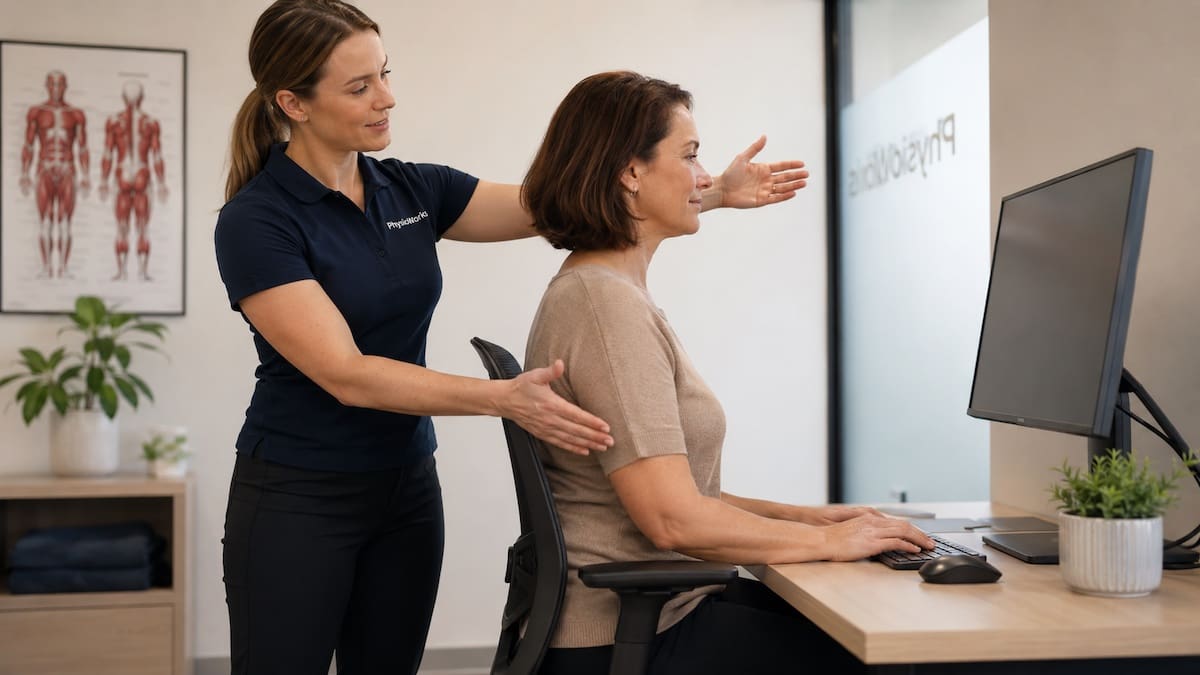
Good posture is not one perfect position. Your body is designed to sit, stand, bend, move and change position throughout the day. Comfort often depends more on how long you stay in one position, your workload, movement variety and physical capacity than on maintaining a rigid idea of “correct” alignment.
Posture can still matter. Some positions may feel uncomfortable, certain tasks can repeatedly load the neck or back, and your work setup may make movement harder. However, posture alone does not explain most neck pain or back pain.
What is good posture?
Good posture means having positions and movement options that suit your tasks. You do not need to hold one ideal body shape all day.
For example, the position that works well while typing may not suit reading on a phone, driving, lifting, exercising or relaxing. Likewise, a comfortable position can become uncomfortable when you hold it for a long time.
No perfect position
Normal posture varies between people and changes with the task.
Change positions
Movement variety can be more useful than trying to hold one position all day.
Match the task
Your chair, screen, desk and working position should suit what you are doing.
Build capacity
Strength and endurance can make prolonged or repeated tasks easier to tolerate.
Respond to symptoms
Change position or activity when stiffness or discomfort begins to build.
Look beyond posture
Sleep, stress, activity, injury, workload and health can also influence pain.
Does poor posture cause pain?
There is no simple rule that a particular posture causes neck or back pain. Research has found associations between some postures and symptoms in certain groups, but an association does not mean that posture is the sole cause.
Pain is usually more complicated. The amount of time spent in one position, repeated loading, previous injury, physical capacity, sleep, stress and other health factors may all influence how your body feels.
This means you generally do not need to fear slouching, sitting, bending or looking down. Instead, pay attention to how your body responds. If one position repeatedly becomes uncomfortable, change it, move for a while or adjust the task.
When might posture deserve more attention?
It may be useful to review your posture and movement habits when symptoms consistently build during a particular task or position.
- neck or upper-back discomfort increases during desk or screen work
- you feel stiff after prolonged sitting or driving
- headaches regularly appear during sustained computer work
- your shoulders or upper back fatigue during work or study
- you struggle to change position because of stiffness or weakness
- a particular work, sport or daily task repeatedly aggravates symptoms
Visible features such as rounded shoulders or a forward head position do not automatically mean something is wrong. Their importance depends on your symptoms, function and the demands you place on your body.
Why can changing posture feel difficult?
Posture is partly habitual. The positions you use most often become familiar, so simply reminding yourself to “sit up straight” may only lead to a brief change.
A more practical approach is to change the environment and the task as well as your position. This may include adjusting your workstation, taking movement breaks, improving mobility where needed and gradually building strength or endurance.
How does a physiotherapist assess posture?
A physiotherapy posture assessment should consider more than how you look while standing still. Your physiotherapist may ask when symptoms occur, what tasks matter to you and how your body responds when you change position or movement.
An assessment may include:
- your work, study, driving, exercise and daily routines
- positions or tasks that increase or settle symptoms
- neck, upper-back, shoulder and trunk movement
- strength and endurance where relevant
- movement during tasks that reproduce your symptoms
- your workstation or equipment setup
- strategies that make the task more comfortable or sustainable
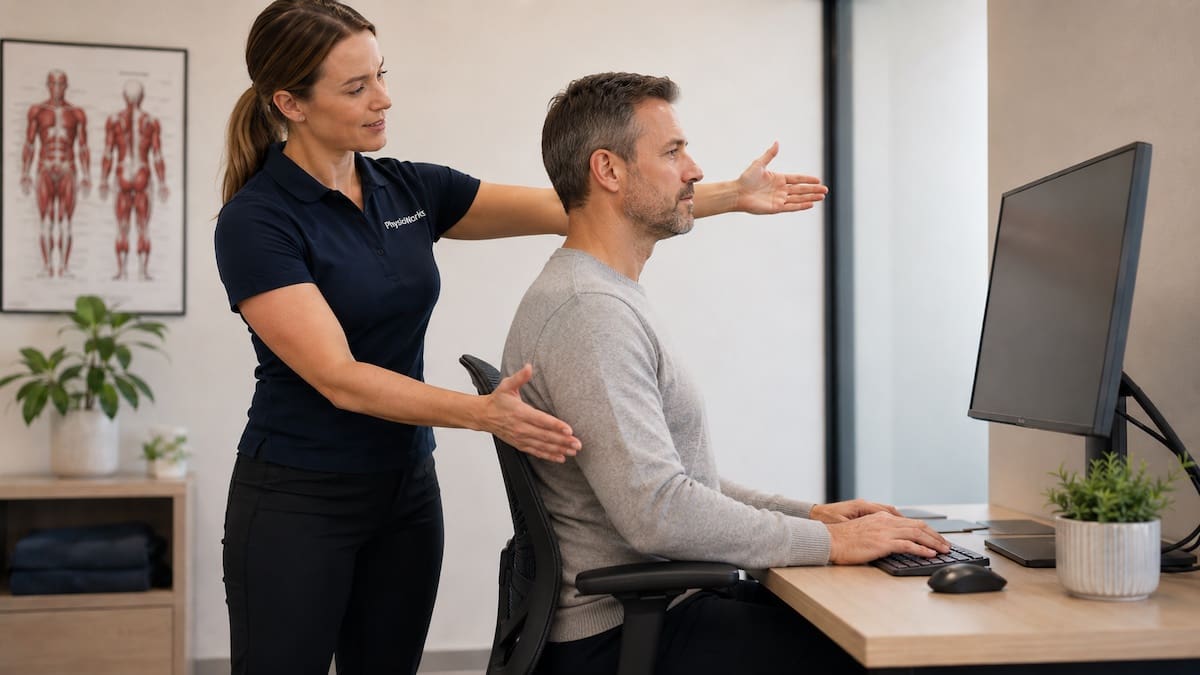
Could an ergonomic workstation assessment help?
If symptoms regularly build during computer work, the problem may involve more than how upright you sit. Chair height, screen position, keyboard and mouse reach, laptop use, task duration and opportunities to move can all influence comfort.
An ergonomic workstation assessment can review these factors together and help you make practical changes that suit your body and work demands.
What can you do to improve posture and comfort?
You usually do not need to completely rebuild the way you sit or stand. Start with a few changes that are easy to repeat.
-
Change position regularly
Do not wait until you are very stiff or sore. Stand, walk, stretch or simply use a different position when you notice discomfort beginning to build.
-
Set up the task around you
Position your chair, screen, keyboard, mouse and work materials so you can use them without repeatedly reaching, twisting or holding an uncomfortable position.
-
Keep useful areas moving
If your neck, upper back or shoulders feel stiff, suitable mobility exercises may make it easier to vary your position during the day.
-
Build strength and endurance
Exercise can improve your capacity to tolerate work, study, sport and other repeated tasks. The right exercise depends on your symptoms and goals.
-
Use cues without constantly bracing
A reminder to change position can help. However, you do not need to tense your abdominal, shoulder or back muscles all day to maintain a rigid posture.
What exercises can help posture?
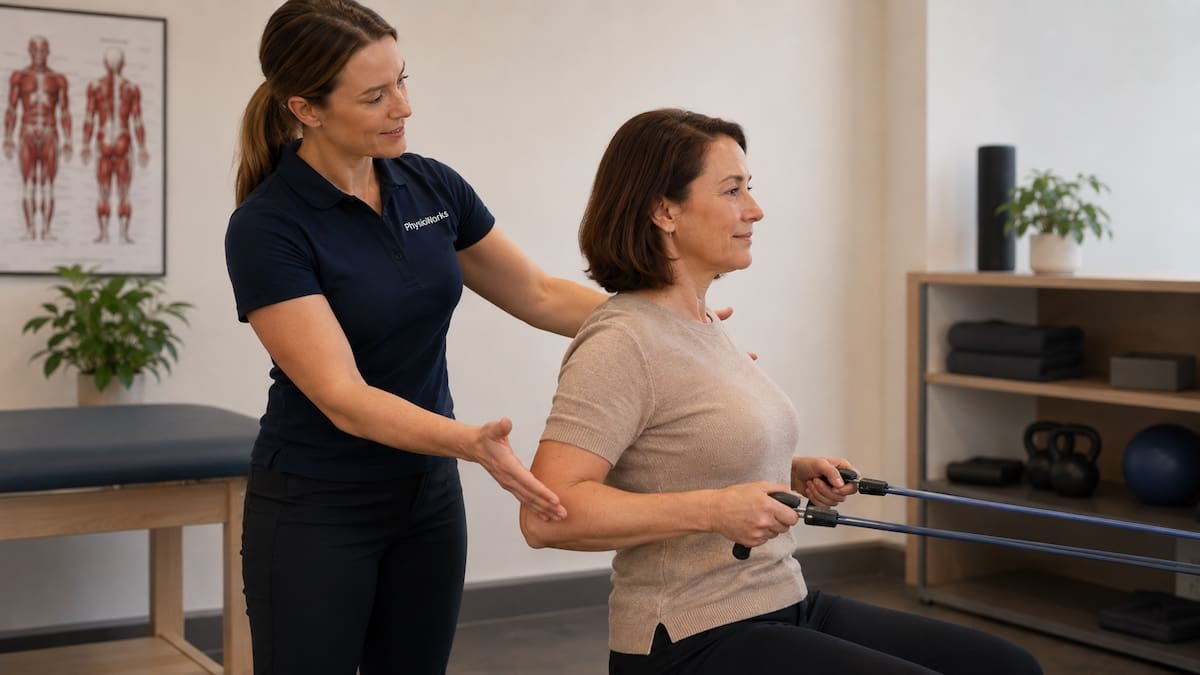
There is no single best posture exercise for everyone. Exercise should address the movements and capacities that matter to you rather than trying to force everybody into the same body shape.
A program may include upper-back mobility, shoulder-blade control, neck exercises, trunk strengthening and general physical activity. Some people need more mobility, while others benefit more from strength, endurance or simply moving more often.
Do posture braces and supports help?
A posture support may provide short-term feedback or a reminder to change position. However, it cannot replace movement, exercise or a practical review of tasks that aggravate your symptoms. Its usefulness and suitability depend on the individual and the product.
If you use a posture support, think of it as an optional aid rather than a way to hold your body in one “correct” position all day. Exercise equipment may also support a suitable strengthening program. The PhysioWorks product selection appears below, but products are not essential for everyone.
Who may benefit from a posture assessment?
A posture assessment may be useful when recurring symptoms are clearly linked with work, study, driving, lifting, sport or other sustained activities.
People often seek advice when they want to understand why a particular task keeps becoming uncomfortable or when self-directed changes have not been enough.
When to get urgent help: Seek emergency medical care for new bladder or bowel control problems, especially with numbness around the groin or new leg weakness. Seek prompt medical advice for progressive weakness, significant new numbness or symptoms following major trauma.
Related posture guides
Use these guides to explore the part of posture or workstation setup that matters most to you.
Posture FAQs
What is good posture?
Good posture is not one perfect position. It is a position that suits what you are doing and that you can comfortably change when needed. Movement variety and physical capacity are usually more useful goals than trying to stay rigidly upright all day.
Does poor posture cause neck or back pain?
Not necessarily. Some postures can be associated with symptoms, but research does not support a simple rule that one particular posture causes neck or back pain. Time in one position, workload, movement, sleep, stress, physical capacity and other health factors can also contribute.
How long does it take to improve posture?
There is no fixed timeframe because the goal is usually to improve comfort, movement options and capacity rather than achieve one ideal body position. Habits and physical capacity change gradually, so focus on adjustments you can repeat consistently.
Do posture braces work?
A posture brace may provide short-term feedback or remind you to change position. It is usually better treated as a temporary support rather than a device that must hold you in one position all day. Exercise and movement remain important.
What exercises help posture?
Useful exercises may include upper-back mobility, shoulder-blade and neck exercises, trunk strengthening and general physical activity. The best combination depends on your symptoms, daily tasks, mobility, strength and goals.
Can physiotherapy help with posture?
Physiotherapy may help when sitting, standing, work or other repeated tasks are linked with pain, stiffness or fatigue. A physiotherapist can assess your symptoms, movement, physical capacity and setup, then recommend practical changes and exercises where appropriate.
What to do next
If sitting, standing, screen use, driving or another repeated task keeps causing discomfort, start by changing position more often and reviewing how the task is set up.
If symptoms continue, a physiotherapy assessment can look beyond appearance alone. Your physiotherapist can consider your symptoms, movement, workload, strength, mobility and daily routine, then help you choose changes that are practical for you.
Choose your clinic and appointment pathway
Select a PhysioWorks clinic to continue to live booking, an appointment request or reception assistance.
Posture Products
These posture products are commonly used by our physiotherapists to improve posture, postural strength, endurance and flexibility, plus assist home exercise programs.
-
- Back, Braces & Supports, Christmas Gift Ideas, Posture
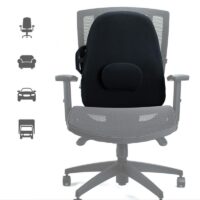
OBUSFORME Low Back Cushion
$159.99Add to cartQuick View -
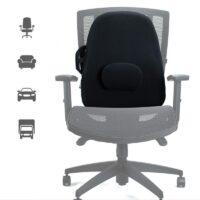
- Gift Ideas, Back, Braces & Supports, Pillows/Cushions, Posture
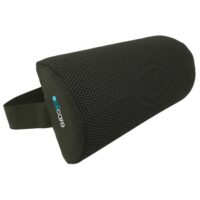
All Care Lumbar Support D-Roll
$20.50Add to cartQuick View -

-
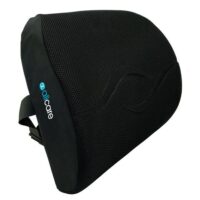 Back, Braces & Supports, Pillows/Cushions, Posture
AllCare Deluxe Back Cushion
$56.00Add to cartQuick View - Back, Braces & Supports, Posture, Shoulder
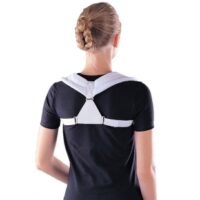
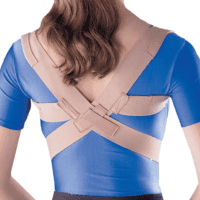
OPPO 2075 Posture Aid & Clavicle Brace
$35.00Select optionsQuick View - Braces & Supports, Back, Neck, Posture, Shoulder
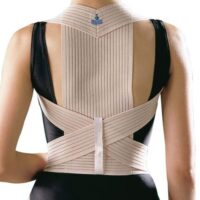
OPPO 2175 Posture Aid & Clavicle Brace
$59.95Select optionsQuick View -
-
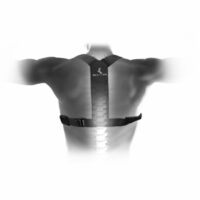
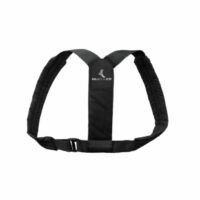 Back, Braces & Supports, Posture, Shoulder
Mueller Adjustable Posture Corrector
$44.95Add to cartQuick View -




References
- Swain CTV, Pan F, Owen PJ, Schmidt H, Belavy DL. No consensus on causality of spine postures or physical exposure and low back pain: a systematic review of systematic reviews. J Biomech. 2020;102:109312. doi:10.1016/j.jbiomech.2019.08.006.
- Rani B, Paul A, Chauhan A, Pradhan P, Dhillon MS. Is neck pain related to sagittal head and neck posture? A systematic review and meta-analysis. Indian J Orthop. 2023;57(3):371-403. doi:10.1007/s43465-023-00820-x.
- Resende PA, Correia IMT, Ferreira AS, Meziat-Filho N, Lunkes LC. Neck pain and text neck using Hill’s criteria of causation: a scoping review. J Bodyw Mov Ther. 2025;42:132-138. doi:10.1016/j.jbmt.2024.12.016.
- Sepehri S, Sheikhhoseini R, Piri H, et al. The effect of various therapeutic exercises on forward head posture, rounded shoulder, and hyperkyphosis among people with upper crossed syndrome: a systematic review and meta-analysis. BMC Musculoskelet Disord. 2024;25:117. doi:10.1186/s12891-024-07224-4.
- Abd El-Azeim AS, Mahmoud AG, Mohamed MT, El-Khateeb YS. Impact of adding scapular stabilization to postural correctional exercises on symptomatic forward head posture: a randomized controlled trial. Eur J Phys Rehabil Med. 2022;58(5):757-766. doi:10.23736/S1973-9087.22.07361-0.
- Katzman WB, Parimi N, Gladin A, et al. Long-term efficacy of treatment effects after a kyphosis exercise and posture training intervention in older community-dwelling adults: a cohort study. J Geriatr Phys Ther. 2021;44(3):127-138. doi:10.1519/JPT.0000000000000262.