
Strength Training
Understand progressive resistance exercise and how strengthening can support movement, rehabilitation and physical capacity.
$32.95 – $67.95
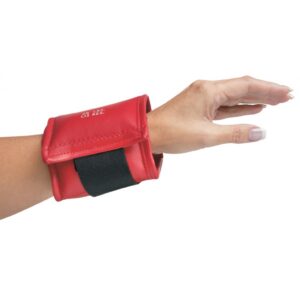
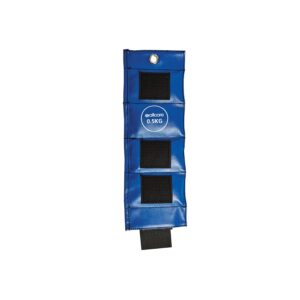
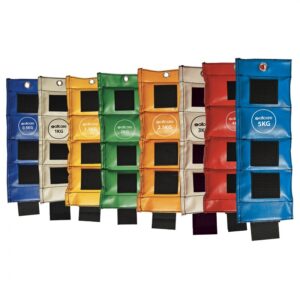
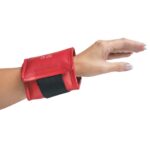
66fit Vinyl Cuff Weights are designed to add external resistance to wrist and ankle exercises. They provide a practical option for home exercise, physiotherapy rehabilitation and progressive strength training.
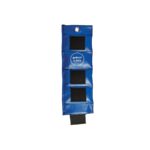
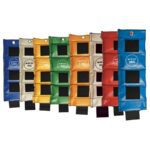
Available in eight weights from 0.5kg to 5kg, each cuff features a vinyl outer covering and a long, adjustable hook-and-loop fastening strap.
Important: Each cuff weight is sold individually, not as a pair. Select the required weight using the product options above.
Resistance
Eight weight options from 0.5kg to 5kg.
Placement
Designed for wrist or ankle use.
Pack quantity
One cuff weight per purchase.
Cuff weights add a fixed load to an arm or leg during exercise. Unlike a handheld dumbbell, the cuff attaches directly to the limb. This can be useful when an exercise requires the hands to remain free.
Common applications include controlled hip exercises, knee extensions, leg raises and selected upper-limb strengthening movements.
When used as part of an appropriate program, progressive resistance exercise can help improve muscular strength and physical capacity.
Learn more about strength training and physiotherapy.
Choose the resistance that suits your exercise program and current strength.
| Weight | Colour |
|---|---|
| 0.5kg | Dark Blue |
| 1kg | White |
| 1.5kg | Gold |
| 2kg | Green |
| 2.5kg | Orange |
| 3kg | Beige |
| 4kg | Red |
| 5kg | Light Blue |
Physiotherapists may prescribe cuff weights when additional resistance is appropriate for a particular rehabilitation or strengthening exercise.
Examples include:
For injury-related exercise advice, read our guide to muscle injury treatment and rehabilitation.
The appropriate resistance depends on the exercise, your current strength, symptoms and rehabilitation goals. A heavier weight is not automatically more effective.
Starting resistance
Choose a load that allows controlled movement and correct technique.
Exercise progression
Increase resistance when the current exercise becomes manageable and progression is appropriate.
Rehabilitation advice
Follow your physiotherapist’s recommended resistance if recovering from injury or surgery.
Choose the resistance specified in your exercise program or appropriate to your current ability.
Position the cuff around your wrist or ankle. Adjust the strap for a secure, comfortable fit without excessive pressure.
Use slow, controlled movement. Avoid swinging the weight or changing your technique to compensate for excessive resistance.
Adjust repetitions, resistance or exercise difficulty according to your training or rehabilitation plan.
Each cuff weight is sold individually. If your exercise program requires two cuffs, select the appropriate quantity when purchasing.
Yes. The 66fit Vinyl Cuff Weights are designed for wrist or ankle use. Choose exercises that suit your strength, movement capacity and goals.
Lighter options, such as 0.5kg or 1kg, may suit some beginners. However, the appropriate resistance depends on the exercise and individual capacity. Some people may need to begin without additional weight.
They may be useful for selected rehabilitation exercises when prescribed appropriately. Their suitability depends on the injury, recovery stage, exercise and intended load.
Adding resistance increases muscular effort during an exercise. When the resistance and exercise are appropriate, progressive training can help improve strength over time.
Exercise frequency depends on the movement, resistance, recovery needs and training goals. Follow your prescribed rehabilitation or strengthening program rather than using a fixed schedule for every exercise.
Select your preferred cuff weight from the product options above. If you are following a physiotherapy rehabilitation program, choose the resistance recommended by your treating practitioner.
Using an appropriate resistance with controlled exercise technique can help you progress your strengthening program.
| Weight | 0.5 kg |
|---|---|
| Dimensions | 30 × 5 × 10 cm |
| Weight | 0.5kg, 1.5kg, 1kg, 2.5kg, 2kg, 3kg, 4kg, 5kg |
Only logged in customers who have purchased this product may leave a review.


Reviews
There are no reviews yet.