
Post-Stroke Rehabilitation
Post-Stroke Rehabilitation


Post-stroke rehabilitation helps you rebuild movement, strength, balance, and independence after a stroke. At PhysioWorks, post-stroke rehabilitation combines Neurological Rehabilitation, Exercise Physiology, and Neurological Physiotherapy to support safe, structured recovery.
Recovery is different for everyone. Some people need help walking safely or improving balance. Others want to rebuild strength, improve arm use, or return to work, hobbies, and community life. A structured plan helps you progress step by step rather than guessing what to do next.
Post-stroke rehabilitation may help with:
- walking and balance problems
- reduced arm or hand function
- weakness and low endurance
- falls risk and reduced confidence
- fatigue and reduced activity tolerance
What Is Post-Stroke Rehabilitation Physiotherapy?
Post-stroke rehabilitation is a structured program designed to improve mobility, strength, coordination, and daily function after stroke. It combines physiotherapy and exercise physiology to target both movement quality and overall physical capacity.
Programs often include walking retraining, balance work, strength exercises, and task-specific practice so improvements carry over into real life.
Why Exercise Physiology Is Important After Stroke
Exercise physiology plays a key role in post-stroke rehabilitation, particularly once early recovery has stabilised. While physiotherapy often focuses on movement quality and control, exercise physiology helps build strength, endurance, and long-term physical capacity.
This is important because many people experience ongoing deconditioning after stroke. Reduced fitness can limit walking distance, increase fatigue, and slow recovery. A progressive, supervised exercise program helps rebuild these physical foundations safely.
Exercise physiology may also help improve cardiovascular health, reduce future health risks, and support long-term independence.
What Are the Stages of Post-Stroke Rehabilitation?
Recovery usually progresses through stages, although timelines vary between individuals.
- Early stage: focus on basic movement, mobility, and safety
- Subacute stage: rebuilding strength, walking, and function
- Long-term stage: improving fitness, confidence, and independence
Many people benefit from continued rehabilitation even months or years after stroke, especially when goals shift towards improving activity levels and quality of life.
What Problems Does Post-Stroke Rehabilitation Treat?
Post-stroke rehabilitation commonly addresses walking difficulties, poor balance, weakness, reduced endurance, and upper limb limitations. It can also help with reduced confidence, falls risk, and difficulty returning to daily activities.
If balance remains a key issue, you may also benefit from balance and dizziness assessment or broader neurological rehabilitation programs.
Can NDIS Funding Support Post-Stroke Rehabilitation?
NDIS funding may support post-stroke rehabilitation when your goals relate to mobility, independence, or participation in daily activities.
Physiotherapy and exercise physiology services can often be included under capacity-building supports. Programs may focus on improving walking, reducing falls risk, increasing strength, or helping you return to meaningful activities.
You can learn more via our NDIS Physiotherapy & Exercise Physiology page or discuss your plan with our team.
What Can You Expect at a Post-Stroke Rehabilitation Appointment?
Your first session includes a detailed assessment of movement, strength, balance, walking ability, and functional goals. Your clinician will then build a structured plan tailored to your current level and goals.
Sessions may include walking retraining, strength exercises, balance drills, cardiovascular training, and task-specific activities. Programs are progressed over time to keep improving your capacity.
What Are the Benefits of Post-Stroke Rehabilitation?
The main goal is to improve function that matters to you. This may include walking further, improving balance, increasing strength, or returning to everyday activities.
Structured rehabilitation can also improve confidence, reduce falls risk, and support long-term health and independence.
When Should You Seek Post-Stroke Rehabilitation?
You should consider post-stroke rehabilitation if walking, balance, strength, or fatigue still limit your daily life. It may also help if progress has slowed or you are unsure how to safely progress your exercise.
If you develop new or worsening neurological symptoms, seek urgent medical care rather than routine rehabilitation.
What To Do Next
If walking, balance, or confidence still limit you after stroke, a structured post-stroke rehabilitation plan may help you move more safely and independently.
A PhysioWorks clinician can assess your current ability, set clear goals, and guide your recovery with a practical, step-by-step plan.
Next steps:
- book an assessment to start a structured rehabilitation plan
- bring any hospital or specialist reports
- write down your top recovery goals before your session
Choose your clinic and appointment pathway
Select a PhysioWorks clinic to continue to live booking, an appointment request or reception assistance.
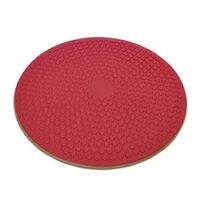
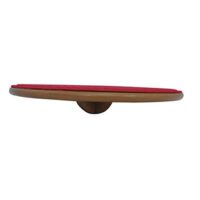
Balance Products
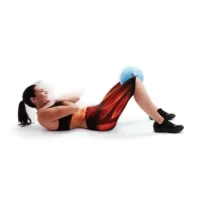
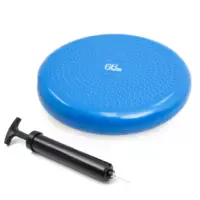
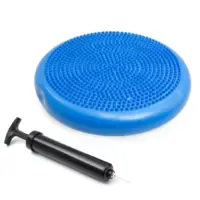
These balance products are commonly used by our physiotherapists to improve strength, balance, prevent injuries falls or injuries, plus assist home exercise programs.
-
- Gift Ideas, Back, Christmas Gift Ideas, Exercise Balls, Exercise Equipment, Knee, Pelvic Floor, Product Search
66fit Pilates Balls
$14.95 – $16.95Select optionsQuick View -
-
-




References
- Winstein CJ, Stein J, Arena R, et al. Guidelines for Adult Stroke Rehabilitation and Recovery. Stroke. 2016.
- French B, Thomas LH, Coupe J, et al. Repetitive task training after stroke. Cochrane Database. 2016.
- Tapp A, et al. High-intensity locomotor training after stroke. 2024.
- Soleimani M, et al. Upper limb rehabilitation in stroke. 2024.
FAQs
Can exercise improve recovery after stroke?
Yes. Structured exercise can improve strength, walking ability, endurance, and overall function after stroke. It also supports long-term health and independence.
Is it too late to start post-stroke rehabilitation?
No. Many people benefit from rehabilitation months or years after stroke, particularly when focusing on strength, fitness, and functional goals.
How often should I do rehabilitation after stroke?
This depends on your goals and current ability. Many programs combine supervised sessions with a home program to support consistent progress.
