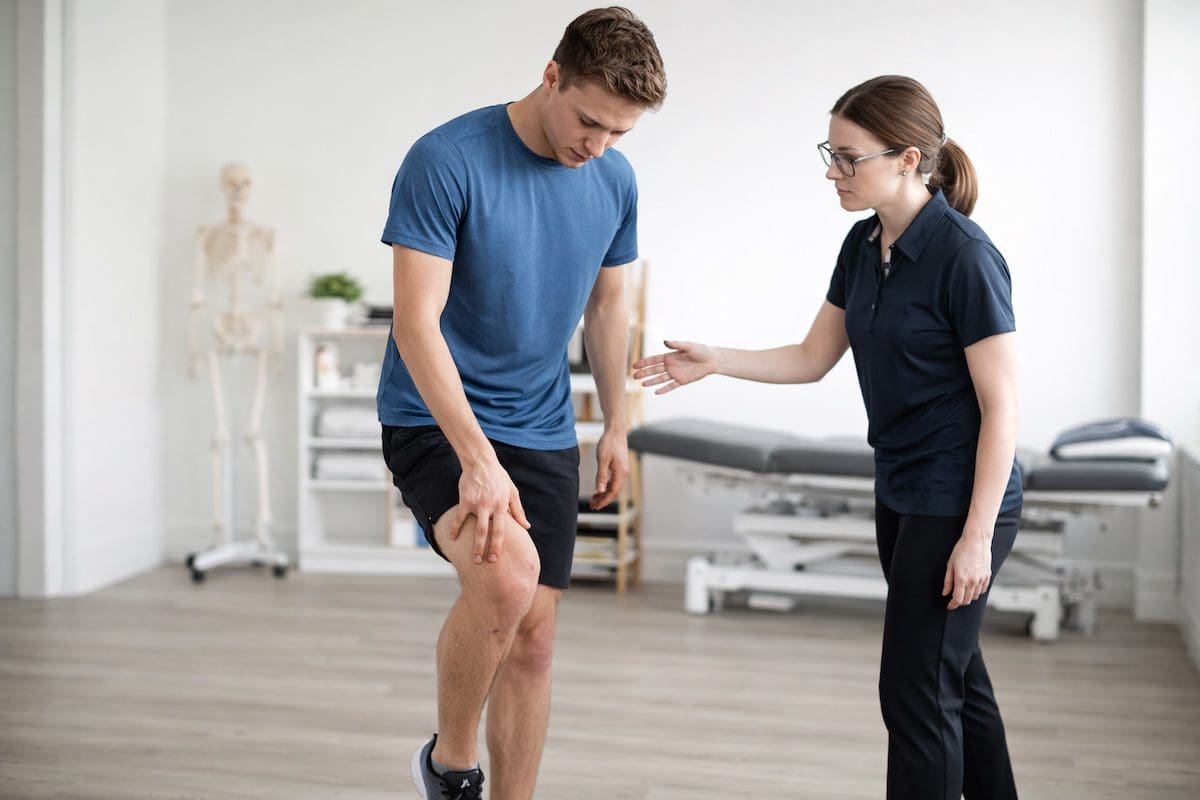
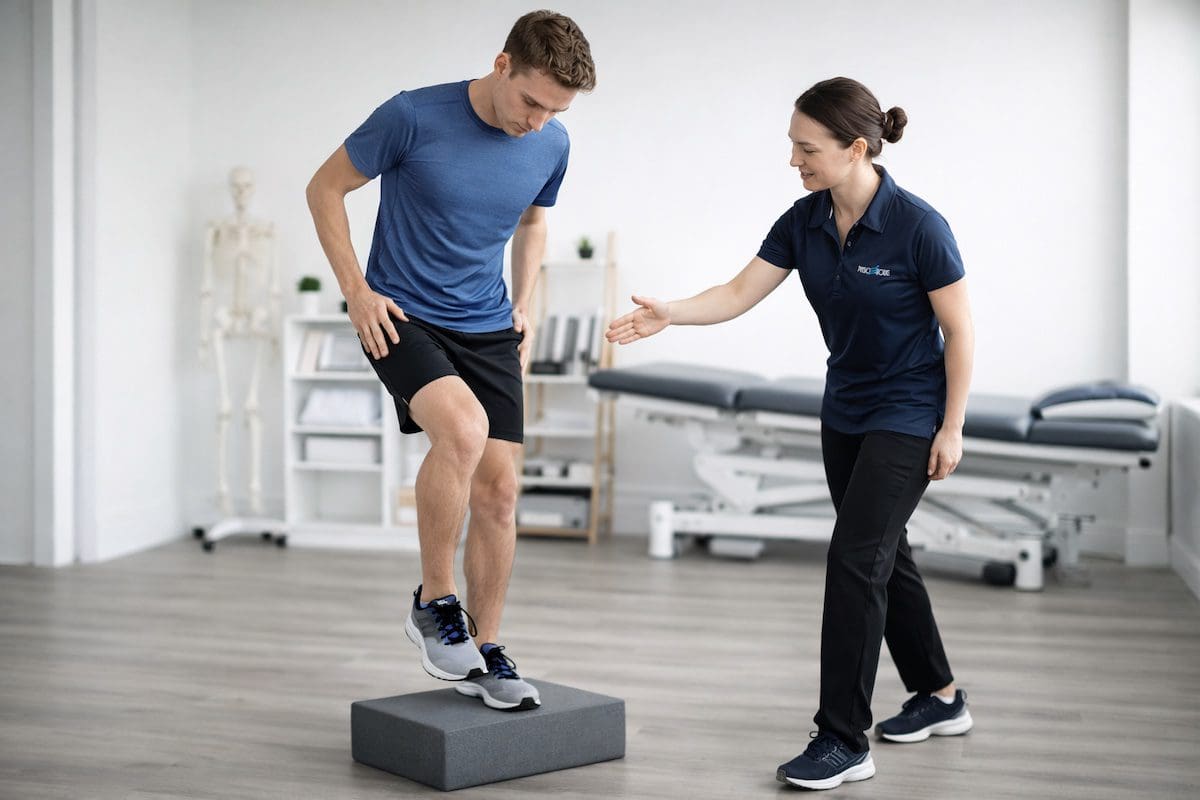
Why Doesn’t Rest Fix Tendon Pain?


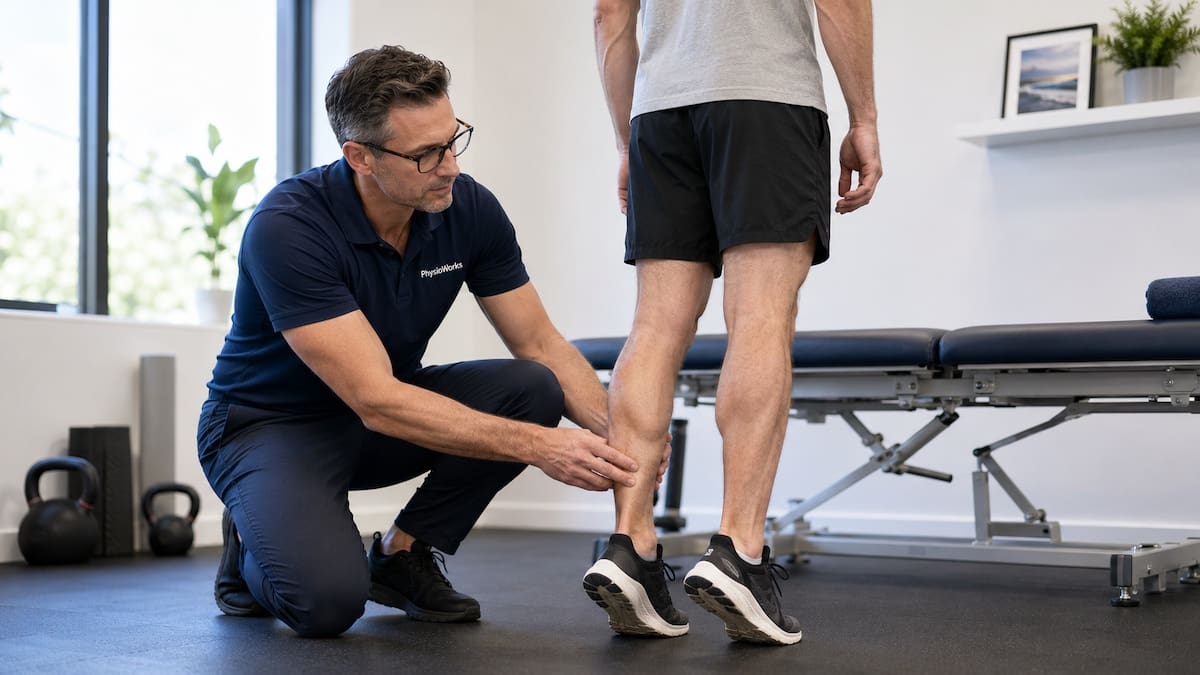
Tendon pain often needs guided loading, not complete rest.
Rest usually does not fix tendon pain because it eases symptoms without rebuilding tendon capacity. A painful tendon may feel better after time away from walking, running, jumping, gym training, or sport. However, pain often returns when the same activity loads the tendon again.
Tendons respond to the right amount of load over time. Too much load can irritate a tendon. Too little load can reduce strength, endurance, and tolerance. Effective tendinopathy treatment aims to find the middle ground. The goal is to build capacity without repeated flare-ups.
If tendon pain keeps returning after rest, the issue may relate to overuse injuries, a sudden training spike, weakness, poor load progression, or reduced tendon tolerance. A physiotherapist can assess what is driving your symptoms and guide a safer return to activity.
Why Doesn’t Rest Fix Tendon Pain?
Rest can lower pain because it removes the immediate demand on the tendon. However, it does not improve tendon strength, load tolerance, or the tendon’s ability to cope with repeated activity.
This is why many people feel better during rest, then become sore again when they restart running, walking, jumping, sport, or gym work. The tendon has had a break, but it has not gained the capacity needed for the task.
This pattern is common when people:
- start a new sport, gym program, or walking routine
- increase running distance, hills, speed, or training frequency too quickly
- return to sport after time off
- change footwear, surfaces, or workload suddenly
- ignore smaller warning signs until symptoms build
Tendons are slow to adapt. Sudden changes in activity can exceed their current capacity. A long period of complete rest can also make the tendon less prepared for normal activity.
Should You Rest or Keep Moving With Tendon Pain?
Most tendon pain needs modified activity rather than complete rest. The aim is to reduce the most irritating loads while keeping safe, useful movement in your day.
Tendon Load Decision Guide
- Pain settles within 24 hours: the load may be acceptable, but keep monitoring symptoms.
- Pain increases during or after activity: reduce speed, volume, hills, jumping, or resistance.
- Pain keeps returning after rest: the tendon may need a staged strengthening plan.
- Pain is worsening or spreading: book an assessment to check the diagnosis and loading plan.
What Tendinopathy Treatment Usually Involves
Tendinopathy treatment usually combines load changes with progressive strengthening. This means reducing painful loads enough to calm symptoms while still giving the tendon a useful exercise stimulus.
Treatment may include:
- short-term reduction of painful or high-load activities
- specific tendon strengthening exercises
- progressive reloading based on symptoms and goals
- muscle strength, control, and movement training
- biomechanical assessment where relevant
- education about training load, pacing, and recovery
There is no single exercise plan that suits every tendon or every person. For example, an Achilles tendinopathy program may look different from a patellar tendinopathy, gluteal tendinopathy, or proximal hamstring tendinopathy program. Your tendon, activity level, strength, irritability, and goals all influence the plan.
How Does Physiotherapy Help Tendon Pain?
A physiotherapist can assess why the tendon became painful and what needs to change. Treatment should not only focus on short-term pain relief. It should also address why the tendon became overloaded or underprepared.
Physiotherapy management may include:
- Identifying likely causes, such as training error, weakness, reduced tendon capacity, or poor load progression.
- Checking for other pain sources, such as bone stress injury, bursitis, joint irritation, or referred pain.
- Prescribing suitable exercises to improve tendon strength, tolerance, and function.
- Planning a return to activity through gradual and measurable load progression.
- Using symptom relief options, such as taping, massage, or dry needling, when suitable.
Depending on the tendon involved, related issues such as peroneal tendinopathy, hip adductor tendinopathy, rotator cuff tendinopathy, or tennis elbow may also need tendon-specific rehabilitation.
How Do You Build Tendon Capacity?
Tendon capacity improves gradually. Most tendons respond well when the right load is repeated over time. This often means a staged strengthening program that progresses based on symptoms, recovery, and function.
Early on, you may need to reduce painful tasks such as sprinting, jumping, hills, deep squats, heavy lifting, or high-volume gym work. As symptoms settle, your program may progress toward heavier strength work, faster movements, and sport-specific loading.
This approach is often more useful than full rest because it improves the tendon’s ability to tolerate future load. For broader background, read more about tendonitis, tendinitis, tendinosis, and tendinopathy.
Quick Check: Is Rest Enough?
Rest may be enough for a mild short-term overload if pain settles and does not return with normal activity.
If pain keeps coming back, the tendon usually needs a plan that changes load, improves strength, and rebuilds tolerance in stages.
When Should You Seek Help for Tendon Pain?
You should consider a physiotherapy assessment if tendon pain:
- keeps returning when you restart activity
- has lasted more than two weeks
- limits work, exercise, sport, or sleep
- is becoming more irritable or widespread
- does not improve with sensible load reduction
- is linked with swelling, marked weakness, or a sudden change in function
Early guidance may help you avoid repeated flare-ups and long breaks from activity. It can also help check whether the pain is truly tendon-related or coming from another structure.
Common Tendon Pain Conditions
Tendon pain can affect many areas of the body. The right plan depends on the tendon involved, your symptoms, and the activities you want to return to.
General Tendon Conditions
Foot and Ankle Tendon Pain
Knee Tendon Pain
Hip, Groin and Hamstring Tendon Pain
Shoulder, Elbow, Wrist and Hand Tendon Pain
- Rotator Cuff Tendinopathy
- Shoulder Impingement
- Rotator Cuff Calcific Tendinopathy
- Biceps Tendinopathy
- Tennis Elbow
- Golfer’s Elbow
- de Quervain’s Tenosynovitis
Frequently Asked Questions
Why doesn’t rest fix tendon pain?
Rest may ease symptoms briefly, but it usually does not improve the tendon’s strength or ability to tolerate activity. When you return to running, sport, gym work, or repeated daily loading, the pain can return because the tendon still lacks capacity.
Is tendinopathy the same as tendonitis?
Tendinopathy is a broader term for tendon pain and reduced tendon function. Tendonitis suggests inflammation. However, many ongoing tendon problems involve changes in load tolerance rather than simple inflammation alone.
What treatment usually helps tendon pain?
Tendon pain often improves with activity changes, progressive strengthening, and a clear load plan. The goal is to rebuild tendon capacity gradually, rather than stopping all activity and hoping the tendon adapts by itself.
Should you exercise with tendon pain?
Often, yes, but the exercise needs to match your tendon’s current tolerance. Some discomfort may be acceptable. Repeated flare-ups suggest the load is too high. A physiotherapist can help set suitable exercises and progressions.
How long does tendon pain take to improve?
Recovery time varies. Some people improve over several weeks. Others need a longer program over a few months. Duration depends on the tendon involved, symptom history, training load, strength, health factors, and rehab consistency.
When should I see a physiotherapist for tendon pain?
Consider physiotherapy if the pain keeps returning, lasts more than two weeks, limits activity, worsens with training, or does not improve with sensible load changes. Assessment can help confirm the likely cause and guide a safer plan.
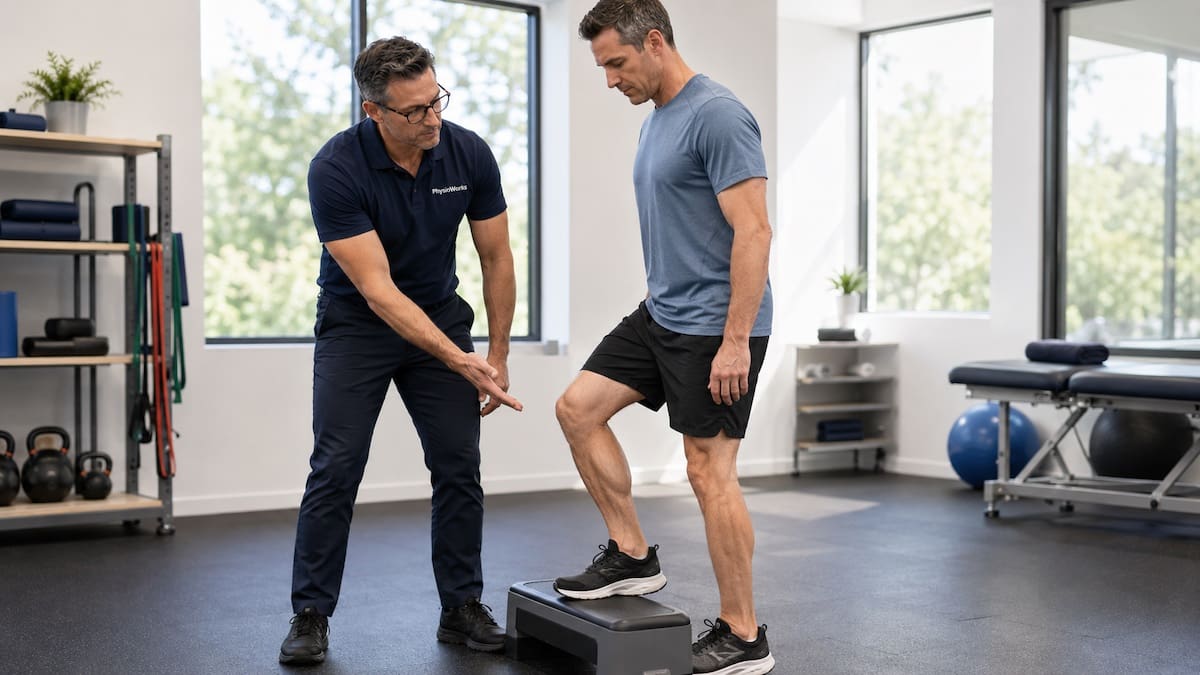
Progressive loading helps rebuild tendon capacity.
What To Do Next
If tendon pain improves with rest but returns when you move again, the next step is usually not more rest. A better option is to identify the tendon’s current tolerance, reduce the most irritating loads, and rebuild strength in stages.
Book a physiotherapy assessment if tendon pain is limiting your work, sport, walking, running, gym training, or daily activities. Your physiotherapist can help you plan the right level of loading and return to activity with more confidence.
Choose your clinic and appointment pathway
Select a PhysioWorks clinic to continue to live booking, an appointment request or reception assistance.


References
- Cardoso TB, Pizzari T, Kinsella R, Hope D, Cook JL. Current trends in tendinopathy management. Best Pract Res Clin Rheumatol. 2019;33(1):122-140. doi:10.1016/j.berh.2019.02.001
- Malliaras P, Barton CJ, Reeves ND, Langberg H. Achilles and patellar tendinopathy loading programmes: a systematic review comparing clinical outcomes and identifying potential mechanisms for effectiveness. Sports Med. 2013;43(4):267-286. doi:10.1007/s40279-013-0019-z
- Cook JL, Purdam CR. Is tendon pathology a continuum? A pathology model to explain the clinical presentation of load-induced tendinopathy. Br J Sports Med. 2009;43(6):409-416. doi:10.1136/bjsm.2008.051193