Back

Back Pain Prevention

Back Pain Prevention Tips

Back pain prevention starts with simple daily habits. Good posture, regular movement, sensible lifting, better workstation setup, and the right exercise plan can all help reduce your risk of flare-ups. For a broader overview of symptoms, causes, and related conditions, start with our back pain hub.

Many people sit too long, move too little, or overload their back during work, sport, parenting, or long drives. Over time, those repeated stresses can build up. The good news is that small changes often make a real difference, especially when you combine movement, strength, and smarter day-to-day habits.

Why Is Back Pain Prevention Important?

Preventing back pain matters because recurring back pain can affect work, sleep, exercise, driving, and everyday comfort. It can also lead to reduced activity, stiffness, and loss of confidence with bending, lifting, or returning to exercise. Good prevention habits aim to keep your spine moving well and your body more resilient to load.

How Can You Improve Back Pain Prevention Each Day?

The best back pain prevention plan is practical and repeatable. Aim to move often, build strength gradually, and reduce long periods of static posture. The sections below cover the main areas worth improving.

1. Improve Your Posture

Poor posture alone does not explain every episode of back pain, but long periods in one position can increase strain. Try the simple cue of “grow tall”: gently lift your chest, relax your shoulders, keep your chin level, and avoid slumping for long periods. This can help during sitting, standing, desk work, and walking. Read more in our posture improvement tips.

2. Break Up Prolonged Sitting

Your back usually tolerates movement better than stillness. If you sit for work, study, or driving, stand up every 30 to 45 minutes. Walk briefly, stretch, or reset your posture. For many people, this is one of the easiest ways to improve back pain prevention without changing much else.

3. Use Safer Lifting Technique

When lifting, keep the object close to your body, bend through your hips and knees, and avoid twisting while carrying load. Spread your feet for balance and use your legs and gluteal muscles to help generate force. If lifting is a regular part of your work, a physiotherapist may also review your technique and overall load tolerance.

4. Set Up Your Workstation Properly

Desk setup can influence how your back feels through the day. Adjust your chair so your lower back is supported, place your screen at a comfortable height, and keep your keyboard and mouse close enough that your shoulders stay relaxed. Our ergonomics page explains this in more detail.

5. Build Strength and Control

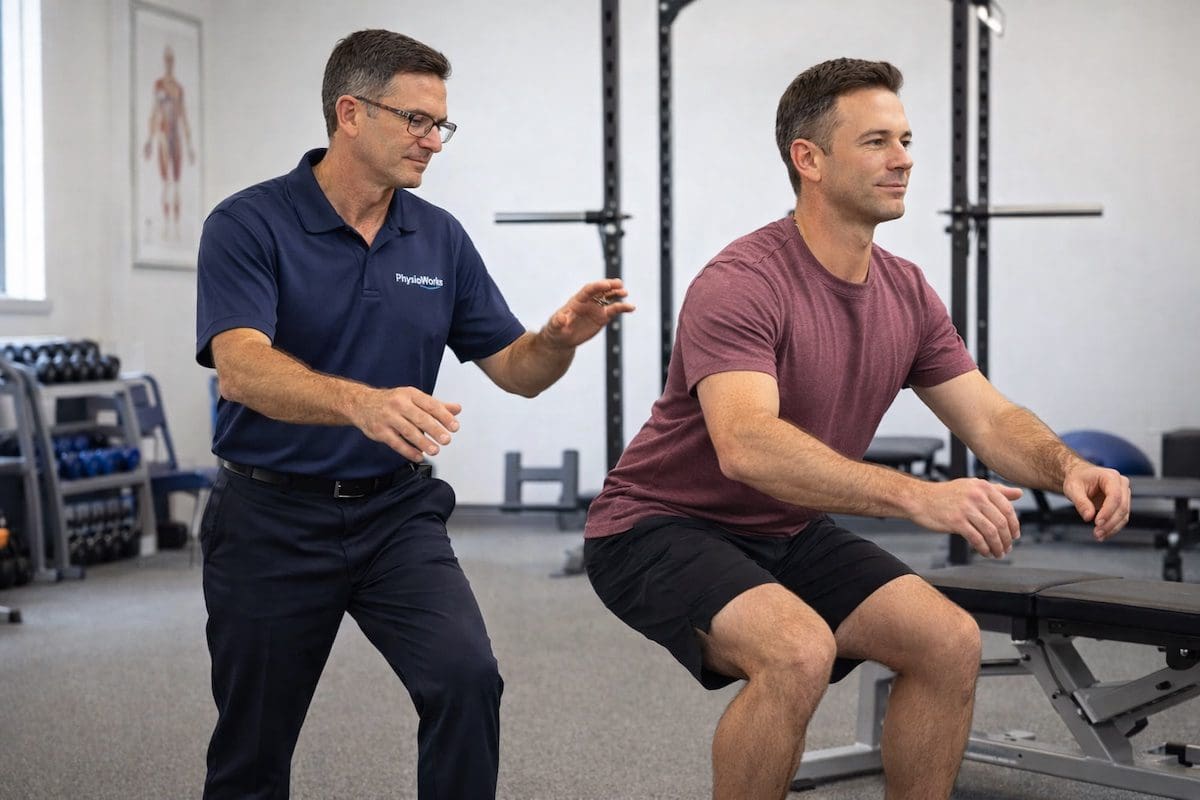
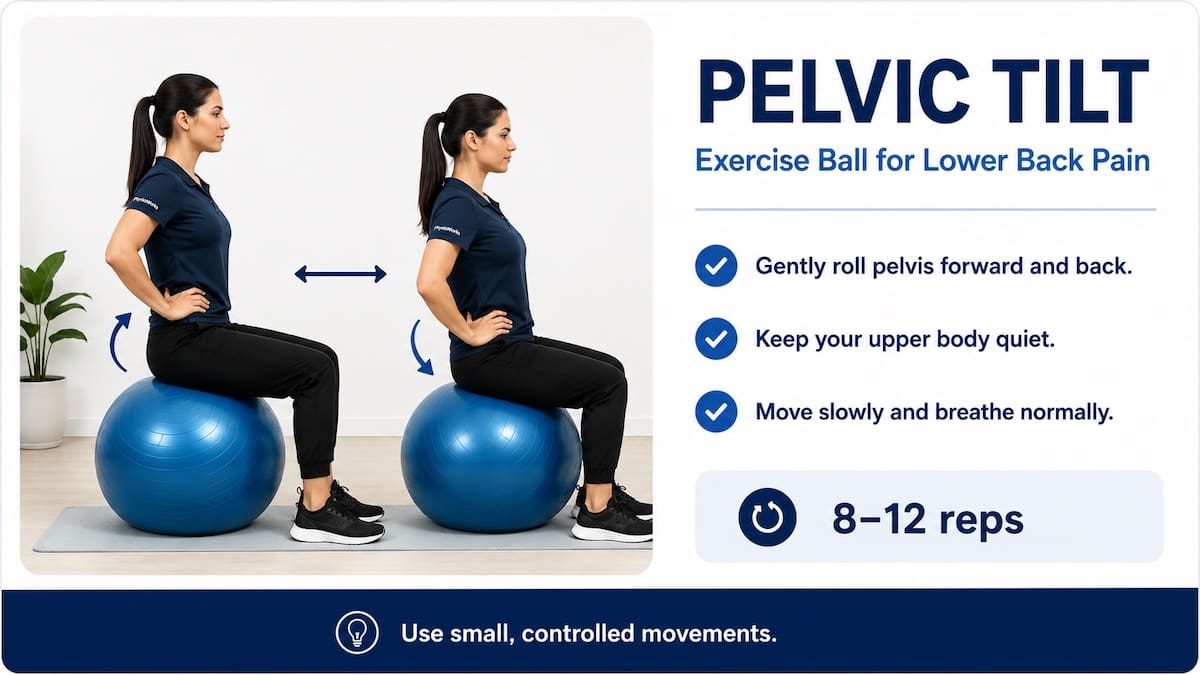
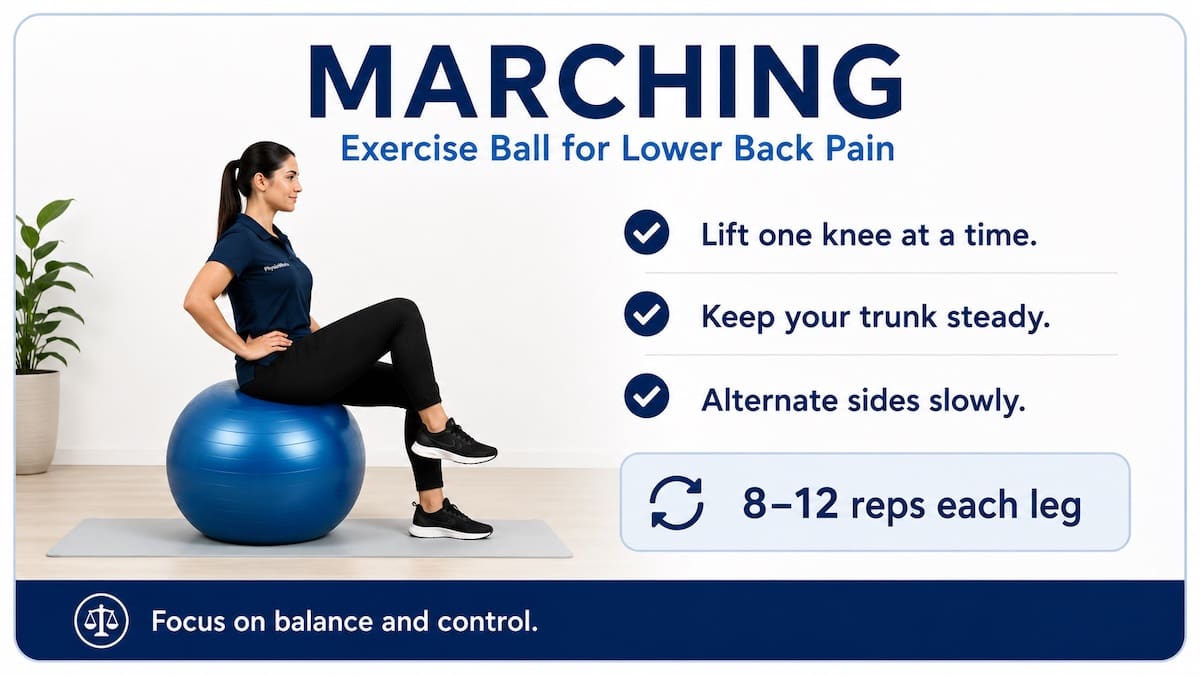
Stronger muscles help your back tolerate work, sport, and daily activity. Most people benefit from a mix of trunk strength, hip strength, flexibility, and general conditioning. A tailored program may include back exercises, gym back exercises, and core stability training. If flexibility is limited, these flexibility exercises may also help.

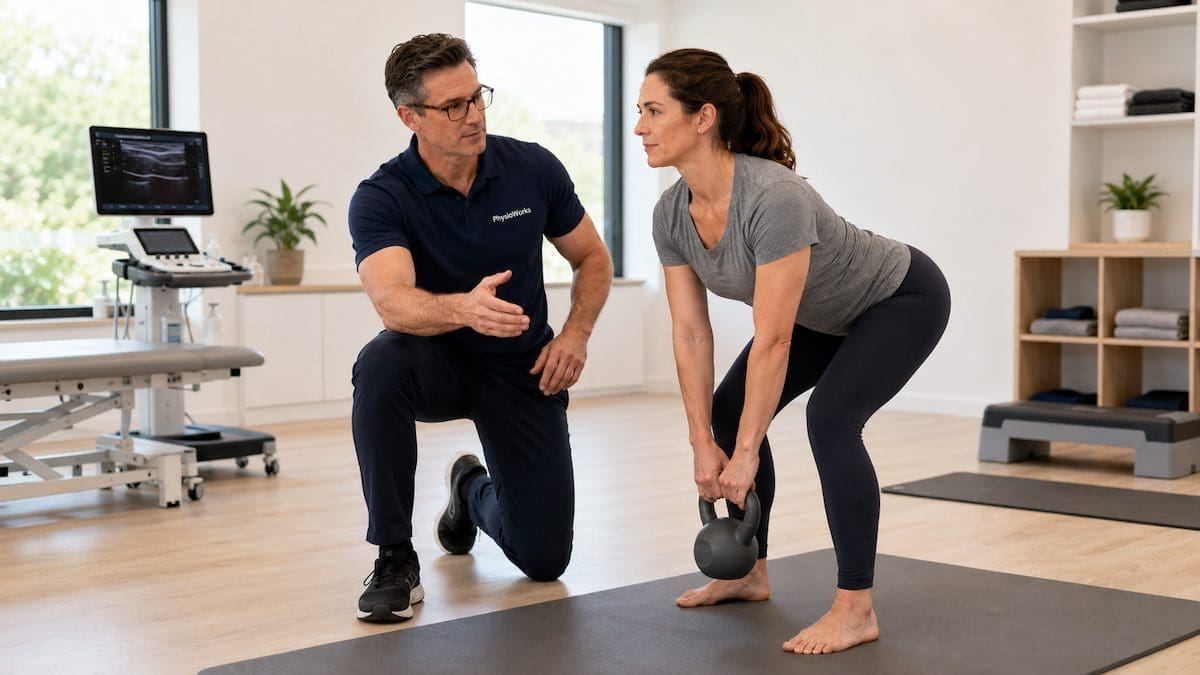
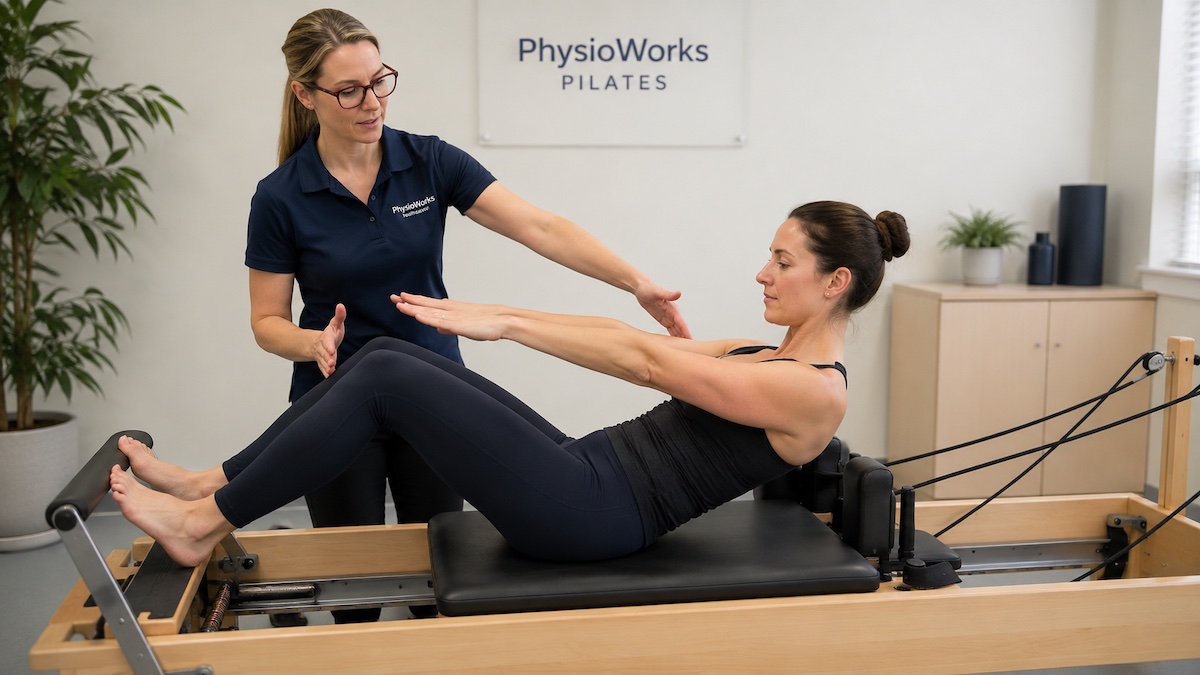
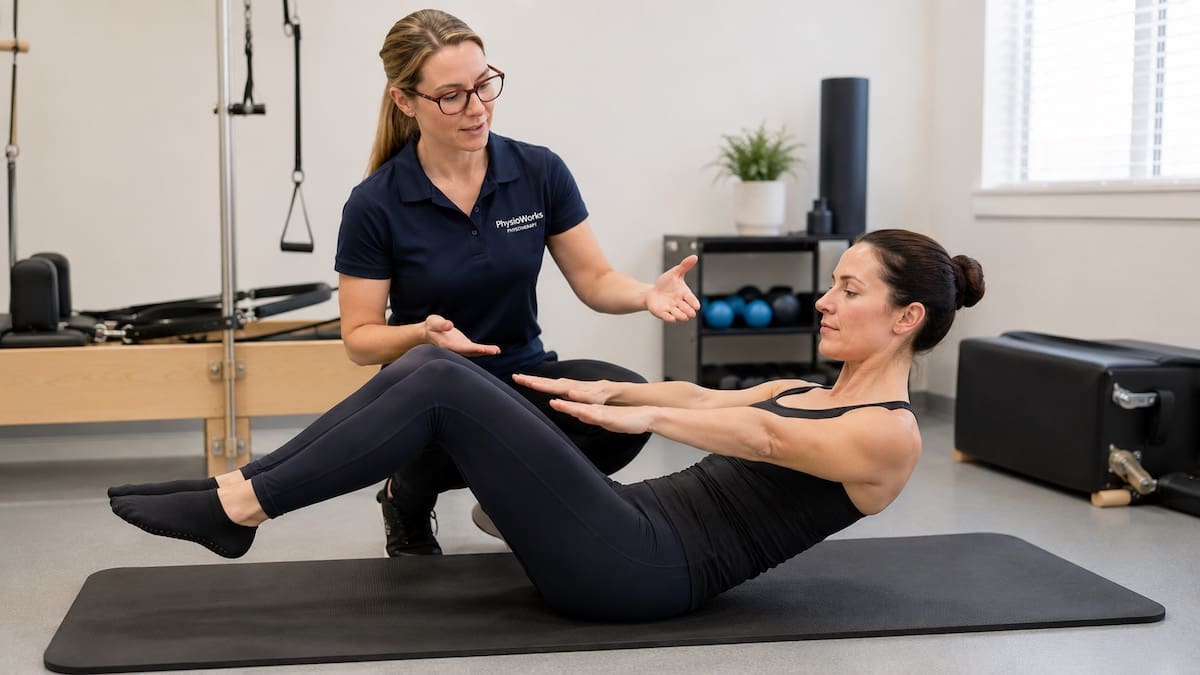
Back pain prevention exercises supervised by a physiotherapist on an exercise mat
A patient performs guided exercises to improve strength, posture, and back control

6. Review Your Mattress and Pillow

Sleep position and support can influence morning stiffness and overnight comfort. If you regularly wake with pain, your mattress or pillow may be part of the problem. Read our guide on finding the best pillow for you and our article on sleeping positions for back and neck health.

7. Think About Driving Posture

Long drives combine sitting, vibration, and limited movement. Sit tall, keep your lower back supported, and stop regularly for short walks on longer trips. You can also browse our lumbar support options if you need extra support in the car.

Who Benefits Most From Back Pain Prevention?

Everyone can benefit, but prevention becomes especially important if you sit for long periods, lift often at work, drive a lot, have had previous back pain, or are returning to exercise after time off. It is also useful for parents, tradies, office workers, runners, and gym-goers who want to reduce repeat flare-ups.

Where Should You Focus On Back Pain Prevention?

Back pain prevention should happen where your back gets loaded most: at your desk, in the car, at the gym, during work tasks, and while sleeping. A good plan looks at your real routine rather than relying on one single exercise or one-off treatment.

When Should You Start Back Pain Prevention?

Start before pain becomes persistent. Prevention works best when it becomes part of your weekly routine rather than something you do only after a flare-up. If you already have symptoms, active management and early advice can still help reduce recurrence. You may also find our guides on what causes back pain and back pain treatment options helpful.

What Else Helps Reduce The Risk Of Back Pain?

Research suggests exercise, and exercise combined with education, can help reduce future low back pain episodes for many people. For a plain-language overview, Healthdirect explains common causes, prevention ideas, and when to seek care for low back pain.

How Do You Know When To Seek Professional Advice?

Seek professional advice if your back pain keeps returning, lasts more than a couple of weeks, limits work or sleep, or includes leg pain, pins and needles, numbness, or weakness. You should also get urgent medical assessment if you develop bladder or bowel changes, saddle numbness, severe trauma-related pain, fever, or unexplained weight loss.

Back Pain Prevention FAQs

  1. What causes back pain most often? Common contributors include muscle strain, joint irritation, prolonged sitting, poor load management, reduced strength, and sudden increases in activity. Sometimes more than one factor is involved, which is why an assessment can help identify the main drivers. See what causes back pain.
  2. What are the best exercises for back pain prevention? The best exercises usually improve strength, control, and tolerance to daily load. Walking, trunk strengthening, hip strengthening, and flexibility work are common starting points. Our back exercises and core stability training guides are useful places to begin.
  3. Does posture really matter for preventing back pain? Yes, but mainly because long static postures can irritate your back over time. Good posture is less about being perfectly upright all day and more about changing position regularly, staying comfortable, and avoiding prolonged slumped sitting. Read our posture FAQs.
  4. Can a mattress or pillow affect back pain? They can. If you wake with stiffness or discomfort, your sleep setup may be contributing. Better support and better sleep position can help some people. Read more about choosing a pillow and sleeping positions.
  5. When should I see a physiotherapist for back pain prevention? It is sensible to see a physiotherapist if you have repeat flare-ups, are unsure which exercises suit you, or want help with lifting, work posture, gym technique, or return-to-activity planning. Early guidance often helps you build a clearer plan and avoid setbacks.

What To Do Next

If you want help with back pain prevention, a physiotherapist can assess your posture, movement, flexibility, strength, work setup, and activity levels, then build a plan that suits your goals. This may include targeted exercise, load management advice, ergonomic changes, and strategies to reduce future flare-ups. You can book a consultation via PhysioWorks online bookings.

Book your appointment – 24/7

Choose your preferred PhysioWorks clinic and book online.

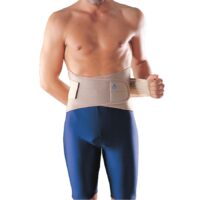
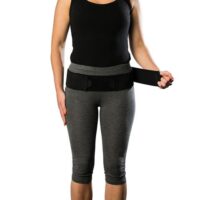
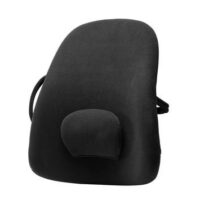
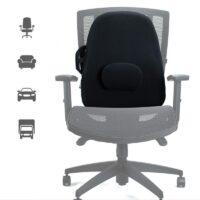
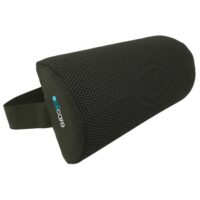
Back Support Products

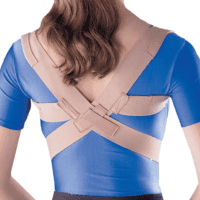
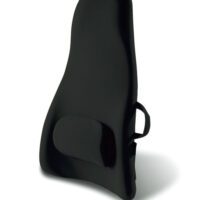
These back support products are commonly used by our physiotherapists to help reduce back pain, improve comfort, and support your recovery at home.

View all back support products

Follow PhysioWorks

Get free physiotherapy tips, exercise videos, recovery advice, and blog updates.

Facebook Instagram YouTube B X Email PhysioWorks

Related Articles

  1. Back Pain – Explore common back pain causes, symptoms, and related spinal conditions.
  2. Lower Back Pain – Learn more about lumbar pain patterns, red flags, and treatment options.
  3. Posture Improvement Tips – Practical advice for sitting, standing, and moving better through the day.
  4. Ergonomics – Improve your workstation and reduce repeated spinal strain.
  5. Back Exercises – Guided exercises to improve control, strength, and confidence.
  6. Core Stability Training – Build trunk control and support your spine more effectively.
  7. Best Sleeping Positions for Back and Neck Health – Sleep setup tips that may improve overnight comfort.
  8. What Causes Back Pain? – A useful guide to common triggers and contributing factors.

References

  1. Steffens D, Maher CG, Pereira LSM, et al. Prevention of Low Back Pain: A Systematic Review and Meta-analysis. JAMA Internal Medicine. 2016.
  2. de Campos TF, Maher CG, Fuller JT, et al. Prevention strategies to reduce future impact of low back pain: a systematic review and meta-analysis. British Journal of Sports Medicine. 2021.
  3. Shiri R, Coggon D, Falah-Hassani K. Exercise for the Prevention of Low Back Pain: Systematic Review and Meta-analysis of Controlled Trials. American Journal of Epidemiology. 2018.

Does Smoking or Diabetes Cause Lower Back Pain?

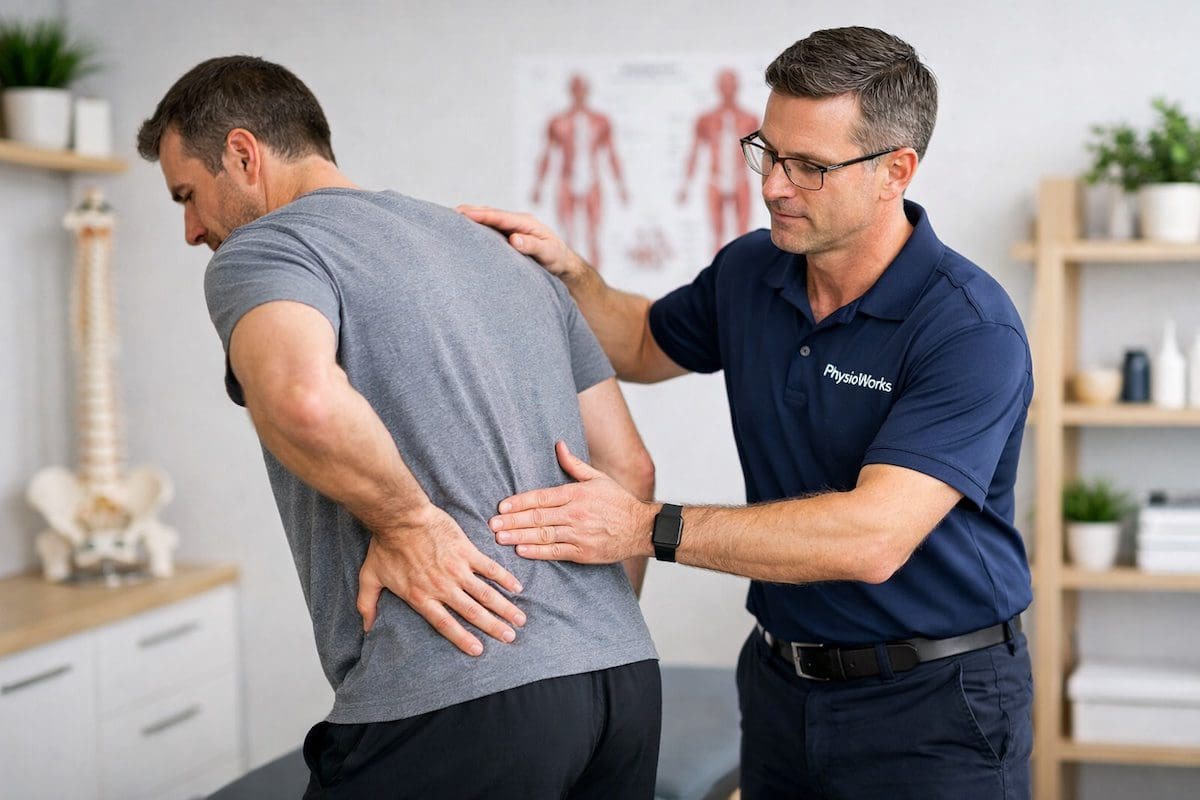
Does smoking or diabetes cause lower back pain physiotherapy assessment of lumbar movement and posture

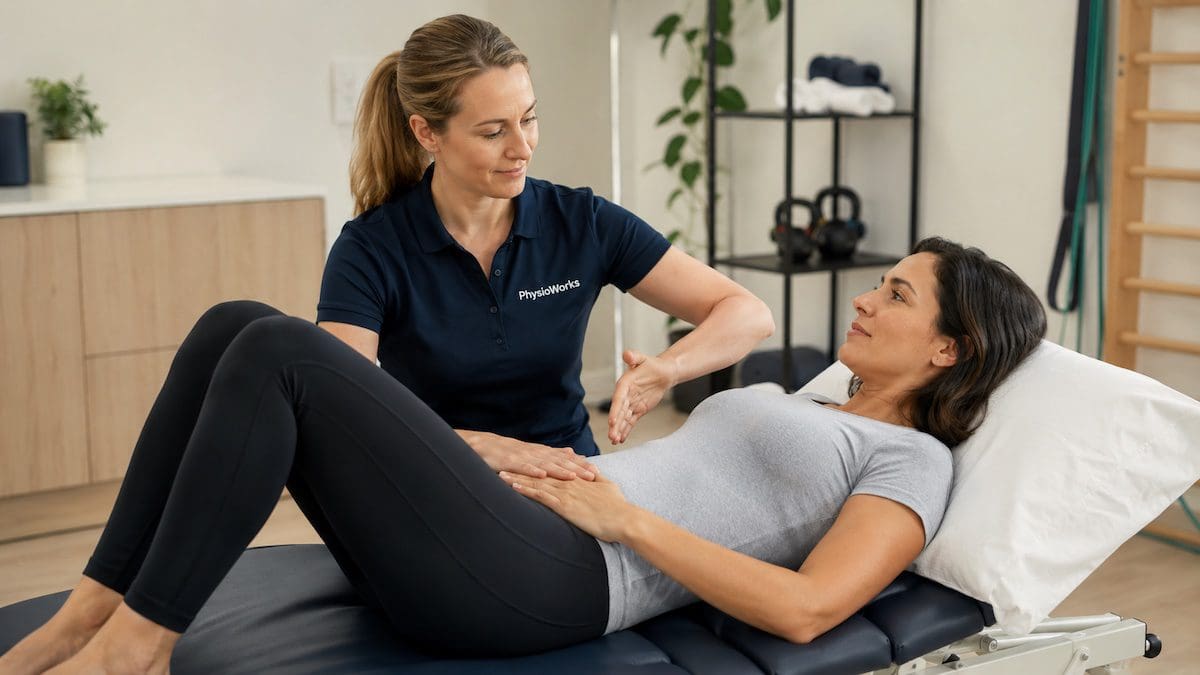
Physiotherapist assessing lower back movement while considering lifestyle factors such as smoking, health, and activity levels.

Smoking may increase the risk of lower back pain and spinal degeneration, while diabetes may also be linked with lower back pain through broader health factors. Neither issue explains every case on its own. For the broader picture, start with our back pain guide.

This page explains what current research suggests, which lifestyle factors matter most, and which common beliefs are probably myths. If your symptoms are ongoing, also see lower back pain and common causes of back pain.

Quick answer

  • Smoking is linked with a higher risk of lower back pain.
  • Smoking is also linked with more spinal degeneration in some studies.
  • Diabetes may be associated with lower back pain, but it is unlikely to be the only reason.
  • Sleep, stress, body weight, fitness, and daily loading also matter.
  • Back pain usually needs a broader assessment than one single lifestyle factor.

Lifestyle factors: fact vs myth

Some lifestyle habits may increase lower back pain risk. Others are often blamed without strong evidence.

  • Smoking → FACT — linked with higher rates of back pain and spinal degeneration.
  • Low physical activity → FACT — reduced movement can lower strength and load tolerance.
  • Poor sleep → FACT — sleep disturbance is associated with back pain and slower recovery.
  • Obesity → FACT — excess body weight is associated with a higher risk of lower back pain.
  • Stress → PARTLY TRUE — stress can amplify pain sensitivity and disability, but it is usually one contributor rather than the sole cause.
  • Diabetes → PARTLY TRUE — associated with back pain, but often through broader health factors.
  • Tattoos → MYTH — there is no good evidence that tattoos cause lower back pain.
  • “Bad posture” alone → MYTH — posture is rarely the sole explanation for ongoing lower back pain.

What lifestyle factors increase lower back pain risk?

Lifestyle factors such as smoking, low physical activity, poor sleep, excess body weight, stress, and broader metabolic health may increase the likelihood of lower back pain. These factors often affect tissue health, pain sensitivity, recovery, and load tolerance rather than acting as one simple direct cause.

That is why lower back pain usually needs a broader assessment. A person may have one clear diagnosis, such as a bulging disc or spinal stenosis, but symptoms can still be influenced by sleep, stress, smoking, fitness, and general health.

Does smoking cause lower back pain?

Smoking does not explain every case of lower back pain, but research suggests it is a meaningful risk factor. It may increase the likelihood of back pain, ongoing symptoms, and degenerative spinal change. Smoking is better viewed as one contributor within a bigger picture rather than the only cause.

Several mechanisms may help explain this link. Smoking can reduce blood flow, increase systemic inflammation, affect disc nutrition, slow tissue healing, and lower physical capacity. These factors may make the lumbar spine less tolerant of repeated daily loads, work demands, and sport.

Why might smoking affect the spine?

Smoking may affect the spine by reducing tissue health and recovery capacity. Over time, that may make discs, joints, and surrounding tissues less able to handle normal stress. This does not mean smoking creates a single diagnosis, but it may raise the chance of pain persistence and degenerative change.

That matters because lower back pain is rarely caused by one factor alone. A person who smokes may also have lower exercise tolerance, poorer sleep, higher stress, slower recovery, and less confidence with movement. Together, those issues can amplify pain and slow rehabilitation.

Does diabetes cause lower back pain?

Diabetes does not automatically cause lower back pain, but it may be associated with it. Newer reviews suggest people with diabetes are more likely to report lower back pain than people without diabetes. Even so, the link is probably indirect in many cases.

For example, diabetes may sit alongside higher body weight, lower activity levels, poorer circulation, nerve sensitivity, and slower tissue recovery. These factors can all influence pain. That is why it is better to ask how diabetes may contribute to back pain risk, rather than treating it as a simple yes-or-no cause.

Do sleep, stress, and body weight affect lower back pain?

Yes. Sleep disturbance, psychological stress, and excess body weight are all associated with lower back pain. However, they usually act by changing pain sensitivity, tissue loading, physical capacity, and recovery rather than by creating one single spinal diagnosis.

This is another reason why a broader management plan often works better than chasing one “magic” cause. Improving sleep, pacing load, building strength, and increasing activity tolerance may all help alongside condition-specific treatment.

Do tattoos or posture cause lower back pain?

Tattoos are not recognised as a cause of lower back pain. They should not be considered a meaningful spinal risk factor. “Bad posture” is also often oversimplified. Posture may influence comfort in some positions, but it is rarely the sole reason someone develops ongoing back pain.

In practice, most back pain is better explained by a mix of load, movement tolerance, strength, recovery, sleep, stress, health factors, and the specific tissues involved. If symptoms persist, a proper assessment is far more useful than blaming tattoos or one posture habit.

Which spinal conditions matter more than lifestyle myths?

Lifestyle factors are background contributors. They are usually less useful than identifying the actual pain pattern or diagnosis driving your symptoms. In practice, people often need assessment for conditions such as lower back pain, degenerative disc disease, spinal stenosis, or disc-related pain.

That is why broad health risk factors should never replace a proper mechanical and functional assessment. The pattern of your pain, what aggravates it, whether it spreads into the leg, and how it responds to movement are usually more helpful clinically.

Can physiotherapy help if smoking, diabetes, or degeneration are part of the picture?

Yes. Physiotherapy may help by identifying the main drivers of your pain and building a practical plan around them. Treatment often focuses on movement confidence, load management, strength, mobility, pacing, and gradual return to normal activity.

If your symptoms are recurring, you may also benefit from back pain physiotherapy and a guided program of back pain exercises. Management often works best when lifestyle risks and physical contributors are addressed together.

When should you worry about lower back pain?

You should seek prompt medical review if back pain follows significant trauma, comes with fever, unexplained weight loss, severe night pain, progressive leg weakness, saddle numbness, or bladder or bowel changes. Those features need urgent attention.

If your pain is not urgent but keeps returning, limits work, disturbs sleep, or stops exercise, an assessment is still worthwhile. Waiting too long can let stiffness, fear of movement, and loss of strength build up around the problem.

Related back pain information

Frequently asked questions

Does smoking cause lower back pain?

Smoking may increase the risk of lower back pain and spinal degeneration, but it does not explain every case. It is better viewed as one contributor within a broader mix of loading, tissue health, activity levels, recovery, and general health factors.

Does diabetes cause lower back pain?

Diabetes does not automatically cause lower back pain, but it may be associated with it. The relationship appears to be influenced by factors such as body weight, inflammation, circulation, nerve health, physical activity, and recovery capacity.

Do sleep, stress, and body weight affect lower back pain?

Yes. Sleep disturbance, stress, and excess body weight are all associated with lower back pain. However, they usually influence pain through recovery, sensitivity, loading, and physical capacity rather than acting as one single direct cause.

Do tattoos or posture cause lower back pain?

Tattoos are not recognised as a cause of lower back pain. Posture may affect comfort in some positions, but it is rarely the sole explanation for ongoing lower back pain. Most cases are better explained by a mix of load, movement tolerance, strength, recovery, and health factors.

Can physiotherapy help if smoking, diabetes, or degeneration are part of the picture?

Yes. Physiotherapy may help by identifying the main drivers of your pain and building a practical plan around movement, load management, strength, mobility, pacing, and return to activity. Treatment usually works best when lifestyle and physical factors are addressed together.

When should you worry about lower back pain?

You should seek prompt medical review if back pain follows major trauma, comes with fever, unexplained weight loss, severe night pain, progressive leg weakness, saddle numbness, or bladder or bowel changes. Persistent or recurring pain also deserves assessment.

What to do next

If you smoke, quitting may help your long-term spine health as well as your general health. If you have diabetes, good overall management may improve your capacity to exercise and recover. However, neither issue should stop you from getting your back pain assessed properly.

If your lower back pain is persistent, keeps coming back, or affects daily function, book a physiotherapy assessment. A clearer diagnosis and a tailored rehabilitation plan are usually more helpful than assuming the cause is only smoking, diabetes, posture, tattoos, or age-related degeneration.

Book your appointment – 24/7

Choose your preferred PhysioWorks clinic and book online.

Back Support Products

These back support products are commonly used by our physiotherapists to help reduce back pain, improve comfort, and support your recovery at home.

View all back support products

Follow PhysioWorks

Get free physiotherapy tips, exercise videos, recovery advice, and blog updates.

Facebook Instagram YouTube B X Email PhysioWorks

References

  1. Shiri R, Karppinen J, Leino-Arjas P, Solovieva S, Viikari-Juntura E. The association between smoking and low back pain. Am J Med. 2010;123(1):87.e7-35.
  2. Pozzobon D, Ferreira PH, Dario AB, Almeida L, Vesentini G, Harmer AR. Is there an association between diabetes and neck and back pain? A systematic review with meta-analyses. PLoS One. 2019;14(2):e0212030.
  3. Amiri S, Behnezhad S. Sleep disturbances and back pain: systematic review and meta-analysis. Neuropsychiatr Dis Treat. 2020;16:731-748.
  4. Shiri R, Karppinen J, Leino-Arjas P, Solovieva S, Viikari-Juntura E. The association between obesity and low back pain: a meta-analysis. Am J Epidemiol. 2010;171(2):135-154.
  5. Swain CTV, Pan F, Owen PJ, Schmidt H, Belavy DL. No consensus on causality of spine postures or physical activities and low back pain: an umbrella review. Eur Spine J. 2020;29(5):1027-1036.
  6. Kluger N, Sleth JC. Tattoo and epidural analgesia: rise and fall of a myth. Int J Obstet Anesth. 2020;44:89-91.

Back Pain Research

Article by John Miller & Erin Runge
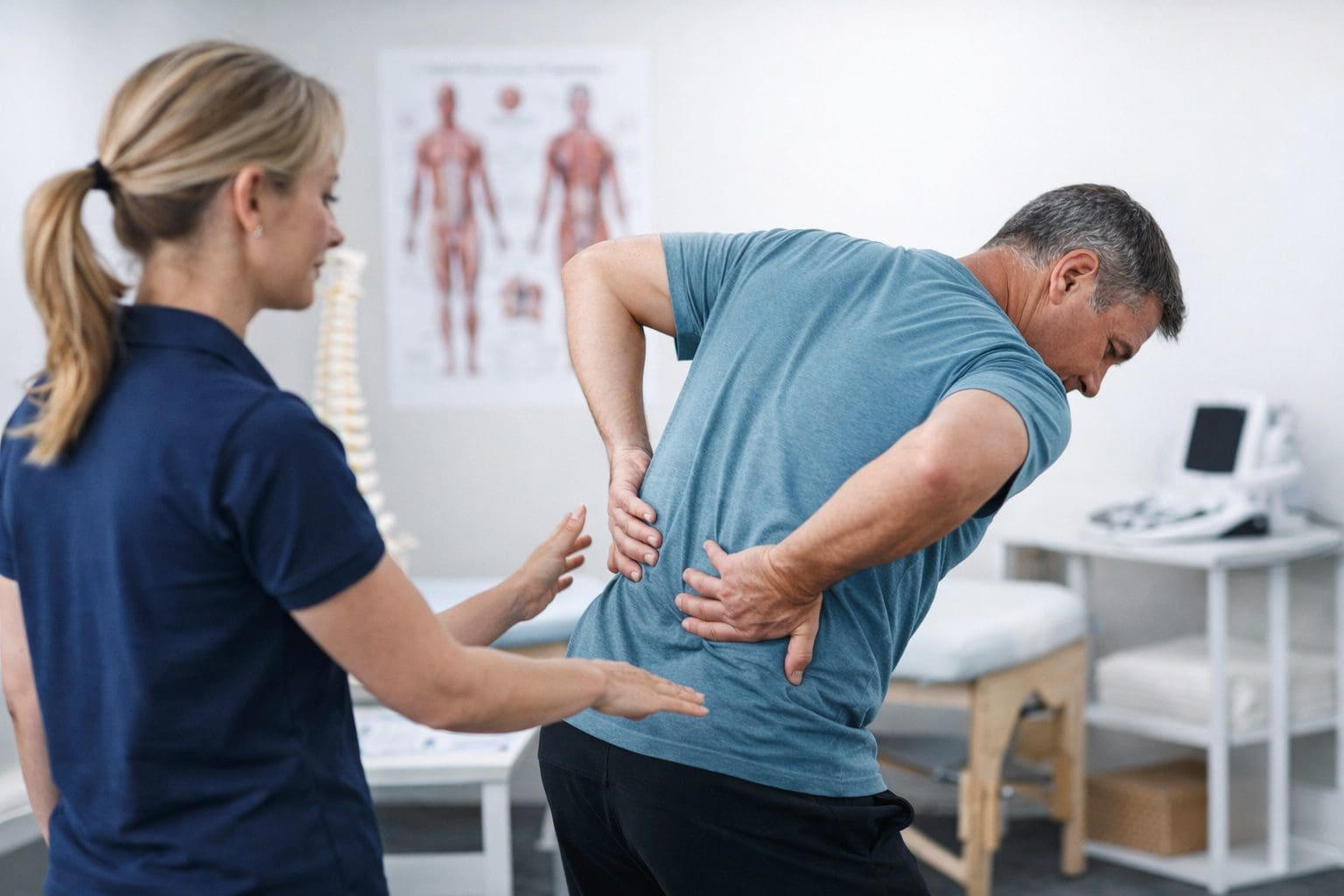
Physiotherapist assessing lower back pain movement in Brisbane clinic setting

Assessing back movement to guide treatment decisions

Back pain is one of the most researched conditions in health care, yet many people still receive mixed advice. Current back pain research supports a practical approach: stay active where possible, avoid unnecessary bed rest, use targeted exercise, and match treatment to the person rather than chasing one quick fix. For many people, this sits within a broader plan for back pain, lower back pain, and guided back pain physiotherapy.

Modern research also shows that back pain is not one single diagnosis. It may relate to joints, discs, muscles, nerves, movement tolerance, work demands, sleep, stress, or deconditioning. That is why a good assessment matters. It helps separate common mechanical back pain from conditions such as sciatica, spondylolisthesis, or degenerative disc disease.

In Brisbane clinics, this evidence-based approach usually focuses on the right diagnosis, practical reassurance, and a gradual return to comfortable movement rather than unnecessary rest or over-reliance on scans.

Key back pain research takeaways

  • Most back pain improves with sensible activity, not prolonged rest.
  • Exercise, education, and load management are central parts of care.
  • Manual therapy may help some people, especially when combined with exercise.
  • Imaging is not needed for every episode of back pain.
  • Persistent or recurring pain usually responds best to an individualised plan.

What Does Back Pain Research Show?

Back pain research shows that most people do better with a tailored mix of movement, education, and progressive rehabilitation than with rest alone. The strongest modern themes are staying active, avoiding low-value care, improving self-management, and matching treatment to the pattern and duration of your symptoms.

Research also supports a biopsychosocial view of back pain. In simple terms, pain may be influenced by tissue irritation, movement confidence, loading history, sleep, stress, work demands, and general physical capacity. That broader view helps explain why two people with similar scans can feel very different.

How Can Back Pain Physiotherapy Help?

Back pain physiotherapy may help by identifying the likely pain source, restoring movement, improving strength, and building tolerance for daily loads. Research supports active rehabilitation, clear advice, and targeted exercise for many common back pain presentations.

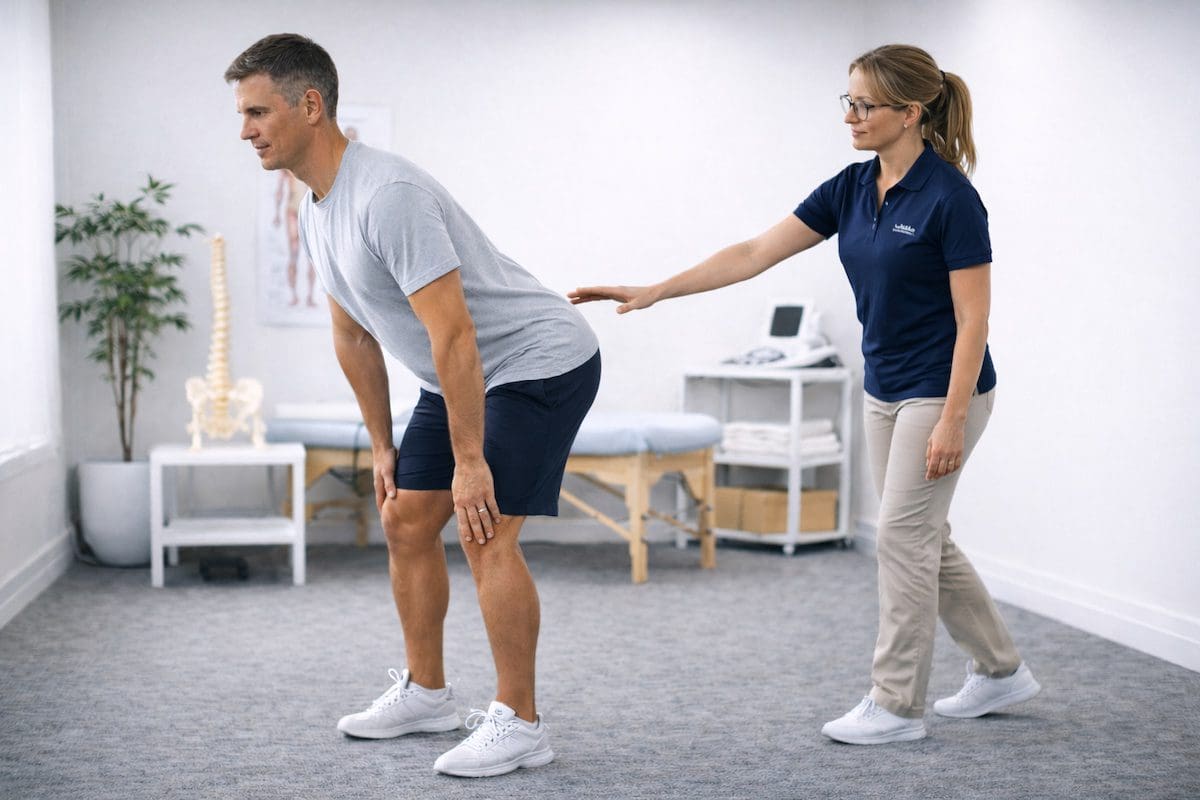
Back pain physiotherapy guided hip hinge rehabilitation in Brisbane clinic

Guided movement retraining for back pain recovery

A structured rehabilitation plan often focuses on safe movement, confidence, and gradual load tolerance.

Your physiotherapist may combine hands-on treatment, exercise prescription, pacing advice, posture and lifting strategies, and progress reviews. For some people, this also includes back pain exercises, posture correction, or selected real-time ultrasound physiotherapy support when muscle control or movement retraining is relevant.

If you would like a broader public-health overview, the Australian Commission on Safety and Quality in Health Care outlines current care standards for low back pain.

What Does Research Say About Acute Back Pain?

For acute back pain, research generally supports reassurance, sensible activity, and avoiding prolonged bed rest. Many people improve over time, but the right plan still matters because fear, under-loading, or poor advice can slow recovery.

Short-term treatment may include movement-based assessment, pain-relieving strategies, gentle mobility work, and a gradual return to normal activity. Imaging is usually reserved for red flags, severe neurological change, suspected fracture, infection, cancer, or other less common but important causes. You may also find it useful to read common causes of back pain if you are trying to work out what may be driving your symptoms.

What Does Research Say About Chronic or Recurrent Back Pain?

For chronic or recurrent back pain, research supports exercise, education, load management, and longer-term self-management more strongly than passive care alone. The goal is not only to settle pain, but to improve function, confidence, and resilience against future flare-ups.

This often means addressing reduced trunk strength, movement tolerance, walking tolerance, sleep, work demands, stress, and repeated aggravating patterns. In practice, a long-term plan may blend strength work, aerobic exercise, pacing, and condition-specific treatment.

Key goals of chronic back pain rehabilitation

  • Improve strength and movement tolerance
  • Build confidence with bending, lifting, and walking
  • Reduce flare-up frequency and severity
  • Support a safer return to work, sport, or daily activity

Some people with recurring symptoms also benefit from reading more about recurrent back pain, best back pain treatment, and related nerve presentations such as sciatica.

Does Back Pain Research Support Manual Therapy?

Back pain research suggests manual therapy can help some people, especially for short-term symptom relief, but it usually works best as part of a broader rehabilitation plan. It should support movement and exercise, not replace them.

This matters because many people feel better when pain settles first and movement confidence improves. Manual therapy may reduce stiffness or muscle guarding, while exercise and education help maintain progress. That combination is often more practical than relying on passive treatment alone.

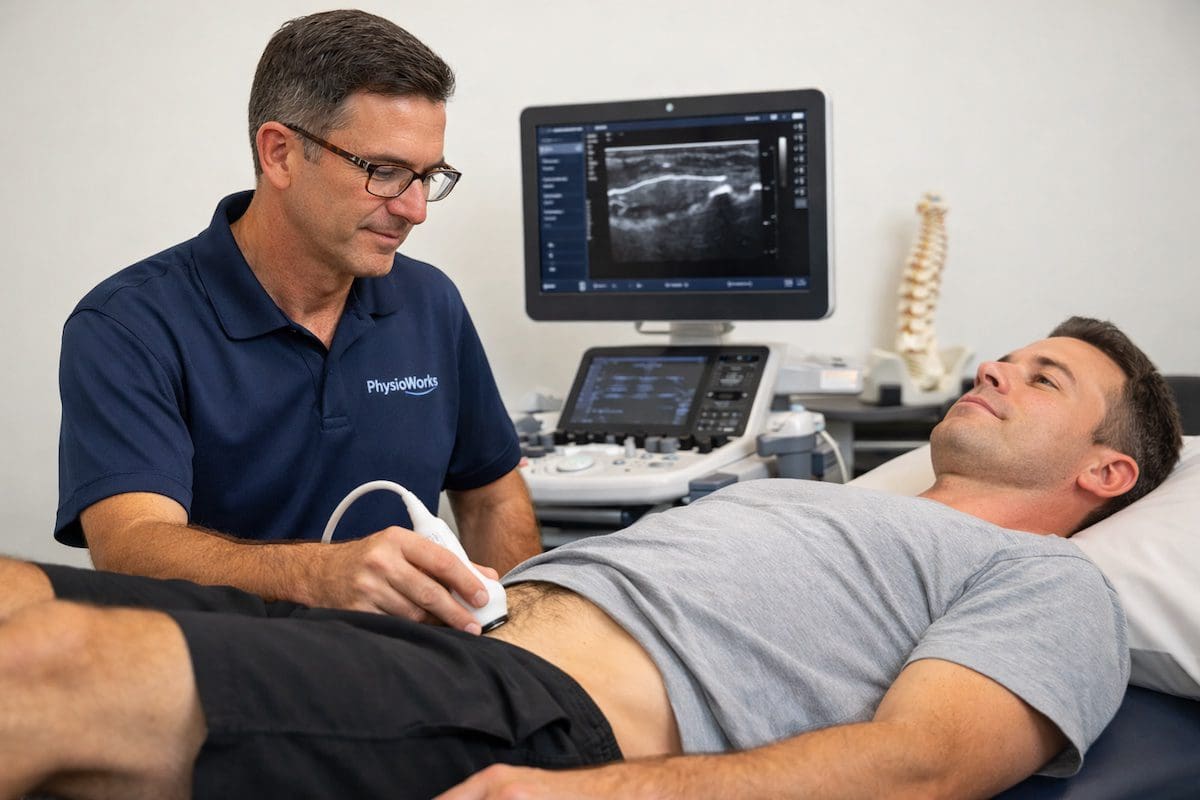
Can Real-Time Ultrasound Help Some People With Back Pain?

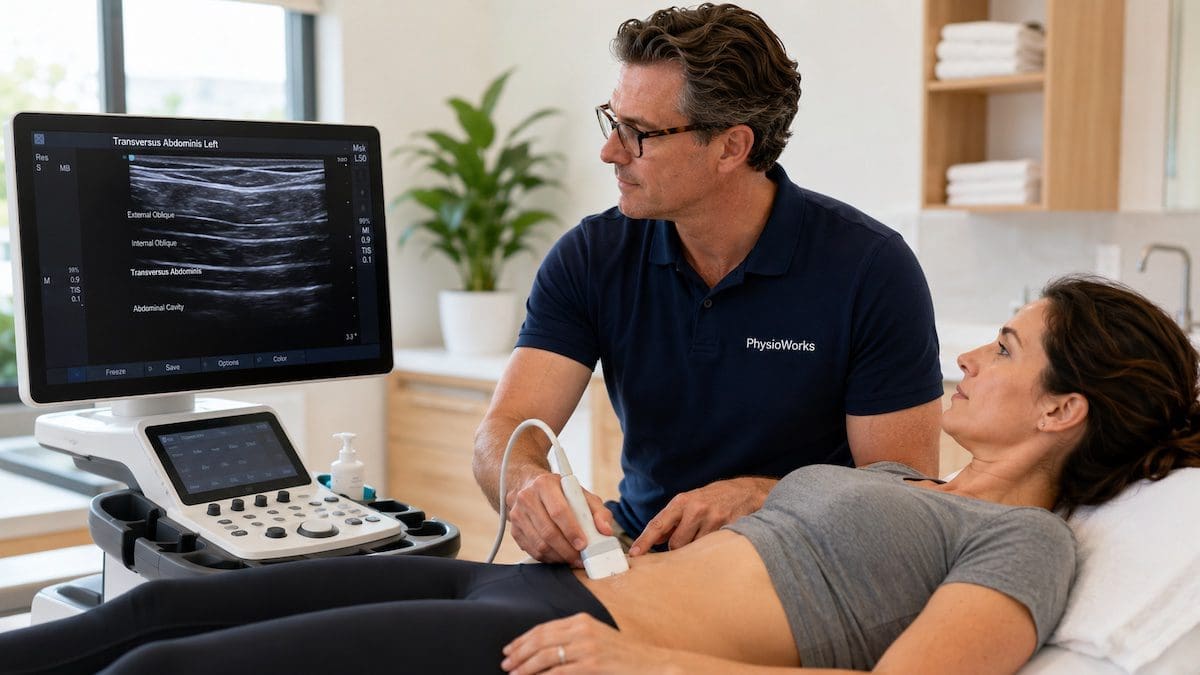
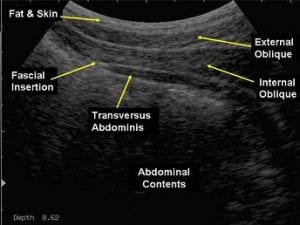
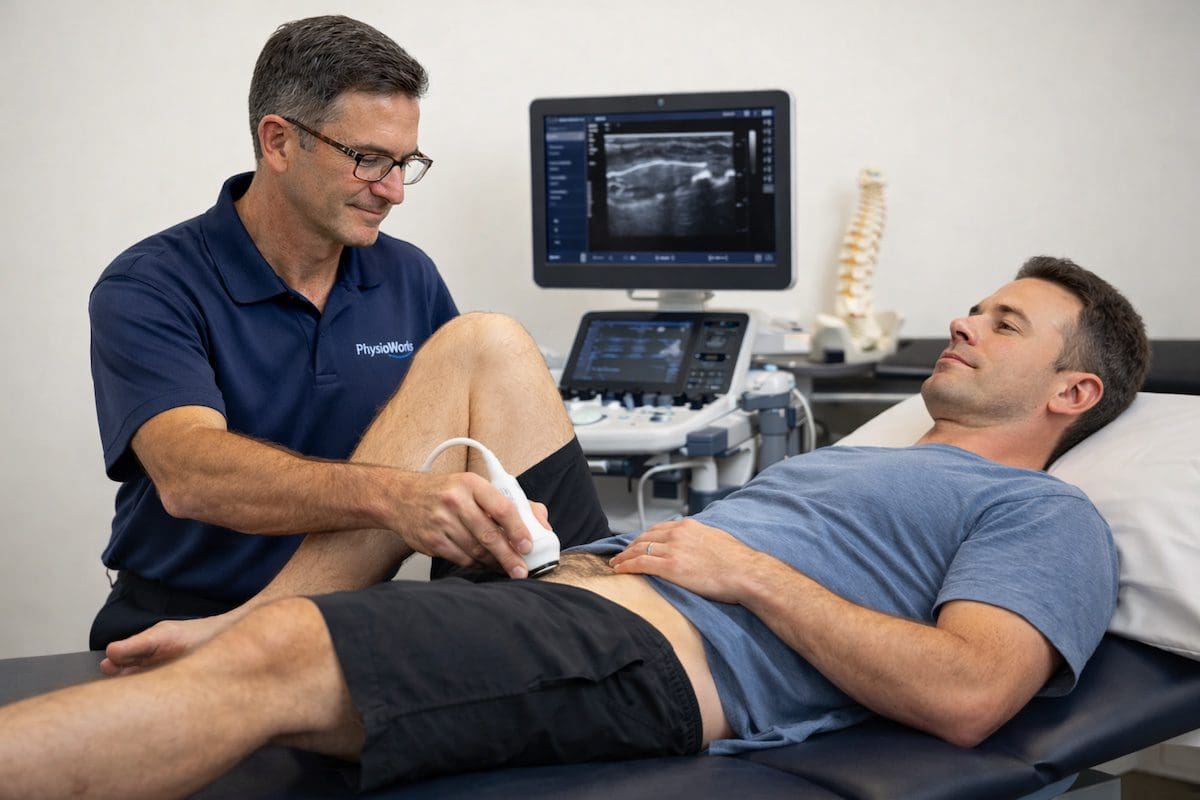
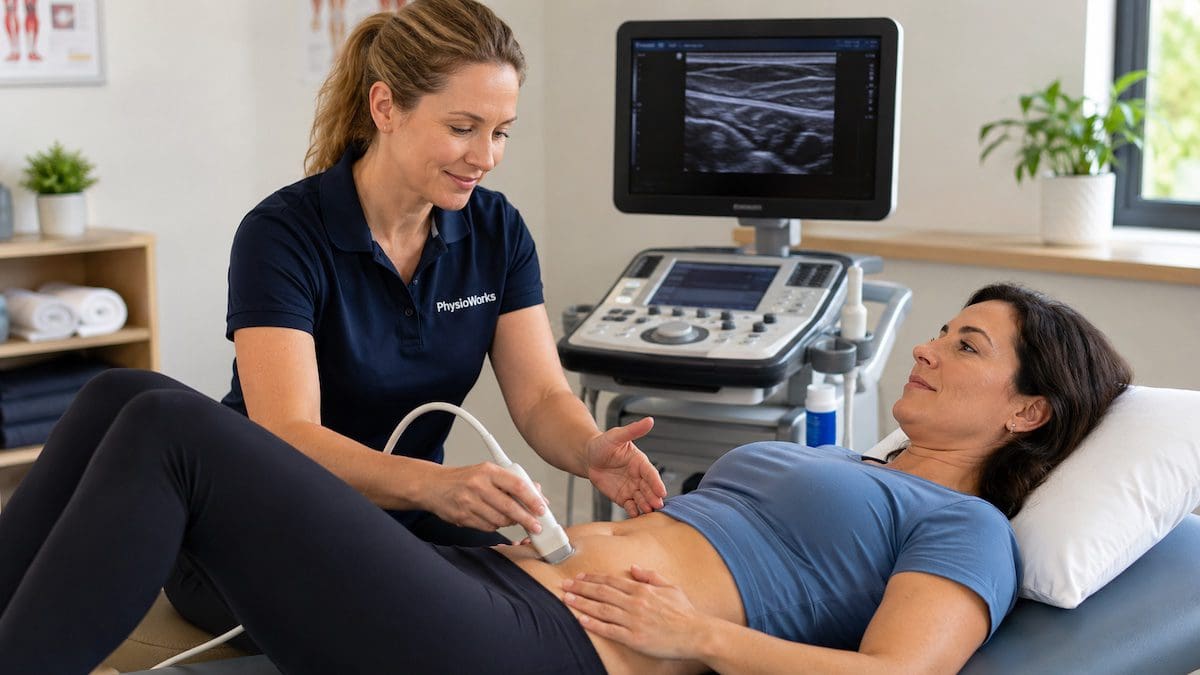
Real-time ultrasound may help selected people with back pain when muscle timing, control, or deep stabilising muscle retraining is a meaningful part of rehabilitation. It is usually one tool within a larger physiotherapy programme rather than a stand-alone solution.

At PhysioWorks, this approach is most relevant when the goal is to improve how specific muscles switch on during movement, breathing, or exercise. You can read more about real-time ultrasound physiotherapy and what to expect from ultrasound retraining.

When Should You Seek Help For Back Pain?

You should seek help for back pain if it is severe, keeps returning, spreads into the leg, causes weakness or numbness, or starts to affect sleep, work, sport, or daily life. Early assessment is also wise when the cause is unclear or recovery is stalling.

Urgent medical review is important if you have major trauma, fever, unexplained weight loss, bowel or bladder changes, saddle numbness, or rapidly worsening weakness. Otherwise, a physiotherapy assessment can usually help clarify whether your symptoms fit common mechanical back pain or a more specific pattern such as nerve irritation or spinal instability.

Back Pain Research FAQs

Is rest good for back pain?

Usually not for long. Short relative rest may calm a severe flare-up, but prolonged bed rest is rarely helpful. Most people recover better when they keep moving within tolerance and gradually build back into walking, work, and exercise.

Do back pain exercises really work?

Yes, for many people. Back pain exercises can improve movement, strength, confidence, and load tolerance. The best results usually come from choosing exercises that match your diagnosis, symptoms, and stage of recovery rather than using a one-size-fits-all routine.

Do I need a scan for back pain?

Not always. Many episodes of back pain do not need imaging early on. Scans are usually more useful when there are red flags, major neurological symptoms, persistent severe pain, or when the findings would change treatment or referral decisions.

Is walking good for back pain?

Walking is often a useful starting point because it keeps you active without overcomplicating recovery. However, the dose matters. Some people need shorter, more frequent walks, while others need a different starting point if walking quickly triggers leg pain or stiffness.

Can posture alone cause back pain?

Not usually on its own. Posture can contribute, especially when you stay in one position for too long, but modern research shows that pain is usually influenced by multiple factors. Load, strength, sleep, stress, recovery, and movement variety also matter.

What is the best treatment for back pain?

The best treatment depends on the cause, severity, irritability, and duration of your symptoms. For many people, the strongest evidence supports education, movement, exercise, and a tailored physiotherapy plan. Some people may also benefit from manual therapy or other specific add-ons.

What To Do Next

If your back pain is new, recurrent, or not improving, the next step is to get the diagnosis and plan right. Research supports a measured approach built around assessment, sensible activity, and progressive rehabilitation rather than fear, guesswork, or prolonged rest.

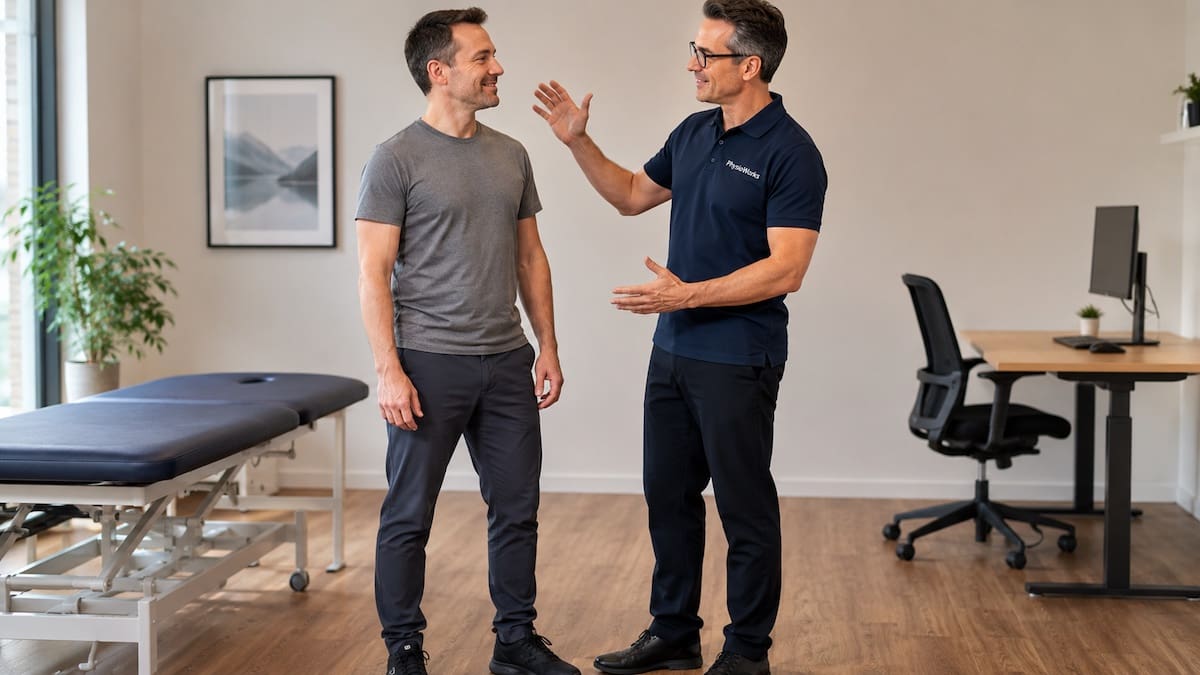
A PhysioWorks physiotherapist can assess your movement, symptoms, aggravating factors, and recovery goals, then guide you towards the most useful treatment pathway. That may include hands-on care, exercise, pacing, posture advice, or further referral when needed.

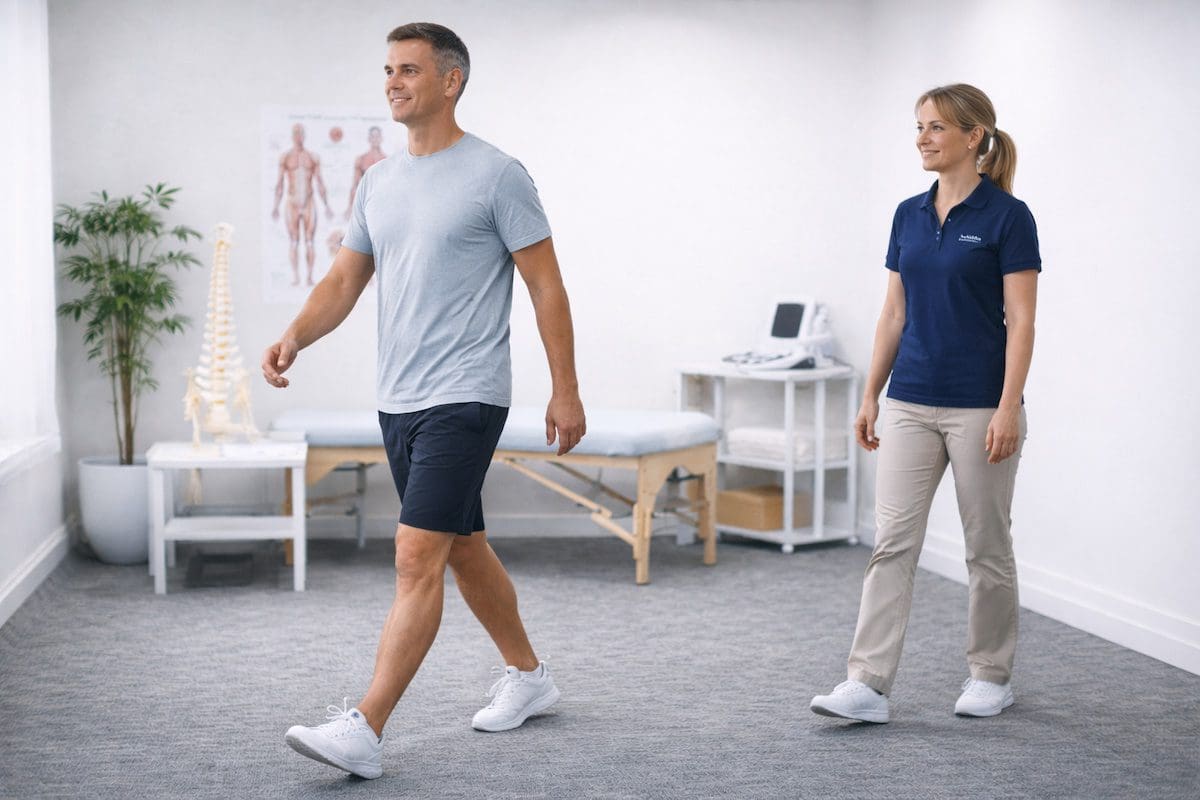
Lower back pain recovery walking confidently during physiotherapy rehabilitation session

Confident return to normal movement

Returning to comfortable daily movement is a common goal of back pain physiotherapy.

Book your appointment – 24/7

Choose your preferred PhysioWorks clinic and book online.

Back Support Products

These back support products are commonly used by our physiotherapists to help reduce back pain, improve comfort, and support your recovery at home.

View all back support products

Follow PhysioWorks

Get free physiotherapy tips, exercise videos, recovery advice, and blog updates.

Facebook Instagram YouTube B X Email PhysioWorks

References

  1. World Health Organization. WHO guideline for non-surgical management of chronic primary low back pain in adults in primary and community care settings. World Health Organization. 2023.
  2. Australian Commission on Safety and Quality in Health Care. Low Back Pain Clinical Care Standard. Accessed April 8, 2026.
  3. Pocovi NC, de Campos TF, Maher CG, et al. An individualised, progressive walking and education intervention to prevent low back pain recurrence: a randomised controlled trial. Lancet. 2024;404(10457):1117-1126.
  4. Foster NE, Anema JR, Cherkin D, et al. Prevention and treatment of low back pain: evidence, challenges, and promising directions. Lancet. 2018;391(10137):2368-2383. doi:10.1016/S0140-6736(18)30489-6.
You've just added this product to the cart: