
Multiple Sclerosis
Multiple Sclerosis Exercise Physiology

Multiple sclerosis exercise physiology helps people with MS improve strength, balance, walking capacity, and fatigue management through a tailored exercise plan. If you are exploring your options, start with our Exercise Physiology service overview and Neurological Rehabilitation page for the broader support pathway.
At PhysioWorks, Accredited Exercise Physiologists build programs around your current mobility, confidence, fatigue pattern, and goals. Sessions may focus on endurance, strength, falls prevention, and day-to-day function. We provide Exercise Physiology across Brisbane clinics, with service information available via our clinics page.
Key takeaway: Multiple sclerosis exercise physiology works best when exercise is tailored, paced, and progressed to match your symptoms, balance, mobility, and fatigue from week to week.
What is multiple sclerosis exercise physiology?
Multiple sclerosis exercise physiology is the use of structured, individualised exercise to improve physical function, fitness, confidence, and long-term independence for people living with MS. The goal is to prescribe the right type, intensity, and progression of movement for your presentation.
Your Accredited Exercise Physiologist may assess walking tolerance, lower-limb strength, balance, coordination, fatigue patterns, and exercise confidence. They then build a practical program that matches your goals. This may sit alongside neurological physiotherapy, GP care, neurology review, and NDIS physiotherapy and exercise physiology where appropriate.
How can Exercise Physiology help with multiple sclerosis?
Exercise Physiology may help improve strength, stamina, balance, walking capacity, and confidence with daily tasks. It may also reduce deconditioning and improve participation in work, family life, and recreation.
This approach becomes more important once diagnosis is established and you are ready to build routine and long-term capacity. An exercise physiologist can guide aerobic training, strength work, pacing strategies, and functional exercise around your symptoms.
What challenges can multiple sclerosis exercise physiology target?
People living with MS often face a mix of neurological and physical challenges. A well-structured program targets the issues that matter most to your daily function.
- Reduced walking endurance
- Lower-limb weakness
- Balance problems or falls risk
- Fatigue and reduced exercise tolerance
- Deconditioning after relapse or inactivity
If balance is a concern, see our balance exercises guide or Neurological Rehabilitation.
What does a multiple sclerosis exercise program usually include?
Your program depends on your symptoms, fatigue level, mobility, and goals. A typical plan may include aerobic training, strength work, balance drills, gait practice, pacing strategies, and home exercises.
Programs should feel achievable. On better days, your exercise physiologist may progress your program. On harder days, they may reduce load or shift focus toward recovery and movement quality.
Is exercise safe if you have multiple sclerosis?
For most people, yes. Exercise is generally safe when it is prescribed to suit your current capacity and symptom pattern. The key is getting the dosage right.
Your clinician may adjust exercise around fatigue, balance, dizziness, or recent flare-ups. The aim is to build capacity without worsening symptoms.
Can Exercise Physiology work alongside physiotherapy, neurology, and NDIS supports?
Yes. Shared care is common. A physiotherapist may assess specific issues, while an exercise physiologist builds long-term strength, endurance, and function.
If you are an NDIS participant, Exercise Physiology may be funded when the support matches your approved goals and plan. This can include goals related to strength, balance, mobility, fatigue management, and independence. Read more on our NDIS physiotherapy and exercise physiology page.
Who may benefit from multiple sclerosis exercise physiology?
Exercise Physiology may suit you if you want to improve strength, mobility, and confidence over time. It is useful if you feel less active, weaker, or unsure how to exercise safely.
What to do next
If you want a structured plan for MS, book an Exercise Physiology appointment at PhysioWorks. Bring any relevant reports or medical information if available.
We can coordinate care with your physiotherapist, GP, neurologist, and support team where appropriate. Visit our clinics page or return to the Exercise Physiology hub.
Choose your clinic and appointment pathway
Select a PhysioWorks clinic to continue to live booking, an appointment request or reception assistance.
Balance Products
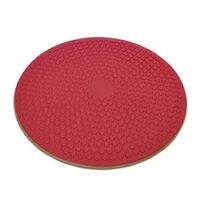
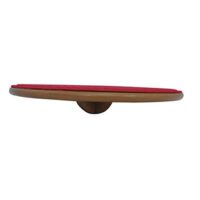
These balance products are commonly used by our physiotherapists to improve strength, balance, prevent injuries falls or injuries, plus assist home exercise programs.
-
-
- Gift Ideas, Back, Christmas Gift Ideas, Exercise Balls, Exercise Equipment, Knee, Pelvic Floor, Product Search
66fit Pilates Balls
$14.95 – $16.95Select optionsQuick View -
-







References
- Latimer-Cheung AE, Pilutti LA, Hicks AL, et al. Physical activity guidelines for adults with multiple sclerosis.
- Abou L, Pilutti LA, Motl RW. Exercise reduces fatigue in MS.
- Du L, Wang Y, Zhang H, et al. Exercise improves function in MS.
