
Soft Tissue Injury Healing Guide
Soft Tissue Injury Healing: Stages, Recovery and Rehabilitation


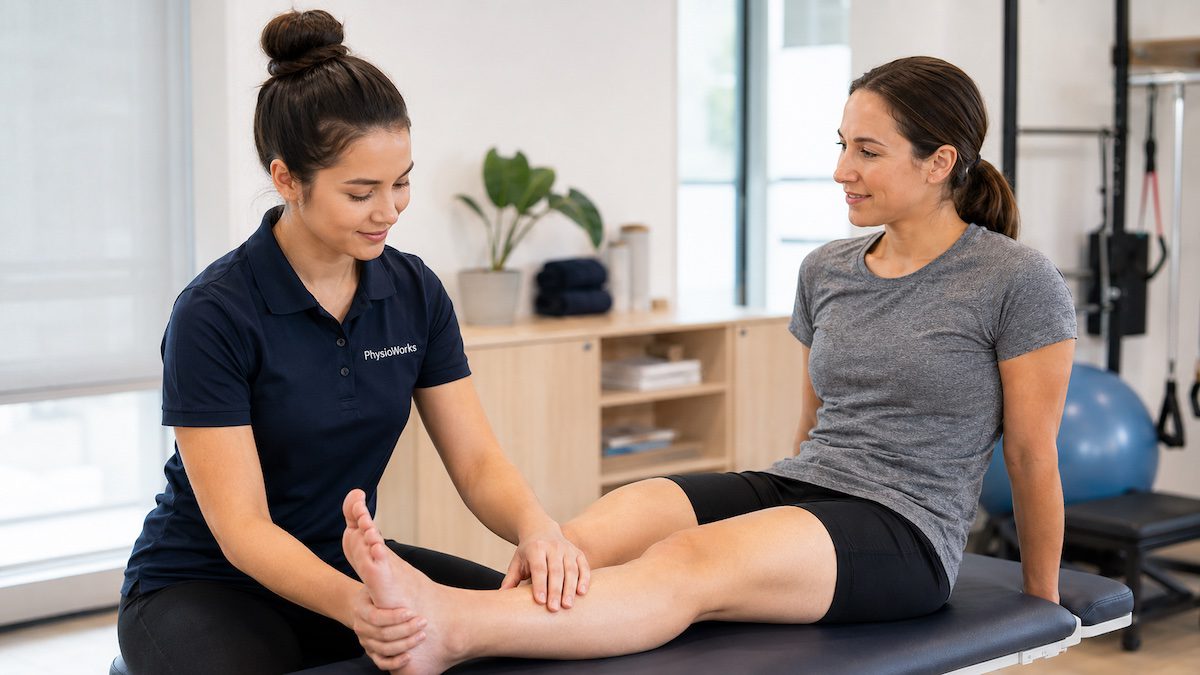
Soft tissue injuries usually heal through overlapping inflammatory, repair and remodelling phases. Mild injuries may recover within weeks, while more significant muscle, tendon or ligament injuries can take several months. Recovery usually progresses from early protection and comfortable movement towards graded strengthening and return to work, sport or daily activity.
What Is a Soft Tissue Injury?
Soft tissue injuries affect structures such as muscles, tendons and ligaments. They may occur suddenly after a twist, overstretch, impact or sporting incident, or develop gradually when a tissue is repeatedly loaded beyond its current capacity.
Common symptoms can include pain, swelling, bruising, stiffness, weakness and reduced movement. The pattern varies according to the tissue involved and the severity of the injury.
Many injuries respond well to appropriate acute injury management, comfortable movement and a gradual return to loading. Too much load too early may aggravate symptoms, while unnecessarily prolonged rest can contribute to stiffness, weakness and loss of confidence.
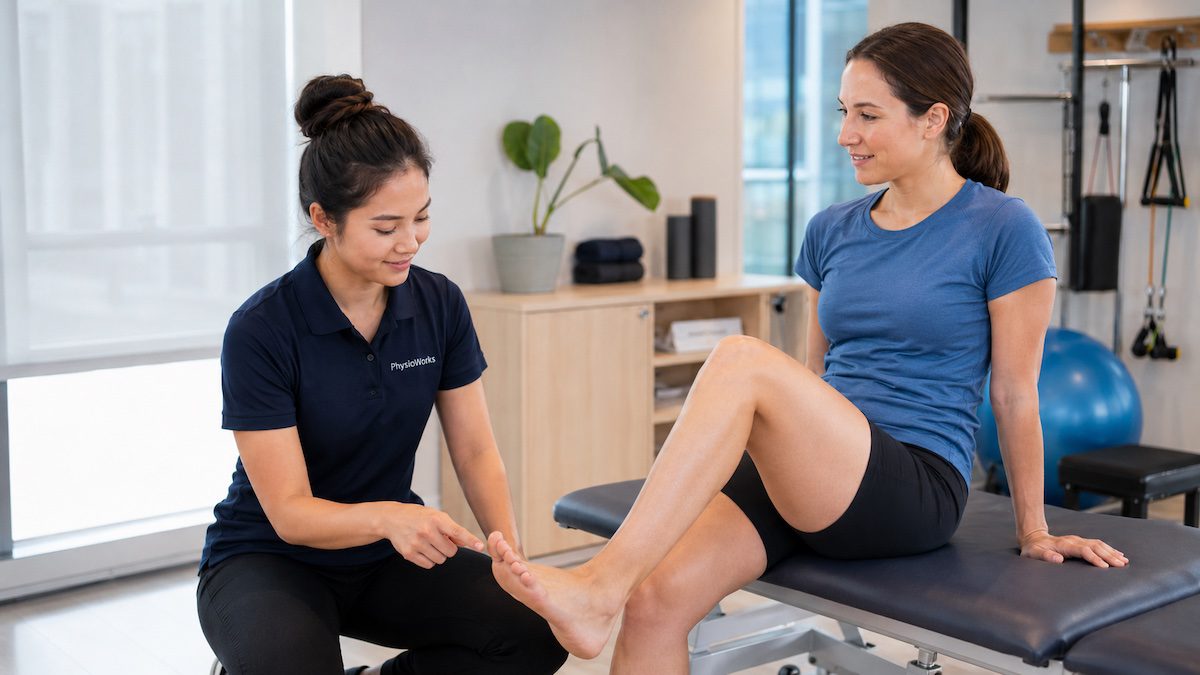
How Do Soft Tissue Injuries Heal?
Soft tissue injury healing usually occurs through three overlapping biological phases. These phases do not start and stop on exact dates. Injury severity, tissue type, age, general health and activity demands can all influence recovery.
Early inflammatory phase
Pain, swelling, warmth, bruising and protective muscle guarding may occur while the body begins the repair response.
Repair phase
New tissue forms and gradually gains strength. Movement may improve, although the area can still be sensitive to overload.
Remodelling phase
Healing tissue adapts to progressively stronger movement, exercise, work and sporting demands over time.
Early Inflammatory Phase
The inflammatory response begins soon after injury. Pain, swelling, warmth, bruising and protective muscle tension may occur. These responses are part of the body’s normal early healing process.
Management usually focuses on protecting the area from unnecessary aggravation while keeping movement comfortable. Relative rest from painful activities, compression, elevation and sensible activity modification may help when swelling or irritation is prominent.
Avoid repeatedly forcing movement into sharp pain during the early stages.
Repair Phase
During the repair phase, the body begins replacing damaged tissue. New collagen and other repair tissue gradually organise and strengthen.
Movement often becomes more comfortable during this stage, although the injured area may still be sensitive to sudden increases in load. Rehabilitation may include mobility exercises, light strengthening, balance work and controlled functional activity.
Remodelling Phase
During remodelling, healing tissue continues to adapt to increasing loads. Strength, flexibility, balance, coordination and confidence can improve when rehabilitation progresses appropriately.
Too little loading may leave the area underprepared for normal activity, while a rapid increase in loading can provoke symptoms. Progression therefore needs to match the tissue, injury severity and demands of the person’s work, recreation or sport.
Exercise rehabilitation becomes particularly important when rebuilding capacity for higher-level activity.
How Long Does Soft Tissue Injury Healing Take?
Healing time varies considerably. A mild soft tissue injury may settle within a few weeks, while a more substantial muscle, tendon or ligament injury can take several months to recover.
Recovery time can be influenced by:
- the severity of the injury
- the tissue involved
- the amount of swelling and loss of function
- your general health and recovery capacity
- your work, sport and daily activity demands
- previous injuries to the same area
- how rehabilitation loading is progressed
Pain can improve before the tissue has regained the strength, coordination and load tolerance required for demanding activity. For this reason, feeling better does not always mean the area is ready for unrestricted sport or heavy work.
What Helps Soft Tissue Injury Healing?
Recovery usually works best when protection, movement and loading are matched to the stage and irritability of the injury. Complete rest is rarely the long-term goal.
Protect the Area Without Unnecessary Complete Rest
Temporarily reducing activities that clearly aggravate symptoms can help settle an acute injury. However, comfortable movement is usually encouraged as the injury allows.
Early strategies may include:
- relative rest from painful activities
- compression where swelling is present
- elevation when helpful for swelling control
- comfortable movement within tolerance
- ice for short-term comfort where appropriate
Restore Comfortable Movement
Gentle movement can help maintain joint mobility and reduce unnecessary guarding or stiffness. The appropriate amount of movement depends on the injured tissue and the severity of the injury.
A physiotherapist can assess movement and help determine which activities can continue safely while the injured area recovers.
Increase Load Gradually
Progressive loading helps prepare healing tissue for everyday and sporting demands. Rehabilitation may progress through mobility, strength, balance and functional exercises before advancing to running, jumping, lifting or sport-specific tasks where required.
Can You Keep Training?
Some people can remain active during soft tissue injury recovery, although training may need modification. Choose activities that do not substantially increase pain, swelling, limping or next-day stiffness.
Higher-demand tasks such as sprinting, jumping, heavy lifting and rapid changes of direction usually need to return progressively rather than all at once.
Support General Recovery
A balanced diet, adequate energy and protein intake, hydration and sufficient sleep support normal recovery and adaptation. Smoking may impair tissue health and healing, so reducing or stopping smoking can also benefit general recovery.
How Can Physiotherapy Help Soft Tissue Injury Recovery?
Physiotherapy can help determine the severity and functional impact of an injury, identify appropriate activity levels and guide rehabilitation progression.
Management may include:
- assessment of movement and function
- advice about activity modification
- swelling and load-management strategies
- mobility exercises
- progressive strengthening
- balance and control exercises
- walking or running progression where appropriate
- work or sport-specific rehabilitation
- return-to-activity planning
Treatment should be matched to the injured tissue, current symptoms, recovery stage and individual goals.
When Should You Seek Assessment?
A physiotherapy assessment may be useful when an injury is not improving as expected, keeps recurring or limits normal work, recreation or sport.
Consider assessment when:
- pain or swelling is slow to settle
- movement remains restricted
- weakness continues after the early symptoms improve
- the injury keeps recurring
- you are unsure how much activity is appropriate
- you need to return to running, jumping, heavy work or sport
- you want a structured rehabilitation plan
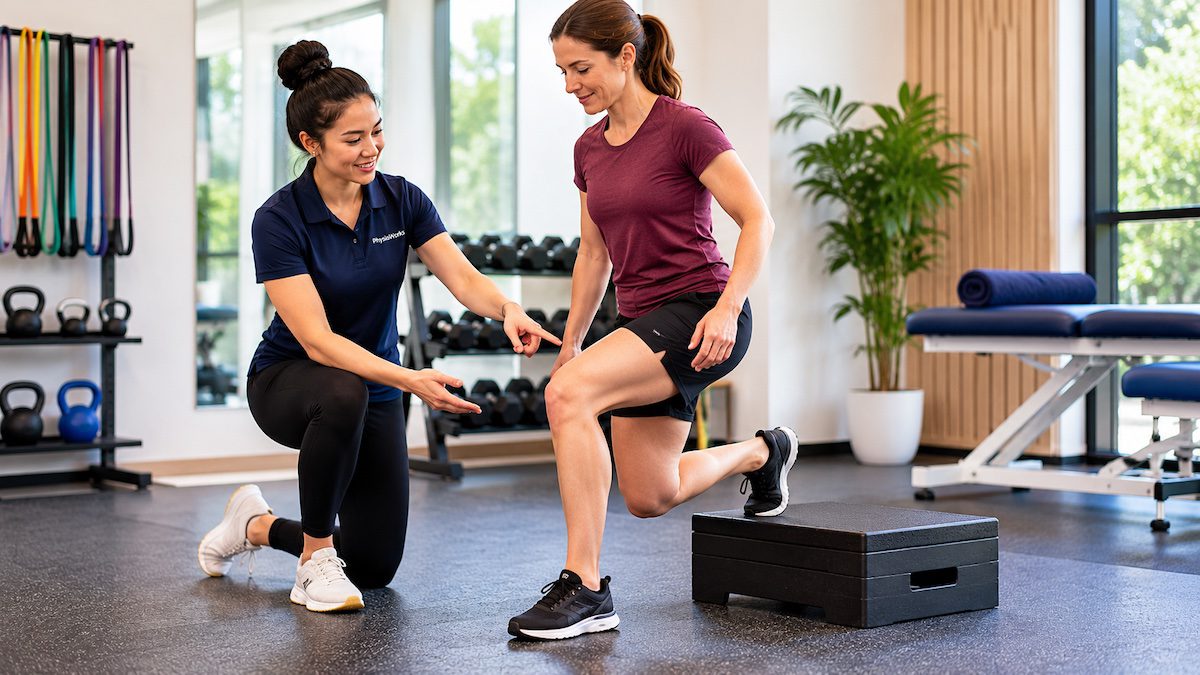
Returning to Work, Exercise or Sport
Return to activity should be based on function as well as time. Symptoms may settle before strength, balance, coordination and load tolerance have fully recovered.
Depending on your injury and goals, later rehabilitation may include:
- progressive resistance exercises
- single-leg control and balance tasks
- running progression
- jumping and landing exercises
- change-of-direction drills
- lifting or work-specific tasks
- sport-specific skills
Progress should remain gradual. A sudden return from light rehabilitation to full training is more likely to overload tissue that has not yet rebuilt the capacity required for that task.
Related Soft Tissue Injury Information
Common Questions About Soft Tissue Injury Healing
How long does soft tissue injury healing take?
A mild soft tissue injury may improve within a few weeks, while a more significant muscle, tendon or ligament injury can take several months. Recovery depends on injury severity, tissue type, general health and the demands of work or sport.
What are the stages of soft tissue injury healing?
The main stages are the early inflammatory phase, repair phase and remodelling phase. These phases overlap rather than occurring on exact dates. Rehabilitation usually progresses from early protection and comfortable movement towards strengthening and activity-specific loading.
Can I keep training with a soft tissue injury?
Often you can remain active, but training may need modification. Choose activities that do not substantially increase pain, swelling, limping or next-day stiffness. Higher-demand activities should return progressively as strength and load tolerance improve.
Why can a soft tissue injury feel better but re-injure easily?
Pain can improve before strength, coordination and load tolerance have fully recovered. Returning suddenly to sprinting, jumping, heavy lifting or sport can therefore overload tissue that is not yet ready for those demands.
Is swelling normal after a soft tissue injury?
Mild swelling is common after many soft tissue injuries, particularly early in recovery or after activity. Swelling that keeps increasing, does not settle or occurs with marked pain or loss of function should be assessed.
What helps soft tissue injuries heal properly?
Helpful measures can include relative rest early, comfortable movement, swelling management where required, progressive strengthening, adequate recovery and gradual return to normal activity. The appropriate plan depends on the injured tissue, severity and your goals.
References
- Dubois B, Esculier JF. Soft-tissue injuries simply need PEACE and LOVE. Br J Sports Med. 2020;54(2):72-73. doi:10.1136/bjsports-2019-101253
- Soliman AM, Barreda DR. Acute Inflammation in Tissue Healing. Int J Mol Sci. 2022;24(1):641. doi:10.3390/ijms24010641
- Wulff MW, Mackey AL, Kjær M, Bayer ML. Return to Sport, Reinjury Rate, and Tissue Changes after Muscle Strain Injury: A Narrative Review. Transl Sports Med. 2024;2024:2336376. doi:10.1155/2024/2336376
Choose your clinic and appointment pathway
Select a PhysioWorks clinic to continue to live booking, an appointment request or reception assistance.