
Back Pain
Back Pain
A physiotherapy guide to back pain symptoms, common causes, treatment and recovery.



Physiotherapist assessing lumbar spine movement during a back pain consultation.
Back pain can affect the mid-back, lower back and nearby muscles and joints. Symptoms may stay around the spine or spread into the buttock or leg.
If your pain sits mainly in the lumbar area, start with lower back pain. If pain, tingling or pins and needles travel into the leg, review sciatica.
This hub helps you choose the back pain guide that best matches your symptoms. It also explains common causes, assessment, treatment and when to seek medical advice. For service information, see back pain physiotherapy.
Back Pain Decision Guide
Choose the pattern that most closely matches your symptoms. These pathways can help you find the most relevant guide, but they do not confirm a diagnosis because several back conditions can feel similar.
Back pain without leg symptoms
Pain mainly sits around the lumbar spine without clear tingling, numbness or pain travelling down the leg.
Pain after lifting or twisting
Pain started after bending, lifting, awkward loading or a sudden movement.
Back pain with leg symptoms
Pain, tingling, numbness or pins and needles travel into the buttock or leg.
Bending or sitting aggravates pain
Symptoms worsen with bending forward, sitting, coughing, lifting or getting out of a chair.
Walking or standing brings on leg symptoms
Leg heaviness, aching or cramping may develop with walking or standing and improve when you sit or bend forward.
Pain near one buttock or pelvic joint
Pain sits low on one side near the top of the buttock and may worsen with walking, stairs or rolling in bed.
What is back pain?
Back pain describes pain in the thoracic spine, lumbar spine or nearby soft tissues. Some people feel local pain only. Others experience symptoms into the buttock or leg.
More than one structure or factor can contribute. Therefore, the overall symptom pattern often provides more useful information than trying to blame one tissue too early.
What commonly causes back pain?
Back pain may involve muscle strain, joint irritation, disc-related pain, nerve irritation, reduced physical capacity or repeated overload. Symptoms may start after lifting, sport, prolonged sitting, awkward twisting or a sudden increase in activity.
However, back pain does not always have one isolated cause. Assessment considers how your symptoms respond to movement, posture, loading and recovery.

Seated movement assessment can help a physiotherapist understand how your back responds to different positions.
Common back pain conditions
Back pain is an umbrella term rather than one diagnosis. These guides explain common conditions and symptom patterns in more detail.
How do symptom patterns help guide assessment?
A physiotherapist considers where symptoms travel, which movements aggravate them and how they change over time. One painful movement alone does not confirm a diagnosis.
Back pain when bending
Pain that worsens with bending, sitting, lifting or getting out of a chair may occur with disc-related pain, muscle strain or another load-sensitive presentation.
Back pain with leg pain
Pain, tingling or numbness travelling into the leg may occur with nerve irritation. Heavy or cramping legs brought on by walking and relieved by sitting can occur with spinal stenosis.
Back pain after lifting
Pain after lifting, twisting or awkward loading may involve muscle strain, protective muscle spasm or lumbar joint irritation.
Back stiffness after sitting
Long periods of desk work, driving or other static postures can reduce movement tolerance. Useful resources include good back posture tips, posture exercises and targeted back exercises.
Should you rest or keep moving with back pain?
For many people with uncomplicated back pain, gentle movement is more helpful than prolonged bed rest. Short walks, easy mobility and light activity within tolerable limits can help maintain movement and confidence.
You may need to reduce aggravating loads for a short time. However, prolonged inactivity can reduce strength and activity tolerance.
How is back pain assessed?
A physiotherapist may assess your movement, symptom behaviour, nerve symptoms, strength and activity tolerance. Assessment may include bending, extending, walking, sitting and relevant loading tasks.
The assessment also considers whether your presentation is suitable for physiotherapy or whether medical review or further investigation may be appropriate.
How can physiotherapy help back pain?
Back pain physiotherapy may include education, symptom-management strategies, hands-on treatment when appropriate and progressive exercise. Your program should reflect your symptoms, physical capacity and goals.
-
Settle aggravating symptoms
Temporarily modify painful loads while maintaining comfortable movement and everyday activity where possible.
-
Restore movement and control
Gradually improve comfortable spinal and hip movement and introduce appropriate strength exercises.
-
Build capacity
Progress strength, endurance and relevant tasks for work, sport, parenting and daily activities.
-
Return to normal activity
Increase lifting, gym, sport and other activities progressively rather than making sudden jumps in workload.
How can you reduce future back pain flare-ups?
Regular activity, graded strengthening and sensible load management may help reduce recurring back pain. Build capacity in your trunk, hips and legs, then practise the activities that matter to you.
A maintenance plan may include walking, core stability training and a small number of targeted back exercises.
Recurring symptoms can reflect a mismatch between current capacity and life demands. Workload, sudden activity increases, prolonged sitting, sleep and stress may all influence symptoms. Repeat pain does not necessarily mean that serious damage has occurred.
Back Pain FAQs
What is the most common cause of back pain?
Back pain can relate to several factors, including muscle strain, joint irritation, disc-related pain, nerve irritation and reduced load tolerance. There is often not one single structure responsible for symptoms.
Should I rest or keep moving with back pain?
Gentle movement is usually more helpful than prolonged bed rest for uncomplicated back pain. Short walks, light mobility and activity within tolerable limits can help maintain movement and function.
What causes back pain to spread into the leg?
Back pain can spread into the leg when spinal or nearby nerve tissues become irritated. Sciatica is one common pattern of back and leg symptoms.
How long does back pain take to improve?
Recovery varies according to the presentation, symptom duration and individual circumstances. Many uncomplicated back pain flare-ups improve over several weeks, while persistent or recurring symptoms may need further assessment and rehabilitation.
Can physiotherapy help back pain?
Physiotherapy may help identify factors contributing to your symptoms and provide a plan to improve movement, strength, function and load tolerance through education, treatment and graded exercise.
When should you worry about back pain?
Seek urgent medical care for new or worsening leg weakness, bladder or bowel changes, numbness around the groin or saddle area, fever, unexplained weight loss or significant trauma.
What to do next
If your back pain is recent and there are no warning signs, gentle movement, shorter periods of sitting and a gradual return to normal activity may be useful.
If symptoms persist, keep returning, spread into the leg or significantly limit your normal activities, consider an assessment. You can also read more about back pain physiotherapy.

Graded lifting practice can help rebuild capacity and confidence for everyday tasks.
Choose your clinic and appointment pathway
Select a PhysioWorks clinic to continue to live booking, an appointment request or reception assistance.
Back Support Products
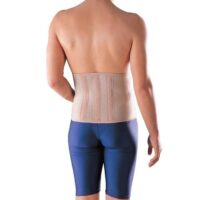
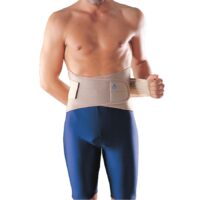
These back support products are commonly used by our physiotherapists to help reduce back pain, improve comfort, and support your recovery at home.
-

 Back, Braces & Supports, Maternity, Posture
Pregnancy Belly Band & C-Section 3-in-1
$94.99Select optionsQuick View -
-
 Back, Braces & Supports, Maternity, SIJ
Core Stability Support – OPPO 3462
$54.00Select optionsQuick View -
-
 Back, Braces & Supports, Maternity, Posture
Maternity Back Support – OPPO 2062
$60.00 – $64.00Select optionsQuick View -
 Braces & Supports, Back, Maternity, SIJ
Maternity Support Belt – OPPO 4062
$37.00Select optionsQuick View - Braces & Supports, Back, Maternity, SIJ
AOM38 AllCare Ortho Core Stability Belt
$49.95Select optionsQuick View -

Back Pain Tips: 7 Evidence-Based Ways to Move Better, Hurt Less & Recover Faster
A Physiotherapist’s Guide to a Stronger, Healthier Back
Discover practical, research-based strategies to ease back pain, move with confidence, and build long-term strength. Written by physiotherapist John Miller, this concise guide blends science and decades of clinical experience to help you recover faster and stay active for life.
- Clear, actionable advice grounded in current research
- Whole-person approach: movement, sleep, mindset and care team
- Includes a quick flare-up plan, FAQs and daily habits


References
- George SZ, Fritz JM, Silfies SP, et al. Interventions for the Management of Acute and Chronic Low Back Pain: Revision 2021. J Orthop Sports Phys Ther. 2021;51(11):CPG1–CPG60. doi:10.2519/jospt.2021.0304
- Hayden JA, Ellis J, Ogilvie R, et al. Exercise therapy for chronic low back pain. Cochrane Database Syst Rev. 2021;9(9):CD009790. doi:10.1002/14651858.CD009790.pub2
- Pocovi NC, Lin CWC, French SD, et al. Effectiveness and cost-effectiveness of an individualised, progressive walking and education intervention for the prevention of low back pain recurrence in Australia. Lancet. 2024;404(10448):134–144. doi:10.1016/S0140-6736(24)00755-4
