
Skateboarding Injuries
Skateboarding Injuries
Skateboarding injuries commonly affect the wrist, hand and ankle after falls or awkward landings. Head, knee and shoulder injuries can also occur, particularly with higher-speed or higher-risk falls.


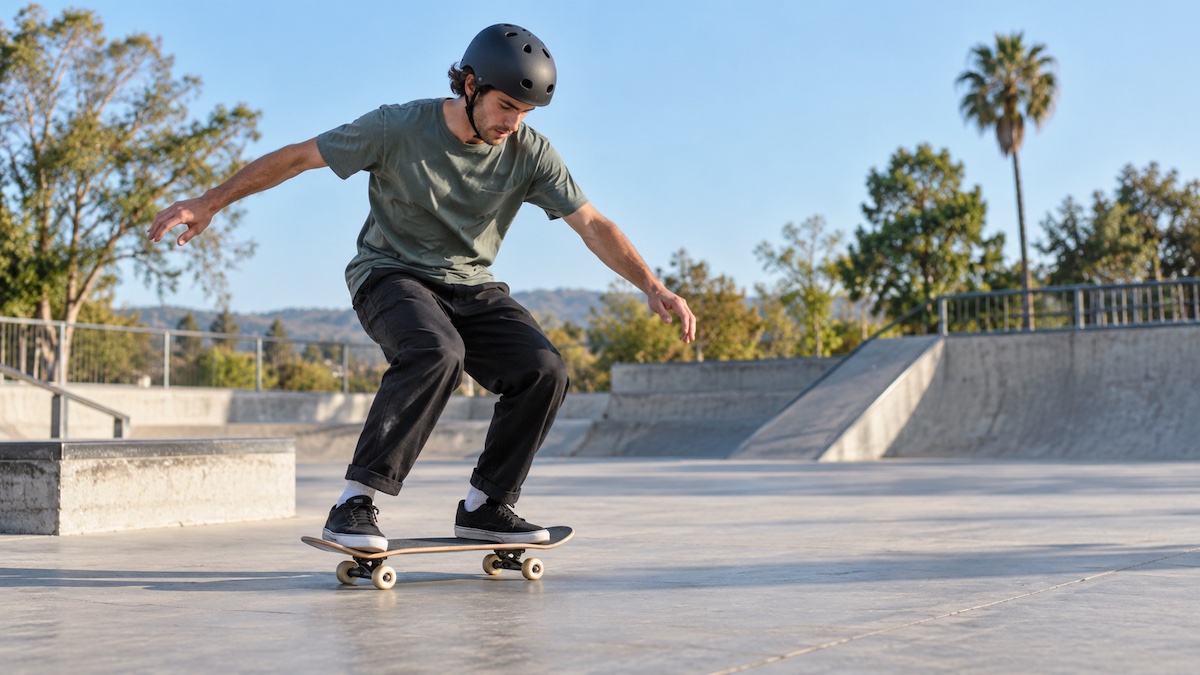
Common Skateboarding Injuries and Why They Happen
Skateboarding injuries often happen after a missed landing, board slip or sudden bail. Others build over time from repeated impact and long sessions. Commonly affected areas include the ankle, hand and wrist, and the head, including concussion.
Similar fall patterns also occur in scootering and BMX riding. However, skateboarding creates distinct balance demands because the board can move independently underfoot.
In a 10-year Australian emergency department review, wrist and hand injuries accounted for 57% of upper-limb injuries, while ankle injuries accounted for 45% of lower-limb injuries.1
This guide sits within the broader Outdoor Sports Injuries hub.
Where Do Skateboarding Injuries Occur?
Wrist and hand
Falls onto an outstretched hand can cause fractures, sprains and other wrist or hand injuries.1
Ankle
Missed tricks, board kick-outs and awkward landings can cause ankle sprains and other ankle injuries.1
Head and concussion
A direct head strike or rapid head movement during a fall can cause concussion. Helmet use may reduce injury severity.1,4
Knee
Hard landings, twisting movements and repeated impact can stress the knee, particularly as fatigue increases.
Shoulder
Shoulder-first impacts or forceful bracing during a fall can cause sprains, dislocations and other shoulder injuries.
Lower back
Repeated impacts, twisting bails and sudden increases in skateboarding load may contribute to lower-back symptoms.
Why Does Skateboarding Cause Injuries?
Skateboarding combines speed, height, balance and rapid direction changes. Landings can load the ankle and knee heavily, while bails commonly transfer force through the wrist, hand or shoulder.
Hard surfaces, rails and changing grip conditions also increase the consequences of a fall. Unlike BMX or scooter riding, the absence of handlebars places greater reliance on reactive balance and ankle control when a landing goes wrong.
Who Is More Likely to Get Injured?
Injury risk may rise when skateboarding difficulty increases faster than physical capacity. Common situations include returning after a break, attempting many new tricks in one session or continuing long sets as fatigue builds.
Previous injuries can also affect strength, confidence and movement control. Pain may change landing strategy and lead to stiffer landings, earlier bails or avoidance of particular features.
Common Skateboarding Injuries
Wrist fracture
Often follows a fall onto an outstretched hand, particularly with greater speed, height or late bracing.1,2
Ankle sprain
Often occurs after a missed landing, ankle roll or uneven contact with the ground.
Concussion
Can follow direct head impact or rapid head movement during a fall. Return to sport should follow appropriate medical and concussion guidance.
Chronic ankle instability
Repeated ankle sprains can contribute to ongoing giving way, reduced confidence and poorer landing control.
Wrist tendinopathy
Wrist tendon pain may develop with repeated loading, frequent falls or a rapid increase in skating volume.
How Can Physiotherapy Help With Skateboarding Injuries?
Physiotherapy can assess the injury itself as well as the strength, balance, movement control and load tolerance required for skateboarding. Rehabilitation can then progress towards the demands of pushing, jumping, landing and repeated skate sessions.
- Assess ankle, calf, hip and trunk strength.
- Restore balance and reactive control for changing surfaces and fast corrections.
- Progress jumping, landing and impact tolerance.
- Review landing and bail strategies where clinically useful.
- Plan increases in skate time, height and difficulty.
- Build confidence before higher-risk tricks or terrain.
Exercise physiology may help with longer-term conditioning and physical capacity. Remedial massage may support comfort and recovery when appropriate, but it does not replace active rehabilitation.
For a broader overview, see sports injury physiotherapy.
When Should You See a Physiotherapist?
- Pain lasts more than a few days or returns each time you skate.
- Swelling, bruising or reduced movement limits walking, work or training.
- You cannot push, jump or land without symptoms.
- Your ankle or another joint repeatedly gives way.
- Fear or loss of confidence changes your landing technique.
- You have ongoing symptoms after a previous skateboarding injury.
Early assessment can help clarify the injury and guide an appropriate rehabilitation and return-to-sport plan.
How Can You Reduce Skateboarding Injury Risk?
- Use protective equipment suited to the terrain, including a helmet and appropriate wrist or joint protection.
- Increase skating time, height and trick difficulty progressively rather than increasing everything together.
- Warm up with lower-intensity skating and movements that prepare the ankles and legs for impact.
- Build calf strength, single-leg balance and lateral ankle control.
- Address recurring ankle symptoms or peroneal tendon problems rather than repeatedly skating through them.
- Check skate surfaces, wheels and grip. Wet ground, loose gravel and worn equipment may increase fall risk.
- Allow recovery when fatigue begins to affect landing quality or decision-making.
Returning to Skateboarding After Injury
Return to skateboarding should match the injury, your recovery and the demands of your usual skating. A staged approach may begin with flat-ground basics before progressing to lower-impact tricks and then higher-speed, higher-load or higher-risk features.
Monitor symptoms during skating and the following day. Recovery days may be useful while volume and intensity increase.
If you have sustained a fracture, review our information about fractures and broken bones and post-fracture physiotherapy.
Frequently Asked Questions
What are the most common skateboarding injuries?
Skateboarding injuries commonly affect the wrist, hand and ankle. Head injuries, including concussion, can also occur after falls, particularly when riders bail at speed.1
Should I see a physiotherapist after a skateboard fall?
Consider an assessment if pain, swelling or loss of control persists for more than a few days or repeatedly returns when you skate. Seek urgent medical assessment for a suspected fracture or concerning symptoms after a head impact.
How long does a sprained ankle take to settle?
Recovery varies with injury severity and individual factors. Mild sprains may settle relatively quickly, while more significant sprains often need longer rehabilitation. Repeated rolling or giving way may be associated with chronic ankle instability.
Do wrist guards prevent wrist fractures?
Wrist guards may reduce wrist loading during some falls, but they cannot remove injury risk. Speed, height, terrain and the way you fall also influence injury risk.
When can I skateboard again after concussion?
Return depends on symptoms, clinical assessment and appropriate medical guidance. Progress through a staged return-to-sport process and only increase activity when symptoms remain settled. See our concussion return-to-sport guide.
What Should You Do Next?
If a skateboarding injury is limiting your skating, work, exercise or confidence, a physiotherapist can assess the problem and help plan rehabilitation and a staged return to activity.
Choose your clinic and appointment pathway
Select a PhysioWorks clinic to continue to live booking, an appointment request or reception assistance.
References
- Quinn J, Singh M, et al. The Epidemiology of Skateboarding Injuries: A 10-Year Review at a Major Australian Centre. 2024.
- George K, et al. Adult skateboarding and motorized board injuries: A comparative analysis. 2024.
- Schmidt V, et al. Fracture Epidemiology in Skateboarding vs. Snowboarding. 2025.
- Etemad LL, et al. Risk reduction after bicycle, scooter, and skateboard-related head injuries: helmet use and severity. 2025.
