
Best Pillow for Sleep


Best Pillow for Sleep: Quick Answer
The best pillow for sleep keeps your head, neck and upper back relaxed and level. It should match your body shape, shoulder width, neck size and usual sleep position.
This guide explains how to choose a pillow that suits your sleep habits and neck support needs. You can compare options on our pillow guide for neck pain and use our detailed Perfect Pillow FAQ for extra fitting tips.
Quick Pillow Check
Your pillow may not suit you if you wake with neck pain, headaches, shoulder stiffness or arm pins and needles.
It may also need review if you fold, punch or stack pillows to feel supported.
Which Pillow Type Is Right for Sleep?
The right pillow keeps your neck level while your spine stays supported. A pillow that is too high, too low or too soft can strain your neck joints and muscles overnight.
There is no single pillow that suits everyone. Side sleepers, back sleepers and stomach sleepers often need different height, shape and firmness.
Fast Fit Guide
- Side sleeping: fill the shoulder-to-head gap.
- Back sleeping: support the neck curve without pushing the head forward.
- Stomach sleeping: use a very thin pillow, or no pillow.
- Mixed sleeping: choose support that holds shape as you move.
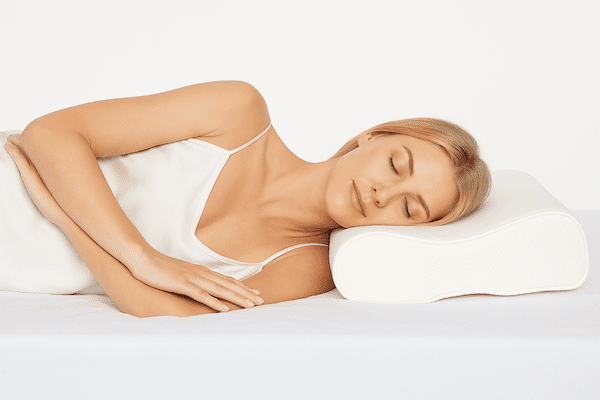
Side sleepers usually need enough height to fill the shoulder-to-head gap.
What Pillow Is Best for Side Sleepers?
Side sleepers usually need a pillow that fills the space between the shoulder and head. This helps keep the neck, upper back and head in a neutral line.
People with a slender neck often prefer a contour pillow that supports the curve under the neck. People with broader shoulders may need a higher or firmer pillow.
If you wake with neck pain, shoulder pain or arm pins and needles, review your pillow and sleep posture together. Our guides on sleeping positions for back and neck health and neck pain may help you check other factors.
What Pillow Is Best for Back Sleepers?
Back sleepers usually need a pillow that supports the natural curve of the neck. It should not push the head too far forward.
A pillow that is too low can let the head drop back. A pillow that is too high can push the chin towards the chest. Both positions can strain the neck.
Older adults, or people with a rounded upper back, may feel better with slightly more height. Some people also use a small neck roll to support the gap under the neck.

Back sleepers often need pillow height that supports the natural curve of the neck.
Should Stomach Sleepers Use a Pillow?
Stomach sleepers usually need a very thin pillow, or no pillow under the head. This position often twists the neck for long periods.
If you cannot avoid stomach sleeping, a small pillow under the chest or pelvis may reduce body twist. However, if you wake with neck pain, headaches or arm symptoms, it may be worth training towards side or back sleeping.
Our unsupportive pillow signs FAQ can help you decide when your pillow needs replacing.
What Pillow Suits Mixed Sleepers?
Mixed sleepers need a pillow that supports the neck as they move during the night. It should hold its shape, but still feel comfortable when you roll from side to back.
Memory foam and latex pillows are common choices because they can shape to the head and neck while still holding support. Research suggests that pillow height, shape and material can affect neck pain, waking symptoms and comfort in some adults.
Pillow Fit Decision Guide
- Too high: your chin may sit closer to your chest.
- Too low: your head may drop back or tilt down.
- Too soft: your pillow may collapse overnight.
- Too firm: pressure may build around your ear, jaw or shoulder.
How Do You Know If Your Pillow Is Wrong?
Your pillow may be wrong if you wake with neck pain, headaches, shoulder stiffness or arm symptoms. It may also be unsuitable if it feels good at first but collapses overnight.
Other signs include folding your pillow, using several pillows, waking with your head tilted, or sleeping better on a different pillow while travelling.
Common Warning Signs
- Morning neck pain or stiffness
- Headaches on waking
- Shoulder tightness after sleep
- Arm tingling, pins and needles, or numbness
- Needing to fold or stack pillows
Find the Right Pillow for Your Neck and Sleep Position
What Kind of Pillow Is Right for Me?
The right pillow should match your body shape, neck position and usual sleep posture. It should support your neck without forcing your head up, down or sideways.
Adjusting to a new pillow is normal. It can take several nights for your neck and upper back to adapt. Ongoing discomfort after one or two weeks may mean the pillow is not right for you.
A physiotherapist can assess your posture, neck movement, upper back movement and sleep position. They can then discuss a pillow type and height that suits your body shape and symptoms. This can help if you have ongoing neck pain, headaches, shoulder pain or arm symptoms such as pins and needles from a pinched nerve.
You can also review our Perfect Pillow Guide and compare support options on our pillow selection page.
When Should You Seek Advice?
Seek advice if neck pain, headaches, shoulder pain or arm symptoms keep returning despite changing your pillow.
A pillow can contribute to symptoms. However, posture, joint stiffness, muscle control, nerve irritation and daily habits can also play a role.
People Also Ask: Best Pillow for Sleep
What is the best pillow for sleep?
The best pillow for sleep keeps your head, neck and upper back in a neutral line. It should match your body size, shoulder width and sleep position.
Which pillow is best for neck pain at night?
People with neck pain often prefer a supportive or contoured pillow. It should match shoulder width and sleep position. Memory foam or latex may help because these materials hold shape through the night.
How often should I replace my pillow?
Most quality pillows need replacing every 18 to 36 months. Replace yours sooner if it is flat, lumpy, smells stale, or feels worse than a pillow you use when away from home.
Can the wrong pillow cause headaches?
Yes. A pillow that is too high, too low or uneven can strain neck joints and muscles overnight. This can trigger morning headaches in some people.
Do side sleepers need a different pillow?
Side sleepers usually need a higher pillow than back sleepers. The pillow needs to fill the space between the shoulder and head so the spine stays level.
Should I see a physiotherapist for pillow advice?
Physiotherapy advice may help if pillow changes have not settled neck pain, headaches, shoulder pain or arm symptoms. A physiotherapist can check your neck, posture, sleep position and movement habits.
Related PhysioWorks Guides
- What Is the Perfect Pillow for You? – Choose a pillow that matches your sleep style.
- Signs of an Unsupportive Pillow – Check the warning signs of poor neck support.
- Best Sleeping Postures – See how sleep position affects spinal comfort.
- Neck Pain – Learn what else may contribute to morning neck symptoms.
- Pinched Nerve – Check why nerve symptoms can affect the neck and arm.
- Neck Pain Treatment Options – Review common treatment pathways.
ABC Radio Interview on Pillow Selection
Listen to practical advice about choosing a pillow that supports your neck and sleep position.
What to Do Next
If you are unsure about your pillow choice, start by checking your sleep position, pillow height and morning symptoms. A supportive pillow should feel comfortable and keep your neck relaxed.
If you have ongoing neck pain, arm symptoms, headaches or poor sleep, review our guide to neck pain treatment options. Consider booking a consultation if symptoms keep returning.
Ready to Compare Pillow Options?
Start with a pillow that suits your sleep position, shoulder width and neck support needs. If pain or headaches persist, a physiotherapist can help check whether your pillow is the only issue.
Choose your clinic and appointment pathway
Select a PhysioWorks clinic to continue to live booking, an appointment request or reception assistance.
Pillow Support Products
- Christmas Gift Ideas, Neck, Pillows/Cushions
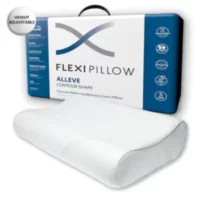
FlexiPillow Alleve Pillow
$109.95Add to cartQuick View -
- Neck, Christmas Gift Ideas, Gift Ideas, Pillows/Cushions, Posture
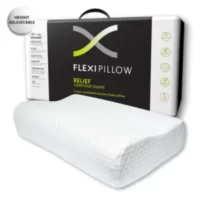
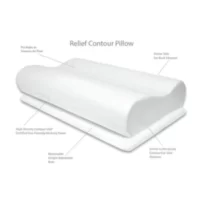
FlexiPillow Relief Contour Pillow
$109.95Add to cartQuick View




References
- Pang JC-Y, Tsang SM-H, Fu AC-L. The effects of pillow designs on neck pain, waking symptoms, neck disability, sleep quality and spinal alignment in adults: a systematic review and meta-analysis. Clin Biomech (Bristol, Avon). 2021;85:105353. doi:10.1016/j.clinbiomech.2021.105353
- Ghosh S, Goyal M, Goyal K. Effect of pillow on pain, disability and sleep quality in patients with chronic neck pain: a systematic review. Rehabilitacion (Madr). 2025;59(3):100922. doi:10.1016/j.rh.2025.100922
- Yamada S, Hoshi T, Toda M, Tsuge T, Matsudaira K, Oka H. Changes in neck pain and somatic symptoms before and after the adjustment of the pillow height. J Phys Ther Sci. 2023;35(2):106-113. doi:10.1589/jpts.35.106
- Lei J-X, Yang P-F, Yang A-L, Gong Y-F, Shang P, Yuan X-C. Ergonomic consideration in pillow height determinants and evaluation. Healthcare (Basel). 2021;9(10):1333. doi:10.3390/healthcare9101333
