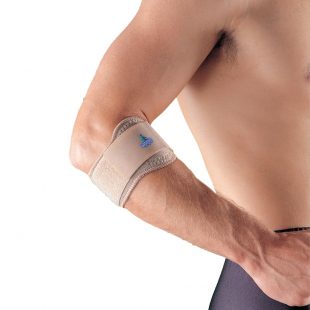
Tennis Elbow Strap with Silicon Pad – OPPO 1486
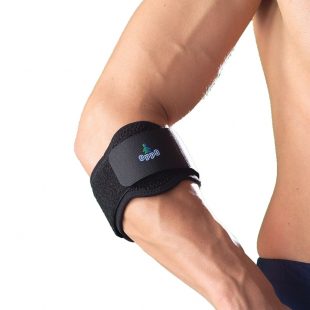
$26.95
- Description
- Additional information
Description
OPPO 1486 tennis elbow strap, tennis elbow brace, golfer’s elbow strap – targeted forearm compression to help settle tendon pain and support grip tasks.
OPPO 1486 Tennis Elbow Strap with Silicone Pad
Why use an elbow strap for tennis or golfer’s elbow?
Tennis elbow (outer elbow pain) and golfer’s elbow (inner elbow pain) often flare when your forearm tendons cop repeated gripping, lifting, tools, typing, gym work, or racquet sports. In many cases, symptoms link to tendon overload rather than a single “tear”. That’s why a plan usually includes smart load changes, progressive strengthening, and short-term symptom tools.
The OPPO 1486 Tennis Elbow Strap can help during this stage because it applies focused compression to the forearm muscle-tendon unit. This can reduce strain at the painful tendon attachment while you keep moving. If you want a clearer overview of causes and rehab, read our Tennis Elbow guide and our Golfer’s Elbow guide, then use the strap as a support alongside rehab.
How the OPPO 1486 works
This strap uses an integrated silicone pad to deliver more precise, comfortable pressure over the forearm muscles. In practice, that “spot pressure” can calm symptoms during gripping and wrist motion by reducing load transfer at the sore tendon insertion. The design also includes an adjustable strap so you can fine-tune compression without fully immobilising the elbow.
Since the OPPO 1486 aims to support movement (not stop it), it suits day-to-day tasks where you still need function. For broader elbow symptom context, you can also scan our Elbow Pain hub and the quick explainer on elbow pain causes.
What is it used for?
The OPPO 1486 Tennis/Golf Elbow Strap commonly helps with:
- Tennis elbow (lateral epicondylalgia): pain on the outside of the elbow during gripping, lifting, or wrist extension
- Golfer’s elbow (medial epicondylalgia): pain on the inside of the elbow during gripping, lifting, or wrist flexion
- Forearm tendon overload from repetitive work, gym training, gardening, DIY, or racquet sports
- Flare-ups where you need symptom support while you continue a strengthening plan
How to wear it (simple steps)
Place the strap a few centimetres below the elbow joint, then position the silicone pad over the tender forearm muscle area (not directly on the bony point). Next, tighten until it feels supportive but not numb, cold, or tingly. Finally, test grip strength and wrist movement. Adjust until it feels “lighter” to use your hand.
Wear it during aggravating tasks (work, sport, lifting, gym) rather than all day. If your pain keeps escalating, use the strap as a prompt to reduce load and shift to a rehab focus. Our tennis elbow treatment guide explains the balance between short-term relief and long-term tendon capacity.
Who it suits best and when it helps most
This strap suits people who need their hands for sport, trade work, desk work, or parenting, and want a practical way to reduce symptoms while they rebuild strength. It often helps most early on, during flare-ups, or when returning to activity and you want a little extra protection during heavier days.
As a safety note, straps support symptoms but they do not replace diagnosis or a tailored plan. If you have severe night pain, marked weakness, nerve symptoms, or you are unsure what is driving your pain, book a physiotherapy assessment so your plan matches your cause and workload.
Key benefits (summary)
- Targets forearm tendon pain with focused silicone-pad compression
- Helps reduce strain during gripping, lifting, sport, and tool use
- Adjustable fit so you can fine-tune support for comfort and function
- Supports movement while you progress strengthening and load management
- Useful for tennis elbow and golfer’s elbow flare-ups
FAQs
Does an elbow strap actually help tennis elbow?
An elbow strap can help some people by reducing the load felt at the painful tendon attachment during gripping and wrist work. It often helps most as a short-term support while you rebuild tendon capacity with progressive exercise. For general guidance on self-care and bracing, Healthdirect notes that activity modification, pain relief options, and keeping active can help, and recovery may take months depending on severity.
Where should I place the strap?
Place the strap a few centimetres below the elbow joint, then position the pad over the tender forearm muscle area rather than the bony bump. After that, test a light grip or wrist movement. Adjust until tasks feel easier without numbness or tingling.
Can I wear an elbow strap all day?
Most people do better using it during provoking tasks only. Continuous use can become a crutch and may reduce how much you load the tendon, which matters for recovery. Use it for work, sport, or heavy gripping, then remove it for rest and exercise sessions.
How tight should it be?
It should feel supportive, not restrictive. Avoid numbness, pins and needles, coldness, or colour change in your hand. If any of those show up, loosen the strap straight away.
Is an elbow strap enough to fix golfer’s elbow?
No single product “fixes” tendon pain. A strap can reduce symptoms, yet most people still need load changes and strengthening for the forearm and upper limb. Start with our Golfer’s Elbow page for a clear plan overview.
What else should I do alongside the strap?
Combine the strap with progressive strengthening, grip management, and technique tweaks for the task that triggers pain. If you want a simple starting point, the NSW Agency for Clinical Innovation highlights early activity modification, simple pain relief options, and a gradual shift to stretching and strengthening.
Related reading
- Tennis Elbow – symptoms, causes, and rehab steps
- Golfer’s Elbow – inner elbow tendon pain guide
- Elbow Pain – broader elbow causes and treatment options
What to do next
If the OPPO 1486 helps, use it as a “training wheel” while you rebuild strength and tolerance. If pain persists, keeps returning, or you feel unsure about the cause, book a physiotherapy assessment so your program targets the right tissues and the right loads.
Additional information
| Weight | 0.1 kg |
|---|---|
| Dimensions | 2 × 10 × 16 cm |