
Hip & Butt Pain Guide – Causes, Treatment & Physiotherapy


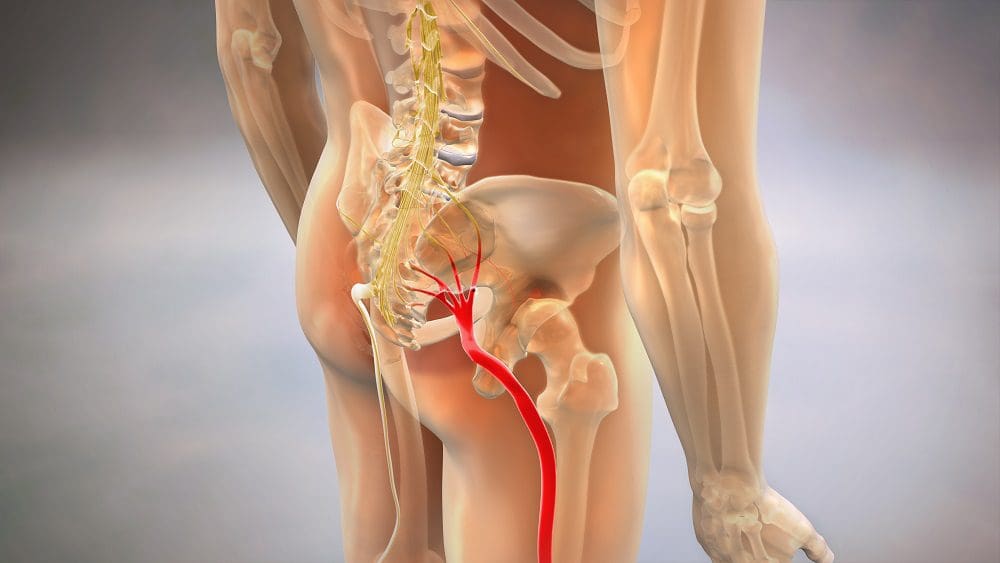
Hip and buttock pain can affect walking, stairs, squatting, running, and sleep. Many people find these symptoms frustrating because they limit daily movement as well as exercise and sport.
You can start with our main hip pain hub, or explore related pages on groin pain and sacroiliac joint pain.
Fortunately, most hip and buttock pain is not serious. Many cases relate to a muscle, tendon, joint, or movement-control issue that improves with guided rehabilitation, strengthening, and activity modification. An accurate diagnosis still matters because treatment should match the true source of symptoms.
What is the most common reason for hip and buttock pain?
The most common causes of hip and buttock pain involve the surrounding muscles, tendons, and joints. Frequent diagnoses include gluteal tendinopathy, greater trochanteric pain syndrome, trochanteric bursitis, piriformis syndrome, sciatica, or SIJ pain. These conditions often respond well to physiotherapy management.¹²
When should hip or buttock pain be taken seriously?
Most hip pain improves with the right care. However, seek prompt assessment if you cannot weight-bear, experience severe pain after trauma, develop worsening weakness or numbness, or notice constant night pain, fever, or unexplained worsening symptoms.
For a broader overview of hip pain causes and warning signs, see the Australian government health resource Healthdirect hip pain guide.
Hip, Groin & Buttock Conditions
Symptoms around the hip often originate from several nearby structures. The sections below help you quickly navigate to the page that best matches your symptoms.
Main hubs
Lateral hip & buttock pain
- Piriformis Syndrome
- Gluteal Tendinopathy
- Greater Trochanteric Pain Syndrome
- Trochanteric Bursitis
- Sciatica
Hip joint pain
- Hip Arthritis
- Hip Labral Tear
- Hip Pointer
- Femoroacetabular Impingement (FAI)
- Avascular Necrosis
- Perthes Disease
- Slipped Capital Femoral Epiphysis
Adductor and groin-related pain
What to do next
If your hip or buttock pain is recent and mild, reduce aggravating activities and avoid positions that clearly worsen symptoms. Early load management and strengthening can assist recovery.
If symptoms persist, worsen, or interfere with walking, sport, sleep, or work, arrange a physiotherapy assessment. A physiotherapist can identify the source of symptoms and guide the most appropriate rehabilitation strategy.
Choose your clinic and appointment pathway
Select a PhysioWorks clinic to continue to live booking, an appointment request or reception assistance.
Hip Products
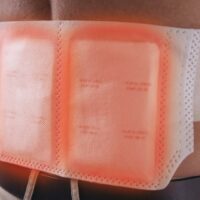
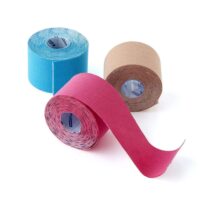
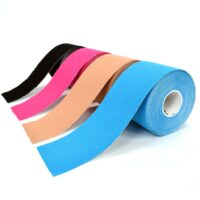
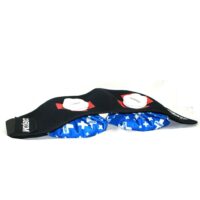
These hip products are commonly used by our physiotherapists to improve strength, posture, movement, plus assist home exercise programs.
-
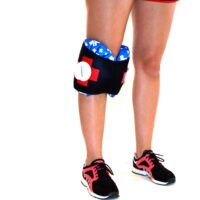
 Ankle, Back, Braces & Supports, Calf, Foot, Groin, Heel, Hip, Knee, Thigh, Walking
Forearm Crutches
$64.00Select optionsQuick View -
 Exercise Equipment, Resistance Band
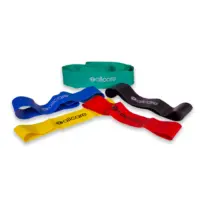
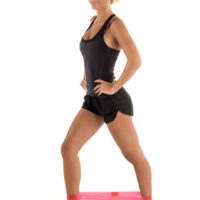
AllCare Powerloop Bands
$24.95 – $79.95Select optionsQuick View -
-
-
 Exercise Equipment, Knee, Resistance Band
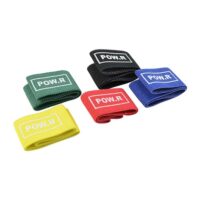
POW.R Fabric Mini Loop Bands
$12.00 – $55.00Select optionsQuick View - Liniments & Gels, Massage Liniments, Pain Management
Fisiocrem
$16.95 – $39.95Select optionsQuick View -
-
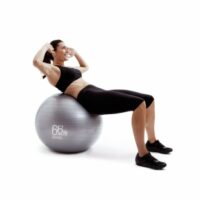 Exercise Balls, Back, Exercise Equipment, Knee, Shoulder
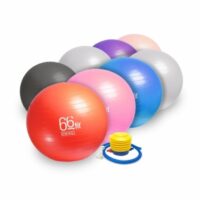
66fit Exercise Balls | Core & Rehab Stability Ball
$32.00 – $57.00Select optionsQuick View -
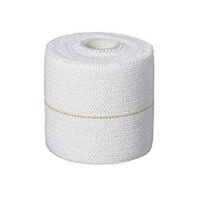
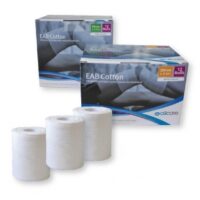
-
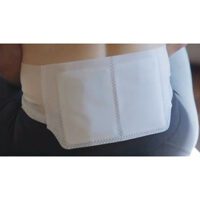
-
-
-
-


Social Media
Follow PhysioWorks on social media for practical tips on hip pain, buttock pain, exercise progressions, and rehabilitation strategies.


References
- Kinsella R, Semciw A, Pizzari T.
Diagnostic accuracy of clinical tests for greater trochanteric pain syndrome: systematic review and meta-analysis.
J Orthop Sports Phys Ther. 2024;54(1):26-49.
PubMed Link - Grimaldi A, Fearon A.
Gluteal tendinopathy: integrating pathomechanics and clinical features in its management.
J Orthop Sports Phys Ther. 2015;45(11):910-922.
PubMed Link - Gómez-Verdejo F, Alvarado-Solorio E, Suarez-Ahedo C.
Femoroacetabular impingement syndrome: current concepts in diagnosis and management.
J Hip Preserv Surg. 2024.
PubMed Link - Dinis J, Oliveira JR, Choupina B.
Athletes with adductor-related groin pain: narrative review.
Cureus. 2024;16(9):e68625.
PubMed Link
