
Calf Pain
Causes, warning signs, treatment options and return-to-running guidance.


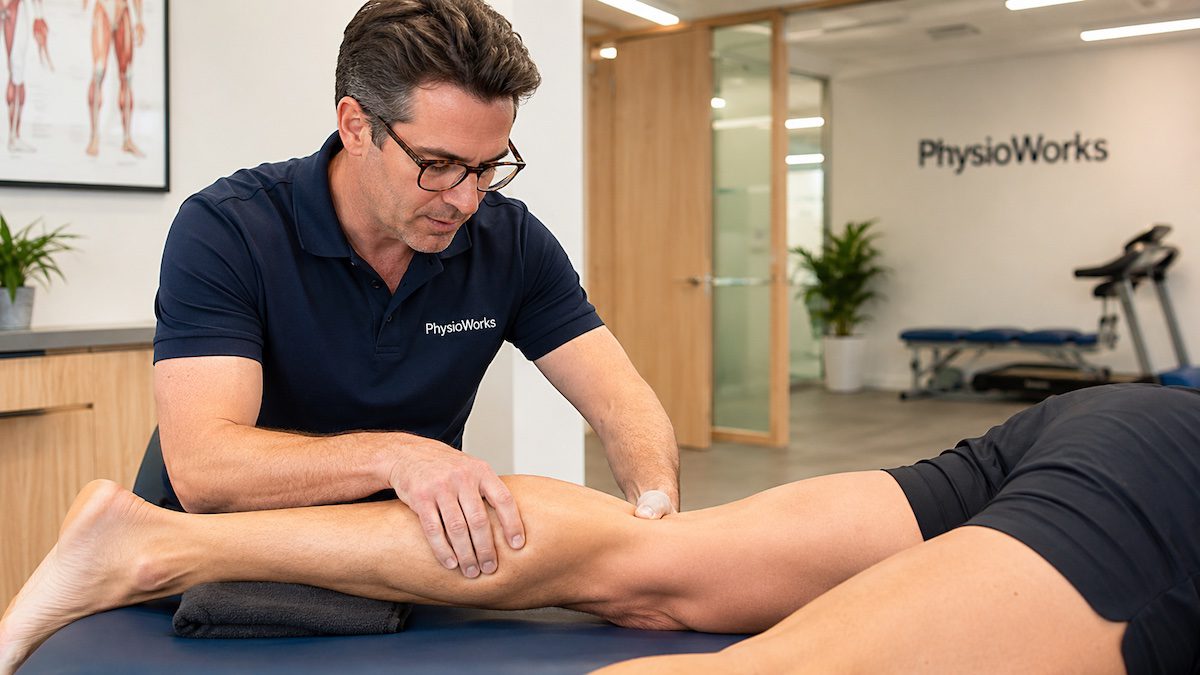
Calf assessment helps identify the likely pain source.
Calf pain may come from muscle strain, Achilles tendon overload, cramp, nerve referral, training changes or, less commonly, circulation-related problems. This page explains common causes, warning signs, treatment options and when to seek urgent medical review.
The calf muscle group includes the gastrocnemius and soleus. These muscles join into the Achilles tendon and help you push off, absorb load and control walking, running, hopping and jumping.
This page links to detailed information on calf strain or tear, Achilles tendinopathy, Achilles rupture and related running injuries.
Many calf injuries improve with the right diagnosis, load management and progressive strengthening plan. However, calf pain should not be ignored when symptoms are sudden, severe, unexplained or associated with swelling or breathing symptoms.
What Is Calf Pain?
Calf pain describes discomfort in the back of the lower leg between the knee and ankle. It may feel sharp, tight, cramp-like, aching, burning or heavy. Symptoms may increase with walking, running, hills, jumping, calf raises or pushing off.
The pain pattern often gives useful clues. A sudden sharp pull during sport may suggest a muscle strain. Morning stiffness near the Achilles tendon may suggest tendon overload. Tingling or burning may suggest nerve referral. Swelling, warmth or redness needs more caution.
Calf Muscle Anatomy
The calf is mainly made up of the gastrocnemius and soleus muscles. These muscles create force through the Achilles tendon to lift your heel during walking, running, hopping and jumping.
Nerves, blood vessels and lower-leg compartments also sit near the calf. This is why a careful assessment matters. Similar symptoms can come from muscle, tendon, nerve, bone or circulation-related causes.
What Causes Calf Pain?
Calf pain has several common causes. The right treatment depends on the source of symptoms, how the pain started and what activities now provoke it.
Calf Strain or Tear
A calf strain often happens during acceleration, jumping, sprinting or a sudden change of pace. You may feel a sharp pull, local tenderness, bruising, swelling or pain with pushing off. Read more about calf strain or tear and torn calf muscle.
Achilles Tendon Overload
Achilles-related pain can build gradually. It often feels stiff first thing in the morning or worse after hills, speed work or a jump in training load. Many people improve with pacing and progressive tendon loading. You may also like what is tendinopathy?.
Shin and Lower-Leg Overload
Shin pain can occur alongside calf overload because the calf muscles help control landing forces through the tibia. In some cases, this may relate to shin splints, bone stress or training errors. If your pain feels tight and predictable during exercise, read about compartment syndrome.
Referred Pain From the Back or Nerves
Sometimes the calf is not the main source of pain. For example, sciatica may refer pain, tingling or cramping into the calf. In these cases, the right exercises often differ from a local calf injury plan.
Circulation-Related Causes
Less commonly, calf pain may relate to circulation rather than muscle or tendon overload. This matters when symptoms include swelling, warmth, redness or pain that does not match a clear injury pattern.
Calf Pain Quick Check
Sharp pull during sport
A calf strain or tear may cause sudden pain during sprinting, jumping or pushing off.
Morning tendon stiffness
Achilles tendon overload often causes stiffness after rest or first thing in the morning.
Tightness during exercise
Predictable tightness may relate to training load, shin overload or compartment-related symptoms.
Tingling or nerve-like pain
Burning, tingling or radiating symptoms may come from the back or a nerve.
Swelling or breathing symptoms
Unexplained swelling, redness or warmth needs prompt medical assessment. Chest pain or shortness of breath may require emergency care.
Common Calf Pain Symptoms
- Local calf tightness, tenderness or a twinge when pushing off
- Morning stiffness, especially with Achilles tendon overload
- Pain that increases with hills, speed work or sudden training jumps
- Bruising or swelling after a sudden sharp pull
- Cramping, tingling or referred discomfort into the calf
- Reduced walking, hopping or running tolerance
Why Calf Pain Can Affect Walking and Running
The calf muscles and Achilles tendon help control forward movement every time you walk or run. When these tissues are irritated, you may notice pain during push-off, reduced stride length, trouble with hills or a drop in hopping and running tolerance.
This functional pattern helps guide diagnosis. For example, pain with a single calf raise may point to muscle or tendon load sensitivity. Pain that builds predictably with running may point to training load, shin overload or compartment-related symptoms.
Why Does My Calf Hurt When I Walk?
Calf pain with walking may come from muscle strain, Achilles tendon overload, cramp tendency, footwear change or a sudden rise in activity. It can also come from referred nerve pain or circulation-related causes.
New calf swelling, redness or warmth requires prompt medical assessment, particularly when there is no clear injury. Chest pain, shortness of breath, faintness or coughing blood may indicate a medical emergency. For general medical guidance, see Healthdirect calf pain information.
When Should You Worry About Calf Pain?
You should take calf pain seriously when it comes with unexplained swelling, redness or warmth, particularly when symptoms do not fit a clear muscle or tendon injury. These signs can sometimes occur with a deep vein thrombosis or another medical condition that needs prompt assessment.
Deep Vein Thrombosis (DVT): When to Act Urgently
A deep vein thrombosis can sometimes mimic a calf strain. Possible signs include unexplained swelling, redness, warmth, increasing calf tenderness or pain that does not match a clear injury. Risk may be higher after recent surgery, long travel or immobility, during pregnancy, with some medications or with certain medical conditions.
If you are concerned about a possible DVT and do not have emergency chest or breathing symptoms, seek urgent medical assessment. If you develop chest pain, shortness of breath, faintness, coughing blood or severe breathing difficulty, call 000.
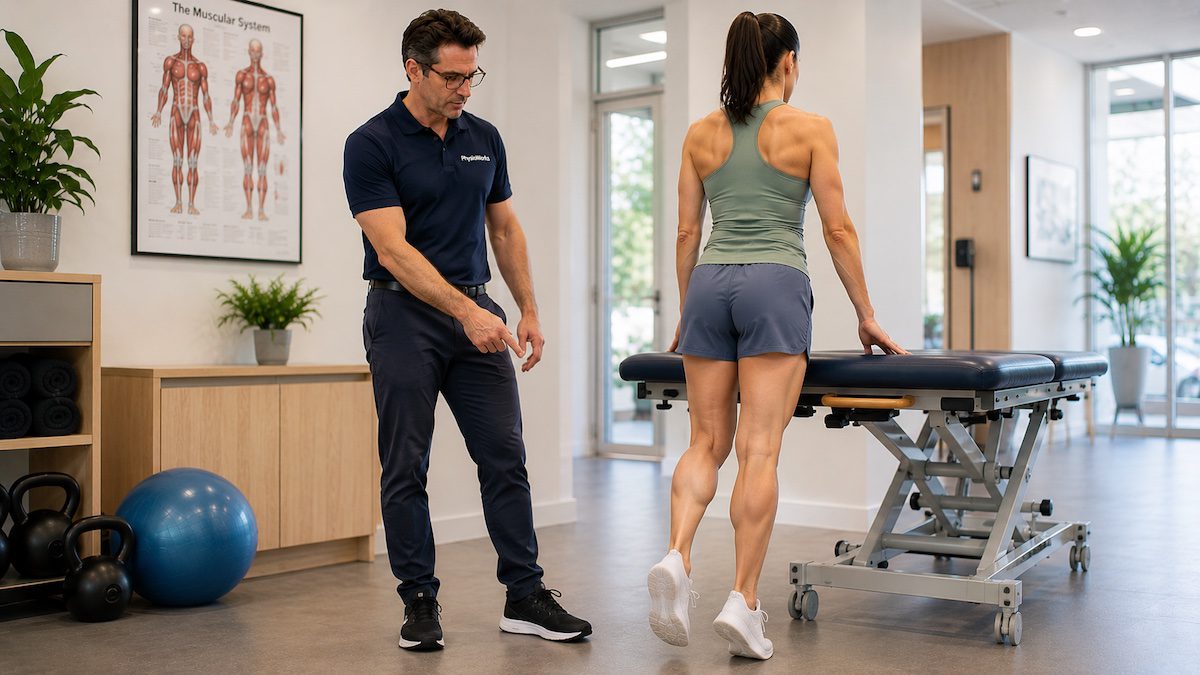
Calf strength testing helps guide safe progression.
How Is Calf Pain Diagnosed?
Diagnosis starts with the story behind your symptoms. A physiotherapist may ask when the pain started, whether it came on suddenly or gradually, and what activities make it worse.
Assessment often includes walking, calf raises, hopping, ankle movement, tendon palpation and strength testing. In some cases, imaging or medical review may be recommended to rule out serious causes or clarify the diagnosis.
Calf Pain Treatment and Rehabilitation
Calf pain treatment starts with identifying the likely source, such as muscle, tendon, nerve, shin or circulation. A physiotherapist may check walking tolerance, calf strength, ankle mobility, tendon sensitivity and contributing factors such as biomechanics.
Depending on your presentation, treatment may include symptom-guided activity changes, calf strengthening progressions, ankle and foot mobility work, pacing advice and a return-to-running plan. Some people may also use treatments such as dry needling as one part of a broader rehabilitation plan.
Rehabilitation often starts with settling irritability and restoring basic load tolerance. It then builds into strength, repeated calf-raise capacity, hopping control and sport-specific progression.
Calf Pain Rehab Progression
-
Settle symptoms
Reduce irritability and restore comfortable walking. Progress when walking feels easier and swelling or sharp pain is improving.
-
Reload the calf
Build calf-raise strength and muscle or tendon load tolerance. Progress when calf raises feel controlled and symptoms settle after exercise.
-
Rebuild higher-load capacity
Add hopping, faster walking, hills or gym-based strengthening. Progress when you tolerate these loads without a significant next-day flare-up.
-
Return to running, sport or work
Progress running, sport drills or work demands in stages. Aim for loading that feels predictable, repeatable and well tolerated between sessions.
Return to Running: Simple Milestones
A return-to-running plan works best when it is based on symptoms, strength and recovery between sessions. Many people need to rebuild walking tolerance first, then progress to calf raises, hopping, walk-jog intervals and faster running.
Before returning to normal training, you should usually be able to walk comfortably, perform repeated calf raises, hop with control and complete a short run without a significant next-day flare-up. Runners may also benefit from strength training, flexibility work and a sensible warm-up routine.
Should You Keep Exercising With Calf Pain?
Some calf pain can tolerate modified exercise. However, the decision depends on pain level, swelling, strength and whether symptoms settle after activity. Running through sharp pain or increasing tightness may aggravate symptoms.
Green — continue cautiously
Mild tightness only, no limp and symptoms settle quickly after activity.
Amber — modify the load
Pain changes your stride, returns after activity or remains noticeably worse the next day.
Red — stop and reassess
Sharp pain, significant swelling, bruising or unexplained warmth and redness need more caution. Chest pain or shortness of breath requires urgent medical attention.
If you are unsure, reduce impact load and get assessed. A physiotherapist can help you decide whether to rest, cross-train, strengthen or start a graded return-to-running plan.
Prevention and Self-Management Tips
- Increase running load gradually rather than making sudden jumps.
- Build both straight-knee and bent-knee calf strength.
- Progress hills, speed work and jumping gradually.
- Check your footwear if symptoms started after a shoe change.
- Warm up before faster running or sport.
- Respond early if calf tightness keeps returning.
If cramps are your main symptom, read more about muscle cramps. If symptoms involve sudden loss of push-off strength, review Achilles rupture information and seek prompt assessment.
Related Calf Conditions
Calf Pain FAQs
What are common causes of calf pain?
Common causes include calf muscle strain or overload, Achilles tendon overload, cramp, training changes and referred nerve pain. The pattern of pain and how it started can help narrow the likely cause.
When should I worry about calf pain?
Seek prompt medical assessment for unexplained calf swelling, redness, warmth or increasing tenderness. Call 000 if calf symptoms occur with chest pain, unexplained shortness of breath, faintness, coughing blood or severe breathing difficulty.
Why does my calf hurt when I walk?
Calf pain during walking may come from muscle strain, Achilles tendon irritation, cramp, nerve referral or circulation-related causes. The pattern of pain, swelling, strength and walking tolerance helps guide the next step.
How long does a calf strain take to heal?
Recovery varies with injury severity and individual factors. Mild calf strains may improve within a few weeks, while larger tears often need considerably longer. A graded strengthening and return-to-activity plan can help guide recovery.
What exercises help calf pain?
Many people use progressive calf strengthening, including straight-knee and bent-knee calf raises, together with appropriate ankle mobility and graded activity. The right starting level depends on the cause and irritability of your symptoms.
Can sciatica cause calf pain?
Yes. Sciatica can refer pain, tingling or cramping sensations into the calf. An assessment can help distinguish symptoms coming from the back or nerves from a local calf problem because management may differ.
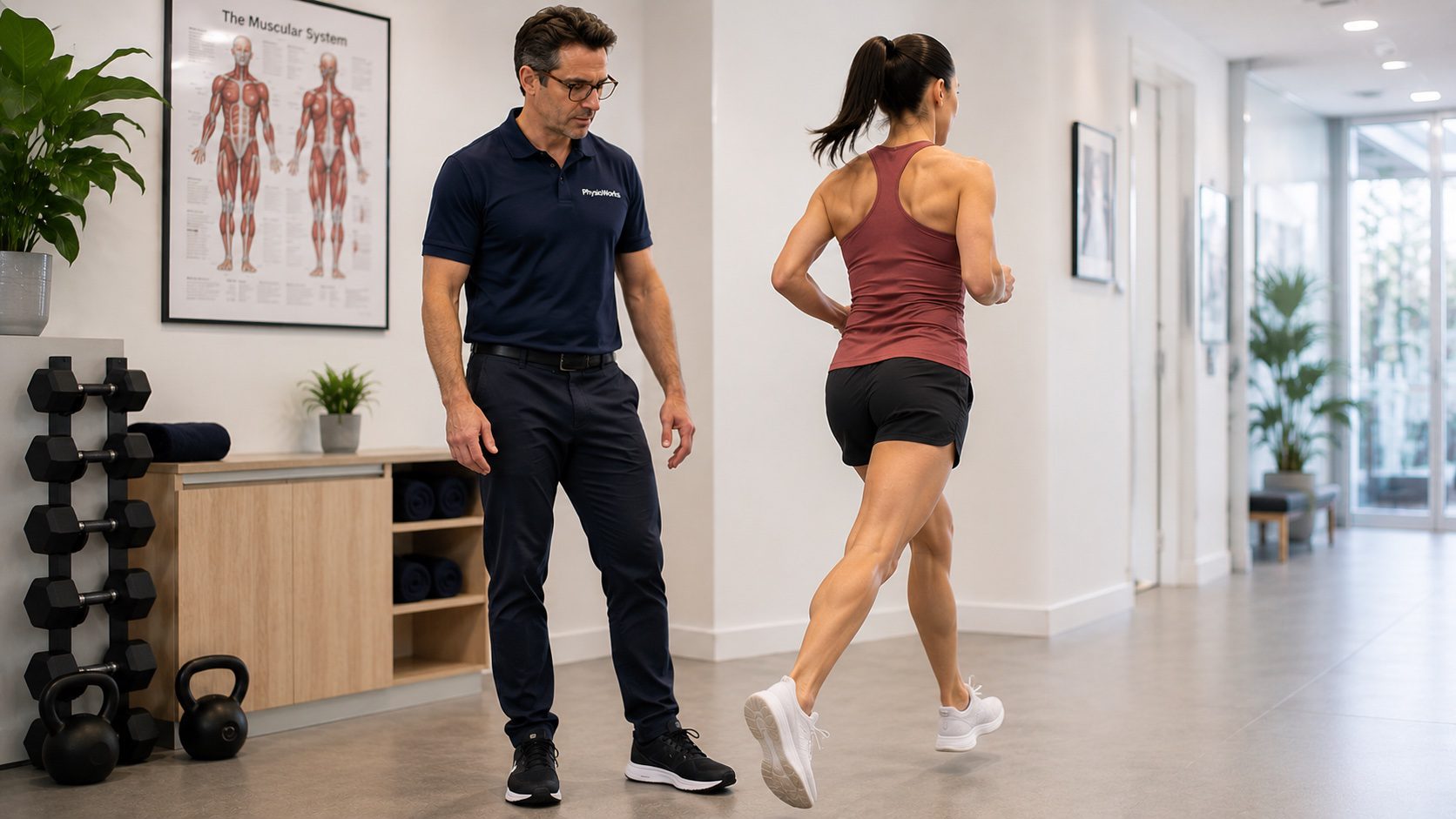
Guided progression helps restore confidence with running.
What to Do Next
If your calf pain is new, worsening or keeps returning, consider a physiotherapy assessment. Identifying the likely cause can help guide exercise, load management and a safer return to activity.
Seek prompt medical assessment for unexplained calf swelling, redness, warmth or increasing tenderness. Call 000 if calf symptoms occur with chest pain, unexplained shortness of breath, faintness, coughing blood or severe breathing difficulty.
Choose your clinic and appointment pathway
Select a PhysioWorks clinic to continue to live booking, an appointment request or reception assistance.
Calf Products
These calf products are commonly used by our physiotherapists to improve strength, provide comfort, improve flexibility, plus assist home exercise programs.
-
-
- Liniments & Gels, Massage Liniments, Pain Management
Fisiocrem
$16.95 – $39.95Select optionsQuick View -
 Gift Ideas, Christmas Gift Ideas, Exercise Equipment, Foot, Knee, Massage Tools, Pain Management
Footeez Lockeroom
$45.00Add to cartQuick View -
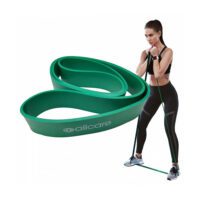 Exercise Equipment, Resistance Band
AllCare Powerloop Bands
$24.95 – $79.95Select optionsQuick View -
-
-
-


-

-
-
 Ankle, Back, Braces & Supports, Calf, Foot, Groin, Heel, Hip, Knee, Thigh, Walking
Forearm Crutches
$64.00Select optionsQuick View -
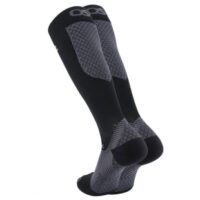 Ankle, Braces & Supports, Calf, Foot
Orthosleeve Compression Bracing Socks
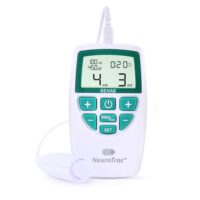
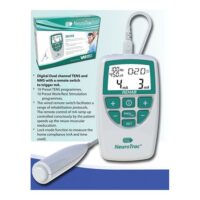
$49.00Select optionsQuick View - EMS Machines, Pain Management, TENS Machine, TENS Machine & EMS
NeuroTrac Rehab (TENS Machine + EMS)
$285.00Add to cartQuick View -




References
- Green B, Lin M, Schache AG, et al. The assessment, management and prevention of calf muscle strain injuries: a qualitative study of the practices and perspectives of 20 expert sports clinicians. Sports Med Open. 2022;8(1):10. doi:10.1186/s40798-021-00364-0.
- Makedonov I, Kahn SR, Galanaud JP. Treatment of isolated distal deep vein thrombosis. Blood. 2025;145(23):2604-2614. doi:10.1182/blood.2024026982.
- Chimenti RL, Neville C, Houck J, et al. Achilles pain, stiffness, and muscle power deficits: midportion Achilles tendinopathy revision 2024. J Orthop Sports Phys Ther. 2024;54(12):CPG1-CPG32. doi:10.2519/jospt.2024.0302.
- Pagan-Rosado R, Troyer C, Miller KC, Winkelmann ZK. Calf strains in athletes: a narrative review of management, injury grading, and return to sport. Sports. 2025;13(1):12. doi:10.3390/sports13010012.
