
Vertigo and Dizziness


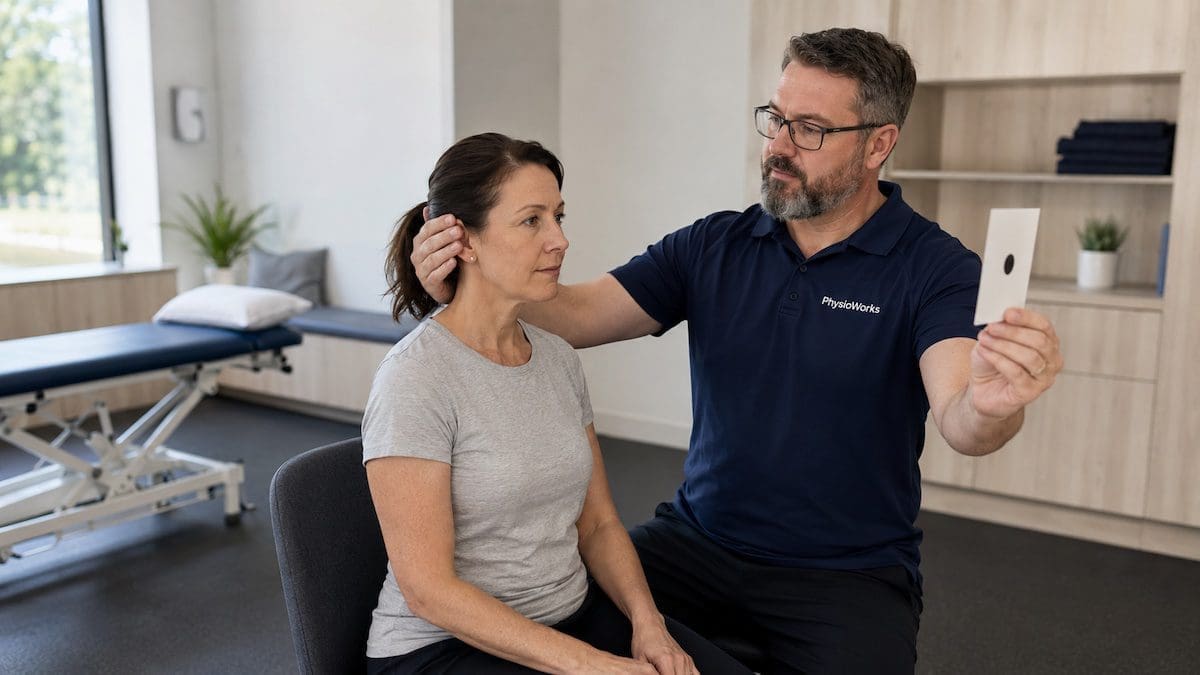
Vestibular assessment can help clarify vertigo and dizziness triggers.
Vertigo and dizziness can feel like spinning, floating, light-headedness, unsteadiness, or poor walking confidence. These symptoms may come from the inner ear, balance system, neck, migraine, blood pressure, medication effects, or a mix of factors.
Vertigo usually means a false sense of movement. Dizziness is broader and may feel like faintness, imbalance, or feeling “off”. This distinction helps your clinician decide whether you may benefit from vestibular rehabilitation therapy, BPPV repositioning, neck treatment, medical review, or a combined plan.
Quick answer: Vertigo often feels like spinning or movement when you are still. Dizziness may feel like light-headedness, faintness, imbalance, floating, or poor steadiness. The symptom pattern, timing, triggers, hearing symptoms, headache features, and medical history all help guide the next step.
Vertigo and Dizziness: What Is the Difference?
Vertigo
Vertigo is the sensation that you or the room is moving, spinning, tilting, or swaying when no real movement is happening. It often relates to the vestibular system in the inner ear, which helps your brain interpret head movement and position.
Common conditions associated with vertigo include:
- BPPV, which often causes brief spinning when rolling in bed, looking up, or bending forward
- Meniere’s disease, which may involve vertigo, tinnitus, ear fullness, and hearing changes
- vestibular migraine, which may cause dizziness with light, sound, visual, or motion sensitivity
- cervicogenic dizziness, where neck symptoms may contribute to imbalance or floating sensations
Dizziness
Dizziness is a broader term. It may include light-headedness, faintness, unsteadiness, imbalance, floating, or a vague “not right” feeling. It does not always involve spinning.
Causes can include inner-ear disorders, migraine, neck problems, low blood pressure, dehydration, medication effects, anxiety, fatigue, or medical conditions. You may also find it useful to compare the four types of dizziness.
What Symptom Pattern May Suggest Vertigo?
Your symptom pattern gives useful clues, although it does not confirm a diagnosis by itself. A clear history and assessment still matter.
- Brief spinning with rolling in bed: often fits BPPV or another positional vestibular problem.
- Dizziness with hearing changes or ear fullness: may need medical review to check inner-ear causes.
- Dizziness with migraine features: may fit vestibular migraine, especially with light, sound, visual, or motion sensitivity.
- Dizziness with neck pain or stiffness: may involve neck-related dizziness or mixed neck and vestibular input.
- Light-headedness when standing: may involve blood pressure, hydration, medication, or broader medical causes.
For a broader cause-based guide, read vertigo causes and dizziness causes.
Why Do People Get Vertigo or Dizziness?
Vertigo commonly occurs when signals from the inner ear, eyes, neck, body, and brain do not match. Dizziness can also occur when blood pressure, energy, hydration, medication, stress, or other health factors affect how steady you feel.
Some people have one clear cause. Others have overlapping factors, such as BPPV followed by lingering imbalance, migraine sensitivity, neck stiffness, or persistent postural-perceptual dizziness (PPPD).
How Are Vertigo and Dizziness Assessed?
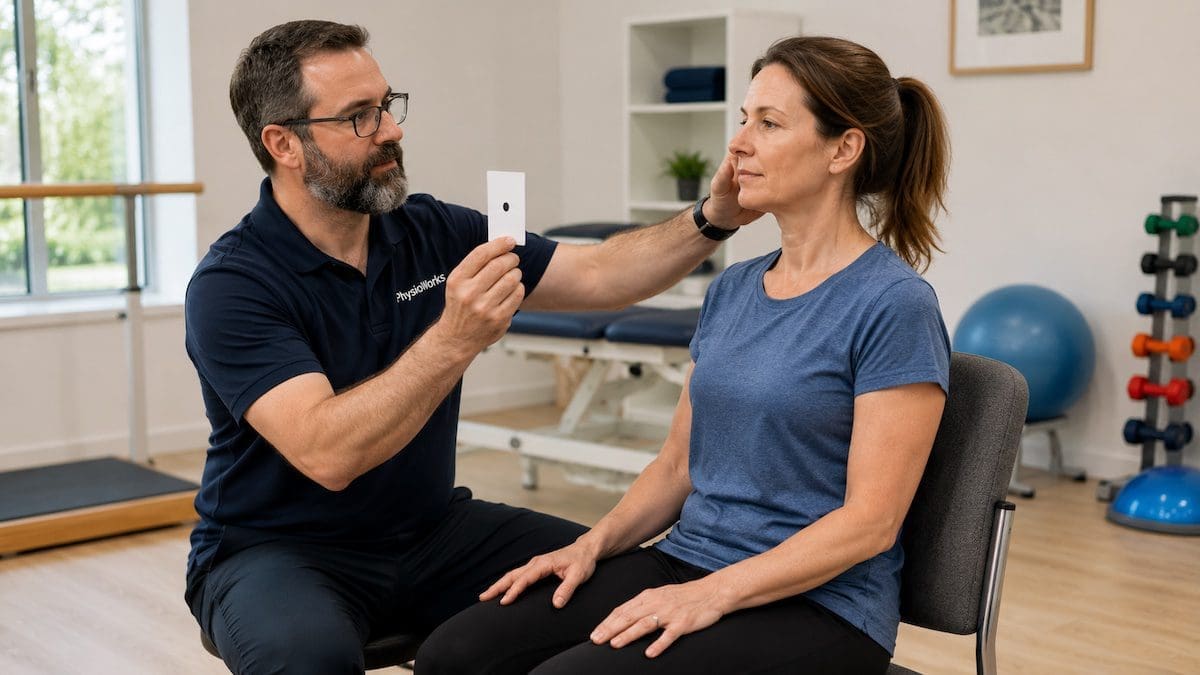
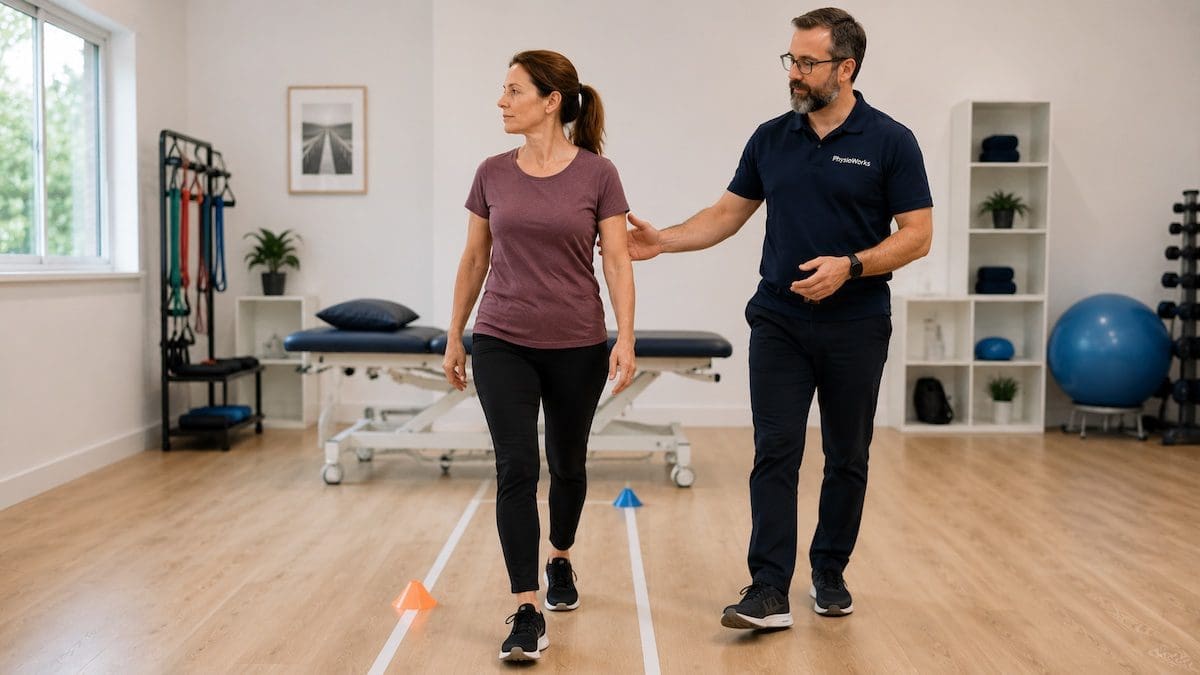
A vestibular physiotherapy assessment checks how your balance systems work together. This may include questions about symptom timing, head movement triggers, eye movements, walking balance, balance reactions, falls risk, migraine history, medication changes, and neck movement when relevant.
For symptoms that sound like BPPV, your physiotherapist may use positional tests such as the Dix-Hallpike test. For more complex dizziness, assessment may consider whether you need vestibular rehabilitation, balance retraining, neck treatment, or medical review before exercise starts.
How Can Physiotherapy Help Vertigo and Dizziness?
Physiotherapy may help when symptoms relate to the vestibular system, balance control, motion sensitivity, gaze control, BPPV, or neck input. The plan should match the likely cause rather than use one generic set of exercises.
A physiotherapist may recommend:
- repositioning manoeuvres when the pattern fits BPPV
- gaze stabilisation and head movement exercises for vestibular weakness
- walking and balance retraining to improve steadiness and confidence
- graded exposure for motion sensitivity or busy visual environments
- neck treatment and movement guidance when neck symptoms contribute
If your main question is treatment choice, see vertigo physiotherapy.
Seek urgent medical care if dizziness occurs with:
- chest pain, fainting, or sudden shortness of breath
- new weakness, numbness, facial droop, or speech changes
- sudden vision changes, double vision, or a severe new headache
- sudden difficulty walking, loss of coordination, or severe imbalance
- sudden hearing loss or new severe ear symptoms
Related Vestibular Articles
- Vestibular Physiotherapy – start here for the broader vestibular guide.
- Vestibular Rehabilitation Therapy – learn how gaze and balance exercises may help.
- BPPV – useful if spinning occurs with rolling, looking up, or bending.
- Vestibular Migraine – useful when dizziness overlaps with migraine features.
- Cervicogenic Dizziness – useful when dizziness links with neck pain or stiffness.
- Vestibular FAQs – compare common vestibular questions.
Vertigo and Dizziness FAQs
What is the difference between vertigo and dizziness?
Vertigo is a false sense of spinning or movement. Dizziness is a broader term that may include light-headedness, faintness, imbalance, floating, or feeling “off”. This difference helps guide assessment because causes and treatment options can vary.
Can physiotherapy help vertigo and dizziness?
Physiotherapy may help when dizziness relates to the vestibular system, balance control, motion sensitivity, gaze control, BPPV, or neck input. A physiotherapist can assess triggers and may recommend vestibular rehabilitation, balance retraining, or repositioning manoeuvres when appropriate.
How do you treat BPPV?
BPPV is often managed with canalith repositioning manoeuvres. These aim to move displaced inner-ear crystals back to a less sensitive area. A trained clinician selects the manoeuvre based on which canal is involved and how your symptoms behave during testing.
When is dizziness a red flag?
Seek urgent medical care if dizziness occurs with chest pain, fainting, severe headache, new weakness or numbness, facial droop, new speech problems, sudden vision changes, double vision, sudden hearing loss, or sudden trouble walking.
Why does vertigo happen when you turn over in bed?
Vertigo triggered by rolling in bed often occurs with BPPV. Head position changes can shift inner-ear crystals and briefly disrupt balance signals. This can create a short spinning sensation, nausea, and unsteadiness after the spinning settles.
What should you do if vertigo or dizziness keeps coming back?
If vertigo or dizziness keeps coming back, arrange an assessment. Recurring symptoms may need vestibular testing, balance assessment, BPPV repositioning, vestibular rehabilitation, neck assessment, or medical review depending on the symptom pattern.
What to Do Next
If vertigo or dizziness is affecting daily activities, driving confidence, sport, work, or walking steadiness, an assessment can help clarify the likely cause and guide a practical plan.
Start with a vestibular physiotherapy assessment if symptoms keep returning or you are unsure what is driving them. Your physiotherapist can help decide whether your presentation suits vestibular rehabilitation, BPPV repositioning, balance retraining, neck treatment, or medical referral.
Choose your clinic and appointment pathway
Select a PhysioWorks clinic to continue to live booking, an appointment request or reception assistance.
Balance Products
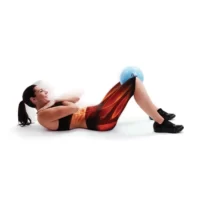
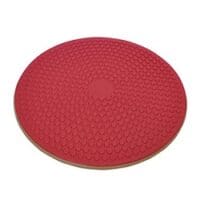
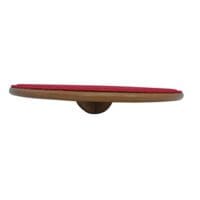
These balance products are commonly used by our physiotherapists to improve strength, balance, prevent injuries falls or injuries, plus assist home exercise programs.
-
-
-
-
-

 Gift Ideas, Back, Christmas Gift Ideas, Exercise Balls, Exercise Equipment, Knee, Pelvic Floor, Product Search
Pilates Balls
$13.00 – $14.00Select optionsQuick View





References
- Hall CD, Herdman SJ, Whitney SL, et al. Vestibular Rehabilitation for Peripheral Vestibular Hypofunction: An Updated Clinical Practice Guideline From the Academy of Neurologic Physical Therapy of the American Physical Therapy Association. J Neurol Phys Ther. 2022;46(2):118-177. doi:10.1097/NPT.0000000000000382
- Lempert T, Olesen J, Furman J, et al. Vestibular migraine: Diagnostic criteria (Update): Literature update 2021. J Vestib Res. 2022;32(1):1-6. doi:10.3233/VES-201644
- Alfarghal M, Kamil ES, Hamdan M, et al. Treatment efficacy of repositioning maneuvers in multiple canal benign paroxysmal positional vertigo: A systematic review and meta-analysis. Front Neurol. 2023;14:1288150. doi:10.3389/fneur.2023.1288150
- Rezaeian A, Abtahi H, Moradi M, Farajzadegan Z. The effect of vestibular rehabilitation in Meniere’s disease: a systematic review and meta-analysis of clinical trials. Eur Arch Otorhinolaryngol. 2023;280(9):3967-3975.