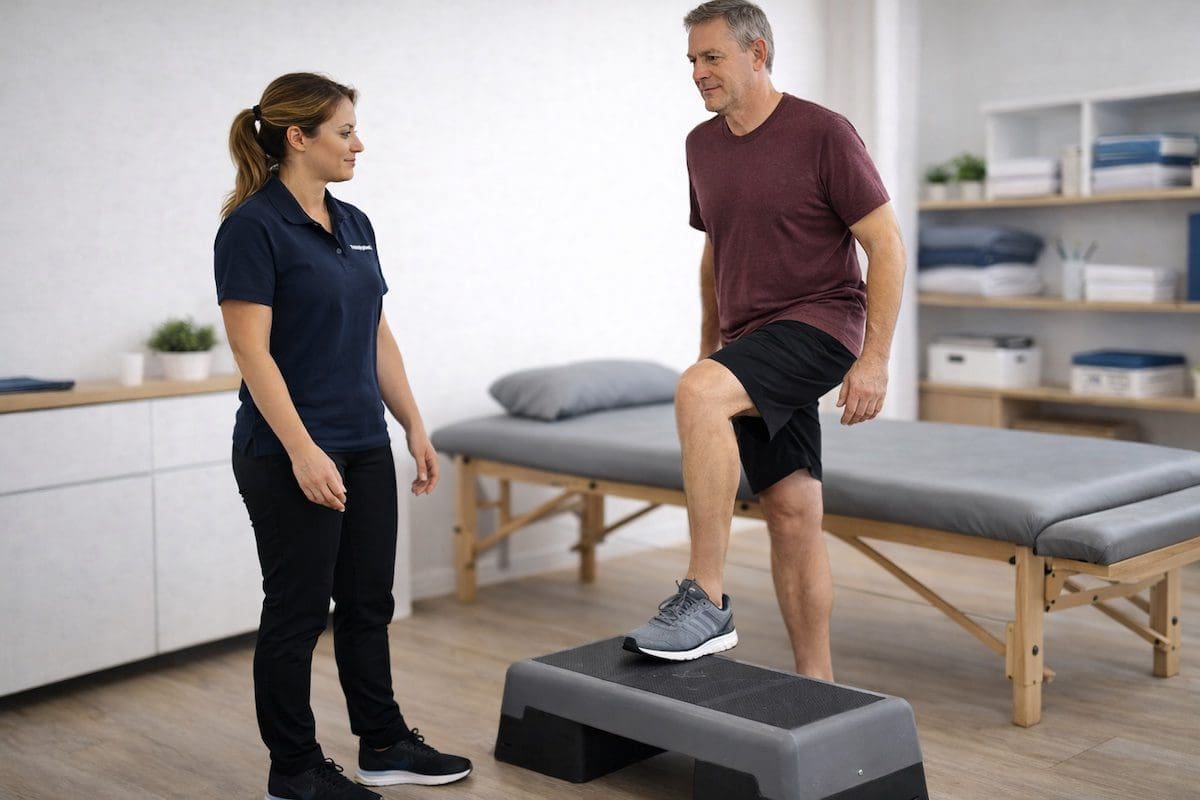


FAQs

Frequently Asked Questions


Article by John Miller & Erin Runge

What are the best neck exercises for pain relief and prevention?

Neck pain often links to sustained posture, stress, or sudden changes in activity. The right neck exercises can calm symptoms, improve movement, and help prevent flare-ups. For a broader guide to causes and treatment options, see our Neck Pain page.

Woman performing chin tuck neck exercises at desk to relieve neck pain and improve posture
Chin Tuck Exercise Performed At A Desk To Support Posture And Reduce Neck Pain.

Short Answer

The best neck exercises usually include gentle mobility (turning and side-bending), posture resets (chin tucks), and gradual strengthening for the neck and upper back. Do them in short sets through the day, rather than one long session. If your pain persists, keeps returning, or you notice arm symptoms, a physiotherapist can assess the cause and guide progression—see Neck Pain.

Why neck exercises can help

Neck symptoms often involve sensitive joints, tight muscles, and reduced endurance in the muscles that support your head and shoulder girdle. A steady exercise routine can improve movement confidence, reduce day-to-day irritation, and build capacity for desk work, driving, and training.

Neck exercises for pain relief

1) Neck rotations

Sit tall. Turn your head slowly to the left until you feel a mild stretch. Return to centre, then repeat to the right. Keep the movement smooth and avoid forcing end range.

2) Chin tucks (neck retractions)

Sit or stand upright. Gently draw your head straight back, as if making a “double chin”. Hold for 2–3 seconds, then relax. You should feel the deep neck muscles working, not a sharp pinch.

3) Side bends (neck tilts)

Bring your ear towards your shoulder until you feel a gentle stretch on the opposite side. Hold briefly, then switch sides. Keep your shoulders down and relaxed.

4) Shoulder blade setting (upper back support)

Gently draw your shoulder blades back and slightly down (no shrugging). Hold briefly, then relax. This supports posture and takes load off the neck during desk tasks.

How often should you do neck exercises?

Most people do best with short sessions across the day. As a guide, try 1–2 sets of 6–10 reps, two to four times daily. Then adjust based on how your neck responds over the next 24 hours. If you flare up, reduce range, slow the pace, or cut the volume and build again.

Can neck exercises help with tension headaches?

They can, especially if your headaches link to neck and shoulder tension. Consistent mobility, posture resets, and upper back endurance work often reduces tightness. However, headaches have many triggers, so an assessment can help confirm the driver and rule out red flags.

Normal soreness vs signs you should get checked

Mild muscle effort or light soreness can be normal when you restart exercise. On the other hand, get assessed if you have increasing pain, arm tingling or numbness, weakness, severe headaches, dizziness, fever, unexplained weight loss, or pain after trauma. If you are unsure, start with our Neck Pain guide and book an appointment.

Habits that support neck pain prevention

  • Ergonomic setup: Aim for screen height that reduces repeated forward head posture. See Ergonomic Workstation Assessment.
  • Movement breaks: Change position every 30–60 minutes where possible.
  • Sleep basics: Use a pillow height that keeps your neck neutral. See Sleeping Positions for Neck Pain Relief.
  • Progressive loading: Build strength and tolerance gradually, especially if you return to gym or sport.

What This Means for You

If your neck pain feels stubborn, keeps recurring, or limits work and exercise, a physiotherapist can identify what is driving it and match exercises to your stage of recovery. That plan may include exercise progressions, posture coaching, hands-on care, or targeted load management. If muscle tightness blocks your progress, short-term soft tissue work may also assist—see Neck Massage.

Related Information

Book your appointment - 24/7

Select your preferred PhysioWorks clinic.


Neck Products

These neck products are commonly used by our physiotherapists to improve strength, posture, movement, plus assist home exercise programs.

View all neck products

Neck Exercises FAQs

1) What are the best neck exercises for pain relief?

Start with gentle rotations, side bends, and chin tucks. Add shoulder blade endurance work to support posture. If symptoms persist or worsen, a physiotherapist can tailor the plan.

2) How often should I do neck exercises?

Try short sets two to four times per day. Then adjust based on your response over the next 24 hours.

3) Can neck exercises help with tension headaches?

They often help when neck and shoulder tension contributes. Even so, headaches vary, so an assessment helps confirm the cause and direction.

4) Are neck exercises safe?

They are usually safe when you move slowly and avoid forcing range. Stop and seek advice if you get sharp pain, pins and needles, or worsening symptoms.

5) What habits help prevent neck pain?

Use an ergonomic setup, take movement breaks, manage training loads, and aim for neutral sleep posture.

References

Teichert F, Karner V, Döding R, Saueressig T, Owen PJ, Belavy DL. Effectiveness of exercise interventions for preventing neck pain: a systematic review with meta-analysis of randomized controlled trials. J Orthop Sports Phys Ther. 2023;53(10):594-609. Available from:
https://pubmed.ncbi.nlm.nih.gov/37683100/

For research summaries and management pathways, visit our main condition page:
Neck Pain

Follow PhysioWorks

Get free physiotherapy tips, exercise videos, and recovery advice.

Facebook Instagram YouTube TikTok X (Twitter) Email

What Are the Best Neck Pain Medication Options?

Neck pain medication options are commonly considered when symptoms begin to interfere with work, sleep, or daily activity. While medication may help reduce symptoms in the short term, it is usually one part of a broader plan. For a full overview of causes, diagnosis, and treatment pathways, visit our Neck Pain page.

Neck pain medication discussion during physiotherapy consultation

Physiotherapist Discussing Neck Pain Treatment Options And Rehabilitation Planning.

Short Answer

Neck pain medication options may help reduce inflammation, ease muscle spasm, or settle nerve-related pain in the short term. They are often used when pain limits normal function, sleep, or work capacity. In some cases, medication may create a window that allows you to move more comfortably and begin exercise-based rehabilitation. However, medication alone rarely addresses the underlying cause. A physiotherapy assessment can help clarify whether joint stiffness, muscle imbalance, posture, or nerve irritation contributes to your symptoms.

Common Neck Pain Medication Options

Over-the-Counter Options

Many people start with simple analgesics such as paracetamol or anti-inflammatory medications like ibuprofen. Anti-inflammatories may assist when pain involves irritation of joints or soft tissues. Paracetamol may suit people who need a pain reliever but cannot take anti-inflammatories. Always follow label directions and discuss safety with a pharmacist or doctor if you have other medical conditions.

Muscle Relaxants

If muscle spasm contributes to restricted movement, short-term prescription muscle relaxants may be considered. These can cause drowsiness, so they may affect driving, work, and balance. Evidence suggests muscle relaxants can help some people with neck pain, but they are not ideal as a long-term solution.3

Stronger Prescription Medications

In more severe cases, doctors may prescribe medications such as short-course opioids, certain antidepressants, or anticonvulsants. These may assist when pain is persistent or nerve-related, such as in cervical radiculopathy. Due to side effects and risk of dependence, stronger medicines are usually time-limited and closely monitored.

When Is Medication Appropriate?

Medication may help when pain significantly limits daily activity, sleep, or participation in rehabilitation. It can sometimes reduce symptoms enough to allow movement-based treatment to begin. However, if symptoms persist beyond a few days, recur frequently, or involve arm pain, numbness, pins and needles, or weakness, further assessment is recommended.

Activity and Load Considerations

Neck pain medication options may reduce discomfort, yet movement still matters. Prolonged rest can increase stiffness and sensitivity. Gradual return to normal activity, guided strengthening, and posture changes often support better long-term outcomes. Medication may assist symptom control, while rehabilitation aims to restore mobility, strength, and load tolerance.
Normal Discomfort vs Concerning Symptoms

Mild neck pain linked to posture, prolonged desk work, or a minor strain often improves with movement, posture correction, and targeted exercise. More concerning features include significant trauma, progressive neurological symptoms, fever, unexplained weight loss, night pain that does not settle, or pain that fails to improve. In these cases, medical assessment is important.

Why Medication Alone Is Rarely Enough

Clinical guidance for non-specific neck pain consistently supports staying active and using exercise-based management as a key part of recovery, with analgesics sometimes used for short-term symptom relief.1 Evidence for NSAIDs in neck pain and associated disorders shows they may offer benefit for some people, although effects vary and are not always large.2

What This Means for You

Neck pain medication options can provide short-term relief, but they work best when paired with a plan that targets the drivers of your pain. Physiotherapy can help identify contributing factors and guide a staged program to improve movement, strength, and confidence. Early management may reduce the risk of symptoms becoming persistent.

Related Information

Book your appointment - 24/7

Select your preferred PhysioWorks clinic.

References

1. El-Allawy A, et al. Clinical practice guideline: nonspecific neck pain. Dtsch Arztebl Int. 2025. Available from:
https://pubmed.ncbi.nlm.nih.gov/40665902/

2. Wong JJ, et al. Are non-steroidal anti-inflammatory drugs effective for the management of neck pain and associated disorders? A systematic review of systematic reviews. Eur Spine J. 2016. Available from:
https://pubmed.ncbi.nlm.nih.gov/25827308/

3. Oldfield BJ, et al. Long-term use of muscle relaxant medications for chronic pain: a systematic review. JAMA Netw Open. 2024. Available from:
https://pubmed.ncbi.nlm.nih.gov/39298168/

For broader management guidance, visit our main condition page:
Neck Pain

Neck Products

These neck products are commonly used by our physiotherapists to improve strength, posture, movement, plus assist home exercise programs.

View all neck products

Follow PhysioWorks

Get free physiotherapy tips, exercise videos, and recovery advice.
Facebook Instagram YouTube TikTok X (Twitter) Email

Neck Pain Prevention

A Comprehensive Guide to a Pain-Free Neck

Neck pain can be a persistent, uncomfortable companion for many of us, especially in today's digital age where we spend hours hunched over screens. The good news is that you don't have to resign yourself to this discomfort. By taking proactive steps and incorporating some simple changes into your daily routine, you can significantly reduce the risk of developing neck pain.

Prioritise Posture

Maintaining good posture is fundamental in preventing neck pain. Whether you're working at a desk or relaxing on the couch, sit up straight and ensure that your computer monitor is at eye level. Avoid the common habit of cradling your phone between your ear and shoulder, as this can lead to unnecessary strain on your neck muscles. By keeping your neck in alignment with your spine, you can reduce the risk of chronic pain.

Read more: Posture Improvement Tips

Exercise for Neck Health

Regular exercise is crucial for overall well-being, and it plays a vital role in neck pain prevention. Engaging in activities that strengthen the muscles supporting your neck can make a significant difference. Yoga and swimming are excellent choices, as they not only provide a good workout but also encourage proper neck alignment. Additionally, performing neck-specific stretching exercises can help maintain flexibility and reduce the likelihood of pain.

More info: Neck Exercises

Neck Physiotherapy Exercises

Your neck physiotherapist is skilled at assessing deficits in your neck posture, neck muscle strength and flexibility. After your assessment, they will prescribe your specific exercises to normalise your neck function with the ultimate aim being neck pain prevention.

neck pain prevention
Neck Pain Prevention

Ergonomics at Work and Home

Your workspace ergonomics plays a pivotal role in neck health. Investing in an ergonomic chair and adjusting your desk to the right height can promote better posture and reduce the strain on your neck. If you spend significant time on the phone, consider using a headset for prolonged calls to avoid holding the phone between your shoulder and ear, which can cause discomfort.

More info: Ergonomics

Bag It Right

Avoid carrying heavy bags on one shoulder, as this can lead to uneven weight distribution and put unnecessary strain on your neck and back. Instead, opt for a backpack or a bag with a crossbody strap to evenly distribute the load.

Stress Management

Stress is a known contributor to muscle tension, including neck pain. To prevent this, practice relaxation techniques like deep breathing, meditation, or progressive muscle relaxation. By managing stress effectively, you can reduce the likelihood of neck pain episodes. Consider a regular relaxation massage to stay on top of your symptoms.

Remember that neck pain prevention is within your control. By following these guidelines and making small but significant changes, you can prioritise your well-being and maintain a healthy, pain-free neck. Don't let neck pain become a constant companion in your life. Instead, embrace a proactive approach to keep your neck comfortable and free from discomfort. Your future self will thank you for the effort you invest today.

More info:

Book your appointment - 24/7

Select your preferred PhysioWorks clinic.

Neck Pain Relief: Tips, Exercises, and Therapies

Introduction

Neck pain can affect your daily routine, making it difficult to focus or relax. Understanding the causes and knowing how to manage your symptoms can provide neck pain relief. This FAQ page covers essential information, from posture tips to therapies, to help you manage and reduce neck pain effectively.

Why Does Neck Pain Occur?

Neck pain can stem from poor posture, repetitive strain, or injury. Long periods spent sitting or working at a desk can strain neck muscles, while stress can also trigger tension. It’s important to address the root cause early when you seek permanent neck pain relief.

More info:

  1. Perfecting Your Posture for Neck Health
    • Explains how good posture can reduce neck pain.
  2. Neck Pain Causes and Solutions
    • Discusses common causes of neck pain and how to manage them.
  3. Desk Setup Tips for Neck Care
    • Provides advice on how to adjust your workspace to minimise strain on your neck.
Female physiotherapist treating middle-aged patient with neck pain relief strategies in clinic
Neck Pain Relief Guided By Physiotherapist

How Can I Relieve Neck Pain?

Simple stretches, good posture, and heat/cold therapy can offer quick neck pain relief. Physiotherapy exercises, such as neck tilts and shoulder rolls, help ease tension, while alternating ice and heat packs soothe inflamed muscles.

Explore these techniques further:

What Can I Do to Prevent Neck Pain?

Preventing neck pain involves maintaining good posture, ensuring proper workspace setup, and using a supportive pillow at night. Regular exercise can also strengthen your muscles and help keep the pain at bay.

More inf0:

What to Do Next?

Neck pain relief is very achievable. If your neck pain persists or worsens despite trying these tips and exercises, it's essential to seek professional health advice from a physiotherapist or doctor. They can assess your condition, provide a personalised treatment plan, and help you on the path to recovery. Don’t wait—book an appointment with your physiotherapist today for expert guidance and effective care.

Book your appointment - 24/7

Select your preferred PhysioWorks clinic.

Neck Pain Relief FAQs

  1. Why Does Neck Pain Occur?
    • Neck pain often results from poor posture, repetitive strain, or muscle tension due to stress. It can also be triggered by injuries or incorrect sleeping positions.
  2. How Can I Relieve Neck Pain Quickly?
    • Simple neck stretches, alternating ice and heat therapy, and improving posture can provide fast relief. If symptoms persist, consult a physiotherapist.
  3. What Are the Best Neck Pain Exercises?
    • Exercises like neck tilts, shoulder rolls, and stretches targeting neck muscles help reduce tension. These exercises should be done regularly for the best results.
  4. Who Should I See for Neck Pain?
    • A physiotherapist can provide a tailored treatment plan, including exercises and manual therapy, to address your specific neck pain.
  5. Where Can I Get Help for Neck Pain?
    • Physiotherapists at PhysioWorks can assist with neck pain management. You can book an appointment online or visit one of our clinics.
  6. When Should I Seek Professional Help for Neck Pain?
    • If neck pain persists for more than a few days or worsens, it’s time to seek professional care. Physiotherapists can provide targeted treatment for long-term relief.

Related Articles

  1. Perfecting Your Posture for Neck Health
    • Learn how maintaining good posture can prevent and relieve neck pain.
  2. Desk Setup Tips for Neck Care
    • Optimise your desk setup to reduce neck strain and improve comfort.
  3. Easy Neck Stretches
    • Try simple stretches to ease neck tension and improve mobility.
  4. Relaxation Techniques for Neck Pain
    • Discover relaxation methods that reduce stress and neck discomfort.
  5. Choosing the Best Pillow for Neck Support
    • Choose the right pillow to support your neck and promote pain-free sleep.
  6. Ice vs Heat for Neck Pain
    • Understand when to use ice or heat for quick neck pain relief.
  7. When to See a Physiotherapist for Neck Pain
    • Find out when it’s best to seek professional help for neck pain.
  8. Neck Pain Causes and Solutions
    • Explore common causes of neck pain and how to manage them effectively.
  9. Neck Massage Benefits
    • Learn about the benefits of massage therapy for chronic neck pain.
  10. Preventing Neck Strain at Work
    • Reduce neck strain with workplace ergonomics and posture improvements.
  11. How to Relieve Neck Pain at Home
    • Learn quick home remedies for neck pain, including exercises and posture tips.
  12. Preventing Neck Pain
    • Discover how lifestyle adjustments can prevent neck pain long-term.
  13. Best Stretches for Neck Pain Relief
    • Try effective neck stretches designed to ease muscle tension and pain.

Follow Us for Free Tips

Stay updated on the latest tips to manage neck pain by following us on social media. We regularly share exercises, advice, and practical tips to keep you pain-free. Don’t miss out—follow us today!

Follow PhysioWorks

Get free physiotherapy tips, exercise videos, and recovery advice.

Facebook Instagram YouTube TikTok X (Twitter) Email

Do I Need Physiotherapy for Neck Pain?

Neck pain can affect driving, desk work, sleep, and training. If your symptoms keep returning, limit movement, or linger beyond a few days, neck physiotherapy may help. A physiotherapist can assess what is driving your pain and guide a plan that fits your goals, workload, and health history.

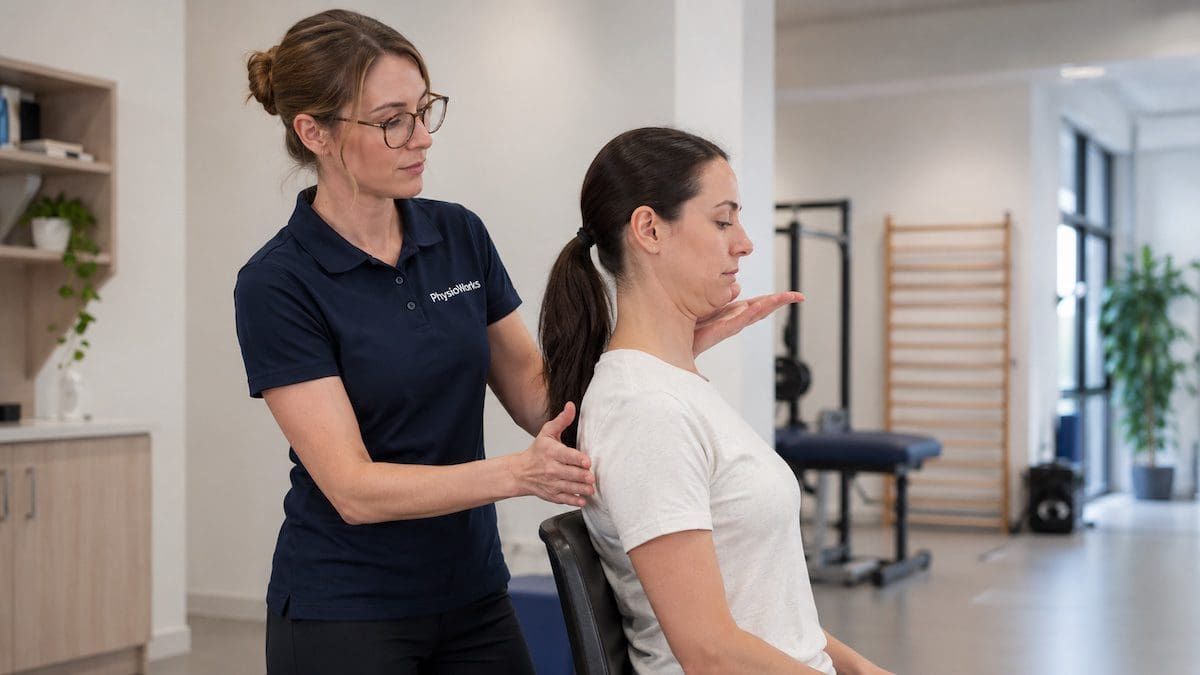
Neck physiotherapy assessment with physiotherapist supporting the back of the neck in clinic
Neck Physiotherapy Assessment Focusing On Comfort, Movement, And Individual Care.

Neck Physiotherapy: Short Answer

You may benefit from physiotherapy when neck pain affects daily activities, movement, sleep, or confidence to exercise. A physiotherapist can check joints, muscles, nerves, posture, and load tolerance, then guide treatment based on your presentation. For a full overview of causes, assessment, and treatment options, visit our main Neck Pain page.

How Neck Physiotherapy May Help Neck Pain

Physiotherapy aims to settle symptoms, restore comfortable movement, and build resilience for work, sport, and life. Your physiotherapist may use a mix of education, exercise, and hands-on techniques to help you move better and load the neck and upper back with less irritation.

What Happens at Your First Appointment?

Your physiotherapist will ask about your symptoms, irritability, health history, work set-up, training, sleep, and what makes it better or worse. Then, they will assess movement, strength, joint mobility, and relevant nerve signs. After that, you should leave with clear priorities and a plan for the next 1–3 weeks.

Common Approaches Used

  • Advice and education: practical guidance on pacing, posture, and flare-up management.
  • Exercise therapy: mobility, endurance, and strength work for neck, shoulder girdle, and upper back.
  • Hands-on care: soft tissue techniques and joint mobilisation where appropriate.
  • Ergonomics and habits: desk set-up, breaks, pillow habits, and device positioning.

Can a Physio Help a Stiff Neck?

Often, yes. Many stiff necks relate to muscle guarding, joint irritation, or overload from posture, sleep position, or a sudden increase in activity. Physiotherapy commonly focuses on restoring motion, settling protective muscle tension, and building capacity so stiffness is less likely to return. If you have severe symptoms, significant trauma, or worrying neurological signs, your physiotherapist may recommend medical review as well.

Is Physiotherapy Painful?

Treatment should stay within a tolerable range. Some techniques and exercises can feel “worky” or mildly uncomfortable, especially early on. However, your physiotherapist should adjust dosage and technique to avoid symptom spikes and keep progress steady.

How Many Sessions Are Usually Needed?

That depends on the cause, how long symptoms have been present, and how quickly your neck settles with loading and movement changes. Some people improve in a few sessions. Others need a longer plan, particularly if pain is persistent, you have headaches, or symptoms affect nerves into the arm.

What to Do Next

If your neck pain is limiting your work, sleep, driving, sport, or confidence, book an assessment so you can get a clear diagnosis and a tailored plan. If you want the full condition overview first, start here: Neck Pain.

Seek urgent medical care if you have severe or worsening symptoms after trauma, unexplained fever, severe headache unlike your usual, unexplained weight loss, or progressing arm weakness/numbness.

Related Information

Book your appointment - 24/7

Select your preferred PhysioWorks clinic.

References

For research summaries, treatment guidance, and rehabilitation pathways, please visit our main condition page:

Neck Pain: Causes, Symptoms, Treatment & Rehabilitation
.

  1. Sterling M, Zoëte RMJ, Coppieters I, Farrell SF.
    Best evidence rehabilitation for chronic pain part 4: Neck pain.
    Journal of Clinical Medicine. 2019;8(8):1219.
    Available from: https://www.ncbi.nlm.nih.gov/pmc/articles/PMC6723111/
  2. Blanpied PR, Gross AR, Elliott JM, et al.
    Neck pain: Clinical practice guidelines revision 2017.
    Journal of Orthopaedic & Sports Physical Therapy. 2017;47(7):A1–A83.
    Available from: https://www.jospt.org/doi/10.2519/jospt.2017.0302
  3. Healthdirect Australia.
    Neck pain.
    Available from: https://www.healthdirect.gov.au/neck-pain
  4. Better Health Channel (Victoria).
    Neck pain.
    Available from: https://www.betterhealth.vic.gov.au/health/conditionsandtreatments/neck-pain

Neck Products

These neck products are commonly used by our physiotherapists to improve strength, posture, movement, plus assist home exercise programs.

View all neck products

Follow PhysioWorks

Get free physiotherapy tips, exercise videos, and recovery advice.

Facebook Instagram YouTube TikTok X (Twitter) Email

Good Neck Posture

Maintaining healthy neck posture is increasingly important in today's screen-centric lifestyle. This comprehensive guide, informed by a seasoned physiotherapist, offers invaluable advice and insights for alleviating neck pain and enhancing posture.

Understanding Good Neck Posture

Key to neck health is maintaining its natural curve. This alignment is crucial for supporting the head and ensuring spinal wellbeing. A well-aligned neck efficiently distributes the head's weight, reducing strain.

Common Causes of Poor Neck Posture

Everyday habits often lead to poor neck posture:

Prolonged Sitting:

Hours in front of a computer can lead to slouching and neck strain.

Read more: Workstation Setup.

Frequent Gadget Use:

Constantly looking down at phones and tablets strains the neck muscles.

Read more: Text Neck

Incorrect Sleeping Positions:

Unsupportive pillows and awkward sleeping positions can disrupt neck alignment.

Read more: What's the Best Pillow for You?

Recognising Symptoms of Bad Posture

Early detection of poor neck posture can avert chronic problems. Common symptoms include:

  • Neck stiffness and discomfort
  • Frequent headaches
  • Numbness or tingling in the arms
good neck posture
Good Neck Posture

Tips for Posture Improvement

Implementing these strategies can significantly enhance neck posture:

  1. Workspace Adjustment: Position your screen at eye level to encourage a neutral head position.
  2. Mindful Gadget Use: Keep your phone at eye level to reduce neck bending.
  3. Regular Neck Exercises: Strengthening your neck muscles supports better posture.
  4. Proper Sleep Support: Choose a pillow that maintains your neck's natural curve and sleep in a supportive position.

Seeking Professional Help

If neck pain persists, consulting a physiotherapist is crucial. They can provide personalised exercises and treatments tailored to your specific condition.

Conclusion

Good neck posture is essential for overall health. Simple lifestyle changes, along with professional guidance, can lead to significant improvements in neck health and overall wellbeing. Remember, taking care of your neck is an investment in your long-term health.

Book your appointment - 24/7

Select your preferred PhysioWorks clinic.

Neck Stretches

Enhance Your Neck Health With Stretching Techniques

Unlocking the Secrets of Neck Stretches

Neck stretches, often overlooked, play a pivotal role in our daily health routine, offering a wealth of benefits that extend far beyond mere flexibility. This guide discusses the essence of neck stretching and its profound impact on our neck health.

Why Prioritise Neck Health?

The neck, a critical conduit of nerves, muscles, and blood vessels, bears the considerable weight of our head every day. It's essential, then, to maintain its health to fend off stiffness, pain, and headaches. But how? The answer lies in the art and science of neck stretching.

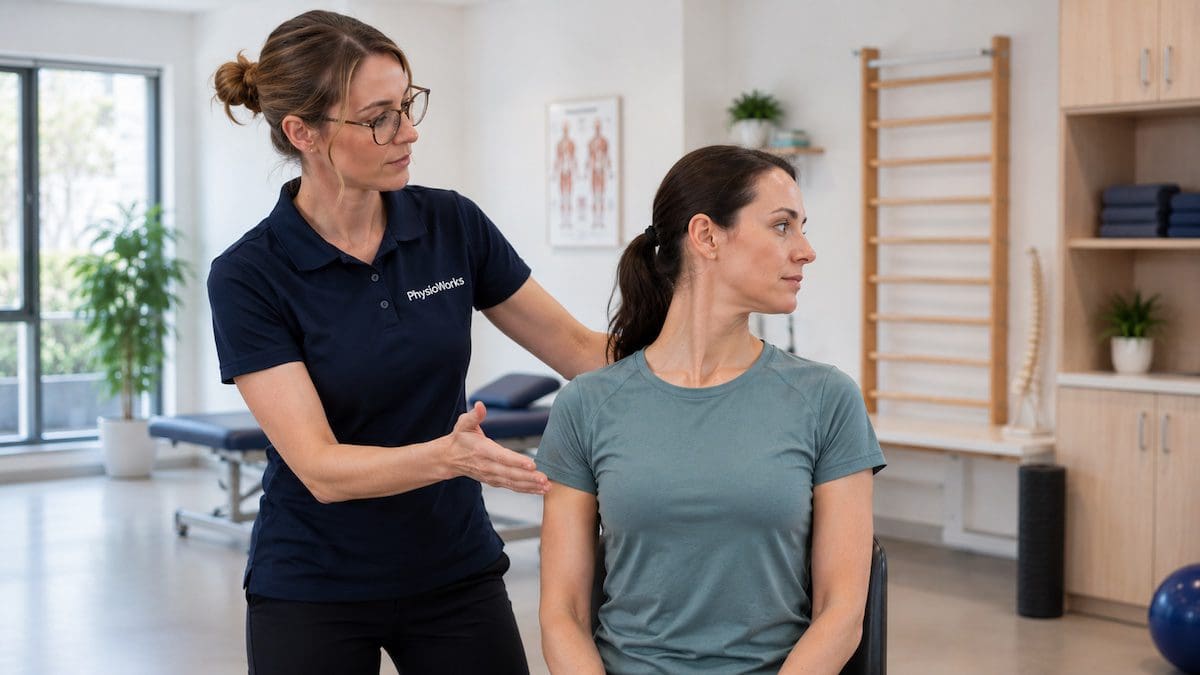
Patient benefits from neck pain treatment with physiotherapist showing neck stretches at home
Overcoming Neck Pain With Gentle Neck Stretches

The Marvels of Neck Stretches

Neck stretches work wonders for your well-being. They enhance flexibility, boost blood circulation, and reduce muscle tension, paving the way for a healthier, pain-free neck. The magic of these stretches lies in their simplicity and the vast benefits they unlock.

Your Guide to Neck Stretching Techniques

Embarking on your neck stretching journey, you'll discover various techniques tailored to different needs. From gentle side tilts that soothe tight muscles to the chin-to-chest stretch that elongates your neck, these exercises are your allies in maintaining neck health. Remember, the key to effective stretching lies in consistency and correct technique.

Optimal Timing for Neck Stretches

The best part? You can stretch your neck anytime, anywhere. Particularly beneficial after long periods of sitting or computer work, regular stretching—holding each stretch for 15-30 seconds and repeating 2-3 times—can significantly enhance your neck's flexibility and strength.

Preventing Neck Pain with Stretches

Incorporating neck stretches into your daily routine can act as a preventative measure against neck pain. By easing tension and fostering health, these stretches are your first line of defence against discomfort. However, if pain persists, seeking advice from a physiotherapist is crucial for tailored care.

Warming Up: The Prelude to Stretching

Before dashing into your stretching routine, warming up is a must. A brief walk or some light shoulder rolls can prepare your muscles for stretching, making the experience both safer and more effective. The gentle warmth from a shower or heat pack can also ease you into the stretches, reducing the risk of discomfort.

Navigating Through Precautions

When stretching, always prioritise gentleness and control. Abrupt movements or pushing too hard can lead to injuries. If a stretch causes pain, stop immediately and consult your physiotherapist, especially if your symptoms worsen.

Can Stretches Replace Medical Treatment?

While neck stretches offer numerous benefits, they are not a panacea for all neck issues. For serious conditions, always consult a healthcare professional to receive an accurate diagnosis and appropriate treatment.

Conclusion: Embrace the Stretch

Incorporating neck stretches into your daily routine is a small but powerful step toward a healthier lifestyle. These simple exercises can alleviate tension, enhance flexibility, and prevent discomfort, leading to a happier, healthier neck. So, take a moment to stretch, and your body—and neck—will thank you.

By integrating these stretches into your life, you not only improve your neck health but also take a proactive step towards overall well-being. Remember, your neck plays a crucial role in your daily activities, and caring for it through regular stretches is not just beneficial but essential.

Start today, and feel the difference that dedicated neck care can make. Your journey to a pain-free, flexible neck begins with the simple, yet impactful act of stretching. Let's make neck health a priority, one stretch at a time.

When to Consult a Professional?

If you have existing neck issues or if the stretches lead to discomfort, booking a consultation with a physiotherapist can provide you with personalised advice and adjustments to your routine.

Book your appointment - 24/7

Select your preferred PhysioWorks clinic.

Related Articles

  1. Neck Pain Relief: Physio Advice and Care Tips - Offers comprehensive strategies for managing neck pain, including the importance of selecting the right pillow and exploring cold, heat, and medication therapies​​.
  2. Neck Strengthening: Specific Exercises to Do & Why - Explains the benefits of neck strengthening exercises, alongside vertigo-related issues and occupational causes for neck pain​​.
  3. Neck Pain or Stiffness? - Provides a deeper understanding of neck pain causes, treatment options, and posture improvement products​​.
  4. Posture Correction - Details strategies for overcoming bad posture, effective posture exercises, and the benefits of seeking professional guidance​​.
  5. Soft Tissue Injury Healing: Your Guide - Discusses common muscle injuries, including those affecting the neck and back, and offers solutions for lower limb, upper limb, and systemic causes of muscle pain​​.
  6. Wry Neck: Causes, Symptoms, and Treatment Strategies - Covers the causes and treatments for Wry Neck, alongside insights into text neck, disc bulge, and neck posture advice​​.

Neck Surgery FAQs - When Should You Consider Neck Surgery?

Neck pain can be debilitating, and understandably, many people find the prospect of surgery intimidating. However, surgeons consider neck surgery a viable option for addressing persistent problems. In this article, we will explore some frequently asked questions about neck surgery, shedding light on when you should consider it as a potential solution.

What Conditions Might Necessitate Neck Surgery?

Neck surgery becomes necessary when conservative treatments, such as physiotherapy and medications, fail to alleviate pain and other neurological or instability symptoms. Surgeons may recommend surgery for neck fractures or common conditions like herniated discs, spinal stenosis, and cervical radiculopathy.

How Do You Make the Decision?

You, your spinal surgeon and other healthcare providers will make the decision for neck surgery collaboratively. It involves a thorough assessment of your medical history, the severity of your symptoms, and diagnostic tests like MRI or CT scans. Plus, an comprehensive discussion regarding the pros and cons.

Are There Non-Surgical Alternatives?

Yes, before opting for surgery, you typically explore non-surgical alternatives. These may include pain management techniques, physiotherapy, lifestyle modifications, and medications. Surgery is generally only considered when these methods do not provide adequate relief.

What Are the Different Types of Neck Surgeries?

Surgeons perform several surgical procedures for neck issues. Common ones include cervical discectomy and fusion (ACDF), cervical disc replacement, and laminectomy. The choice of surgery depends on your specific condition and your needs.

How Long Does the Recovery Period Last?

The recovery period after neck surgery varies depending on the procedure performed and your overall health. In general, you can expect to wear a neck brace for a certain duration and undergo physiotherapy to regain strength and mobility. The reality is that your successful rehabilitation will take many months.

What Are the Risks Involved?

Like any surgical procedure, neck surgery carries certain risks. These risks can include infection, bleeding, nerve damage, paralysis or a less-than-ideal outcome. Your surgeon will thoroughly discuss the potential risks and benefits with you.

Can Neck Surgery Guarantee Pain Relief?

While neck surgery aims to alleviate pain and improve function, it cannot guarantee complete pain relief for every patient. The degree of improvement varies from person to person. The goal is to enhance your quality of life and reduce discomfort.

Is Neck Surgery the Last Resort?

Neck surgery is not necessarily a last resort, but it is often considered after other treatments have been exhausted. However, in some urgent cases, like severe spinal cord compression, surgeons may recommend surgery as the immediate course of action.

Conclusion

In conclusion, surgeons consider neck surgery a viable option for addressing significant and persistent neck conditions, but it's not the first step in the treatment process. Your healthcare providers will guide you through the decision-making process to ensure the best possible outcome for your neck health.

More info: Neck Pain

Book your appointment - 24/7

Select your preferred PhysioWorks clinic.

Neck Pain Products & FAQs

Nutrition and Hydration: Essential for Achieving Fitness Goals

New Year’s resolutions often start with a burst of motivation, only to fade away. We've all witnessed this, especially in health and fitness regimes. Many people start January full of energy, but by the month's end, motivation dwindles. Common complaints include "My plan isn't yielding results," or "I'm not progressing as I'd hoped." Such frustrations typically stem from unrealistic time expectations, challenging fitness regimes, or juggling other commitments. The real question to ponder is, "How can I make my New Year’s plan more effective and efficient?”

The answer lies in two key areas: nutrition and hydration. Their impact on your exercise routine cannot be overstated. This guide, tailored from a physiotherapist's perspective, will show you how to fuel your body optimally to make the most of your effort and achieve your fitness resolutions.

Nutrition and Hydration Advice Optimises Your Performance
Nutrition And Hydration Advice Optimises Your Performance

Key Guidelines for Optimal Health

The Australian Dietary Guidelines offer foundational principles for maintaining health and minimizing chronic health issues. It's not just about maintaining a healthy weight; it's about fuelling your body for its functions and tailoring this to your activity levels and goals.

The Core Food Groups

Grains: Whole grains such as brown rice, quinoa and oats can give us large amounts of energy, particularly for sustained activities. They are also excellent sources of fibre, vitamins and minerals needed for supporting your current health.

Vegetables: Consuming a range of colorful vegetables ensures that your body gets essential nutrients needed for not only staying in good health, but also growth and change. This applies to weight management, muscle mass and overall energy reserves.

Fruit: Like vegetables, eating a variety of fruits as part of your daily diet means that your body will receive essential vitamins, minerals and antioxidants. Working on many levels makes fruit an excellent choice as a pre and/or post-workout snack.

Lean Meats and Protein Sources: Lean sources of protein such as poultry, fish, legumes and tofu are critical for supporting muscle repair and growth. Exercise – particularly resistance training – can lead to “micro-tears” or small changes in the structure of the muscle; this is a normal part of the body adapting to become stronger. If we do not consume sufficient meats and poultry then this process will not be as effective, and the benefits of your workout will be compromised.

Dairy and Alternatives: Adequate intake of these foods means we get sufficient calcium and other essential minerals that are integral to building and maintaining bone health. This ensures that our bodies can effectively tolerate weight bearing activities such as walking, running and jumping with a reduced risk of injury, and that our skeleton stays strong moving towards older age.

Meal Planning and Timing

Plan regular, balanced meals and snacks to maintain consistent energy levels. Eat a balanced meal 2-3 hours before exercise for optimal performance and recovery. Post-exercise, a balanced meal or snack within 30 minutes aids recovery.

Through the day – Planning regular, balanced meals and snacks provides a consistent energy source.

Pre-Exercise – Consume a balanced meal 2-3 hours before exercise to ensure your body has the resources it needs to undertake and recover from the activity.

Post-Exercise – Consume a balanced meal or snack within 30 minutes of finishing your workout to aid with recovery.

Hydration

Aim for at least 8 glasses of water daily, more if you're highly active or in a hot climate. Include potassium and sodium-rich foods or drinks for electrolyte balance, especially in warm conditions.

Operating in hot conditions – In warmer climates or during intense workouts it is particularly important to incorporate foods rich in potassium and sodium, such as bananas and sports drinks. This ensures that the electrolytes – substances in the body that influence how well it performs its usual functions – are balanced appropriately.

Conclusion

Optimising your nutrition and hydration maximises exercise benefits, accelerating progress towards your goals. Consistency is key to maintaining your fitness journey. For personalized advice, consult your physiotherapist.

What to Do?

For specific guidance and to address individual needs, consider seeking advice from a professional nutritionist, sports dietitian or a sports doctor. They can provide tailored recommendations based on your unique fitness journey.

Book your appointment - 24/7

Select your preferred PhysioWorks clinic.

Related Articles

  1. Soft Tissue Injury Healing: Offers a guide on managing and preventing muscle injuries, emphasising the role of nutrition and hydration in recovery​​.
  2. Eccentric Strengthening: Discusses the importance of a personalised warm-up routine, including how nutrition and hydration play a part in preparing for and recovering from physical activity​​.
  3. Sports Health: Essential Guide For Athletes' Safety: Provides essential safety tips for athletes, including the significance of proper nutrition and hydration​​.
  4. Cross-Training Benefits: Max Fitness And Prevent Injuries: Highlights the benefits of cross-training for maximising fitness and reducing injury risks, underscoring the role of balanced nutrition and hydration.
 

Personalised Physiotherapy Treatment

Article by John Miller & Erin Runge
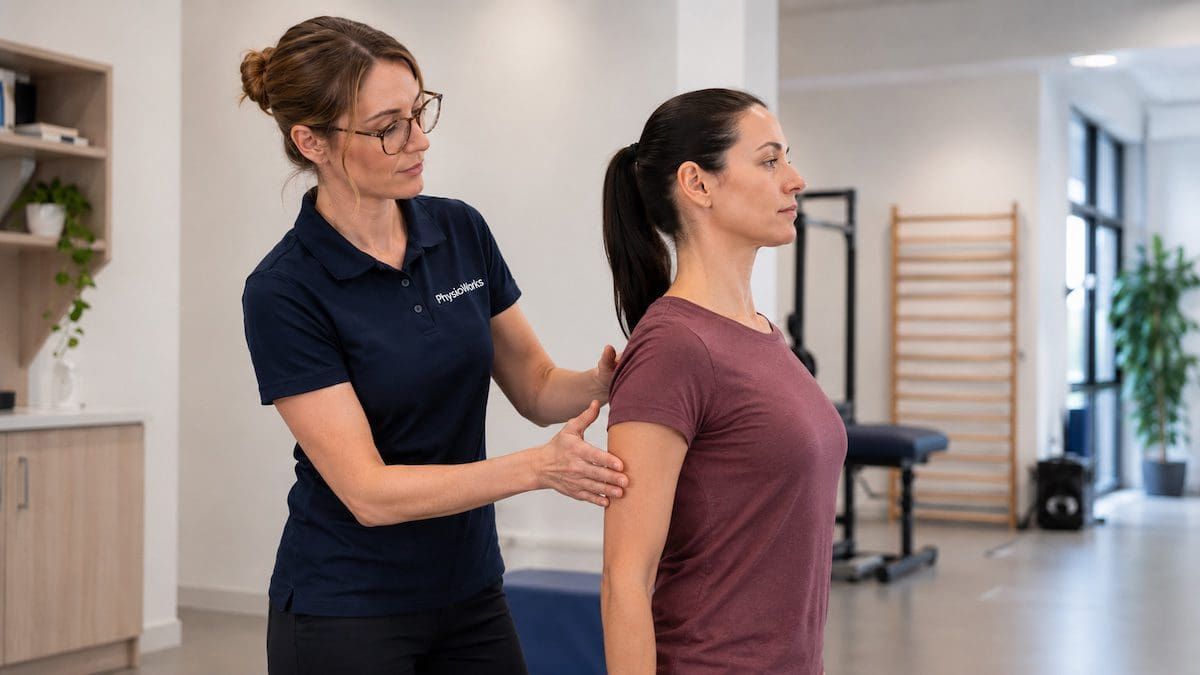
Personalised physiotherapy treatment shoulder movement assessment by physiotherapist during clinic evaluation

Personalised physiotherapy treatment means your care is tailored to your injury, symptoms, goals, lifestyle, and recovery stage. At PhysioWorks, your physiotherapist will assess how you move, what is aggravating your condition, and which treatment options may help. This approach can work well alongside advice on pain management, manual physiotherapy techniques, and guided exercise programs.

Rather than using the same plan for everyone, we match treatment to your presentation. That may include hands-on care, mobility work, strengthening, activity modification, education, and a practical plan to help you return to work, sport, or daily life with more confidence.

What Is Personalised Physiotherapy Treatment?

Personalised physiotherapy treatment is a customised plan built around your symptoms, diagnosis, movement findings, and goals. It may include assessment, education, manual therapy, exercise, and recovery advice. The aim is to give you treatment that suits your condition and stage of recovery rather than a one-size-fits-all approach.

What personalised care often includes

  • a detailed assessment of your symptoms and movement
  • clear advice about what may be contributing to your pain
  • a treatment plan matched to your goals and daily demands
  • guided exercises and self-management strategies
  • review and progression as your condition changes

What Happens at Your First Physiotherapy Appointment?

Your first appointment usually lasts 45 to 60 minutes. During this session, your physiotherapist will discuss your symptoms, medical history, activity levels, work demands, and goals. They will then assess how you move, identify aggravating factors, and explain what may be driving your problem.

This helps shape a treatment plan that fits you. For some people, the priority is pain relief. For others, it may be restoring strength, improving movement, or getting back to sport, work, or exercise safely.

Why Is Assessment Important in Personalised Physiotherapy Treatment?

A detailed assessment helps your physiotherapist decide which treatments are most suitable for your condition. It also helps rule in or rule out common contributors such as joint stiffness, muscle weakness, poor movement patterns, overload, or delayed recovery.

Good assessment matters because two people with similar pain may need different management. One person may need load reduction and advice, while another may need a progressive strengthening or mobility program. This is why personalised physiotherapy treatment can be more useful than generic advice alone.

What Can a Personalised Physiotherapy Treatment Plan Include?

Your plan may include a combination of hands-on treatment, movement retraining, exercise progression, and practical advice. The exact mix depends on your symptoms, goals, and how irritable the condition is.

Common treatment options

  • hands-on therapy to improve joint or soft tissue mobility
  • exercise programs to improve strength, control, and tolerance
  • advice on pacing, posture, training load, or work setup
  • guidance on pain relief strategies and activity modification
  • review sessions to progress your treatment as you improve

How Does Personalised Physiotherapy Treatment Help Recovery?

Personalised physiotherapy treatment may help by matching the treatment plan to the reason for your symptoms and the demands of your daily life. This often improves clarity, confidence, and treatment progression. Many people do better when they understand what is happening, what to avoid for now, and what actions are most likely to help them recover.

Physiotherapy management often changes over time. Early care may focus on pain reduction and symptom control, while later stages often focus on restoring mobility, strength, function, and confidence. That progression is a key part of personalised care.

Do You Need a Referral for Physiotherapy?

In many cases, you do not need a doctor’s referral to see a physiotherapist. However, some funding pathways, insurance claims, or compensable cases may require one. If you are unsure, our team can explain what usually applies and help direct you to the most suitable next step.

Can Private Health Insurance Help Cover Physiotherapy?

Your level of cover depends on your insurer and extras policy. Many people use private health insurance for physiotherapy, but rebates and annual limits vary. If you are unsure how cover applies to your appointment, we can explain the usual process and help you prepare for your visit.

For general information about physiotherapy in Australia, Healthdirect provides a helpful overview of physiotherapy.

When Should You Consider Personalised Physiotherapy Treatment?

You may want to consider personalised physiotherapy treatment if your pain is not settling, your symptoms keep returning, or generic exercises have not addressed the issue. It can also be helpful when you want a clearer diagnosis, a more structured recovery plan, or guidance that fits your work, sport, or lifestyle.

What to Do Next

If you want treatment that is matched to your symptoms, goals, and recovery stage, a physiotherapy assessment is a sensible next step. Your physiotherapist can assess the problem, explain what may be contributing, and guide you through a plan that suits you.

Many people find it easier to move forward when they have a clear diagnosis, practical advice, and a step-by-step rehabilitation plan. If that sounds like what you need, book an appointment with PhysioWorks.

Frequently Asked Questions

Is personalised physiotherapy treatment better than a standard program?

It can be more helpful because it matches treatment to your diagnosis, movement findings, symptoms, and goals. A standard program may not suit everyone, especially when pain drivers, activity demands, or recovery stages differ from person to person.

How many sessions of personalised physiotherapy treatment will I need?

That depends on your condition, how long it has been present, how irritable it is, and your goals. Some people improve quickly with advice and exercise, while others need a longer rehabilitation plan with regular review and progression.

Can personalised physiotherapy treatment include exercise and hands-on therapy?

Yes. Many treatment plans include both. Your physiotherapist may use hands-on treatment to improve comfort or movement, then add exercises and self-management strategies to build strength, control, and long-term function.

Is personalised physiotherapy treatment suitable for long-term problems?

Yes. It can be particularly useful for longer-term pain or recurring injuries because the plan can be adjusted to your symptoms, daily demands, flare-up patterns, and functional goals.

Book your appointment - 24/7

Select your preferred PhysioWorks clinic.

Follow PhysioWorks

Get free physiotherapy tips, exercise videos, and recovery advice.

Facebook Instagram YouTube TikTok X (Twitter) Email
You've just added this product to the cart: