Can You Walk on a Torn Knee Ligament?


Can You Walk on a Torn Knee Ligament?


physiotherapist assessing walking safety with torn knee ligament injury

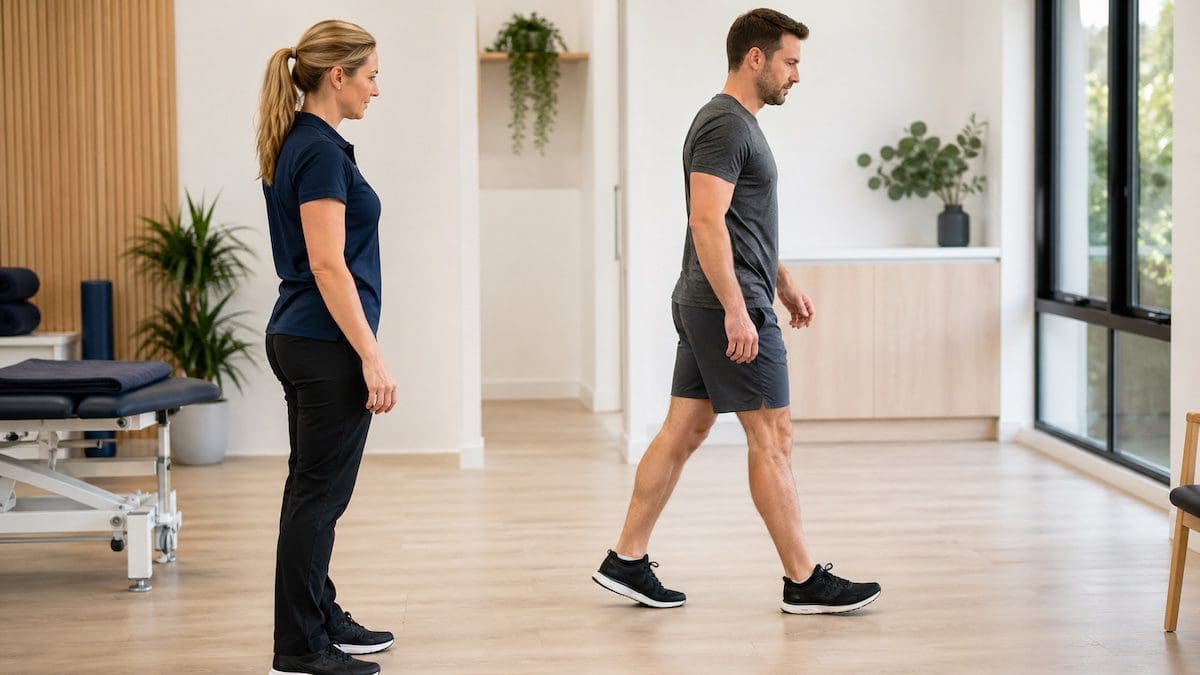
A physiotherapist checks whether walking is safe after a knee ligament injury.


You can sometimes walk on a torn knee ligament, but walking does not prove the injury is minor. Many people can still take steps after a knee ligament injury, even when the joint feels unstable or swollen.

Mild sprains may allow short, careful walking on flat ground. However, giving way, locking, sharp pain, fast swelling, or trouble taking weight can suggest a more serious injury that needs assessment before you keep loading the knee.

If walking increases pain or swelling, stop and protect the knee. A physiotherapist can assess knee stability, guide safe loading, and advise whether crutches, a brace, imaging, or medical review may be needed.


Should you walk on a torn knee ligament?

  • Usually safer: mild pain, little swelling, and the knee feels steady.
  • Reduce load: limping, moderate swelling, or the knee feels unreliable.
  • Stop walking: giving way, locking, sharp pain, fast swelling, or trouble taking weight.

Walking ability does not rule out an ACL injury, MCL tear, PCL injury, LCL injury, or meniscus tear. Reduce activity and arrange an assessment when symptoms do not settle.


When Is Walking Safer After a Knee Ligament Injury?

Walking is usually safer when pain stays low, swelling does not increase, and the knee does not buckle. Keep walking short, slow, and on flat ground at first.

Avoid long walks, hills, stairs, running, pivoting, or sport until the knee feels stable and has been assessed. Some people can walk after an ACL injury, yet still have poor pivoting control.

When Should You Stop Walking on a Knee Ligament Injury?

Stop walking if the knee gives way, locks, swells quickly, or causes sharp pain with each step. These signs may suggest a higher-grade ligament tear or another injury inside the knee, such as a meniscus tear.


Stop walking and seek prompt advice if you notice:

  • rapid swelling within the first few hours
  • the knee giving way or buckling
  • locking, catching, or inability to straighten the knee
  • severe pain when taking weight
  • difficulty walking more than a few steps


Can Walking Make a Torn Knee Ligament Worse?

Walking too far, too fast, or without support may worsen pain and swelling. It may also increase the risk of a secondary injury if the knee is unstable.

Early care aims to protect the knee while keeping safe movement where appropriate. This balance helps reduce stiffness without overloading injured tissue.

Symptom Pattern Walking Advice
Mild pain, little swelling, stable knee Short, careful walking may be reasonable.
Moderate swelling or a limp Reduce walking and arrange assessment.
Giving way, locking, or rapid swelling Avoid walking and seek prompt review.
Unable to take weight Seek urgent medical assessment.

Why Knee Ligaments Matter for Walking

Knee ligaments act like strong bands that guide and stabilise the joint. The ACL, PCL, MCL, and LCL each help control different directions of movement.

The MCL supports the inner knee, the LCL supports the outer knee, and the PCL helps control backward shin movement. Muscles, tendons, cartilage, and the joint capsule also support knee stability. This combined support explains why some people can still walk after a ligament tear.


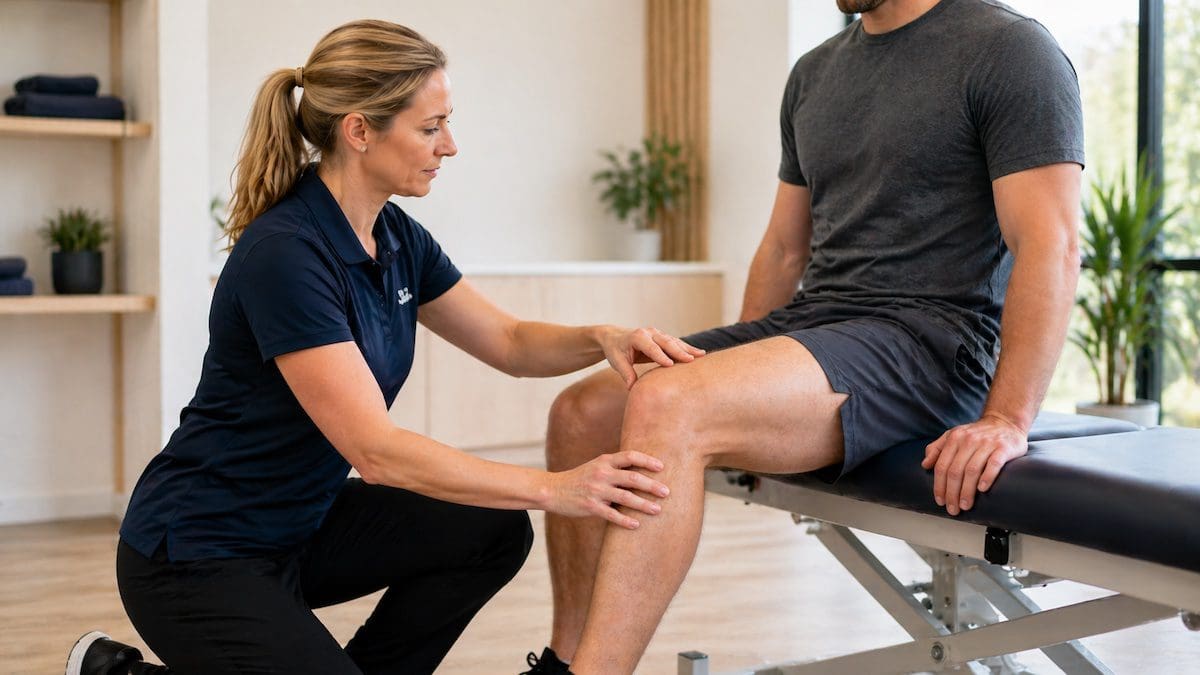
physiotherapist assessing knee ligament stability during movement test

Controlled testing helps identify knee stability and safe movement.


How Can Physiotherapy Help a Torn Knee Ligament?

Physiotherapy can help by assessing knee stability, reducing swelling, restoring movement, and rebuilding strength. Your plan may include walking advice, bracing guidance, balance retraining, and staged exercises.

Rehabilitation often starts with symptom control and safe movement. Later stages focus on strength, landing control, direction change, and return-to-sport loading where needed. This is especially important for people returning to field sport, gym training, running, or work that involves squatting, lifting, kneeling, or stairs.

Should You Use Crutches or a Knee Brace?

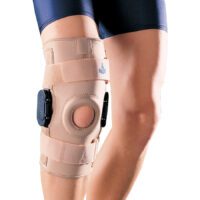
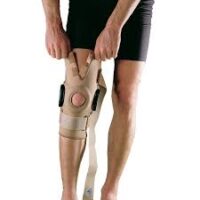
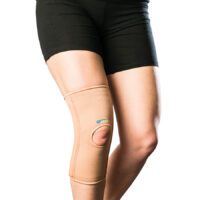
Crutches or a brace may help if walking increases pain, swelling, or instability. Your physiotherapist or doctor can advise whether support is useful and how long to use it.

Some ligament injuries need short-term protection, while others need closer medical review. You can view knee support options in the knee braces and supports section.

What Else Can Feel Like a Torn Knee Ligament?

Not every painful knee after a twist is a ligament tear. A meniscus tear, kneecap injury, bone bruise, fracture, or flare of patellofemoral pain can also make walking painful or unreliable.

Assessment helps match your symptoms, swelling pattern, mechanism of injury, and movement tests to the likely injury. It also helps decide whether you can keep walking, need temporary support, or need medical imaging.


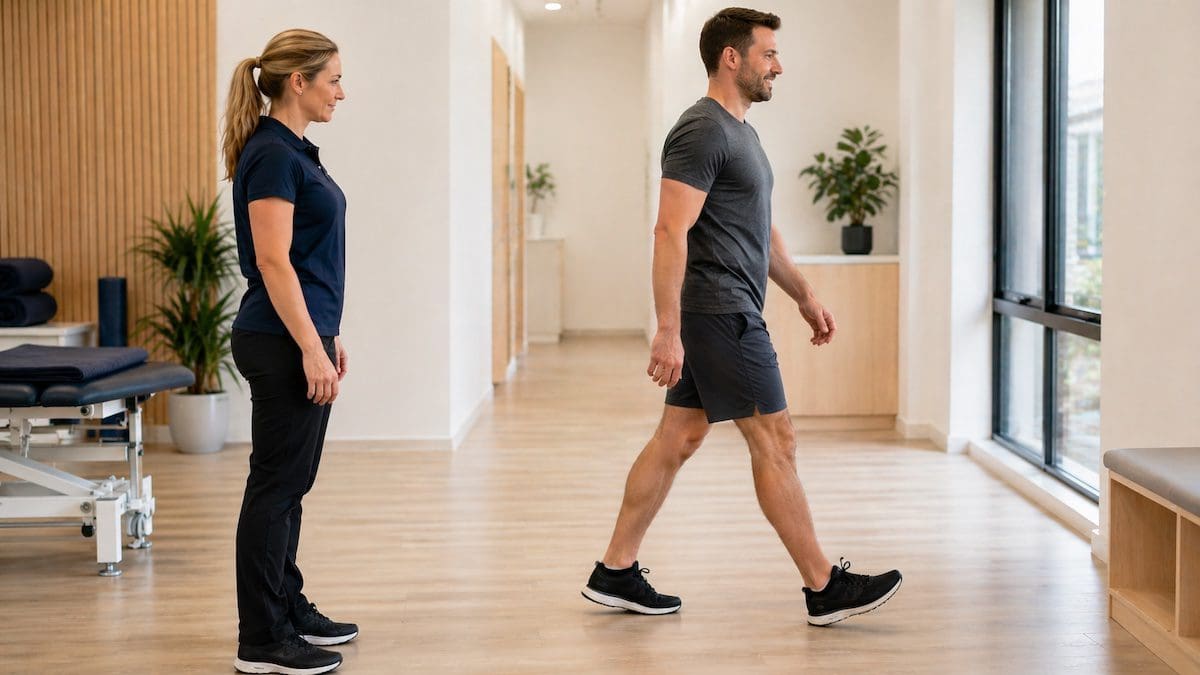
walking normally after knee ligament injury rehabilitation

Rehab aims to restore confident walking and knee control.


Related PhysioWorks Guides

Frequently Asked Questions

Can you still walk with a torn ligament in your knee?

Some people can walk short distances with a torn knee ligament, especially with a mild sprain. However, walking is not a reliable test of severity. If your knee gives way, locks, swells quickly, or pain increases, stop walking and arrange an assessment.

How do you know if a knee ligament injury is serious?

A knee ligament injury may be more serious if you heard a pop, developed rapid swelling, cannot take weight, or feel the knee buckle. Locking or catching may suggest another injury inside the knee, such as a meniscus tear.

Should you rest or keep moving after a torn knee ligament?

Early movement can help some knee ligament injuries, but it must stay controlled and symptom-guided. Rest from aggravating activity, protect the knee, and seek guidance before returning to sport, running, pivoting, or heavy gym work.

Can a torn knee ligament heal without surgery?

Some partial ligament tears can settle without surgery. Some complete ligament injuries may also be managed without surgery if the knee remains stable and the person follows a structured rehabilitation plan. A physiotherapist or knee surgeon can help guide this decision.

When should you see a physiotherapist for a torn knee ligament?

Book a physiotherapist if you suspect a knee ligament injury, especially if swelling, instability, pain, or limping persists. Early assessment can guide safe walking, bracing, exercises, and whether imaging or medical review is needed.

What Should You Do Next?

If you suspect a torn knee ligament, avoid testing the knee repeatedly or pushing through pain. Book a physiotherapy assessment if you have swelling, instability, a limp, or trouble returning to normal walking.

Your physiotherapist can help decide whether you need imaging, bracing, a knee surgeon opinion, or a structured rehabilitation plan. Many knee ligament injuries improve with the right guidance, but early assessment helps you avoid guesswork and reduce setbacks.



Choose your clinic and appointment pathway

Select a PhysioWorks clinic to continue to live booking, an appointment request or reception assistance.


Knee Support Products

These knee support products are commonly used by our physiotherapists to help reduce strain, improve stability, and support your recovery at home.

View all knee support products


Follow PhysioWorks

Get physiotherapy tips, exercise videos, recovery advice and blog updates.


References

  1. Svantesson J, Piussi R, Weissglas E, et al. Shedding light on the non-operative treatment of the forgotten side of the knee: rehabilitation of medial collateral ligament injuries-a systematic review. BMJ Open Sport Exerc Med. 2024;10(2):e001750. doi:10.1136/bmjsem-2023-001750
  2. Lucidi GA, Solaro L, Grassi A, et al. Current trends in the medial side of the knee: not only medial collateral ligament (MCL). J Orthop Traumatol. 2024;25(1):69. doi:10.1186/s10195-024-00808-9
  3. Bingol I, Oktem U, Erden T, et al. PCL injury following high energy trauma: associated injuries and postoperative complications insights from a national registry study. J Orthop Surg Res. 2024;19:511. doi:10.1186/s13018-024-04927-1
  4. Arundale AJH, Bizzini M, Dix C, et al. Exercise-based knee and anterior cruciate ligament injury prevention: revision 2023. J Orthop Sports Phys Ther. 2023;53(1):CPG1-CPG34. doi:10.2519/jospt.2023.0301
  5. Jaibaji M, Najim O, Alali H, et al. Single-stage versus multistage reconstruction for multiligament knee injuries: systematic review and meta-analysis. J Clin Med. 2025;14(19):6897. doi:10.3390/jcm14196897


You've just added this product to the cart: