
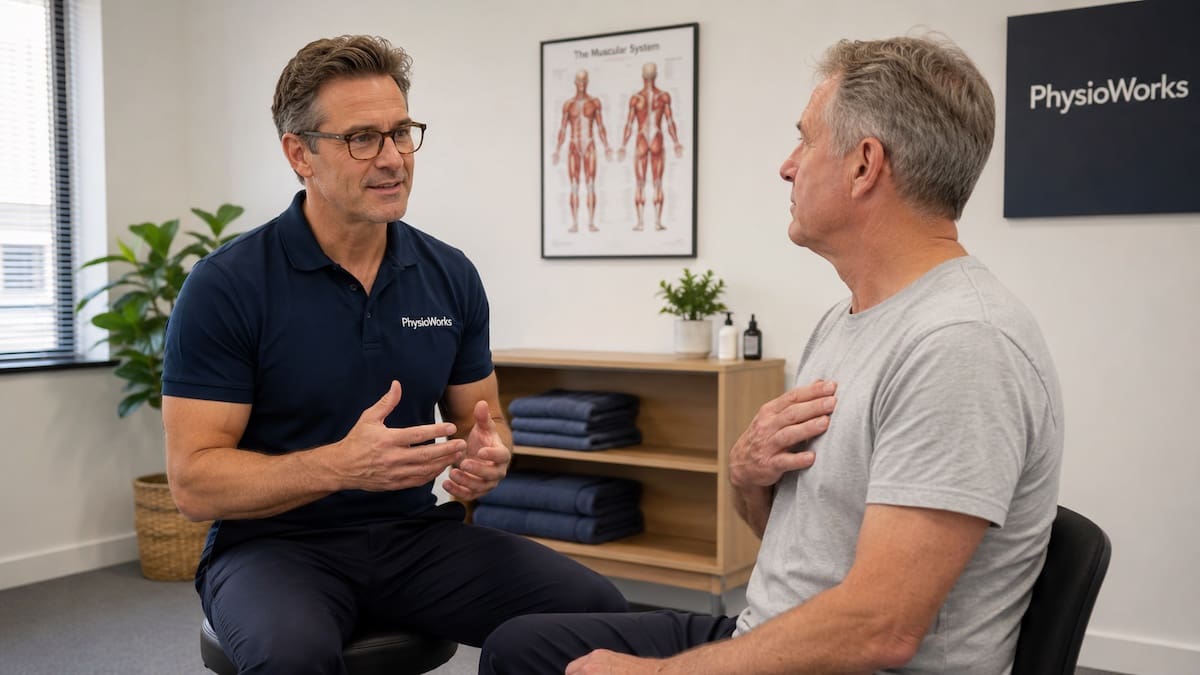
Is Chest Pain Always a Sign of a Heart Attack?


Chest pain can feel scary. It is not always a heart attack. Pain can also come from the chest wall, ribs, upper back, muscles, reflux, stress, or lung problems. Still, treat new, strong, or odd chest pain as heart related until a doctor rules this out.
Call 000 now if chest pain is strong, getting worse, lasts more than 10 minutes, or comes with shortness of breath, sweat, nausea, dizziness, faintness, or pain that spreads to the arm, jaw, neck, back, or shoulder.
If your pain has been checked and the likely cause is chest wall or upper back related, our thoracic pain guide explains common rib, upper back, and posture-related pain patterns.
Call 000 if chest pain may be serious
Call 000 if chest pain is strong, getting worse, lasts more than 10 minutes, or feels heavy, tight, squeezing, or crushing.
Also call 000 if chest pain comes with shortness of breath, sweat, nausea, dizziness, faintness, collapse, or pain spreading to the arm, jaw, neck, back, shoulder, or stomach.
Short answer
No. Chest pain is not always a heart attack. Muscles, ribs, the upper back, posture, and breath control can all cause chest pain. Yet heart pain must be checked first. This matters most when pain is new, strong, or not like your usual pain.
Quick guide
- Call 000 if chest pain is strong, getting worse, lasts more than 10 minutes, or feels heavy, tight, or crushing.
- Seek urgent care if pain spreads to the arm, jaw, neck, back, or shoulder.
- Book a doctor visit if pain is new, odd, or keeps coming back.
- See a physio only after a doctor has ruled out heart, lung, and other key risks.
How can you tell if chest pain may be urgent?
You cannot safely judge chest pain from symptoms alone. Heart attack signs can vary. Some people feel heavy chest pressure. Others feel short of breath, sweaty, sick, dizzy, faint, or just very unwell.
Chest pain can also come from other serious causes. These include a clot in the lung, chest infection, or a problem with a large blood vessel. So the first step is safety.
Symptoms that need 000
Call 000 at once if chest pain:
- lasts more than 10 minutes at rest
- feels heavy, tight, squeezing, or crushing
- spreads to the arm, jaw, neck, shoulder, back, or stomach
- comes with shortness of breath, sweat, nausea, dizziness, faintness, or collapse
- starts with a sudden sense that something is very wrong
Do not drive yourself to hospital if these signs are present. Ask for an ambulance.
How does chest wall pain feel?
Chest wall pain comes from the ribs, muscles, joints, or upper back. It often changes with movement, posture, deep breaths, coughs, sneezes, lifting, or touch over the sore spot.
Common patterns include upper back stiffness, rib joint pain, costochondritis, muscle strain, side strain, or overload from long sitting and desk work. Pain may feel sharp, local, aching, or wrapped around the chest wall.
These signs do not prove the pain is safe. They only make a chest wall cause more likely after serious causes have been checked.
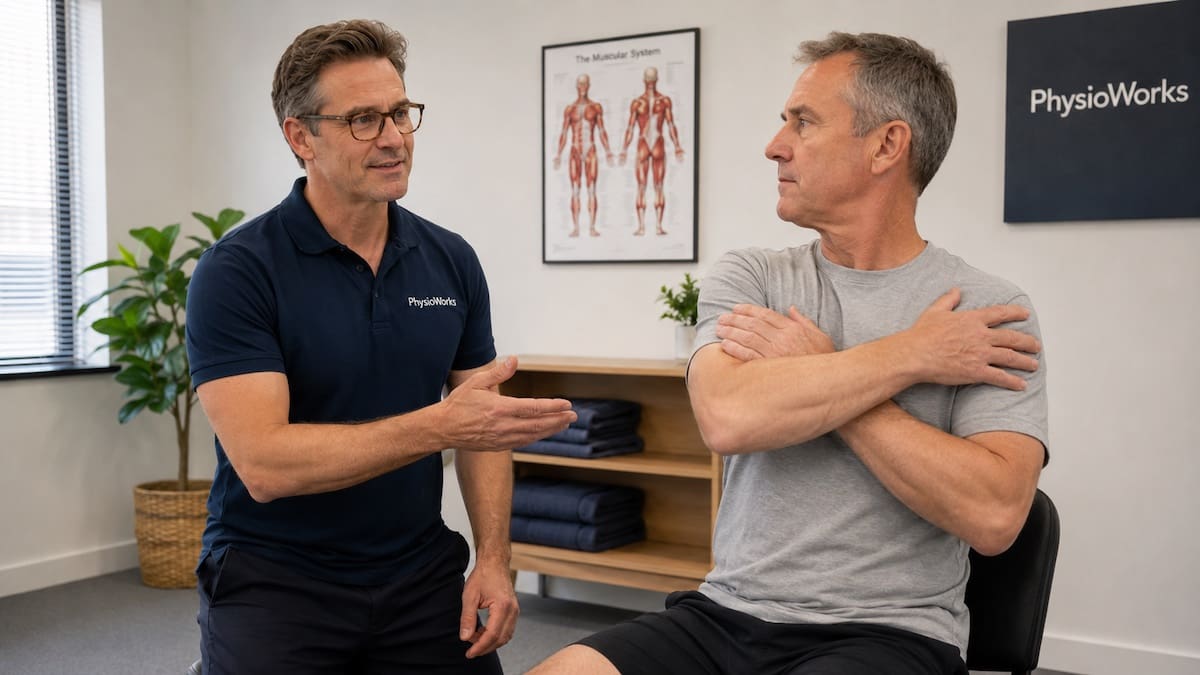
What else can cause chest pain?
Chest pain can come from many body systems. Non-heart causes include reflux, stress, chest infection, asthma, rib stress injury, muscle strain, and upper back stiffness. Some of these still need medical care.
Because symptoms overlap, seek medical review when chest pain is new, worse, repeated, or hard to explain.
Heart pain vs chest wall pain
| Pattern | More urgent pattern | Chest wall pattern |
|---|---|---|
| Pain type | Heavy, tight, squeezing, or crushing | Sharp, local, aching, or tender to touch |
| Spread | Arm, jaw, neck, back, shoulder, or stomach | Rib line, chest wall, or between shoulder blades |
| Other signs | Sweat, nausea, breathlessness, faintness, collapse | Worse with twisting, deep breaths, coughs, posture, or pressure |
| Best first step | Call 000 or seek urgent medical care | Medical review first if new or unclear, then physio if cleared |
When can physio help?
Physio may help after heart, lung, and other urgent causes have been ruled out. A physio can check upper back movement, rib motion, posture, breath control, sore muscles, and daily load.
Care may include gentle hands-on work, breath drills, posture advice, mobility work, and strength work. Your plan should match your symptoms, health history, and goals.
Helpful follow-up guides include thoracic facet joint pain, respiratory physiotherapy, posture exercises, and our broader physiotherapy treatment guide.
Related information
- Thoracic pain and upper back pain
- Costochondritis
- Thoracic facet joint pain
- Rib stress fracture
- Posture exercises
- What is physiotherapy?
What to do next
If your chest pain feels urgent, call 000. If it is new, odd, or keeps coming back, see a doctor first.
If your doctor has ruled out serious causes and your pain seems linked to the ribs, upper back, posture, or movement, a physio check may help guide safe next steps.
Choose your clinic and appointment pathway
Select a PhysioWorks clinic to continue to live booking, an appointment request or reception assistance.
Thoracic and Upper Back Products
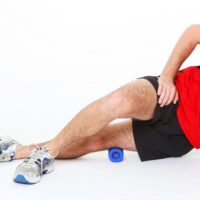
These thoracic and upper back products are commonly used by our physiotherapists to improve strength, posture, movement, plus assist home exercise programs.
-
 Ice & Heat, Pain Management, Uncategorized
PhysiPak Universal Heat pack
$79.00Select optionsQuick View -
-
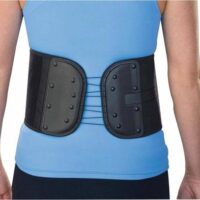
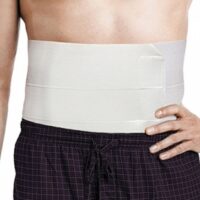
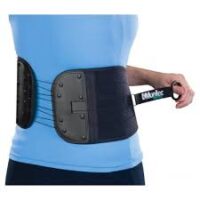 Back, Braces & Supports, Posture
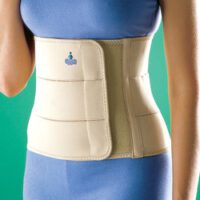
Mueller Green Adjustable Back Abdominal Support
$125.00Add to cartQuick View -
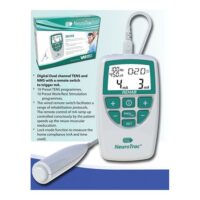
- EMS Machines, Pain Management, TENS Machine, TENS Machine & EMS
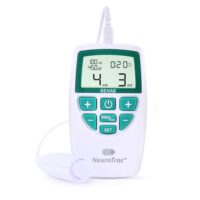
NeuroTrac Rehab (TENS Machine + EMS)
$285.00Add to cartQuick View -
-

-
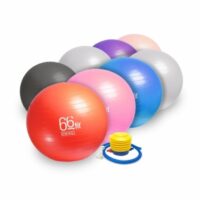
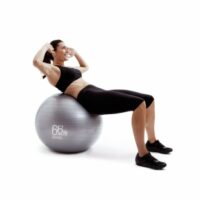 Exercise Balls, Back, Exercise Equipment, Knee, Shoulder
66fit Exercise Balls | Core & Rehab Stability Ball
$32.00 – $57.00Select optionsQuick View -
-
- Liniments & Gels, Massage Liniments, Pain Management
Fisiocrem
$16.95 – $39.95Select optionsQuick View -






References
- National Heart Foundation of Australia; Cardiac Society of Australia and New Zealand. Australian clinical guideline for diagnosing and managing acute coronary syndromes 2025. Published 2025.
- Rahman A. Chest pain. Aust J Gen Pract. 2024;53(7):437-442. doi:10.31128/AJGP-04-23-6810
- Healthdirect Australia. Chest pain. Accessed June 30, 2026.
- Winzenberg T, Jones G, Callisaya M. Musculoskeletal chest wall pain. Aust Fam Physician. 2015;44(8):540-544.
Chest Pain FAQs
Can chest pain come from the upper back?
Yes. Upper back stiffness and rib joint pain can cause pain that wraps around the chest wall. This pain often changes with twisting, reaching, deep breaths, or posture. Still, new or odd chest pain needs medical review first.
Can posture cause chest pain?
Posture can add to chest wall pain, mostly with long sitting, rounded shoulders, or poor movement variety. Posture is rarely the only factor. Strength, breath control, rib motion, work habits, and stress can also play a role.
How do I know if chest pain is muscular?
Muscle pain often changes with movement, breathing, lifting, or pressure over the sore area. Yet signs can overlap with heart and lung problems. Get medical help first when pain is new, strong, worse, or hard to explain.
Should I see a physio for chest pain?
See a doctor or call 000 first if chest pain may be heart related or serious. Physio is more suitable after urgent causes have been ruled out and the likely driver is ribs, muscles, posture, or upper back stiffness.
Can stress cause chest pain?
Yes. Stress and panic can cause chest tightness, fast breathing, a racing heart, and chest pain. Still, do not assume stress is the cause of new or strong chest pain. Seek urgent help if signs are severe, worse, or unusual.
