
Knee Month
Knee Pain & Knee Injury Help

Knee pain can affect walking, stairs, running, sport, work, and everyday movement. Common causes include arthritis, meniscus injury, runner’s knee, ligament sprains, tendon overload, and joint irritation. Most knee pain improves when the cause is identified early and managed with the right plan.
If your knee feels sore, swollen, unstable, stiff, locked, or painful with activity, start with our main knee pain guide. It explains common knee problems and links to more specific injury pages.
Quick Knee Pain Check
- Sharp pain: may involve joint, ligament, tendon, or meniscus irritation.
- Swelling: can suggest inflammation or a recent injury.
- Giving way: may need assessment for ligament or control issues.
- Locking: should be checked, especially after a twist or trauma.
- Pain with stairs or squats: often relates to kneecap loading or strength deficits.
What Are the Most Common Causes of Knee Pain?
The most common causes of knee pain include knee arthritis, meniscus injury, ligament sprains, patellofemoral pain, patellar tendinopathy, bursitis, and overuse from sport or activity. Your symptoms, age, activity level, swelling, and injury history help guide the likely cause.
How Do You Know If a Knee Injury Is Serious?
A knee injury may be more serious if you cannot walk normally, your knee swells quickly, locks, gives way, or you cannot fully bend or straighten it. These signs can occur with ligament injuries, meniscus tears, fractures, or significant joint irritation.
Read more about serious knee injury warning signs if your symptoms changed suddenly or followed a fall, twist, tackle, or awkward landing.
When Should You Seek Help?
Book an assessment if knee pain lasts more than a few days, keeps returning, limits walking, affects sport, or causes swelling, locking, or instability. Early advice may help reduce irritation and guide a safer return to activity.
General Knee Pain FAQs
- How Do I Know If My Knee Injury Is Serious?
- Why Does My Knee Hurt On The Inner Side?
- How Do I Know If I Need An MRI On My Knee?
- At What Age Do Knee Problems Start?
- Why Has My Knee Suddenly Started Hurting?
- How Do I Know What Type Of Knee Injury I Have?
- Is Knee Clicking Dangerous?
- Do I Need A Doctor Or Physio For Knee Pain?
Knee Arthritis FAQs
Meniscus Injury FAQs
ACL & Knee Ligament FAQs
Runner’s Knee & Sports Knee Pain
Running and sport can overload the knee when training load, strength, footwear, recovery, or movement control do not match the demands of activity. Common sport-related knee problems include runner’s knee, patellar tendinopathy, ITB syndrome, ligament sprains, and meniscus injuries.
What Can Help Knee Pain Improve?
Knee pain often improves with load management, strength exercises, mobility work, swelling control, movement retraining, and gradual return to activity. A physiotherapist may also check your walking, stairs, squat pattern, strength, balance, and sport-specific demands.
- Is Walking Good For Knee Pain?
- What Can I Do To Relieve Knee Pain?
- How Much Should I Walk With Knee Pain?
What Should You Do Next?
If your knee pain is mild and improving, gentle movement and sensible activity modification may be enough. However, persistent pain, swelling, locking, giving way, or recurring flare-ups deserve a proper assessment.
A physiotherapist or doctor can help identify the likely cause of your knee pain and guide treatment, exercise progressions, activity changes, or further investigation if needed.
For general public health information, Healthdirect provides a useful overview of knee pain.
Choose your clinic and appointment pathway
Select a PhysioWorks clinic to continue to live booking, an appointment request or reception assistance.
Knee Support Products
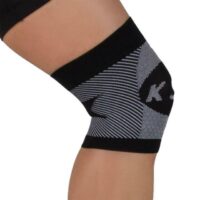
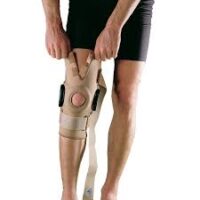
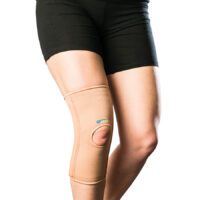
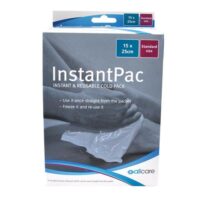
These knee support products are commonly used by our physiotherapists to help reduce strain, improve stability, and support your recovery at home.
-
-
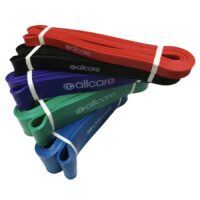
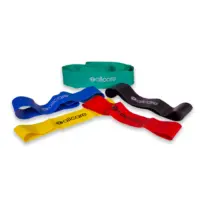
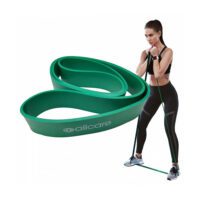 Exercise Equipment, Resistance Band
AllCare Powerloop Bands
$24.95 – $79.95Select optionsQuick View -
-
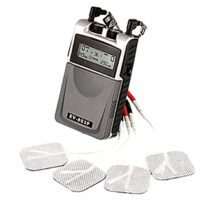
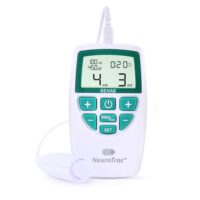
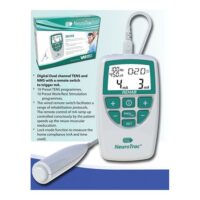
- EMS Machines, Pain Management, TENS Machine, TENS Machine & EMS
NeuroTrac Rehab (TENS Machine + EMS)
$285.00Add to cartQuick View -
-
-


-
-

 Calf, Elbow, Ice & Heat, Knee, Pain Management
Victor Elastic Cold Sleeve
$44.00 – $60.00Select optionsQuick View -
 Exercise Balls, Back, Exercise Equipment, Knee, Shoulder
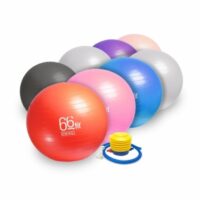
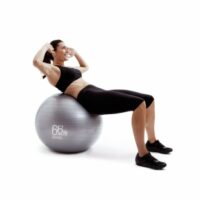
66fit Exercise Balls | Core & Rehab Stability Ball
$32.00 – $57.00Select optionsQuick View -
-
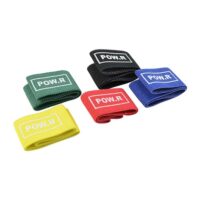 Exercise Equipment, Knee, Resistance Band
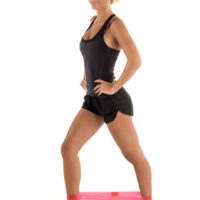
POW.R Fabric Mini Loop Bands
$12.00 – $55.00Select optionsQuick View - Liniments & Gels, Massage Liniments, Pain Management
Fisiocrem
$16.95 – $39.95Select optionsQuick View



References
- Crossley KM, van Middelkoop M, Callaghan MJ, et al. Patellofemoral pain consensus statement from the 4th International Patellofemoral Pain Research Retreat. Br J Sports Med. 2016;50(14):839-843.
- Logerstedt DS, Scalzitti D, Risberg MA, et al. Knee stability and movement coordination impairments: meniscal and articular cartilage lesions revision. J Orthop Sports Phys Ther. 2018;48(2):A1-A50.
- Whittaker JL, Roos EM. A pragmatic approach to prevent post-traumatic osteoarthritis after sport or exercise-related joint injury. Br J Sports Med. 2019;53(20):1265-1266.
