Rugby Union Injuries

Rugby Union Injuries

What Are the Most Common Football Injuries?

Common football injuries usually involve the lower limb, especially the ankle, knee, hamstring and groin. Contact, sprinting, rapid direction changes, jumping, and fatigue can all increase risk. If you play any football code (AFL, rugby, rugby league, touch, or soccer), this guide explains what tends to happen, what’s worth monitoring, and when assessment may help. For the big-picture injury overview across codes, see our Football Injuries hub.

Common football injuries physiotherapy assessment of female player with knee pain on field
A Physiotherapist Assessing A Female Football Player’s Knee Injury During Training. Early Assessment May Help Guide Recovery And Return-To-Play Planning.

Short Answer

Most football injuries affect the lower limb, with muscle strains, ligament sprains, and impact injuries (like corks and bruising) being common. Mild soreness after training can settle with rest and sensible load changes. However, pain that persists, causes limping, or keeps returning often needs a clearer plan. Start with our Football Injuries hub for code-specific pathways and next steps.

Common Football Injuries

Football injuries vary by code and position, but these patterns show up often:

  • Ankle sprains – rolling the ankle during sidestepping, landing, or contact. See Sprained Ankle.
  • Knee injuries – overload pain, meniscus irritation, or ligament stress during pivoting and deceleration. See Knee Pain and ACL Injury.
  • Hamstring strains – sprinting, high-speed running, or fatigue late in games. See Hamstring Strain.
  • Groin/adductor pain – cutting, kicking, and repeated change of direction. See Groin Pain.
  • Calf strains – acceleration and repeated running loads. See Calf Pain.
  • Shoulder injuries – tackles, falls, and collisions (more common in contact codes). See Shoulder Pain.
  • Concussion – head impact or collision. See Concussion: Return to Sport.

What’s Normal vs Concerning?

Often normal: mild muscle soreness after a harder session, stiffness that eases as you warm up, and discomfort that improves within 24–72 hours.

More concerning: a “pop”, immediate swelling, giving-way, sharp pain that stops play, worsening pain each day, night pain, pins and needles, or repeated flare-ups with the same movement.

Why These Injuries Happen

Football loads tissues in several ways at once: repeated sprinting, sudden braking, twisting, contact, and high weekly training volume. Next, fatigue reduces control and timing, so joints and soft tissue take more strain. Previous injury also increases recurrence risk, so returning without enough rehab often leads to the same problem again. :contentReference[oaicite:1]{index=1}

When Assessment May Help

Assessment can clarify the likely structure involved (muscle, tendon, ligament, joint, or nerve) and then match rehab to your sport demands. It can also help with:

  • return-to-running and return-to-play progressions
  • strength and control testing (side-to-side differences)
  • load planning (training and game exposure)
  • prevention strategies after a prior injury

If you want sport-specific care, see Sports Physiotherapy Brisbane.
What This Means for You

If your symptoms are mild, reduce load for a short period, keep gentle movement going, and build back gradually. If pain is sharp, persistent, or keeps returning, a tailored plan often helps you recover with fewer setbacks. Aim for a staged return based on function (walking, jogging, sprinting, cutting, contact) rather than time alone.

Related Information

Book your appointment - 24/7

Select your preferred PhysioWorks clinic.

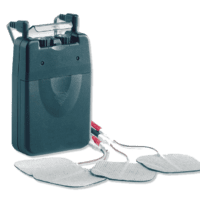
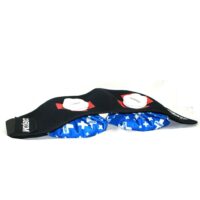
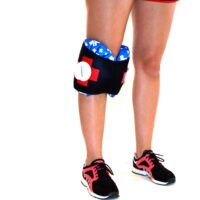
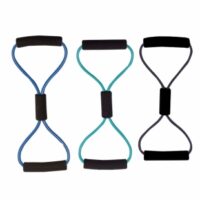
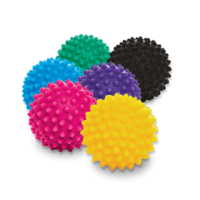
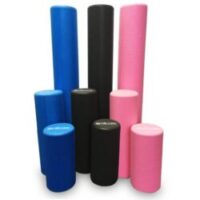
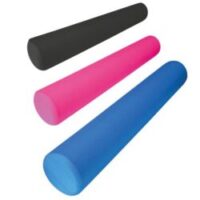
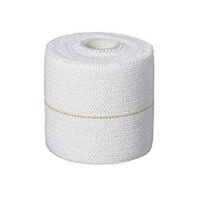
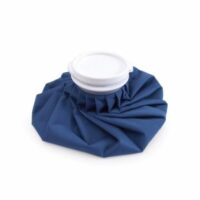
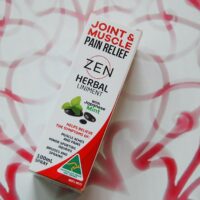
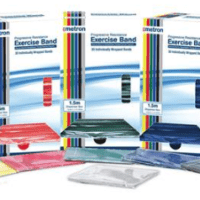
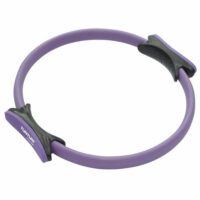
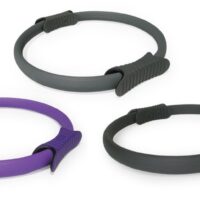
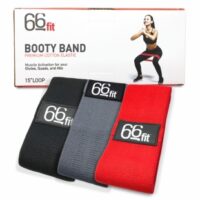
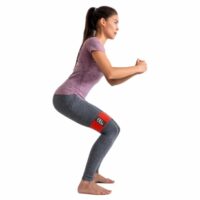
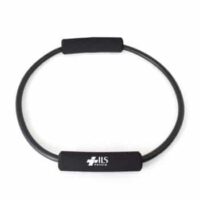
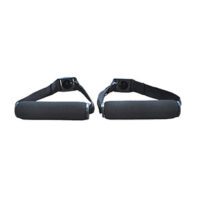
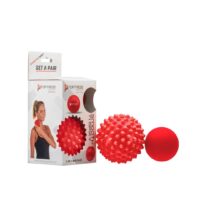
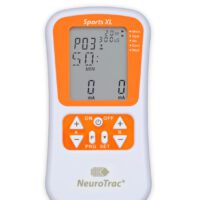
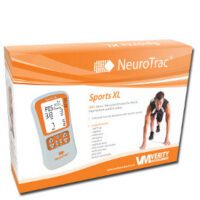
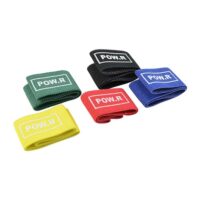
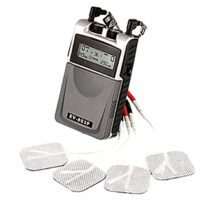
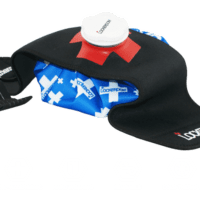
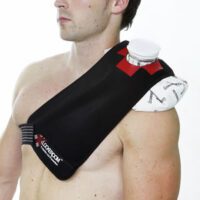
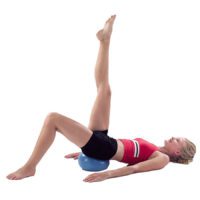
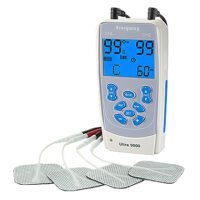
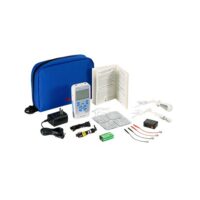
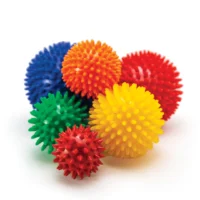
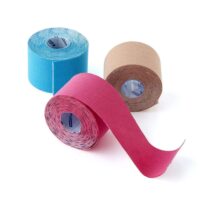
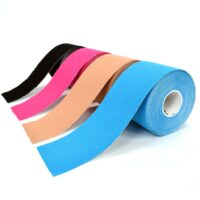
Muscle & Soft Tissue Products

These muscle and soft tissue products are commonly used by our physiotherapists to relax or loosen muscles, improve strength, comfort, flexibility, and home exercise programs.

View all muscle & soft tissue products

References

1. Bolling C, Delfino Barboza S, van Mechelen W, Pasman HRW, Verhagen E. The “sequence of prevention” for musculoskeletal injuries among adult recreational footballers: a systematic review of the scientific literature. Phys Ther Sport. 2018;32:1-8. Available from: https://pubmed.ncbi.nlm.nih.gov/29655857/

2. Green B, Bourne MN, van Dyk N, et al. Incidence and prevalence of hamstring injuries in field-based team sports: a systematic review and meta-analysis. Br J Sports Med. 2023. Available from: https://pubmed.ncbi.nlm.nih.gov/36455927/

3. Smith NA, Franettovich Smith MM, Bourne MN, Barrett RS, Hides JA. A prospective study of risk factors for hamstring injury in Australian football league players. J Sports Sci. 2021;39(12):1395-1401. Available from: https://pubmed.ncbi.nlm.nih.gov/33508205/

For code-specific injury guidance and management pathways, visit our main football hub: Football Injuries

Follow PhysioWorks

Get free physiotherapy tips, exercise videos, and recovery advice.

Facebook Instagram YouTube TikTok X (Twitter) Email

Which Olympics Sport Has the Highest Injury Rate?

Many people ask, which Olympics sport has the highest injury rate? Injury risk changes across the Summer and Winter Olympics because sports differ in contact, speed, “big air” landings, and training load. The most reliable comparisons come from International Olympic Committee (IOC) style surveillance studies that track injuries during the Games period.

Below, you’ll find the highest-risk and safer sports based on published surveillance from Tokyo 2020 (held in 2021) and Beijing 2022, plus what we know so far about Paris 2024 and Milano Cortina 2026. For broader guidance on common sports injuries and recovery options, see our Sports Injuries hub.

Short Answer

In the Tokyo 2020 Summer Olympics, the highest injury incidence occurred in boxing and BMX racing (both 27%), followed by BMX freestyle (22%), skateboarding (21%), and karate (19%). In the Beijing 2022 Winter Olympics, the highest injury incidence occurred in ski halfpipe (30%), ski big air (28%), snowboard slopestyle (23%), and ski slopestyle (22%).

Top 5 Highest Injury-Rate Sports: Summer Olympics (Tokyo 2020)

The Tokyo 2020 surveillance study reported the highest injury incidence in:

  1. Boxing – 27%
  2. BMX racing – 27%
  3. BMX freestyle – 22%
  4. Skateboarding – 21%
  5. Karate – 19%

Handball also sat close behind (18%).

Top 5 Highest Injury-Rate Sports: Winter Olympics (Beijing 2022)

The Beijing 2022 surveillance study clearly reported the top four events below. For a fifth high-risk category, broader Winter Olympics research often places snowboard cross and ski aerials near the top because of speed, contact, and landing forces.

  1. Ski halfpipe – 30%
  2. Ski big air – 28%
  3. Snowboard slopestyle – 23%
  4. Ski slopestyle – 22%
  5. High-risk snow sports (cross/aerial disciplines) – often reported near the top across Winter Olympic research

Safer Sports: Summer Olympics

In Tokyo 2020, the lowest injury incidence (about 1–2%) was reported in:

  • Diving
  • Road cycling
  • Rowing
  • Marathon swimming
  • Shooting

Lower risk doesn’t mean “no risk”. These sports can still involve overuse injuries, especially with high training volume.

Safer Sports: Winter Olympics

In Beijing 2022, the lowest injury incidence (about 1–2%) was reported in:

  • Curling
  • Alpine mixed team parallel slalom
  • Nordic combined
  • Alpine super-G

These sports usually involve less collision exposure and fewer “big air” landings than freestyle and slopestyle events.

What’s New for Paris 2024 and Milano Cortina 2026?

Paris 2024 update

As of now, a single “whole Games” IOC-style surveillance paper with a complete sport-by-sport injury table for Paris 2024 has not been as easy to access in the same format as Tokyo 2020 or Beijing 2022. However, team-based surveillance studies from Paris 2024 add useful context:

  • Team Korea reported injury and illness incidence rates during the pre-Olympic camp and Olympic Village periods, with higher injury risk in the Olympic Village than the camp. This is useful, but it reflects one delegation rather than every athlete at the Games.
  • Team USA analysis linked injury/illness surveillance to performance outcomes, showing health problems can influence rankings and performance.

Until a full Games-wide sport-by-sport table is published and widely available, the best “apples-to-apples” sport ranking remains the Tokyo 2020 and Beijing 2022 surveillance studies.

Milano Cortina 2026 update

Milano Cortina 2026 is recent. Public reporting highlights serious injuries in high-speed and collision sports, which fits the long-term pattern seen in Winter Olympics. Still, until an official surveillance paper publishes event-by-event incidence, the most reliable Winter reference remains the Beijing 2022 surveillance dataset.

Why Are Some Olympic Sports Riskier?

Higher injury rates often track with one or more of the following:

  • Big air + high speed (hard landings, falls, crashes)
  • Contact and collision (impact, tackles, body checks)
  • Rapid cutting and deceleration (ankle, knee, groin stress)
  • High external loads (heavy lifting and repetitive force)
  • Tournament congestion (less recovery time between events)

Also, don’t skip the simple stuff. A proper cool down can support recovery and help you train again sooner.

What This Means for You

If you train or play a sport with contact, speed, jumping, or heavy load, treat early niggles seriously. A sports injury assessment can clarify whether pain relates to overload, technique, or a specific tissue injury. Then you can build a plan around strength, smart progressions, and a safe return to training.

Related Information

Book your appointment - 24/7

Select your preferred PhysioWorks clinic.

Follow PhysioWorks

Get free physiotherapy tips, exercise videos, and recovery advice.

Facebook Instagram YouTube TikTok X (Twitter) Email

References

Soligard T, et al. New sports, COVID-19 and the heat: sports injuries and illnesses in the Tokyo 2020 Summer Olympics. Br J Sports Med. Available from: https://pubmed.ncbi.nlm.nih.gov/36588430/

Soligard T, et al. Olympic Games during nationwide lockdown: sports injuries and illnesses, including COVID-19, at the Beijing 2022 Winter Olympics. Br J Sports Med. Available from: https://pubmed.ncbi.nlm.nih.gov/37875331/

Kim JH, et al. Team Korea injury and illness surveillance at the 2024 Paris Olympic Games. Inj Epidemiol. Available from: https://injepijournal.biomedcentral.com/articles/10.1186/s40621-025-00610-z

Hannafin JA, et al. The impact of injury and illness on Team USA performance outcomes at the Paris 2024 Summer Olympic Games. Sci Rep. Available from: https://www.nature.com/articles/s41598-025-20457-0

For research summaries and management pathways, visit our main hub: Sports Injuries

You've just added this product to the cart: