Elbow 2

How do you wear a tennis elbow brace?

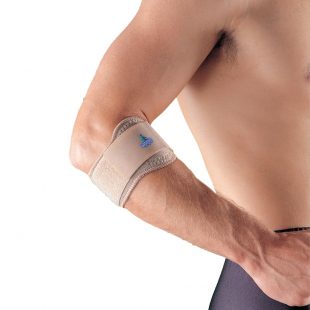
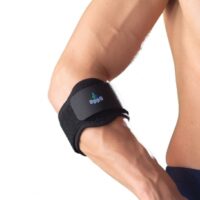
How to wear a tennis elbow brace comes down to two things: correct placement and comfortable tightness. When you wear it well, a brace may help reduce tendon strain during gripping, lifting, and sport. For the full diagnosis and rehabilitation pathway, go to our Tier 1 page: Tennis Elbow.

Even so, a brace works best as a “during activity” tool rather than a long-term fix. If your pain spikes with typing, lifting, racquet sports, or gym work, use the brace to settle symptoms while you address the drivers of the problem. For example, changes to workload, grip technique, and a progressive strengthening plan often matter more than wearing a strap tighter. If pain spreads into the forearm, your grip keeps weakening, or symptoms persist beyond a few weeks, get assessed to confirm the diagnosis and rule out other causes of arm pain.

How to wear a tennis elbow brace on the forearm

Place A Tennis Elbow Brace On The Forearm Muscles, Not Directly On The Elbow Joint.

Short answer: placement and tightness

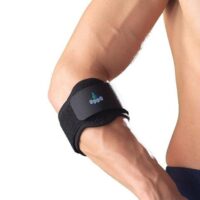
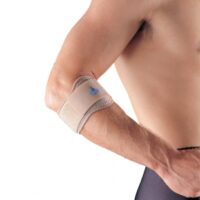
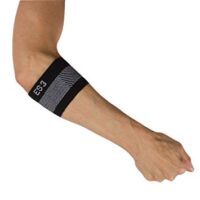
Wear the strap around the widest part of your forearm, usually a few centimetres below the painful outside elbow point. Tighten it until it feels firm and supportive, however it should not cause numbness, tingling, swelling, or hand colour change. For complete treatment guidance and rehab progressions, visit Tennis Elbow.

Step-by-step: how to wear a tennis elbow brace

  1. Locate the painful area: Tennis elbow pain often sits near the bony outside point of the elbow.
  2. Move down the forearm: Position the brace on the forearm muscle belly below that sore spot (not on the elbow joint).
  3. Set the tightness: Aim for “snug and supportive”, not restrictive.
  4. Test it: Try a light grip task (like picking up a mug). It should feel easier, not worse.
  5. Adjust as needed: Re-check tightness during the day, especially if swelling or irritation develops.

How tight should a tennis elbow strap be?

A strap should feel firm, while you still move your wrist and fingers freely. If you get tingling, numbness, a throbbing increase in pain, swelling, or a pale/blue hand, loosen or remove the strap.
When should you wear it?

Many people wear a brace only during activities that trigger pain, such as lifting, carrying, keyboard work, gym, or sport. You may not need it at rest. If symptoms keep returning, you usually need a broader plan than bracing alone.

What to do next

A brace may help symptom control, however it does not build tendon capacity on its own. If pain persists, grip strength drops, or you avoid normal tasks, a physiotherapist can assess your elbow and guide a graded strengthening plan, load management, and technique changes.

Need more tennis elbow info? Start with our online guide for the full pathway: Tennis Elbow: causes, symptoms, treatment and rehabilitation.

Related information

Follow PhysioWorks

Get free physiotherapy tips, exercise videos, and recovery advice.

Facebook Instagram YouTube TikTok X (Twitter) Email
You've just added this product to the cart: