Acupuncture

Acupuncture

What Is Acupuncture?


What is acupuncture upper trapezius needling in physiotherapy clinic
Calm acupuncture explanation in clinic.

Acupuncture uses very fine, sterile, single-use needles placed at selected points on the body. It may help some people manage pain, muscle tightness, and movement restriction when it is used after a clear assessment and as part of a broader physiotherapy plan.

At PhysioWorks, acupuncture is usually considered alongside physiotherapy treatment, exercise, hands-on care, and practical advice. It is not a stand-alone cure. The right choice depends on your symptoms, health history, and what your assessment shows.

Quick Answer: What Is Acupuncture?
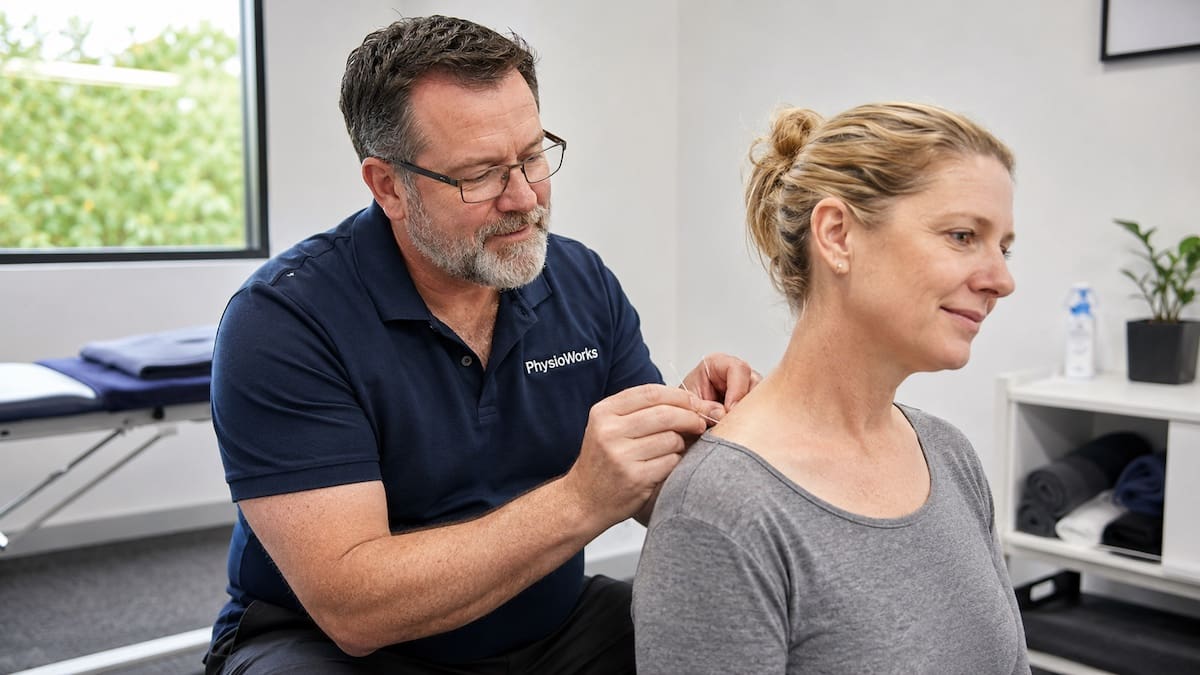
Acupuncture is a needling treatment used in some pain and movement plans. A trained practitioner places fine needles into selected points. The aim is to influence pain signals, muscle tone, and comfort so you can move more easily.

  • uses fine, sterile, single-use needles
  • may help short-term pain and muscle tension
  • works best when linked to clear goals
  • should follow a health and safety screen

How Does Acupuncture Work?

Acupuncture can be explained in more than one way. Traditional Chinese medicine describes it through qi and meridians. Modern pain care often explains it through the nervous system, local tissue response, and changes in pain sensitivity.

Some people feel less pain, less muscle guarding, or easier movement after treatment. However, results vary. For most musculoskeletal problems, acupuncture works best when it supports an active plan. That plan may include strength work, mobility, load management, and clear advice.

Does Acupuncture Hurt?

Most people feel little more than a brief prick as the needle enters the skin. You may then feel mild aching, warmth, heaviness, or tingling. These feelings are usually short-lived and should be monitored during treatment.
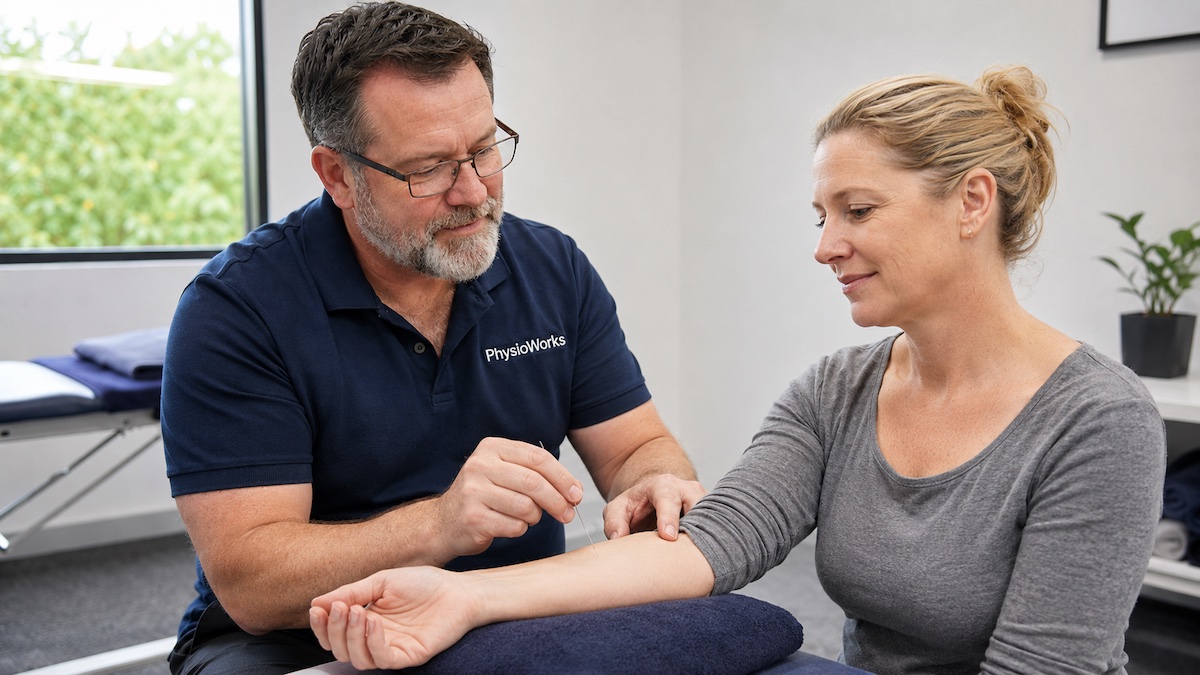
Acupuncture forearm point demonstration with fine sterile needle
Fine needle placement explained clearly.

What Conditions May Acupuncture Help?

A physiotherapist may discuss acupuncture when pain, muscle tension, or protective guarding limits movement. It may be considered after assessment for issues such as back pain, neck pain, shoulder pain, knee pain, or headaches.

It may also form part of a broader pain management plan. The aim is not just short-term relief. The better goal is to help you move, load, and function with more confidence.

Acupuncture vs Dry Needling

Feature Acupuncture Dry Needling
Main framework Point selection from acupuncture systems Western musculoskeletal assessment
Common target Pain, tension, and symptom control Trigger points, tender muscle bands, and movement limits
Usual role A support option within a wider care plan A targeted muscle treatment within a physiotherapy plan
Shared feature Both use fine needles and should be matched to your condition, safety screen, and goals.

For a fuller comparison, read about acupuncture and dry needling or the PhysioWorks guide to dry needling.

Is Acupuncture Right for You?

It may suit you if you have:

  • muscle tension or guarding
  • pain that limits easy movement
  • symptoms linked to stress or sensitivity
  • a clear plan for exercise and progress

It may not be the first choice if you have:

  • an unclear or changing diagnosis
  • red flags that need medical review
  • a strong need for loading or strength work first
  • a preference for non-needling care

Your physiotherapist should explain why acupuncture is being considered, what other options are available, and what role it plays in your plan. If the main issue is muscle tenderness, trigger point therapy may also be discussed.

What Does the Research Say?

Research suggests acupuncture may help some people with pain, but the strength of evidence varies by condition. Recent reviews report possible benefits for pain relief, chronic neck pain, and knee osteoarthritis. They also note that treatment dose, patient selection, and comparison with sham treatment still matter.

In practice, this means acupuncture should be framed as an option, not a guarantee. It may help you feel more comfortable in the short term. Longer-term improvement still depends on a clear diagnosis, movement confidence, and a plan that matches your daily demands.

Safety and Hygiene

At PhysioWorks, acupuncture uses sterile, single-use needles. Your practitioner should ask about your health history, medications, bleeding risk, pregnancy status, fainting history, skin health, and other factors that may affect needling safety.

Can You Claim Acupuncture on Private Health Insurance?

Private health insurance rebates vary between funds and policies. Some people may be able to claim acupuncture or dry needling when it forms part of an eligible physiotherapy consultation. Check your policy before booking if rebates matter to your decision.

More Information About Acupuncture and Related Treatments

FAQs About Acupuncture

What is acupuncture used for?

Acupuncture is commonly used to help manage pain, muscle tension, and movement restriction. In physiotherapy settings, it may be considered for problems such as back pain, neck pain, headaches, and joint pain.

Is acupuncture safe?

Acupuncture is generally considered safe when a trained practitioner uses sterile single-use needles and screens you first. Tell your practitioner about medicines, bleeding issues, pregnancy, fainting history, and recent illness.

How long does an acupuncture session take?

Session length varies. Many appointments include assessment, explanation, needling, exercise advice, and a plan for what to do next. Needling time is only one part of the visit.

How many acupuncture sessions will I need?

The number of sessions depends on your condition, goals, and response. Some people need only a short trial. Others need a staged plan that also includes exercise and load management.

Is acupuncture the same as dry needling?

No. Both use fine needles, but they use different reasoning systems. Acupuncture often uses selected points from acupuncture frameworks. Dry needling usually targets tight or painful muscles using a musculoskeletal assessment.

What should you do next if you are considering acupuncture?

Book an assessment first. That helps your physiotherapist decide whether acupuncture is suitable, whether another treatment may suit better, or whether you need medical review before needling.

What To Do Next

If pain, muscle tension, or movement restriction is affecting your day, book a physiotherapy assessment. Your physiotherapist can explain whether acupuncture is suitable and how it may fit with your broader recovery plan.

Choose your clinic and appointment pathway

Select a PhysioWorks clinic to continue to live booking, an appointment request or reception assistance.

Follow PhysioWorks

Get physiotherapy tips, exercise videos, recovery advice and blog updates.

References

  1. Qin C, Ma H, Ni H, et al. Efficacy and safety of acupuncture for pain relief: a systematic review and meta-analysis. Support Care Cancer. 2024;32(12):780. doi:10.1007/s00520-024-08971-9
  2. Fang J, Shi H, Wang W, et al. Durable effect of acupuncture for chronic neck pain: a systematic review and meta-analysis. Curr Pain Headache Rep. 2024;28(9):957-969. doi:10.1007/s11916-024-01267-x
  3. Luo X, Liu J, Li Q, et al. Acupuncture for treatment of knee osteoarthritis: a clinical practice guideline. J Evid Based Med. 2023;16(2):237-245. doi:10.1111/jebm.12526
  4. Ho L, Lai CNT, Chen H, et al. Systematic review of clinical practice guidelines on acupuncture for chronic musculoskeletal pain. BMC Complement Med Ther. 2025;25(1):322. doi:10.1186/s12906-025-05070-y

What Is Dry Needling?

Article by John Miller & Erin Runge
Physiotherapist performing dry needling on shoulder muscle for trigger point pain

Dry needling treatment for shoulder muscle pain

Dry needling is a physiotherapy technique that uses fine, sterile needles to target sensitive muscle bands and trigger points. It may help reduce muscle pain, ease tightness, and improve movement when used as part of a broader treatment plan that can also include exercise, advice, and hands-on care. At PhysioWorks, dry needling is usually considered after a thorough assessment of your symptoms, movement, and likely pain source. For a broader overview of acupuncture and dry needling, or a deeper treatment page on dry needling physiotherapy, you can explore those guides as well. [/vc_column_text][/vc_column][/vc_row]

What is dry needling physiotherapy?

Dry needling physiotherapy uses a thin filiform needle to treat irritated muscle tissue and trigger points without injecting any substance. It is based on modern anatomy, pain science, and clinical assessment rather than traditional Chinese medicine theory.

How does dry needling work?

Dry needling aims to settle sensitive muscle points, reduce guarding, and improve movement tolerance. Your physiotherapist selects treatment points based on your symptoms, movement tests, muscle tension, and the tissues that appear to be contributing to your pain.

Because dry needling usually forms part of a broader rehabilitation plan, it is often combined with other physiotherapy treatment techniques, such as exercise therapy, movement retraining, advice, and hands-on treatment.

What are the benefits of dry needling?

  • May reduce muscle pain and sensitivity
  • May help relax tight or overactive muscles
  • May improve movement and flexibility
  • May support recovery alongside exercise and physiotherapy
  • May reduce referred pain from trigger points

Important: Dry needling is usually an adjunct treatment. It often works best when your physiotherapist also addresses the reasons your symptoms developed, such as strength deficits, movement overload, posture, work demands, training errors, or recovery habits.

What conditions may dry needling help?

Dry needling is most often used as an adjunct treatment for muscle pain, trigger points, and movement restrictions linked to musculoskeletal conditions. It is usually one part of a full treatment plan rather than a stand-alone fix.

What body areas are commonly treated?

Dry needling is often used around areas where muscle tension and trigger points commonly contribute to pain or stiffness. These may include the:

  • neck and upper trapezius region
  • shoulder and shoulder blade muscles
  • lower back and gluteal muscles
  • hip muscles
  • thigh and calf muscles
  • jaw-related muscle tension in selected cases

If your symptoms are linked to local muscle tightness, your physiotherapist may also assess whether related issues such as headaches, sciatica, or general muscle pain are part of the pattern.

How does a dry needling session work?

1. Assessment
Your physiotherapist assesses your movement, pain patterns, and muscle tension.

2. Targeted treatment
Fine needles are inserted into specific trigger points or tight muscle bands.

3. Response
You may feel a twitch, ache, or release sensation in the muscle.

4. Follow-up
Treatment is usually combined with exercise, stretching, or hands-on therapy.

What does dry needling feel like?

Many people feel a brief ache, twitch, cramp-like response, or local heaviness when the needle reaches a sensitive trigger point. After treatment, the area may feel looser, mildly sore, or tired for a short time, similar to post-exercise soreness.

What should you expect after dry needling?

  • Mild muscle soreness for 24 to 48 hours
  • Improved movement or reduced tightness
  • Occasional fatigue in the treated muscle
  • Gradual improvement when combined with exercise

Following your physiotherapist’s advice after treatment can help you get the best result. For many people, that includes gentle movement, hydration, and continuing the exercises or self-management plan you were given.

Tip: If your pain keeps returning, your physiotherapist will usually look beyond trigger points alone. They may assess load management, strength, joint movement, work setup, sleep, training habits, and recovery capacity so your results last longer.

Is dry needling the same as acupuncture?

No. Dry needling and acupuncture use similar needles, but they are based on different treatment models. Dry needling generally uses western anatomical assessment and targets muscles, trigger points, and pain-related movement problems. You can read more in our guide to what acupuncture is and our treatment overview covering acupuncture and dry needling.

When is dry needling not appropriate?

Dry needling may not be suitable for everyone. Your physiotherapist will consider factors such as needle tolerance, bleeding risk, infection, skin condition, general health, pregnancy considerations, and the location being treated before deciding whether it is appropriate.

Private health fund rebates

Private health fund cover for dry needling varies. In many cases, it is billed as part of a physiotherapy consultation rather than as a separate item. It is sensible to check your level of cover and any limits with your insurer before booking.

Who may benefit from dry needling?

People with muscle tightness, myofascial pain, recurrent trigger points, or pain that limits normal movement may benefit from dry needling when it is clinically appropriate. It is often combined with exercise, load management, and hands-on treatment for a more complete result.

If your main issue is more soft tissue tightness than injury diagnosis, some people also explore options such as trigger point therapy, myofascial release massage, or remedial massage depending on their goals and presentation.

When should you consider dry needling?

You may consider dry needling if muscle pain, tightness, or trigger points are slowing your recovery despite usual treatment. A physiotherapist can assess whether dry needling fits your presentation or whether another treatment approach is likely to suit you better.

Related information

FAQs about dry needling

Is dry needling painful?

Dry needling can feel uncomfortable for a moment, especially when a sensitive trigger point is treated. However, most people tolerate it well, and any soreness usually settles within a day or two.

How long does dry needling take to work?

Some people feel easier movement or reduced pain soon after treatment, while others notice change over the next 24 to 48 hours. The response varies depending on the condition, irritability, and what else is included in your treatment plan.

Can dry needling help muscle knots?

Dry needling is commonly used to treat trigger points, which many people describe as muscle knots. It may help reduce muscle guarding and improve comfort when combined with stretching, exercise, and load management.

Do physiotherapists use dry needling on its own?

Usually not. Physiotherapists often use dry needling as one part of a broader plan that may include diagnosis, exercise, hands-on treatment, ergonomic advice, and guided return to activity.

Is dry needling safe?

Dry needling is generally considered safe when performed by a properly trained clinician using sterile technique and appropriate screening. Like any procedure, it carries some risks, so your physiotherapist should explain these before treatment.

What should you do after dry needling?

Light movement, hydration, and following your physiotherapist’s advice are usually sensible after dry needling. It is also common to combine treatment with mobility work or exercises while the muscle is easier to move.

What to do next

If you are wondering whether dry needling is suitable for your pain, stiffness, or trigger points, a physiotherapy assessment is the best first step. Your clinician can identify the tissues involved, explain whether dry needling is appropriate, and build a plan around your goals.

If dry needling is not the right fit, your physiotherapist can guide you towards other options such as exercise therapy, manual therapy, load management, or a more targeted rehabilitation plan.

Choose your clinic and appointment pathway

Select a PhysioWorks clinic to continue to live booking, an appointment request or reception assistance.

Follow PhysioWorks

Get physiotherapy tips, exercise videos, recovery advice and blog updates.

References

  1. Dach F, Ferreira KS. Treating myofascial pain with dry needling: a systematic review for the best evidence-based practices in low back pain. Arq Neuropsiquiatr. 2023;81(12):1169-1178. doi:10.1055/s-0043-1777731
  2. Chys M, Schneider S, Smith CA, et al. Clinical effectiveness of dry needling in patients with musculoskeletal pain—an umbrella review. J Clin Med. 2023;12(4):1397. doi:10.3390/jcm12041397
  3. Gattie E, Cleland JA, Snodgrass S. The effectiveness of trigger point dry needling for musculoskeletal conditions by physical therapists: a systematic review and meta-analysis. J Orthop Sports Phys Ther. 2017;47(3):133-149. doi:10.2519/jospt.2017.7096
  4. Sánchez-Montoya M, Arias-Buría JL, Fernández-de-Las-Peñas C, et al. Safety and anatomical accuracy of dry needling procedures in musculoskeletal system: a systematic review of cadaveric studies. J Man Manip Ther. 2026;34(1):78-95. doi:10.1080/10669817.2025.2536818

What Is Acupressure?

Article by John Miller & Erin Runge
Acupressure pressure point therapy for upper back muscle tension
Acupressure uses firm pressure to ease muscle tension.

Acupressure is a hands-on technique that uses firm pressure on selected points in muscles and soft tissues. These points may feel tender, tight, or linked with a wider area of pain. Acupressure does not use needles, which makes it different from acupuncture and dry needling.

People often ask about acupressure for muscle tension, pain relief, headaches, stress-related tightness, and recovery after work or sport. It may help some people feel calmer and move more freely. However, it works best as one part of a broader plan.

Quick answer: Acupressure applies steady manual pressure to soft-tissue points. It may help ease local muscle guarding, reduce pain sensitivity, and support relaxation. It should not replace assessment when pain is new, severe, worsening, or unexplained.

How Does Acupressure Work?

Acupressure works by applying controlled pressure to a chosen point for a short time. The pressure may affect local blood flow, muscle tone, nerve sensitivity, and how the brain reads pain signals.

Clinicians may use their thumb, fingers, knuckles, elbow, or a supported hand position. The pressure should feel firm but tolerable. You should still be able to breathe and relax during treatment.

Recent research suggests that some forms of acupressure may provide short-term pain relief for chronic musculoskeletal pain. However, the evidence is still mixed, and longer-term effects remain less certain. This is why your treatment plan should match your symptoms, goals, and health history.

What Is Acupressure Used For?

People may try acupressure when symptoms feel tight, guarded, or stress-related. It is often used as one part of physiotherapy, massage, or self-care advice.

  • neck and upper back tension
  • muscle soreness after work, sport, or training
  • headache symptoms linked with neck or jaw tension
  • back pain with muscle guarding
  • tender trigger points in muscles
  • persistent pain where relaxation and movement confidence matter

Acupressure May Suit You If

  • your symptoms feel muscular or tension-based
  • pressure on the area feels relieving rather than sharp
  • you want a non-needle option
  • you can relax during firm pressure
  • your clinician has checked for warning signs

Is Acupressure The Same As Trigger Point Therapy?

Not exactly. The terms can overlap, but they come from different traditions. Acupressure often refers to pressure on mapped points used in traditional acupuncture systems. Trigger point therapy usually refers to pressure on tender muscle points that may refer pain elsewhere.

In practice, many modern clinicians use simple, patient-centred wording. They may describe the treatment as pressure point therapy, soft-tissue release, trigger point pressure, or manual therapy. The key point is that the pressure should match your symptoms, comfort, and treatment goals.

What Can Acupressure Feel Like?

During acupressure, you may feel a deep ache, pressure, warmth, or a “good pain” feeling. The sensation should not feel sharp, burning, electric, or unsafe.

After treatment, some people feel looser straight away. Others notice change over 24 to 48 hours. Mild soreness can happen, like the feeling after new exercise.

How Does Acupressure Fit With Physiotherapy?

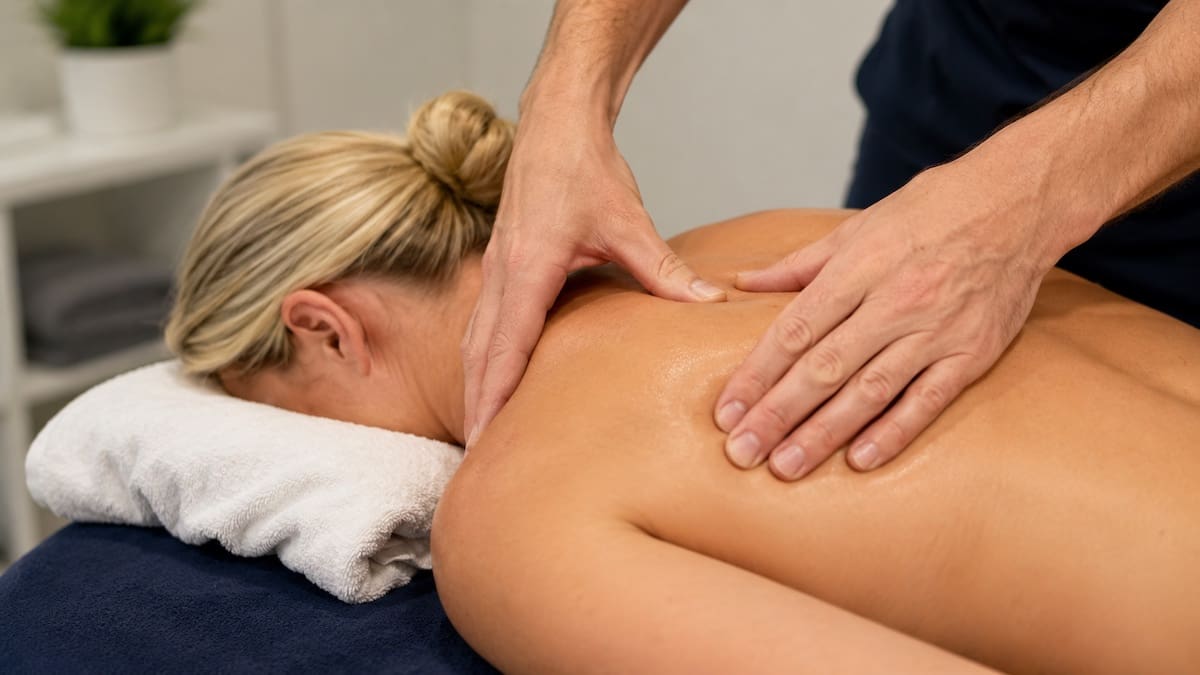
Acupressure is not a full treatment plan by itself. A physiotherapist may use it to settle symptoms so you can move, strengthen, and build confidence again.

For example, someone with neck pain may need pressure work, posture advice, strength exercises, and work setup changes. Someone with back pain may need movement testing, load advice, and a graded exercise plan.

Some people also compare acupressure with dry needling. Both may target sensitive points, but dry needling uses fine needles while acupressure uses manual pressure only.

Can You Use Acupressure At Home?

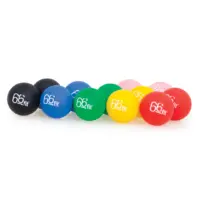
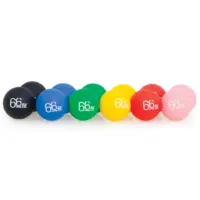
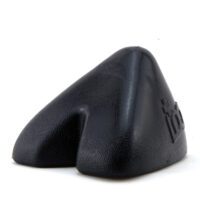
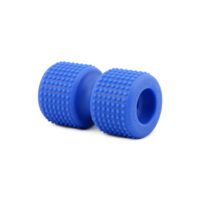
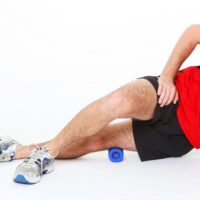
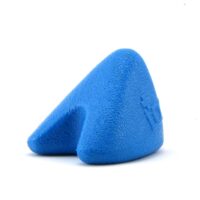
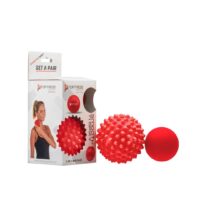
Some people use gentle self-pressure at home. A massage ball, thumb pressure, or a firm but soft surface may help ease mild muscle tension.

Keep home pressure simple. Use short bouts, avoid bruising, and stop if symptoms spread, worsen, or feel unusual. Do not press hard over the front of the neck, open wounds, inflamed skin, new swelling, or areas with reduced feeling.

Simple Self-Care Rule

Use gentle pressure, then move. Pressure alone rarely solves the reason symptoms started.

Walking, light mobility, pacing, strength work, sleep, and load management often matter more for long-term change.

Is Acupressure Safe?

Acupressure is usually low risk when a trained clinician uses it for the right person and the right problem. However, it may not suit every situation.

Seek advice first if you have a bleeding disorder, use blood-thinning medicine, fragile skin, infection, fever, new swelling, a recent fracture, unexplained night pain, a new lump, or worsening nerve symptoms. These may include numbness, weakness, pins and needles, or bladder or bowel changes.

When Should You See A Physiotherapist?

See a physiotherapist if pain lasts more than a few days, keeps returning, limits work or sport, or you are unsure why it started. Assessment can help identify whether your symptoms fit muscle tension, joint irritation, nerve sensitivity, tendon pain, or another cause.

This matters because acupressure may help some symptoms settle, but other problems need a different plan. Your clinician may recommend exercise, education, manual therapy, muscle pain management, headache care, or another pathway.

What To Do Next

If you want to understand whether acupressure suits your symptoms, book a physiotherapy appointment. Your physiotherapist can assess the problem, explain your options, and help you choose the safest next step.

You can also read more about headache physiotherapy, tension headache, or remedial massage if your symptoms feel tension-related. For broader support, view our Brisbane physiotherapy services.

Choose your clinic and appointment pathway

Select a PhysioWorks clinic to continue to live booking, an appointment request or reception assistance.

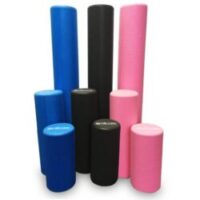
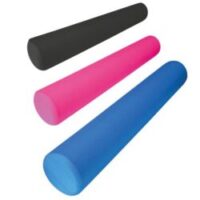
Massage Products

These muscle and soft tissue products are commonly used by our remedial massage therapists and physiotherapists to relax or loosen muscles.

View all massage products

Follow PhysioWorks

Get physiotherapy tips, exercise videos, recovery advice and blog updates.

Frequently Asked Questions

What is acupressure?

Acupressure is a hands-on technique that uses firm pressure on selected points in muscles and soft tissues. It does not use needles. People often try it for muscle tension, pain relief, stress-related tightness, and relaxation.

How does acupressure work?

Acupressure may affect muscle tone, local blood flow, nerve sensitivity, and pain processing. The exact effect can vary from person to person. It works best when paired with movement, strengthening, pacing, and advice that targets the cause of symptoms.

Is acupressure the same as acupuncture?

No. Acupuncture uses fine needles. Acupressure uses manual pressure only. Both may target similar points, but the treatment method and clinical reasoning can differ.

Does acupressure help muscle tension?

It may help some people with muscle tension feel looser or calmer for a short time. Long-term results usually depend on the wider plan, including exercise, work setup, sleep, stress load, and training habits.

Is acupressure safe?

Acupressure is usually low risk when used correctly. It may not suit people with bleeding risk, infection, fever, recent fracture, unexplained night pain, new swelling, fragile skin, or worsening nerve symptoms. Seek advice if you are unsure.

When should I book physiotherapy instead of self-treatment?

Book physiotherapy if pain is severe, persistent, spreading, linked with weakness or numbness, or keeps returning. Assessment helps identify the cause and whether pressure point therapy is the right option.

Can I do acupressure myself?

You can use gentle self-pressure for mild muscle tension if it feels safe and settles quickly. Avoid hard pressure, bruising, the front of the neck, inflamed skin, numb areas, new swelling, and unexplained pain.

What should acupressure feel like?

It may feel firm, achy, warm, or relieving. It should not feel sharp, electric, burning, or unsafe. Tell your clinician if the pressure feels too strong or causes symptoms to spread.

References

  1. Lee TKW, Chang JR, Hao D, Fu SN, Wong AYL. The effectiveness of auricular acupressure on chronic musculoskeletal pain: a systematic review and meta-analysis of randomized controlled trials. J Integr Complement Med. 2025;31(1). doi:10.1089/jicm.2023.0630
  2. Li T, Li X, Huang F, Tian Q, Fan ZY, Wu S. Clinical efficacy and safety of acupressure on low back pain: a systematic review and meta-analysis. Evid Based Complement Alternat Med. 2021;2021:8862399. doi:10.1155/2021/8862399
  3. Ang L, Song E, Lee H, Lee MS. Acupressure for managing osteoarthritis: a systematic review and meta-analysis. Appl Sci. 2021;11(10):4457. doi:10.3390/app11104457

What Conditions Can Acupuncture Help With?

Acupuncture treatment to upper back and neck in physiotherapy clinic

Acupuncture for neck and upper back pain

Acupuncture may help some pain conditions, especially back pain, neck pain, knee osteoarthritis, headache patterns, shoulder pain, and muscle tension. It works best when it supports a clear physiotherapy plan, rather than replacing assessment, exercise, or load advice.

At PhysioWorks, we use a clinical assessment first. This helps decide whether acupuncture, dry needling, exercise therapy, manual therapy, or massage is the best fit for your symptoms. You can also read our main acupuncture and dry needling guide.

Quick answer: Acupuncture is most often used for pain control. It may reduce pain sensitivity, ease muscle guarding, and help you move enough to start better rehab.

Which conditions may respond to acupuncture?

Acupuncture may be considered for selected cases of back pain, neck pain, sciatica, muscle pain, and some headache patterns. The best match depends on your pain driver, health history, and treatment goals.

When acupuncture may fit well

  • Ongoing muscle tension or guarding
  • Neck or back pain that limits movement
  • Headache linked with neck or jaw tension
  • Knee pain linked with osteoarthritis
  • Short-term pain relief to help rehab progress

How does acupuncture work for pain relief?

Acupuncture uses fine needles to stimulate points in the skin and soft tissue. This may change pain signals, calm sensitive nerves, and reduce muscle guarding. For many patients, the aim is simple: less pain, easier movement, and a better start to rehab.

Australian Healthdirect explains that acupuncture can be helpful for chronic pain and some other conditions. It also notes possible side effects, such as bleeding, bruising or infection, and advises people to check whether acupuncture is safe for their situation.

Which pain conditions are most commonly treated?

The most common musculoskeletal uses include lower back pain, chronic neck pain, knee osteoarthritis, shoulder pain, muscle tension, and some headache patterns. Evidence is not the same for every condition. That is why the decision should follow an assessment, not a generic list.

  • Low back pain with stiffness or muscle guarding
  • Neck pain with tightness or movement loss
  • Knee osteoarthritis pain and function limits
  • Shoulder pain with soft tissue irritation
  • Muscle pain, trigger points, and tension
  • Headache patterns linked with neck or jaw tension
Acupuncture needle placement in upper back by physiotherapist

Targeted acupuncture for upper back tension

Can acupuncture help back pain, neck pain, and sciatica?

Acupuncture may help some people with lower back pain or neck pain, especially when pain has lasted for weeks or muscle guarding is high. For sciatica, it may help comfort. However, nerve pain also needs a plan for movement, strength, and load tolerance.

Can acupuncture help headaches and jaw-related pain?

Sometimes. It may help when headaches relate to neck stiffness, jaw tension, or muscle overload. Sudden, severe, unusual, or worsening headaches need medical care. For related PhysioWorks guides, see cervicogenic headache and headache, neck and jaw pain.

Is acupuncture better for muscle pain or joint pain?

Acupuncture often works as a pain-control tool. It does not fix joint mechanics by itself. It may be most useful when muscle guarding, trigger points, or pain sensitivity limit movement. For joint pain, it should usually sit beside strengthening, mobility work, and a broader joint pain treatment plan.

When to book an assessment

  • Pain keeps returning after rest or self-care
  • Stiffness affects work, sleep, or training
  • Nerve symptoms are starting or spreading
  • You are unsure whether acupuncture, dry needling, massage, or exercise is the better option

What is the difference between acupuncture and dry needling?

Both use fine needles. The main difference is the clinical reasoning. Dry needling usually targets tight or painful muscle points. Acupuncture may use broader point selection. Some people prefer non-needle options, such as massage, exercise, or trigger point therapy, depending on their goals and comfort level.

When might acupuncture not be the best option?

Acupuncture may not be the first choice when pain may relate to fracture, infection, major instability, a strong inflammatory flare, or major nerve compromise. It may also be a poor fit when the main issue is weakness, poor fitness, or load intolerance. In those cases, exercise progress may need priority.

Frequently asked questions

What conditions may acupuncture help most often?

Acupuncture is most often used for pain control. It may help some people with back pain, neck pain, knee osteoarthritis, shoulder pain, muscle tension, and neck-related headache patterns.

Can acupuncture help chronic pain?

It may help some chronic pain conditions. Results vary, and it is usually more useful when it forms part of a broader plan that also uses exercise, pacing, and education.

Can acupuncture help sciatica?

It may help comfort in some people with sciatica. However, leg pain, pins and needles, numbness, or weakness should be assessed. Nerve symptoms often need more than symptom relief.

Can acupuncture help headaches?

Sometimes, especially when headache symptoms link with neck stiffness, jaw tension, or muscle overload. Sudden or severe headache needs urgent medical advice.

Is acupuncture the same as dry needling?

No. Dry needling usually targets irritable muscle points. Acupuncture may use broader point selection. Your physiotherapist can explain which option suits your presentation.

Should I try acupuncture on its own?

Usually no. It tends to work best when short-term pain relief helps you move better, build strength, and return to normal activity with a clear plan.

What to do next

If you are wondering whether acupuncture suits your pain, book a physiotherapy assessment. That helps identify whether your symptoms may respond better to needling, exercise therapy, manual treatment, massage, or another pathway.

At PhysioWorks, we aim to match the treatment to your pain driver, goals, safety needs, and stage of recovery.

Choose your clinic and appointment pathway

Select a PhysioWorks clinic to continue to live booking, an appointment request or reception assistance.

Follow PhysioWorks

Get physiotherapy tips, exercise videos, recovery advice and blog updates.

References

  1. Ho L, Lai CNT, Chen H, et al. Systematic review of clinical practice guidelines on acupuncture for chronic musculoskeletal pain. BMC Complement Med Ther. 2025;25(1):322. doi:10.1186/s12906-025-05070-y
  2. DeBar LL, Vollmer WM, Anderson ML, et al. Acupuncture for chronic low back pain in older adults: a randomized clinical trial. JAMA Netw Open. 2025;8(9):e2531348. doi:10.1001/jamanetworkopen.2025.31348
  3. Liu CY, Duan Y, Zhou H, et al. Clinical effect and contributing factors of acupuncture for knee osteoarthritis: a systematic review and pairwise and exploratory network meta-analysis. BMJ Evid Based Med. 2024;29(6):374-384. doi:10.1136/bmjebm-2023-112626
  4. Chen H, Lin X, Huang X, et al. Durable effects of acupuncture for knee osteoarthritis: a systematic review and meta-analysis. Curr Rheumatol Rep. 2024;26(6):158-167. doi:10.1007/s11926-024-01139-7
You've just added this product to the cart: