
Rugby Injuries

Article by Harry Lawrence

Rugby Union
Rugby Union is an exciting sport that demands strength, agility, and endurance. Although it is one of the most popular sports around the world, its high-impact nature means that the risk of injuries is high. As a result, there has been a large focus in recent years on how to prevent injuries and effectively return players to the field.
Most Common Rugby Injuries
A 2021/22 study from the UK found that thigh haematomas or “corks” are the most common rugby injury. Whilst they can be quite painful, they generally have minimal long-term impact on a player’s ability to perform.
This is followed by hamstring injuries, which typically occur during high-speed running. Hamstrings are more commonly injured by rugby backs due to their increased high-speed demands compared to the rugby forwards who are more likely to be injured in contact.
Concussions are the thirst most common injury that rugby players sustain. Concussions can occur due to direct impact to the head, or by a whiplash mechanism. Symptoms can vary; however, it is important to manage these properly in line with the Rugby Australia Guidelines – ideally under the supervision of a qualified sports doctor.
Less Common Rugby Injuries
Although they are less commonly injured in rugby, there are some injuries that can cause significant problems and result in a lengthy period away from the game.
Neck and spinal injuries are often quite highly publicised due to the potential for long-term neurological injury. Although not overly common, these injuries are more frequently sustained in forwards due to the demands associated with scrummaging and higher exposure to contact activities.
Knee injuries can occur with or without contact from the other players. Structures at the knee that are commonly injured in rugby include the ACL, MCL and meniscus. Injuries to the knee are quite significant and lead to the largest number of games missed.
Behind knee injuries, instances of shoulder dislocations or instability are responsible for the second most days missed due to injury. As with neck and spinal injuries, shoulder injuries (including ACJ and rotator cuff tears) are more common in forwards due to the higher contact demands.
Prevention and Rehabilitation
Preventing rugby injuries requires a multi-faceted approach. Proper warm-up and cool-down routines, as well as wearing appropriate protective gear, are essential. Additionally, coaches and trainers should emphasise correct technique, provide guidance on injury prevention exercises, and monitor players for signs of fatigue and overuse. Players should also be encouraged to seek the advice of physiotherapists or sports doctors if they have any significant concerns.
World Rugby Activate Program
We highly recommend the World Rugby Activate Program for injury prevention. Developed by sports medicine professionals, and backed by research, it has been shown to reduce musculoskeletal injury risk, as well as concussions.
The Activate Program is tailored for different age groups, and focuses on general movement control and skill, conditioning and athletic performance, and physical robustness.
https://australia.rugby/participate/coach/coaching-resources/world-rugby-activate
Concussion Management
Rugby Australia has very strict protocols and policies around the management of head injuries and concussion.
On the Day: RECOGNISE – REMOVE – RECORD – REFER
If a player has any signs of symptoms of a potential head injury or concussion, they should be removed from the field of play immediately. No person (e.g. doctor, physio, trainer or coach) can over-ride the requirement of a player to come off the field.
Following the Injury: REST – RECOVER – RECORD – RETURN
- Any player who is diagnosed as having concussion the stepwise graduated return to play (GRTP) process must be followed.
- For adults, the minimum time required to go through the GRTP process is 12 days.
- For players under the age of 19, the minimum time required to go through the GRTP process is 19 days.
However, if the player does not complete the Referral and Return Form, they will be excluded indefinitely from full contact training and match play.
https://australia.rugby/about/codes-and-policies/safety-and-welfare/concussion-management
Rugby Australia Insurance Policy
The National Risk Management and Insurance Program is provided so that players and club administrators may have immediate access to policy benefits and procedures of the insurance program.
Rugby Australia and Gallagher are committed to provide the rugby community with high level cover whilst maintaining the affordability of registration.
The Rugby Australia Insurance can cover Personal Injury Insurance, Public Liability Insurance, Professional Indemnity Insurance, Management Liability.
Where implemented, this Personal Injury Insurance Program provides specified benefits to players who are injured while participating in rugby. This excludes any medical costs that are covered (or partly covered) by Medicare.
https://australia.rugby/about/codes-and-policies/safety-and-welfare/serious-injuries
Conclusion
Rugby Union is a physically demanding contact sport that carries inherent risk of injury. Understanding common injuries, their causes, and prevention strategies can assist players, coaches and trainers in reducing this risk. By incorporating warm up routines, as well as specific strength and conditioning measures, players can spend more time on the field and perform at their best.


Article by Zoe Russell
Sports Physiotherapy FAQs
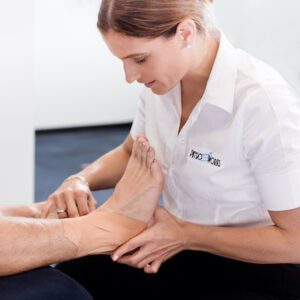
Sports Physiotherapy is the specialised branch of physiotherapy which deals with injuries and issues related to spokespeople. Practitioners with additional formal training within Australia are Sports & Exercise Physiotherapists.
What is Sports Physiotherapy?
Sports injuries do differ from common everyday injuries. Athletes usually require high-level performance and demands placed upon their bodies, which stresses their muscles, joints and bones to the limit. Sports physiotherapists help athletes recover from sporting injuries and provide education and resources to prevent problems. Each sports physiotherapist usually has sport-specific knowledge that addresses acute, chronic and overuse injuries. Their services are generally available to sportsmen and women of all ages engaged in sports at any level of competition.
Members of Sports Physiotherapy Australia (SPA) have experience and knowledge of the latest evidence-based practice, professional assessment and diagnosis of sports injuries, and effective hands-on management techniques and exercise protocols to assist recovery and prevent future damage. SPA members have access to the most recent advances in sports physiotherapy. You'll be pleased to know that most PhysioWorks physiotherapists and massage therapists are particularly interested in sports injury management.
General Sports Physio FAQs
- Sports Physiotherapy
- Acute Sports Injury Clinics
- Sports Physiotherapy Treatment
- Youth Sports Injuries
Injury Management
- Sports Injury? What to do? When?
- When Can You Back to Sport?
- Sports-Related Injuries
- Knee Sports Injuries
- Sports Health Conditions
Sports Massage
Sports Insurance
Related Articles
- Sports Injury Management: This article provides a comprehensive look at how sports injuries are managed, including prevention strategies and treatment options.
- Soft Tissue Injury Healing: Readers can learn about the healing process for soft tissue injuries, including practical advice for each phase of recovery.
- Prehabilitation: Key to Injury-Free Sports Performance: Offers insights into how athletes can prevent injuries before they occur, focusing on strengthening and conditioning practices.
- Athletics Injuries - Comprehensive Physio Guide: A detailed guide on common injuries in athletics and how to treat and prevent them, making it a valuable resource for athletes of all levels.
- Acute Sports Injury Clinic: Highlights the services offered by sports injury clinics, including fast-track assessments and treatments for acute sports injuries.
- Effective Management of Kids Sports Injuries: This guide focuses on the unique aspects of managing sports injuries in children, offering parents and coaches valuable advice on care and prevention.
More Information
Common Muscle Injuries
A Physiotherapist's Guide
Introduction
Muscle injuries, presenting as muscle strain, pain or myalgia, are prevalent health issues affecting a wide range of individuals. This detailed guide, from a physiotherapist's perspective, delves into various muscle injuries, elaborating on their management, prevention, and the importance of professional advice. Explore the linked articles for an in-depth understanding of muscle injuries and their effective treatment.

- Common Muscle Injuries

Neck & Back Muscle Injuries: Causes and Solutions
- Back Muscle Pain: This pain often results from prolonged poor posture or physical overuse. Key to relief is engaging in exercises that strengthen the core muscles and improve posture, thereby alleviating the strain on the back.
- Neck Sprain: Caused by sudden, awkward movements, a neck sprain can benefit from a combination of gentle stretches and targeted strengthening exercises to restore flexibility and strength.
- Text Neck: A modern ailment resulting from extended mobile device use, text neck can lead to chronic pain. Regular breaks, posture-awareness, and neck-strengthening exercises are essential for prevention.
- Whiplash: Commonly occurring in car accidents, whiplash requires a careful approach including neck stabilisation exercises and controlled movement to encourage healing and prevent further injury.
Lower Limb Muscle Injuries: Understanding and Treating
- Hamstring Strain: Particularly common among athletes, particularly runners, this strain demands rest initially, followed by a carefully structured rehabilitation program focusing on gradual strength building and flexibility.
- Thigh Strain: Often seen in sports involving sprinting and jumping, thigh strains need a combination of rest, ice, compression, and elevation (RICE) in the initial stages, followed by carefully planned strengthening exercises.
- Groin Strain: This injury requires a nuanced approach, including sufficient rest and targeted exercises, to ensure a safe and effective recovery.
- Calf Muscle Tear: Key to recovery is a balance of rest, gentle stretching exercises, and a gradual return to full activity, ensuring the muscle heals correctly and strength is regained.
Upper Limb Muscle Injuries: Prevention and Care
- Golfer's Elbow and Tennis Elbow: Both these conditions involve inflammation of the tendons and require a rest period, followed by ice therapy and specific exercises tailored to strengthen the affected muscles.
- Corked Thigh: Resulting from direct impacts, these injuries demand immediate application of ice and a controlled, gradual exercise regime for recovery.
- DOMS, Fatigue-Related Cramps & Myalgia: Adequate rest, good hydration, and gentle stretching are crucial in alleviating these conditions.
- RSI: Regular stretching, ergonomic workplace adjustments, and taking breaks are key preventive measures for repetitive strain injury.
Systemic Causes of Muscle Pain: A Holistic View
- Fibromyalgia: This complex condition demands a holistic treatment approach, including exercise routines, stress management techniques, and sometimes medication.
- Rheumatoid Arthritis: Effective management combines medication, gentle exercise, and regular physiotherapy sessions.
Prevention and Management Strategies
- Regular Exercise: Regular physical activity helps maintain muscle strength and flexibility, reducing the risk of muscle injuries.
- Posture Improvement: Good posture, both in motion and at rest, is crucial for preventing muscle strain.
- Proper Warm-up and Cool-down: Adequate warm-up before and cool-down after physical activity is vital in preventing muscle strains and injuries.
- Ergonomic Adjustments: Making ergonomic adjustments at work and during daily activities can significantly reduce the risk of repetitive strain injuries and other muscle-related issues.
- Maintaining a Healthy Weight: Keeping a healthy weight reduces the strain on muscles, particularly in weight-bearing joints.
What to Do? Seeking Professional Advice
Consult a physiotherapist or doctor for personalised advice and treatment plans. Remember, early intervention can significantly improve recovery outcomes and prevent chronic problems.
Conclusion
While muscle injuries are common, effective management and prevention are achievable with the right approach and knowledge. Understanding the causes, symptoms, and various treatments available empowers individuals to take proactive steps in their recovery and prevention. For the most tailored and effective treatment, always seek the guidance of a professional physiotherapist.
-
-
-
-
Exercise Balls, Back, Exercise Equipment, Knee, Shoulder
Exercise Ball – 300kg Antiburst
$34.00 – $54.00 -
-
-
-
-
-
-
-
-
-
-
-
-
-
-
-
-
-
-
-
-
-
-
-
-
-
-



























































Common Ligament Injuries
Ligament Injury
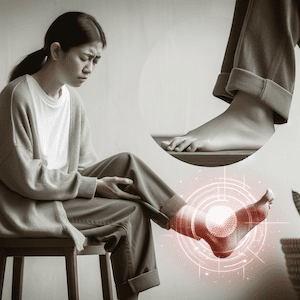
Ligament injuries frequently occur in various body parts, leading to pain and restricted movement. The most common sites include the knee, ankle, shoulder, wrist, hand, and spine.
Notably, knee injuries like ACL, PCL, MCL, and LCL sprains are prevalent.
Shoulder injuries often involve the AC joint, while wrist and hand issues can include thumb and finger sprains.
Spinal ligament injuries, such as back and neck sprains, and whiplash, are also significant. Understanding these injuries helps in prevention, early detection, and effective treatment.
- Ankle Ligament Injuries
- Knee Ligament Injuries
- Shoulder Ligament Injuries
- Wrist & Hand Ligament Injuries
- Spinal Ligament Injuries
Ankle Ligament Injuries
Ankle injuries often result from sudden twists or rolls, leading to sprains and strains.
Knee Ligament Injuries
Knee ligament injuries are among the most common and can severely impact mobility and quality of life.
- ACL Injury
- PCL Injury
- MCL Sprain
- LCL Sprain
- Posterolateral Corner Injury
- Patella Dislocation
- Superior Tibiofibular Joint Sprain
Shoulder Ligament Injuries
Shoulder ligament injuries can be debilitating, affecting a range of movements.
Wrist & Hand Ligament Injuries
Injuries in the wrist and hand are common, especially in sports and physical activities.
Spinal Ligament Injuries
Spinal ligament injuries can result from various causes, including posture issues and physical impacts.
Related Articles
- Ligament Tear - Common Ligament Injuries: Offers a comprehensive overview of ligament injuries across different body parts, including prevention, early detection, and effective treatment strategies.
- Knee Ligament Injury - A Physiotherapist's Guide & Tips: Provides insights into diagnosing knee pain, covering ligament issues among other concerns, and suggests pain relief methods through exercise and treatment.
- Common Ankle Ligament Injuries: A Physiotherapist's Guide: Discusses the treatment and prevention strategies for ankle ligament injuries, emphasising the importance of early intervention.
- Sprained Ankle Treatment & Recovery Guide: Offers detailed guidance on the recovery timelines for sprained ankles, highlighting the importance of restoring strength, motion, and function for a full recovery.
- Ankle Strapping: Complete Guide To Injury Prevention: Focuses on preventing ankle injuries through effective strapping techniques and discusses conditions like ankle arthritis and biomechanical issues.
- Sub-Acute Soft Tissue Injury: Explores the treatment and recovery process for various ligament injuries, including those affecting the knee, shoulder, wrist, hand, and spine.
- Sprained Thumb Treatment And Recovery Tips: Delivers practical tips for treating and recovering from a sprained thumb, along with general management strategies for wrist and hand pain.
